


Mid-mile Logistics
Acing Mid-Mile Logistics For Retailers in the US

Key Takeaways
- Automated order scheduling in mid-mile logistics reduces errors and delays by efficiently managing multiple locations, transport modes, and time slots across different business zones.
- Hub operations efficiency can be dramatically improved through automated workflows for sorting, picking, and load formation, minimizing warehouse processing time and delivery delays.
- Smart route planning that considers real-world constraints like vehicle capacity, driver preferences, and time slots helps reduce travel distances and optimize delivery costs.
- Locus’s logistics platform seamlessly integrates with existing systems to optimize mid-mile operations, providing real-time visibility and intelligent routing solutions that maximize efficiency and reduce operational costs.
Every mile in logistics is like running a hurdle race dropping batons.
First mile drops the baton to mid mile and mid mile finally gives it to the final mile.
An efficient mid-mile logistics helps your enterprise save more on its last mile.
In mid-mile logistics, multiple providers control the logistics. As a result, it creates problems on the side of order scheduling, visibility, transparency of costs and payouts, long wait times, traffic, and increasing time under the roof.
So, a question arises as to how to make the best out of mid mile logistics despite all these challenges. Let’s dive in.
1. Automate Order Delivery Scheduling

Mid-mile logistics can get complicated fast, especially when you’re dealing with multiple locations, time slots, geographies, transport modes, and business zones. Choosing the wrong transport mode or recommending inefficient routes can quickly lead to rising costs, increased delays, and strained resources—especially during peak shipping periods.
Automating the dispatch process for mid-mile logistics can be a game-changer. It allows for the efficient assignment of orders in just a few minutes, cutting down on errors, ensuring timely deliveries, and freeing up your team to focus on more strategic aspects of the business.
2. Maximize Hub Operations Efficiency
For enterprises managing large volumes of orders, especially those partnering with 3PL businesses, the mid-mile stage can be a real challenge. With multiple warehouses and fulfillment centers in play, warehouse professionals must keep a close eye on product movement within the warehouse. Even minor inefficiencies or delays in tasks like sorting, load formation, scanning, or picking can add up quickly, leading to vehicles waiting in long queues outside the warehouse. This extra time spent locating and processing shipments often results in unexpected delivery delays and failed delivery attempts.
To overcome these hub-level inefficiencies, businesses should consider automating their hub workflows. By investing in tech platforms that automate critical tasks like sorting, picking, scanning, and load formation, companies can significantly reduce the need for manual intervention. These platforms offer greater visibility into the entire hub operation, ensuring that packages are loaded and unloaded efficiently and that the time spent under the roof is kept to a minimum. This not only streamlines outbound processes but also reduces errors, cuts down warehouse processing costs, minimizes shipment delays, and maximizes resource efficiency.
3. Ensure Routing Efficiency
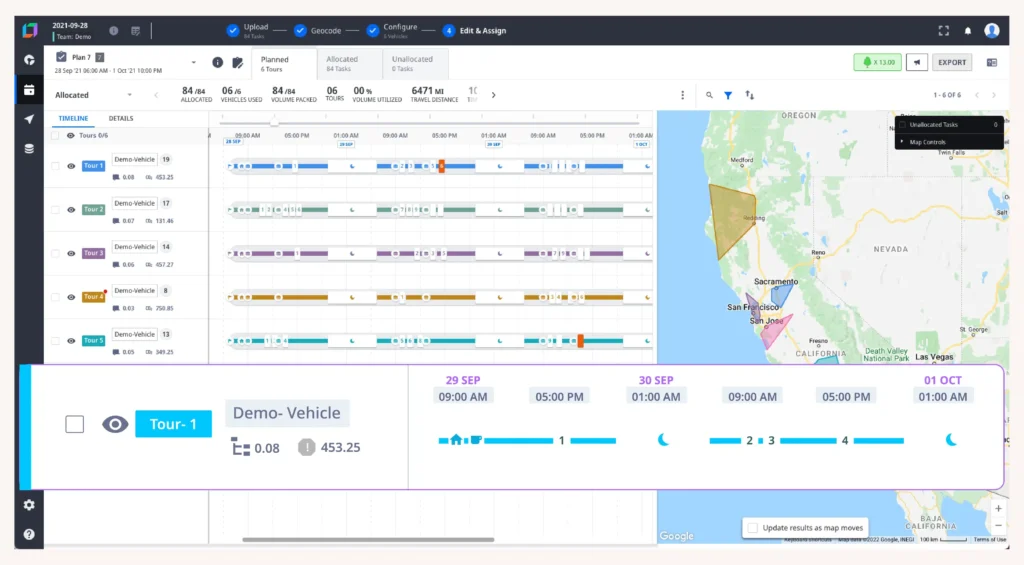
Inefficient routes can lead to longer delivery times, higher transportation costs, and a poor customer experience. This becomes especially challenging during peak seasons or promotional events when order volumes spike, adding to the logistical complexities.
Investing in a route planning software that automatically handles real-world constraints—such as order details, fleet type, vehicle capacity, driver preferences, customer locations, and time slots—can drastically improve mid-mile efficiency. It ensures that Service Level Agreements (SLA) are met, repeat trips are minimized, and a single driver can fulfill multiple orders. This optimization helps cut down travel distances, reduce the number of visits per truck and driver, and enhance overall cost efficiency.
4. Improve Delivery Capacity Management
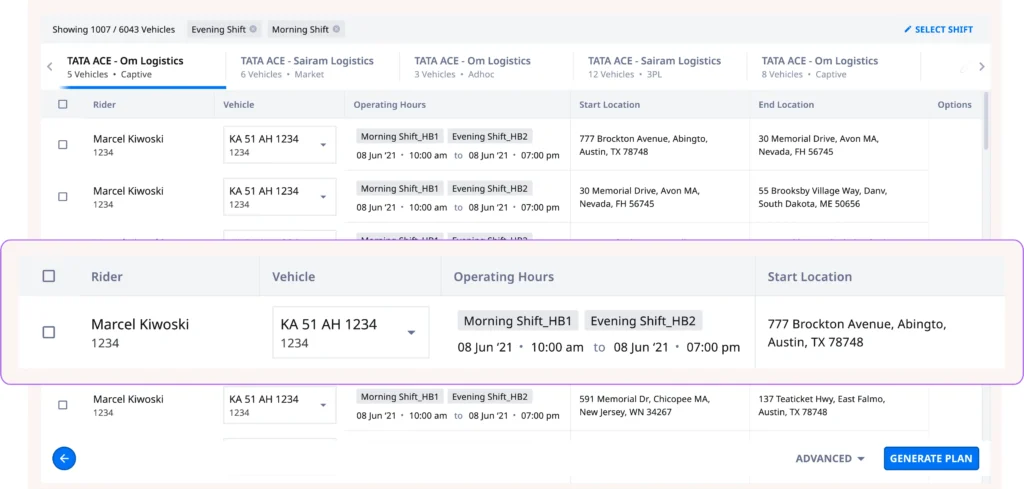
When it comes to delivery capacity management, two major challenges often arise: misjudging capacity needs and a lack of visibility into driver and vehicle availability. These issues can lead to operational disruptions, reduced service availability, and increased costs per fulfillment—especially when factors like holidays and driver wellness leaves aren’t adequately accounted for.
To overcome these hurdles, investing in a multicarrier parcel management solution is crucial. Such a solution allows for an intelligent mix of vehicle types suited for each order and provides visibility into driver and vehicle availability across teams and locations. This ensures optimal fleet utilization, prevents overbooking or underutilization, and keeps costs in check, whether during peak shipping seasons or quieter times.
5. Consistent Carrier Selection and Ease in Contract Reconciliation
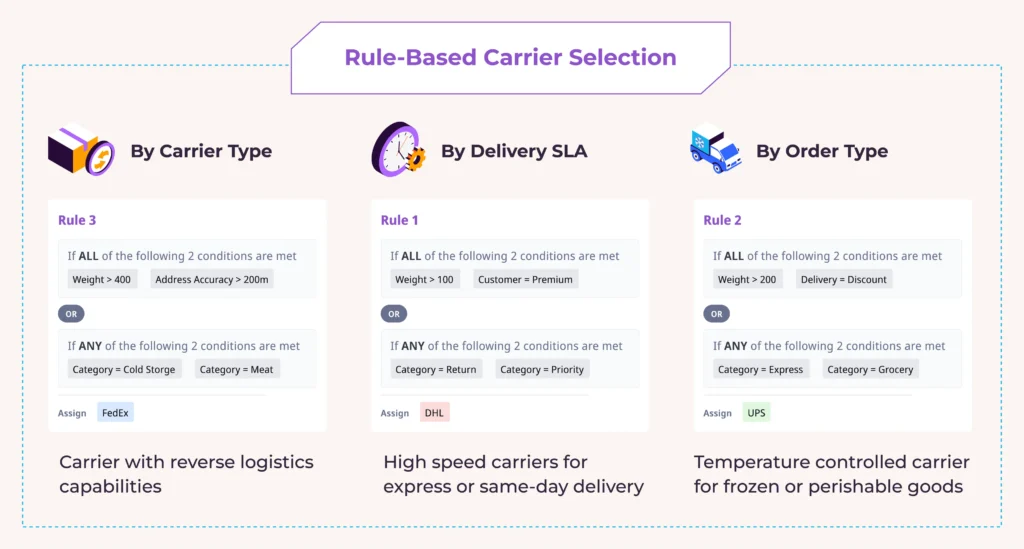
Mid-mile logistics often require a hybrid use of different fleet types—whether owned, outsourced, or contracted. Partnering with various carriers or transporters means navigating varied price ranges and pricing models, which can impact profit margins and logistics budgeting, especially with fluctuating shipping costs. Poor carrier selection or mismanagement of multiple carrier relationships can consume valuable time and decrease overall logistics efficiency.
By investing in a carrier management solution, businesses can optimize their carrier selection with comparative quotes, ensuring the best decisions based on cost and serviceability. This approach consolidates transporter activities onto a single dashboard, providing real-time updates on proof of delivery, trip statuses, invoices, delays, and delivery exceptions. The result is a more streamlined collaboration between retailers and transporters, significantly boosting logistics efficiency.
Read Also: The Math Behind Captive vs Outsourced Fleet
Locus: Enabling Enterprises to Elevate their Mid-mile Logistics Efficiency
In today’s complex world of mid-mile logistics, where moving goods from warehouses to distribution centers or retail outlets is a critical task, relying on traditional methods just doesn’t cut it anymore. These old ways often get bogged down with issues like inefficient routes, underutilized vehicles, and the constant struggle to keep track of everything in real-time. That’s where Locus’ tech logistics platform comes in. It’s designed to tackle these challenges head-on by using smart algorithms and real-time data to optimize every step of your mid-mile operations. Whether it’s making sure shipments are routed the best way, vehicles are fully loaded, or delays are kept to a minimum, Locus helps streamline the entire process, saving you both time and money.
But what makes Locus really stand out is how easily it fits into your existing systems—whether it’s a Warehouse Management System (WMS), Transportation Management System (TMS), or Enterprise Resource Planning (ERP) system. Locus integrates seamlessly, ensuring you can start seeing the benefits right away. Plus, it’s secure, so your data stays protected. And because it’s designed to deliver value quickly, you won’t have to wait long to see improvements in your logistics efficiency. It’s a game-changer for any business looking to elevate its mid-mile operations.
Eager to find out how Locus offerings can amplify your revenues from mid-mile and elevate its efficiency? Schedule a demo with us!


Locus for Retail
Locus for Retail Dispatch Planning

Aug 22, 2024
Discover how Locus transforms retail dispatch planning with AI-powered automation. Cut costs, meet SLAs, and streamline deliveries for retail enterprises.
Read more
Locus for Retail
Locus for Retail: Improve CX and Logistics Operations with Actionable Insights

Sep 6, 2024
Learn how a cutting edge logistics analytics solution can provide actionable insights to improve business performance for retail
Read moreInsights Worth Your Time




















Acing Mid-Mile Logistics For Retailers in the US