
Locus Fireworks Routing for Real-World Delivery
Enterprise AI route planning solution built for on-ground complexity.
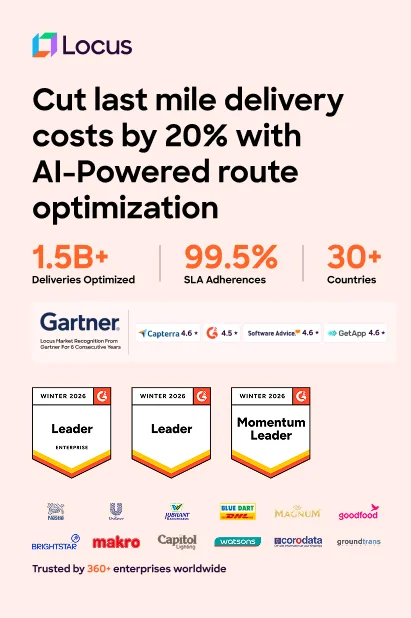
Stop overpaying on fuel, fleet, and overtime. Locus reduces miles traveled by up to 34% while maintaining 99.5% SLA adherence during demand spikes, disruptions, and daily execution variability.
- Build optimal routes in minutes with AI trained on 1.5B+ deliveries
- Gain 100% visibility on drivers, routes, and SLA risks
- Auto-optimize routes with dispatch routing across 250+ real-world constraints
- Plan multi-stop, multi-pickup, multi-drop routes with precision

Trusted By 360+ Global Enterprises










Solve Complex Routing Challenges With AI-Powered Logistics Route Optimization Software
Route Planning Software That Reduces Miles by Up to 34%
AI Route Optimization + Geocoding
Locus logistics routing software uses AI/ML to build efficient, driver-friendly routes by combining historical delivery patterns, live traffic, and precise route mapping.
- Smart zoning & geofencing to lift drop density by 25%
- Reduces backtracking, deadhead, and total miles traveled
- Produces predictable routes which drivers trust and follow
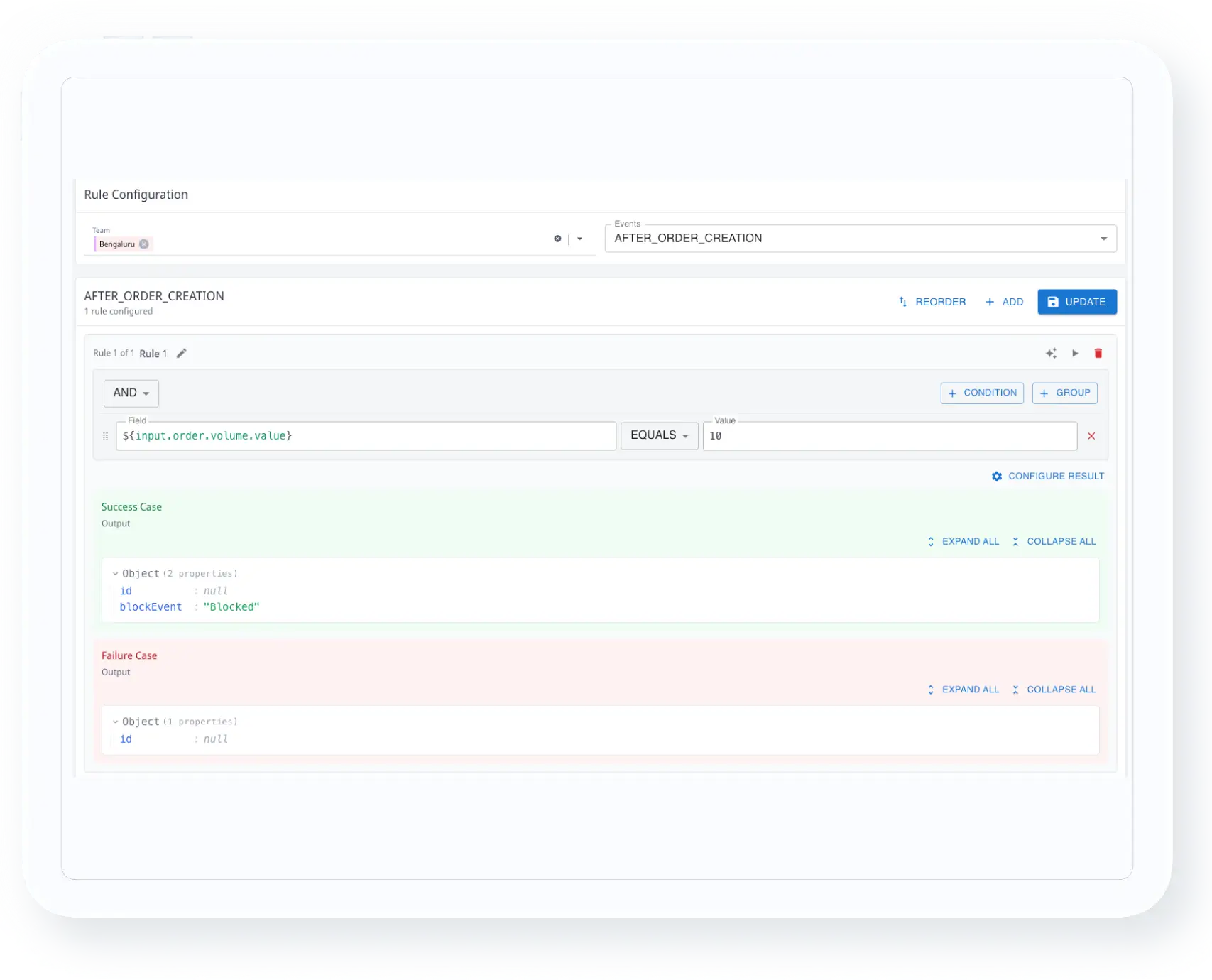
Protect SLAs with up to 99.5% adherence
Real-World Constraint Engine (250+ constraint parameters)
A powerful rules engine ensures every route respects operational, legal, and customer constraints, critical for teams needing a compliant logistics route planner for daily execution.
- Plans with time slots, service times, one-ways, traffic rules, vehicle limits & driver availability
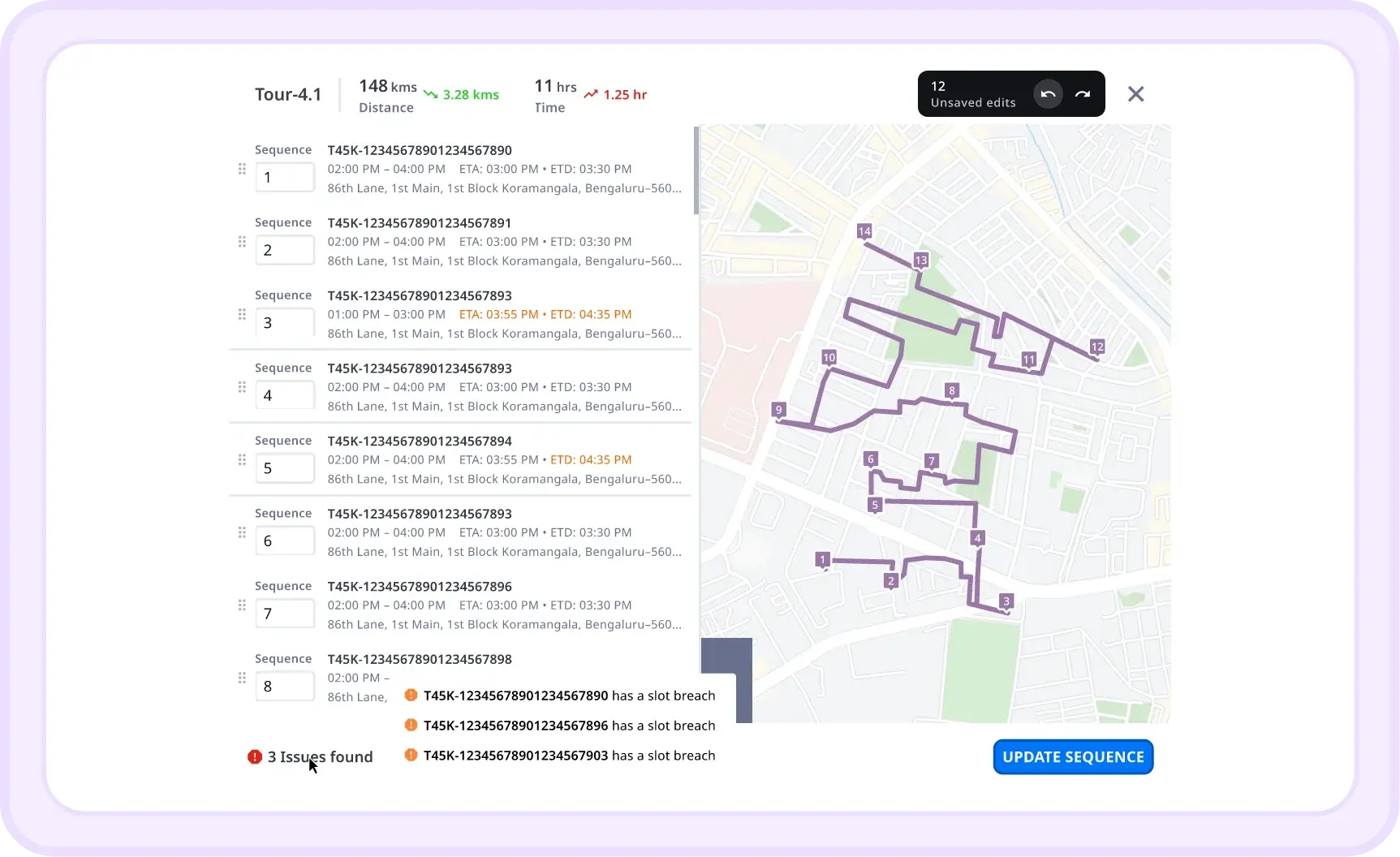
- Prevents SLA breaches with executable routes
- Builds predictable, compliant plans daily
Stay on schedule with up to 99% on-time delivery
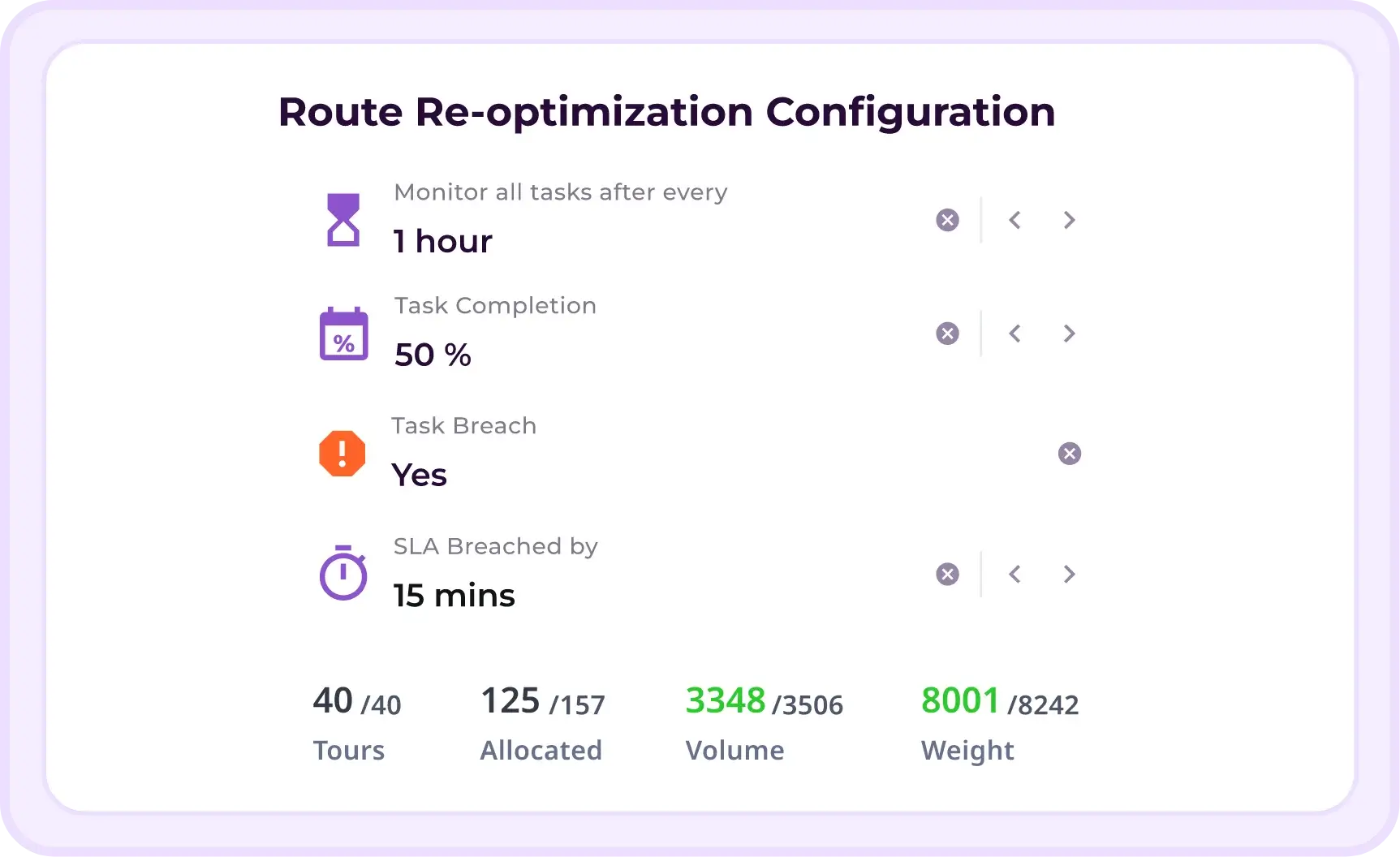
Dynamic, Real-Time Re-Optimization
Locus route scheduling software continuously adjusts route scheduling as your day changes, without manual intervention.
- Instantly recomputes routes during delays
- Keeps ETAs accurate amid traffic & demand spikes
- Rebalances workload to protect OTD performance
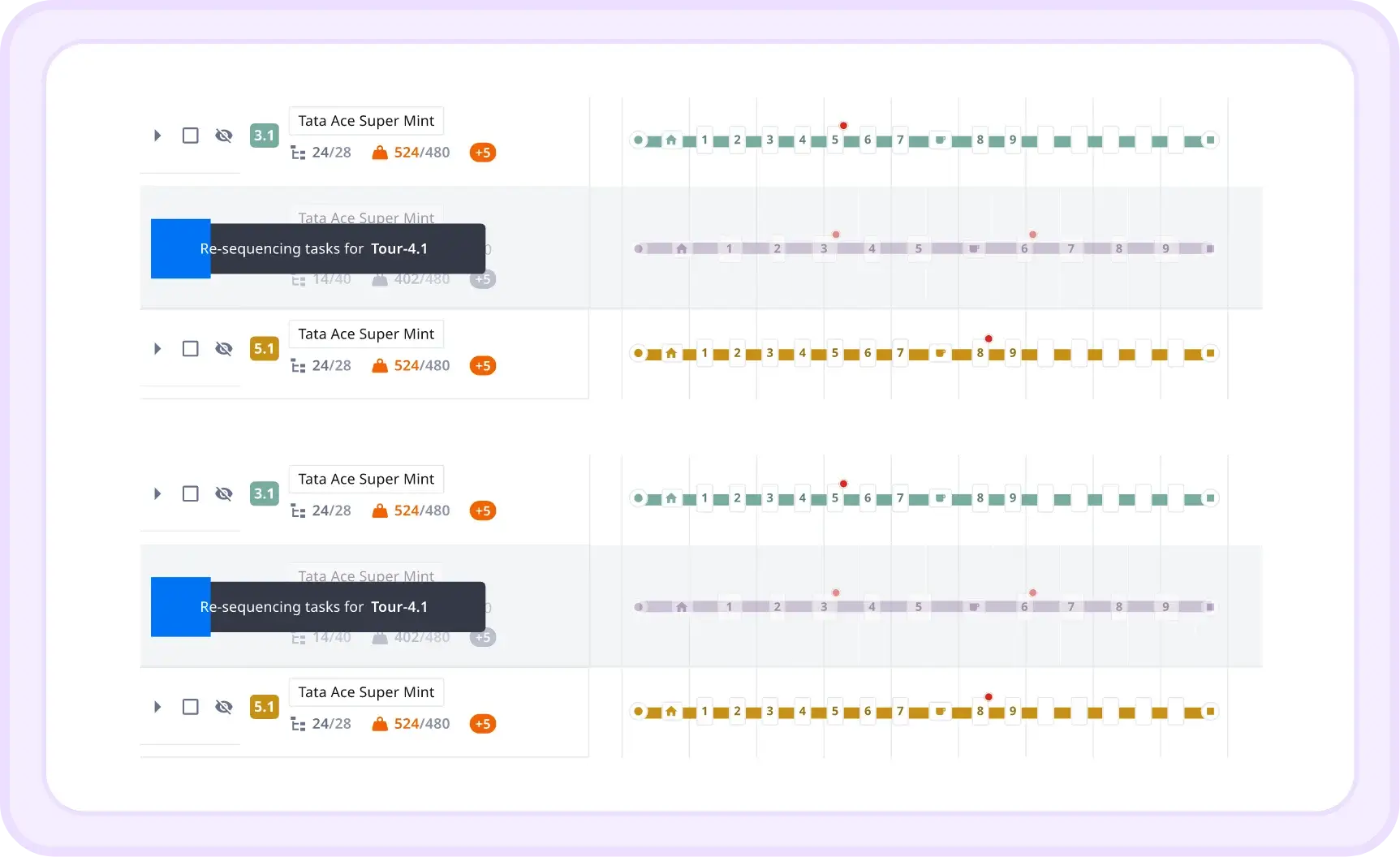
Maximize fleet utilization up to 90%
Vehicle/Driver-Aware Routing + Multi-Pickup/Multi-Drop
Optimise vehicle and driver assignments using logistics route optimization software to do more with the same fleet.
- Assign right orders to right vehicles & drivers effortlessly
- Up to 28% fewer trips via order clubbing, multi-pickup/drop, and returns on the same route
- Cut turnaround time & increase productive stops per trip by 18%
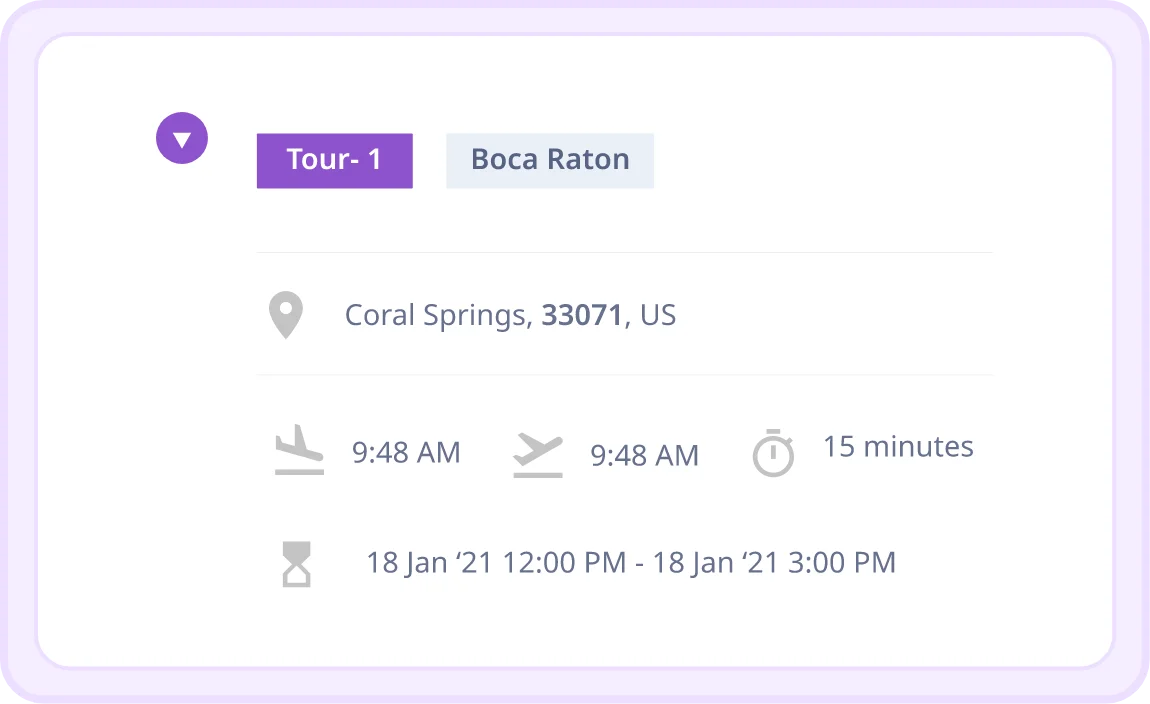
Resolve exceptions faster with live tracking & real-time alerts
Remote Dispatch + Track & Trace
Critical for operational teams handling dispatch routing and same-day deliveries.
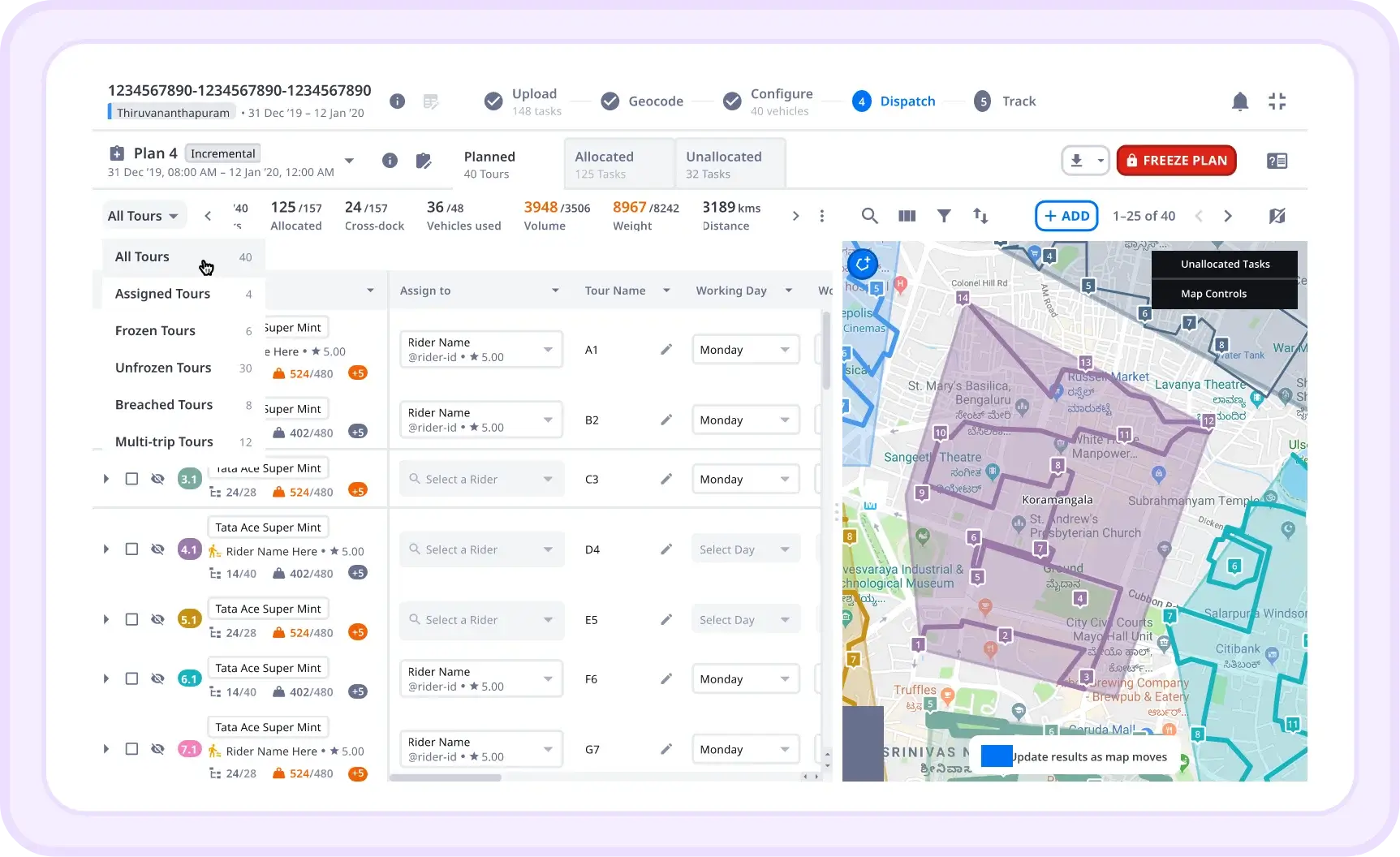
- Live tracking of drivers, stops, and SLA risks
- Push instant alerts to riders for disruptions
- Enable remote reassignments and route corrections
Lower end-to-end supply chain costs by up to 20%
First-to-Last Mile Multi-Leg Planning
End-to-end route planning across first, middle, and last mile.
- Optimize routes across warehouse → hub → store → customer
- Reduce empty miles across the network
- Maintain one source of truth across all legs
Route Planning Software That Reduces Miles by Up to 34%
AI Route Optimization + Geocoding
Locus logistics routing software uses AI/ML to build efficient, driver-friendly routes by combining historical delivery patterns, live traffic, and precise route mapping.
- Smart zoning & geofencing to lift drop density by 25%
- Reduces backtracking, deadhead, and total miles traveled
- Produces predictable routes which drivers trust and follow
Protect SLAs with up to 99.5% adherence
Real-World Constraint Engine (250+ constraint parameters)
A powerful rules engine ensures every route respects operational, legal, and customer constraints, critical for teams needing a compliant logistics route planner for daily execution.
- Plans with time slots, service times, one-ways, traffic rules, vehicle limits & driver availability
- Prevents SLA breaches with executable routes
- Builds predictable, compliant plans daily
Stay on schedule with up to 99% on-time delivery
Dynamic, Real-Time Re-Optimization
Locus route scheduling software continuously adjusts route scheduling as your day changes, without manual intervention.
- Instantly recomputes routes during delays
- Keeps ETAs accurate amid traffic & demand spikes
- Rebalances workload to protect OTD performance
Maximize fleet utilization up to 90%
Vehicle/Driver-Aware Routing + Multi-Pickup/Multi-Drop
Optimise vehicle and driver assignments using logistics route optimization software to do more with the same fleet.
- Assign right orders to right vehicles & drivers effortlessly
- Up to 28% fewer trips via order clubbing, multi-pickup/drop, and returns on the same route
- Cut turnaround time & increase productive stops per trip by 18%
Resolve exceptions faster with live tracking & real-time alerts
Remote Dispatch + Track & Trace
Critical for operational teams handling dispatch routing and same-day deliveries.
- Live tracking of drivers, stops, and SLA risks
- Push instant alerts to riders for disruptions
- Enable remote reassignments and route corrections
Lower end-to-end supply chain costs by up to 20%
First-to-Last Mile Multi-Leg Planning
End-to-end route planning across first, middle, and last mile.
- Optimize routes across warehouse → hub → store → customer
- Reduce empty miles across the network
- Maintain one source of truth across all legs
Experience the Impact of Locus Intelligent Route Scheduling with a Complimentary Simulation
See what your delivery network could achieve with Locus through a tailored simulation built around your operational priorities.
Your custom simulation can reveal:
- Up to 34% reduction in delivery distance & fuel usage
- Up to 23% increase in drop density and route productivity
- Up to 99% on-time delivery through smarter planning
- Up to 90% fleet utilization with optimized assignments
- Lower dispatch costs via automated planning & route mapping
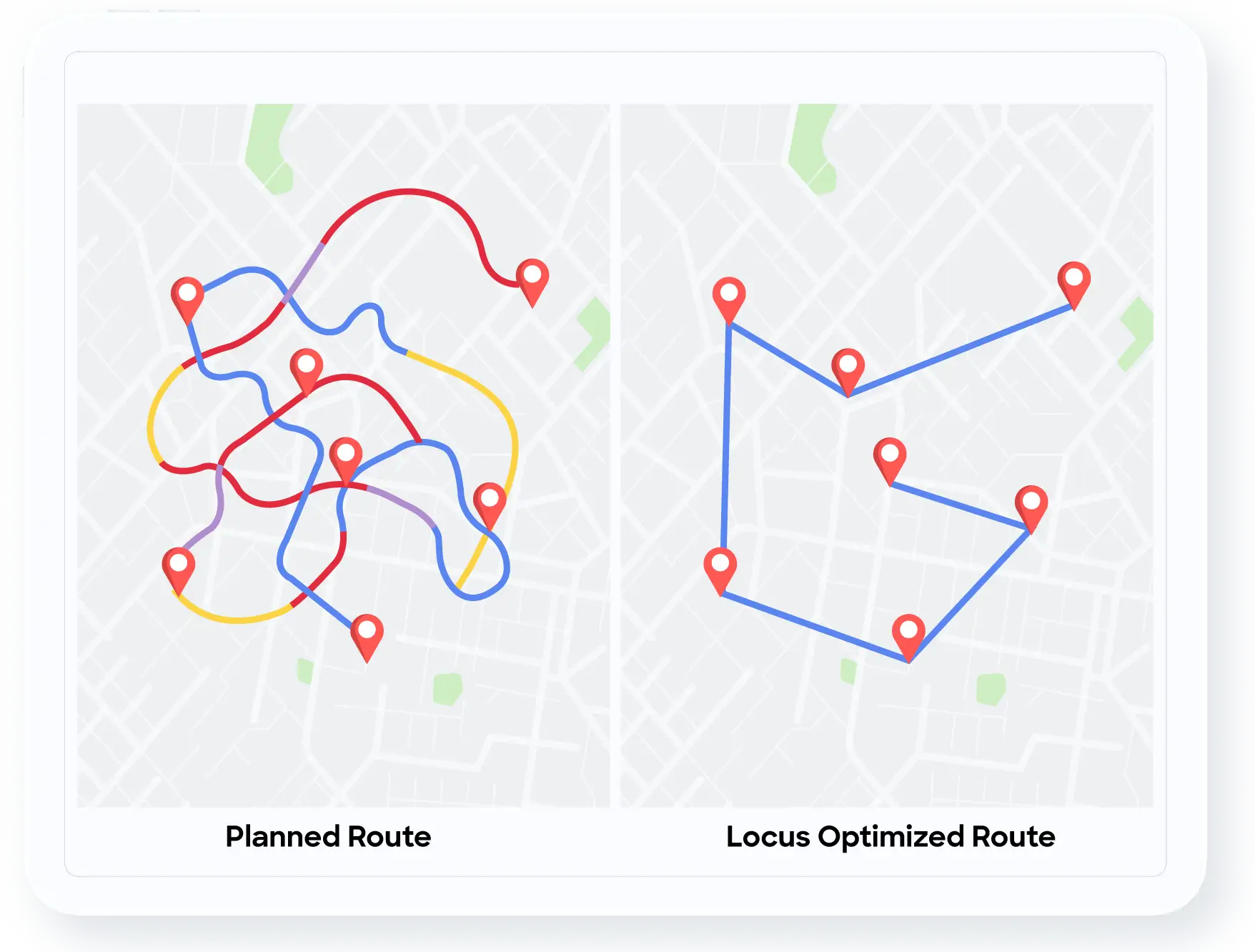
Why Locus is the Best Route Planning Software for Enterprise Delivery Ops

66% Reduction in Planning Time
We needed a partner who could scale with our growth, and Locus delivered. We grew from 500 to 4,000 trucks, while Locus enabled a nationwide rollout in just six months and boosted fleet efficiency by 24%.
Sarun Pipattanapongsopon
Associate Director, Last-Mile Logistics & Supply Chain Transformation
100% Delivery Visibility
We use Locus for real-time tracking of delivery shipments. This provides us transport visibility, helping us manage trucks more closely and proactively detect the possible issue and update delivery status to customers. In addition, the E-POD management solution saves us a lot of time and effort, as all information is stored on the Locus platform. We are glad to be working with Team Locus.
Ly Trung Kien
Group Logistics Manager
35% Reduction in Delays
Your solution has been excellent for our organization. We use multiple stores and multiple trucks and this can be a little complicated but Locus makes this easy. The Locus team has been really responsive and never lets an issue impact our customers. We appreciate the partnership and professionalism from the Locus team and have recommended this solution to other businesses.
Paul Adams
Chief Operating Officer
Locus routing software cuts costs, boosts productivity, and ensures SLA adherence with precision route planning. It automates deliveries, optimizes fleets, and elevates customer experience—seamlessly integrating with TMS, OMS, WMS, and ERP to streamline logistics and scale faster.
Total deliveries optimized
Savings in logistics costs
Clients served
Reduction in GHG emissions
Unlock Up to 34% Better Routing Efficiency With a Complimentary Simulation
Impactful Enterprise Stories: 360+ and Expanding

99.5% SLA Adherence for Leading E-Grocery Platform

100% Order-Fulfillment Visibility for Fashion E-com

34% Distance Reduction for PT. Tigaraksa Satria