


E-Commerce
12 Strategies for Ecommerce Shipping in a Changing Landscape

Key Takeaways
- Build a strong ecommerce shipping strategy to reduce cost volatility and improve delivery consistency across regions.
- Set clear routing rules, carrier choices, and fulfillment models to shape daily shipping performance.
- Use real-time visibility and predictive delivery windows to cut delays and failed delivery attempts.
- Track core shipping metrics to spot issues early and correct them before they spread.
- Rely on Locus to strengthen planning, routing, and visibility for a more stable ecommerce shipping workflow.
Ecommerce shipping has many moving parts, and teams need a defined approach to keep costs and delivery times under control. A shipping strategy provides that structure by clarifying how orders are fulfilled, how carriers are used, and how routing decisions are made.
This guide explains the practical methods ecommerce operators rely on to manage shipping costs and improve delivery accuracy. It also shows how Locus supports planning, routing, and real-time adjustments for high-volume operations.
Common Ecommerce Shipping Challenges
Before you pick a shipping strategy, it helps to recognize the issues that trigger the search in the first place. Teams often find themselves saying things like “we need faster deliveries,” “our shipping costs are too high,” or “why didn’t we notify the customer earlier.” These questions are early signals that shipping performance is unstable.
These are symptoms of deeper gaps in fulfilment timing, routing logic, and communication. Below are the challenges behind these frustrations and the steps that help stabilize shipping performance.
1. Slow Deliveries Due to Poor Fulfillment Timing
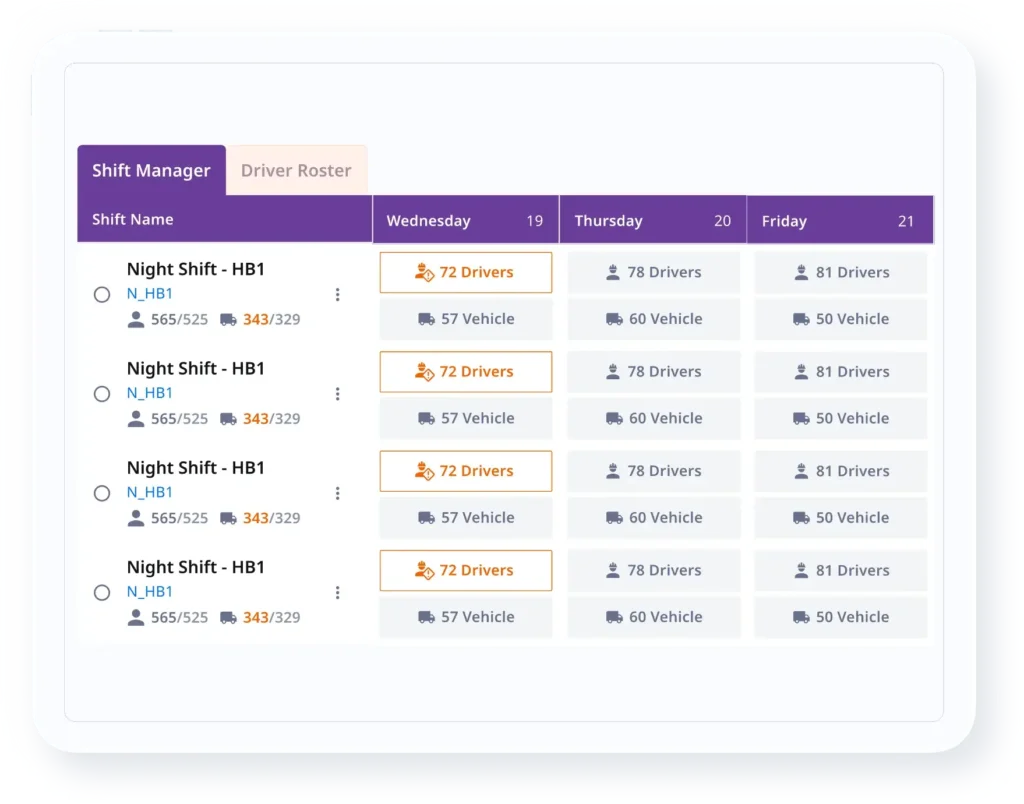
Orders spend too much time waiting for pick-and-pack. Cut-off times shift without clear ownership. Routing follows the same logic every day, even when peak volumes need different rules.
Solution: Set clear rules for when orders must leave each node and use time-aware routing. A simple structure around cut-offs, batching, and vehicle capacity often improves delivery speed more than adding new carriers.
2. High Shipping Costs Driven by Reattempts
Routes cover long distances with too few stops. Packaging increases dimensional weight. A single carrier handles most regions, even when rates do not align. Reattempts raise the cost per shipment.
Solution: Look at the cost per order by region, carrier, and route pattern. Then adjust the carrier mix, zone-based routing, and packaging rules rather than making broad cuts. Small changes here often bring the sharpest savings.
3. Missed Customer Notifications
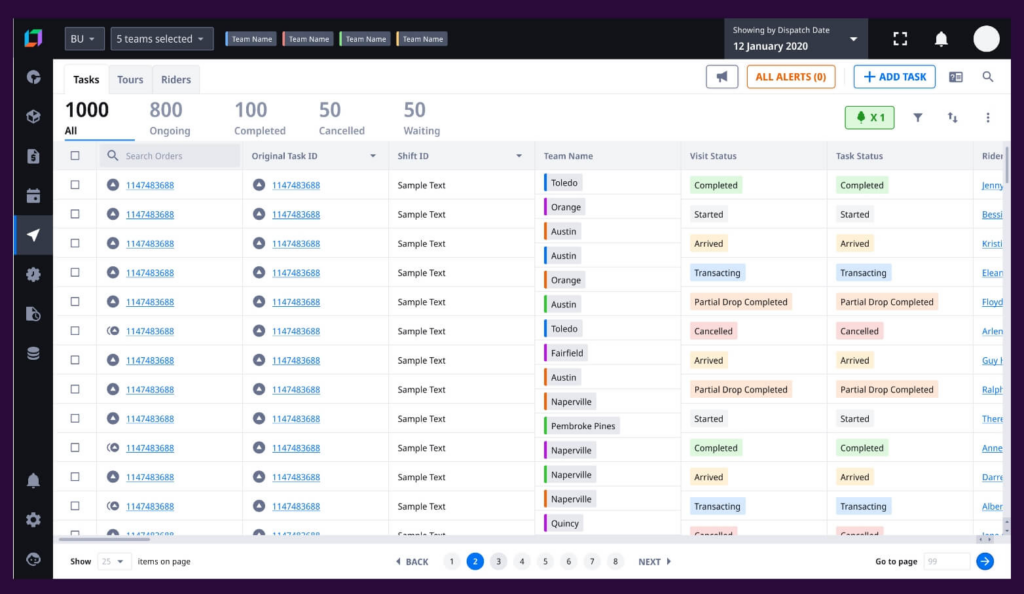
Tracking data reaches different teams at different times. Operations sees a delay inside the routing or dispatch tool, but customer support does not see the same update because their system is separate.
Since there is no shared view showing which orders are late or at risk, support cannot notify customers until the issue becomes visible on their side. By then, the customer often reaches out first.
Solution: Centralize tracking, route progress, and risk alerts in one live environment. When both operations and support use the same real-time feed, teams can address delays early and send accurate notifications before customers ask.
4. Regional SLA Failures
The same planning rules are used for very different regions. Local traffic patterns and delivery windows are not reflected in routing. Carrier performance is not tracked at a zone or lane level.
Solution: Treat each region as its own operating zone. Set regional SLA targets, track lane-level performance, and choose carriers based on local reliability. This reveals the actual cause of failures and improves consistency over time.
How to Choose the Right Ecommerce Shipping Strategy (Framework)
Choosing a shipping strategy is easier when you break the process into a few practical steps. The goal is to understand what your operation needs, identify gaps, and determine which methods will deliver the most predictable results.
| What to Evaluate | What It Means | Why It Is Needed |
|---|---|---|
| Demand patterns | Review order volume by region, time of day, and SKU movement. | Helps you place inventory closer to demand and choose the right fulfilment model. |
| Delivery complexity by region | Compare urban, semi-urban, and rural zones and the constraints in each. | Helps your ecommerce shipping strategy align with the real conditions in every region. |
| Cost per order | Measure shipping cost by carrier, zone, distance, and route pattern. | Shows where you lose money and which parts of your ecommerce delivery strategy need changes. |
| Fulfilment model fit | Decide if shipping from store, micro fulfilment, or regional hubs works for your volume. | Reduces lead times and supports a stable ecommerce shipping logistics setup. |
| Routing and carrier rules | Define how orders are routed and which carrier handles each lane. | Removes guesswork, reduces delivery errors, and improves consistency across the workflow. |
| Exception handling process | Set clear steps for delays, reattempts, and failed deliveries. | Prevents bottlenecks and helps teams act before customers are affected. |
12 Proven Strategies To Reduce Ecommerce Shipping Costs
If shipping feels expensive or unpredictable, it often comes back to how orders are fulfilled, routed, or handed to carriers. These 12 strategies below focus on the areas that usually move the needle most.
Use Data-Driven Carrier Selection
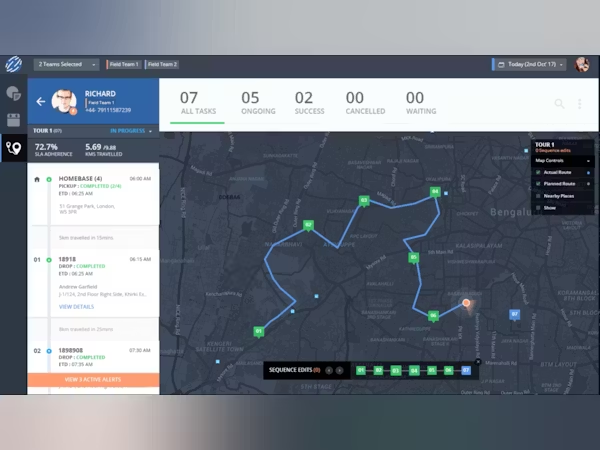
Carrier choice influences both cost and delivery time. The 2024 Pitney Bowes Parcel Shipping Index shows delivery reliability can differ by over 20 percent between regions for the same carrier. This is why a single-carrier setup often creates unstable SLAs and unpredictable costs.
A better approach is to compare lanes using real data. Look at cost per zone, reattempt frequency, delivery speed, and exception patterns. When these signals are reviewed together, the right carrier for each region becomes clear.
Platforms like Locus help by showing regional behaviour, historic performance, and cost trends in one place, so teams can choose carriers based on evidence instead of assumptions.
Improve Order Clustering and Delivery Density
Density is one of the biggest drivers of cost. McKinsey notes that improving delivery through denser clustering is important for reducing costs, especially as customer expectations for faster, more frequent deliveries increase. The simplest way to improve it is to align orders by zone, time window, and vehicle type so routes stay compact.
Ways to improve density:
- Combine nearby orders into the same batch
- Prioritize routes with high stop potential
- Adjust cut-off times to release larger batches together
- Use tools like Locus to form clusters based on real demand patterns
Optimize Packaging to Reduce Dimensional Weight Costs
Many teams pay more than they should because their packaging adds unnecessary volume. Small increases in box size can shift a shipment into a higher billable weight bracket. For example, a lightweight apparel item in an oversized box often costs more to ship than the item itself.
To control this, update your carton sizes to match your SKU dimensions, remove box options that are consistently too large for your products, and review the SKUs that trigger the highest dimensional weight fees.
Adopt Flexible Fulfillment Models to Cut Lead Times
Long lead times often result from using a single central fulfilment point for all orders, even when regions have very different delivery patterns.
Use a mix of ship-from-store, micro-fulfilment, and regional hubs. Place popular SKUs closer to high-demand areas. When you do this, the delivery distance shrinks, routes get shorter, and SLAs improve.
Improve Route Management With AI-Based Planning
Routing becomes expensive when plans ignore traffic, cut-off times, capacity limits, or the day’s order mix. AI-based planning brings these signals together, keeping routes realistic and efficient. This helps reduce distance, avoid late starts, and improve delivery timing.
How this helps:
- Shorter routes with fewer empty miles
- Better alignment with promised delivery windows
- Lower reattempts and route disruptions
- More predictable cost per shipment
Platforms like Locus use live factors, such as location data, capacity, and order priority, to build routes that reflect real operating conditions.
Use Real-Time Shipment Visibility to Prevent Delays
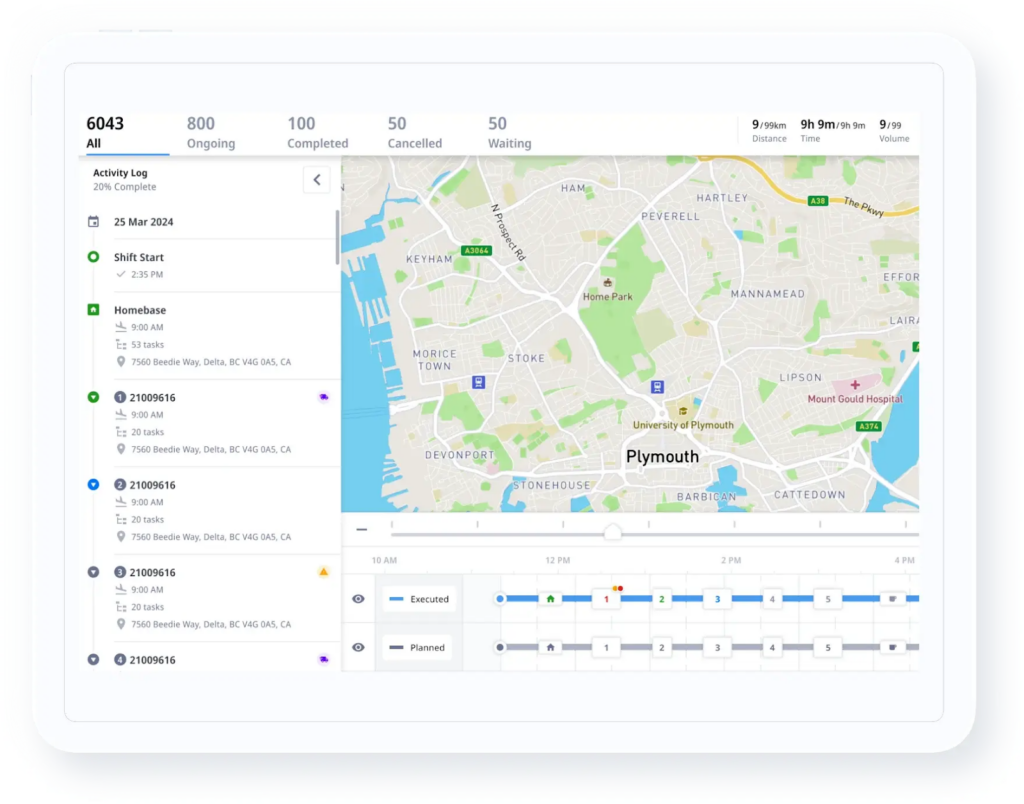
Real-time visibility becomes effective when it directly shapes how teams respond to delays. Use it to flag at-risk orders early, adjust routes while drivers are still on the road, and notify customers only when actual route changes occur.
Give operations, dispatch, and support the same live view so decisions move faster and do not rely on manual updates.
Platforms like Locus support this by combining live tracking, route progress, and delay alerts in one place, making it easier to act before an SLA is missed.
Build a Sustainable Free Shipping Strategy
??Free shipping can boost conversions, but without limits, it quickly erodes margins. The most straightforward approach is to start with a threshold tied to your average order value, apply it only to stable delivery zones, and exclude items that consistently push dimensional weight above the threshold.
As you gather more data, adjust the threshold by region or product type. Platforms like Locus help you monitor cost per shipment so the strategy stays profitable as order volume changes.
Strengthen Reverse Logistics to Reduce Waste
Returns add cost when pickups, inspections, and restocking run on separate tracks. A simple way to control this is to merge return pickups with forward routes where possible, set clear rules for which items go back to stock, and speed up inspection for fast-moving SKUs.
This shortens the return logistics cycle and reduces handling time.
Improve Warehouse-to-Delivery Coordination
Shipping problems often start before the order leaves the warehouse. Late cut-offs, manual prioritization, and disconnected systems cause delays. Using a rules-based system for order release, load sequencing, and picking improves readiness.
When warehouses and dispatch teams operate on the same platform, processing time drops, and same-day shipping becomes more reliable.
Use Predictive Delivery Windows to Reduce Failed Attempts
Failed deliveries often occur when customers receive broad or outdated delivery windows. Predictive windows, built from live route progress and past delivery patterns, give customers a realistic arrival time so they plan accordingly.
This reduces missed attempts and keeps routes stable. Platforms like Locus support predictive delivery windows by combining location data, route behaviour, and delivery history to produce more accurate windows.
Centralize Dispatch Management to Remove Manual Errors
Manual dispatching creates inconsistent decisions, especially on high-volume days. Centralizing dispatch management gives your team one place to assign orders, check capacity, and apply the same rules across every region.
Use a single dispatch system that applies shared rules for capacity, priority, and regional constraints. When teams plan in one environment, orders are assigned faster, decisions remain consistent, and manual errors drop sharply.
Key Metrics to Track in Ecommerce Shipping
Key shipping metrics help you evaluate delivery timing, cost per order, route efficiency, and first-attempt success. Tracking them shows where delays start and where costs rise. The table below explains each metric and why it matters.
| Metric | What It Shows | Why It Matters | Formula |
|---|---|---|---|
| On-time delivery rate | Percentage of orders delivered within the promised window. | Helps identify routing delays, carrier issues, and fulfilment gaps. | (On-time deliveries ÷ Total deliveries) × 100 |
| First-attempt success rate | How often orders are delivered on the first attempt. | Reattempts add cost and disrupt routes. This tracks delivery predictability. | (Successful first attempts ÷ Total delivery attempts) × 100 |
| Cost per shipment | Total cost of moving one order, including transport, surcharges, and reattempt costs. | Shows where costs rise and which lanes need changes in routing or carrier choice. | Total shipping cost ÷ Number of shipments |
| Delivery density | Number of stops completed per route. | Higher density reduces distance, fuel use, and time per order. | Total stops completed ÷ Total routes |
| Vehicle utilisation | How much of the vehicle’s capacity is used during delivery. | Underuse increases cost per order and wastes capacity. | (Used capacity ÷ Total vehicle capacity) × 100 |
| Exception rate | How often routes deviate, orders delay, or deliveries fail. | High exceptions signal recurring operational issues. | (Total exceptions ÷ Total orders) × 100 |
A strong ecommerce shipping strategy uses these metrics to adjust routing rules, improve fulfilment timing, and refine carrier choices.
How Locus Strengthens the Core Elements of Your Shipping Strategy
A solid ecommerce shipping strategy brings structure to the areas that cause the most disruption: routing, fulfilment timing, carrier choice, and real-time control. When these parts work together, delivery becomes more predictable, cost per order stays stable, and teams spend less time reacting to delays. The strategies outlined in this guide help create that structure without adding new layers of complexity.
Locus supports these goals by improving how teams plan routes, allocate orders, and monitor delivery performance. With a single environment for planning and visibility, operations remain consistent even when order volume or regional conditions change.
If your organization is preparing for growth, this is a good stage to review your shipping workflow and strengthen the processes that influence daily performance.
Book a demo to find out how Locus can improve your shipping workflow.
Frequently Asked Questions (FAQs)
1. What is an ecommerce shipping strategy?
It is a structured plan for how orders move from fulfilment to the customer. It defines routing rules, carrier use, delivery windows, communication steps, and cost controls across regions.
2. What are the main benefits of having a defined shipping strategy?
It gives teams predictable delivery timing, better cost control, consistent routing, and fewer manual decisions. It also helps operations scale cleanly during peaks.
3. How do I know if my current shipping strategy needs an update?
If delivery timing varies by region, reattempts increase, or cost per order rises without an apparent reason, your strategy likely needs a review.
4. Is a shipping strategy only for large ecommerce brands?
No. Even smaller teams benefit from clear rules for routing, cut-off times, and carrier selection. Structured processes reduce dependency on manual judgment.
5. Who should own the ecommerce shipping strategy inside a company?
Usually, operations or logistics leads own it, with input from finance, customer support, and ecommerce teams to balance cost, delivery experience, and service levels.


General
10 Best Hyperlocal Delivery Management Software in 2025

Nov 27, 2025
Discover the top hyperlocal delivery management software platforms. Compare tools that help businesses optimize local deliveries and operations.
Read more
General
6 Best Pharmacy Delivery Software in 2025
Dec 2, 2025
Compare the top pharmacy delivery software of 2025 and see why Locus leads with AI-powered dispatching, real-time visibility, and compliance-ready workflows.
Read moreInsights Worth Your Time




















12 Strategies for Ecommerce Shipping in a Changing Landscape