


Logistics Software
10 Best Vehicle Routing Software for Fleet Efficiency in 2026


In the world of modern logistics, particularly in the supply chain, where time is currency and customer expectations are at an all-time high, integrating with existing systems for efficient routing is no longer a luxury, it’s a necessity. Vehicle routing software (VRS), often considered the best route planning software, is one of the most important tools in a logistics manager’s arsenal, solving complex delivery challenges while improving customer experience, reducing costs, and boosting resource utilization, ultimately focusing on improving efficiency. This is where dynamic route optimization plays a crucial role, ensuring routes are continuously adjusted for efficiency and customer satisfaction.
This article explores what vehicle routing software is, how it works, and the top 10 routing software available in the market today, including the best route optimization software and routing management system for the supply chain. and why Locus stands out as the most intelligent and scalable option.
Editorial Methodology
This comparison evaluates vehicle routing software through an operational lens, not just a feature checklist. Each platform is assessed based on:
- Routing sophistication: Support for multi-stop, multi-vehicle, multi-depot, capacity-aware, and time-window-based routing.
- Constraint handling: Ability to model delivery windows, vehicle capacity, driver shifts, service time, skills, priority orders, territories, depot rules, and SLA commitments.
- Dynamic adaptability: Real-time re-optimization when traffic, cancellations, delays, new orders, or driver exceptions occur.
- Dispatch execution: Auto-dispatch, driver app support, route adherence tracking, proof of delivery, barcode scanning, and delivery status updates.
- Visibility and customer experience: Live tracking, predictive ETAs, automated customer notifications, and exception alerts.
- Analytics: Reporting on fleet productivity, route adherence, cost-to-serve, SLA performance, failed delivery patterns, and utilization.
- Integration readiness: Connectivity with OMS, WMS, TMS, ERP, e-commerce, telematics, and customer communication platforms.
- Pricing accessibility: Published pricing, pricing model clarity, and suitability for SMB, mid-market, or enterprise operations.
For buyers building a shortlist, this guide should be used alongside a proof of concept using your own order data, constraints, fleet types, territories, and SLA rules. You can also use this resource on how to choose the right route planning software to structure vendor evaluation criteria.
Top 10 Vehicle Routing Software Platforms: Overview
| Software | Best For | Key Features | Pricing | Rating |
|---|---|---|---|---|
| Locus | Enterprise AI-powered logistics | 180+ constraints, live tracking, analytics | Starts at $150/mo | ? 4.9 |
| OptimoRoute | Complex multi-day routing | Skill mapping, multi-day planning | From $35/vehicle | ? 4.6 |
| Routific | SMB delivery optimization | Clean UI, ETA notifications, timeline view | Starts at $150/mo | ? 4.8 |
| Upper | Growing delivery teams | Batch import, POD, driver notes | From $120/mo | ? 4.6 |
| Circuit | Small team delivery management | Route balancing, live tracking | From $100/mo | ? 4.7 |
| Route4Me | Modular and configurable routing | Add-ons, territory planning, depot support | From $400/mo | ? 4.4 |
| Onfleet | Full last-mile operations | Auto dispatch, barcode scanning, analytics | From $599/mo | ? 4.7 |
| Bringg | Connected logistics orchestration | Live APIs, BOPIS, driver performance tools | Custom pricing | ? 4.5 |
| WorkWave | Field services and local delivery | Recurring routes, drag-and-drop scheduler | From $49/user/mo | ? 4.4 |
| Track-POD | Delivery + proof of delivery | POD, live ETA, driver app | From $29/mo | ? 4.3 |
What is Vehicle Routing Software?
Vehicle routing software is a logistics tool designed to automate and optimize delivery route mapping for fleets, enhancing route optimization and reducing fuel consumption, while addressing key challenges in route efficiency. It solves what’s known as the Vehicle Routing Problem (VRP), which involves finding the most efficient routes for multiple vehicles delivering to multiple destinations, under real-world constraints.
A modern VRS doesn’t just calculate the shortest route but also incorporates efficient scheduling for delivery, making it an essential tool for route planners. It intelligently balances a range of variables—including real-time alerts for traffic and weather conditions—by leveraging the technology behind the world’s best route optimization engine.
Key variables considered:
- Delivery time windows
- Traffic conditions
- Vehicle types and capacities
- Priority stops
- Driver skills and schedules
- Depot locations
By doing so, Vehicle Route Scheduling Software ensures fewer miles driven, improving operational efficiency and delivery timing, along with improved customer satisfaction.
Benefits of Vehicle Routing Software
Vehicle routing software improves both planning and execution. For logistics teams, the strongest benefits show up in cost, productivity, SLA adherence, customer experience, and operational control.
1. Lower Last-Mile Delivery Costs
Advanced route optimization helps reduce excess mileage, idle time, fuel use, overtime, and poor vehicle utilization. McKinsey & Company reports that advanced vehicle routing and optimization can reduce last-mile delivery costs by 10–25%.
2. Higher On-Time Performance
Routing software sequences stops around time windows, service duration, customer availability, and traffic conditions. This helps dispatch teams protect delivery promises and reduce SLA breaches. The same McKinsey research indicates that advanced routing can improve on-time performance by 15–30%.
3. Reduced Fleet Mileage
AI-enabled routing engines can evaluate millions or billions of route combinations faster than manual planners. Deloitte states that AI-enabled dynamic routing and dispatching can cut total fleet mileage by 10–30% in complex multi-stop delivery networks.
4. Better Driver Productivity
Real-time route optimization helps drivers complete more stops with less wasted time. Boston Consulting Group reports that real-time route optimization incorporating live traffic and delivery windows can increase driver productivity by 20–30% versus static routing approaches.
5. Lower Fuel Consumption and Empty Miles
When vehicle routing software integrates with telematics and transport systems, teams can improve capacity utilization and reduce inefficient trips. The International Transport Forum, OECD reports that companies integrating vehicle routing software with telematics and TMS platforms can see up to 12% lower fuel consumption and 15% fewer empty or partially loaded miles.
6. Fewer Failed Deliveries
Routing is closely tied to communication. When dynamic routing is combined with customer ETA notifications, teams can reduce missed delivery attempts. Capgemini Research Institute reports that dynamic routing and automated dispatch can reduce failed delivery attempts by 20–40% when combined with customer ETA notifications.
7. Improved Fleet Utilization
Better routing helps teams assign the right orders to the right vehicles, balance workloads, reduce partial loads, and improve asset usage. For operations leaders focused on vehicle productivity, this is one of the clearest ways to improve fleet utilization.
8. Stronger Customer Experience
Accurate ETAs, proactive delay alerts, real-time tracking, and delivery confirmations reduce customer uncertainty. This improves trust and lowers inbound “where is my order?” support volume.
For a deeper explanation of the business case, see this guide on why businesses need route optimization.
Key Features of Locus Vehicle Routing Optimization Software
Designed for scale, complexity, and diverse fleet sizes, Locus offers top-tier vehicle routing software and fleet management solutions. Powered by deep AI and machine learning models, Locus automates the entire route planning for your fleet, from vehicle routing and dispatch to the complete delivery lifecycle.
Feature Highlights:
- AI-Driven Route Optimization: Dynamically considers 180+ constraints including vehicle specs, traffic, service time, customer preferences.
- Multi-Stop, Multi-Vehicle Planning: Manages complex routing across fleets with different capacities and shift patterns.
- Real-Time Re-optimization: Adapts to delivery exceptions, delays, or cancellations on the fly.
- Driver App Integration: Includes turn-by-turn navigation, proof-of-delivery capture, and feedback collection.
- Customer Communication Suite: Sends ETAs, delay alerts, and delivery confirmations automatically.
- Live Tracking Dashboard: Real-time visibility into routes, driver locations, and delivery status.
- Actionable Insights & Reporting: Dashboards for fleet productivity, route adherence, on-time rate, and more.
Top 10 Vehicle Routing Software Platforms:
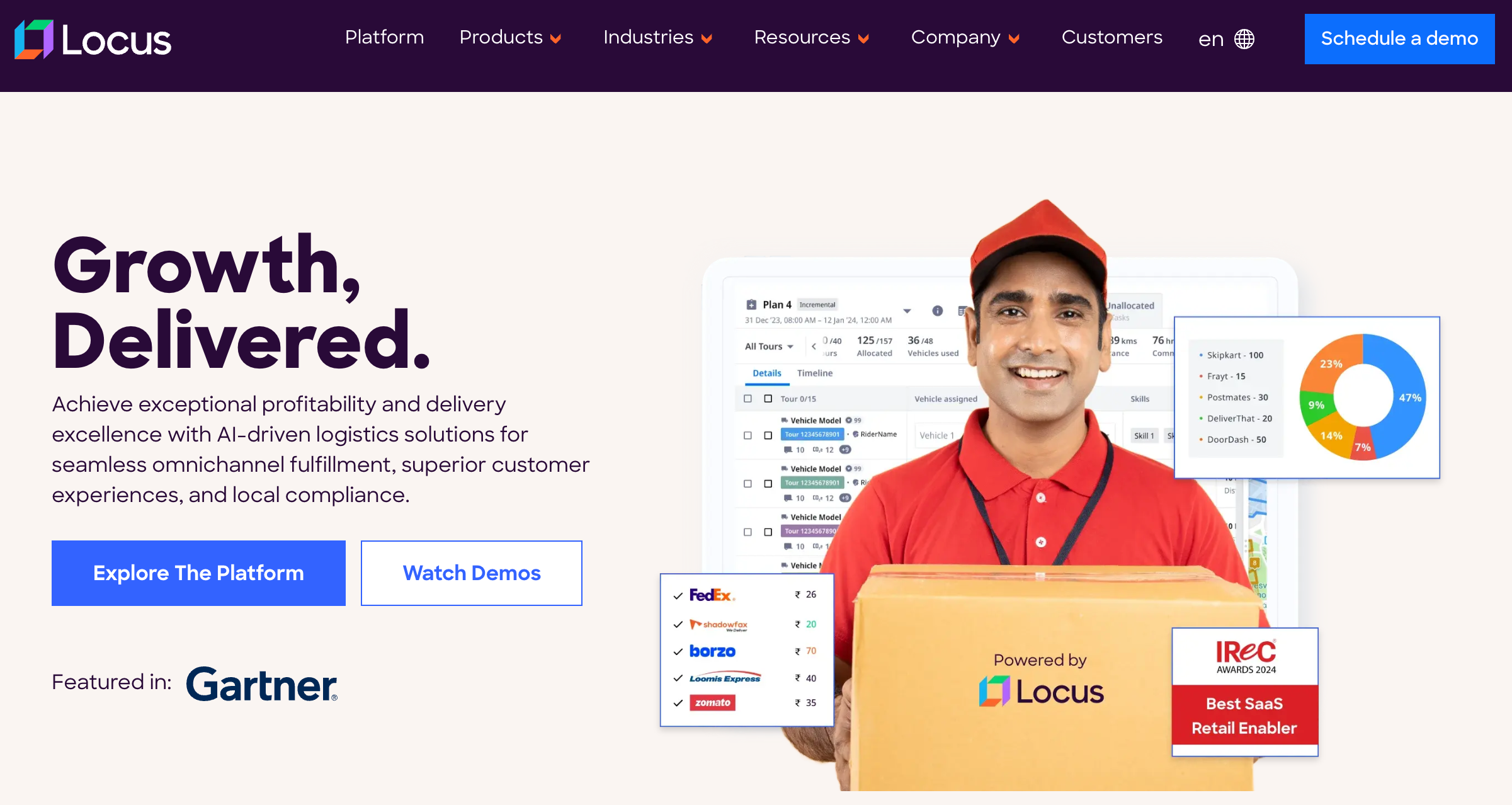
1. Locus
Key Features:
- AI-powered vehicle routing engine that processes billions of data points
- Efficient multi-stop, multi-vehicle route generation
- Smart clustering for optimized delivery groupings
- Real-time dynamic re-optimization based on changing conditions
- 180+ configurable constraints to match business rules
- Geofencing for location-specific triggers and actions
- Predictive ETAs for accurate delivery time forecasting
- Scalable support for small fleets to complex multi-region logistics
- Auto-dispatching to assign orders without manual intervention
- Territory management for balanced workload distribution
- Carbon emission tracking for sustainable logistics planning
Pros:
- Extremely customizable for enterprise-level operations
- Rich dashboard analytics on fleet performance
- Integrates with OMS, WMS, TMS, and e-commerce platforms
- Excellent for high-volume last-mile routing
Cons:
- Initial onboarding may require support for feature configuration
Pricing:
Starts at $150/month. Enterprise pricing available based on order volume and scale.
“Locus helped us cut delivery costs by 20% and improve on-time performance by 30%.” — Director of Operations, Leading FMCG Brand
Unlock similar savings and reliability. Schedule a Demo with us!
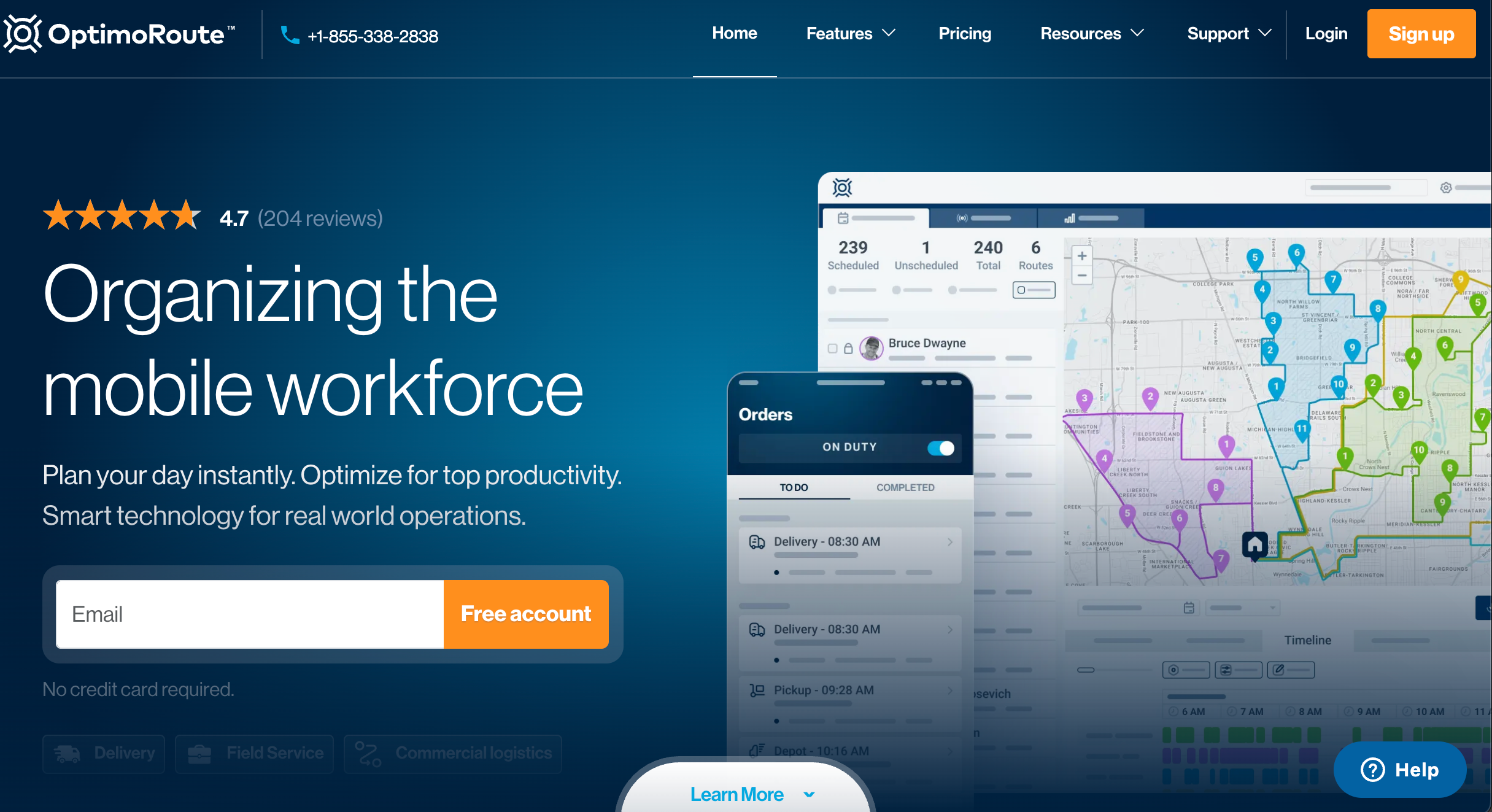
2. OptimoRoute
Key Features:
- Built for both delivery and field service operations
- Skill-based routing to match tasks with qualified personnel
- Time window optimization to meet customer availability
- Multi-day route planning for long-range or complex operations
- Real-time tracking for live visibility into driver locations
- Load-based vehicle assignments to maximize capacity utilization
- On-the-fly route adjustments to handle unexpected changes
Pros:
- Supports long-term scheduling and recurring orders
- Highly flexible route configurations
- Includes proof of delivery, customer notifications, and driver tracking
Cons:
- Interface and setup can feel complex for first-time users
Pricing:
Starts at $35 per vehicle/month with a 30-day trial available.
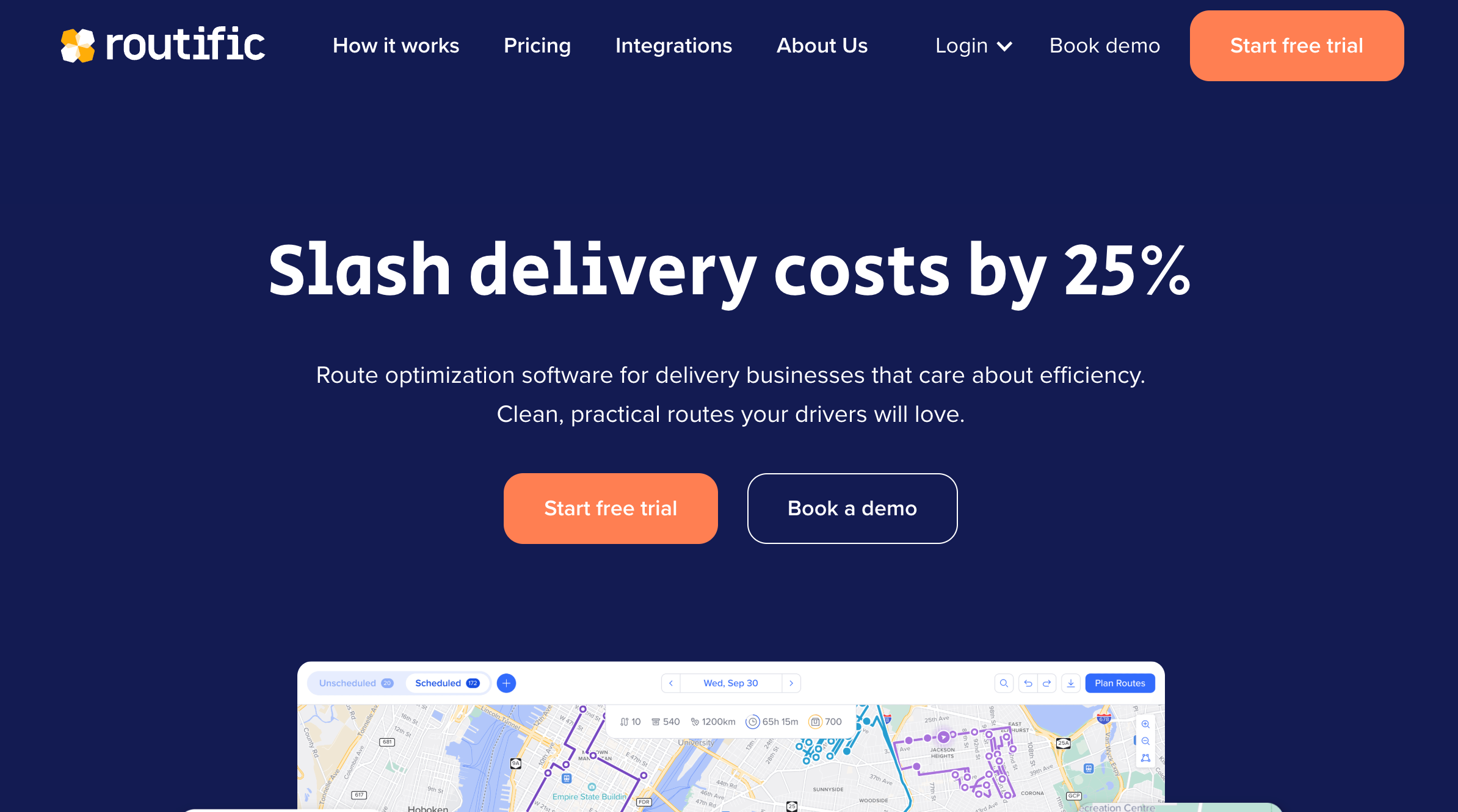
3. Routific
Key Features:
- Clean, user-friendly interface
- Timeline-based route views for visual scheduling
- Drag-and-drop route editing for quick adjustments
- Automated customer messaging with delivery updates
- Distance-optimized routes tailored for urban environments
Pros:
- Very intuitive and easy to deploy
- Strong support team and excellent documentation
- Ideal for small to mid-sized local delivery businesses
Cons:
- Limited advanced reporting capabilities for large fleet analytics
- No native driver app (routes are shared via SMS or web)
Pricing:
Starts at $150/month. Offers a free trial with limited features.
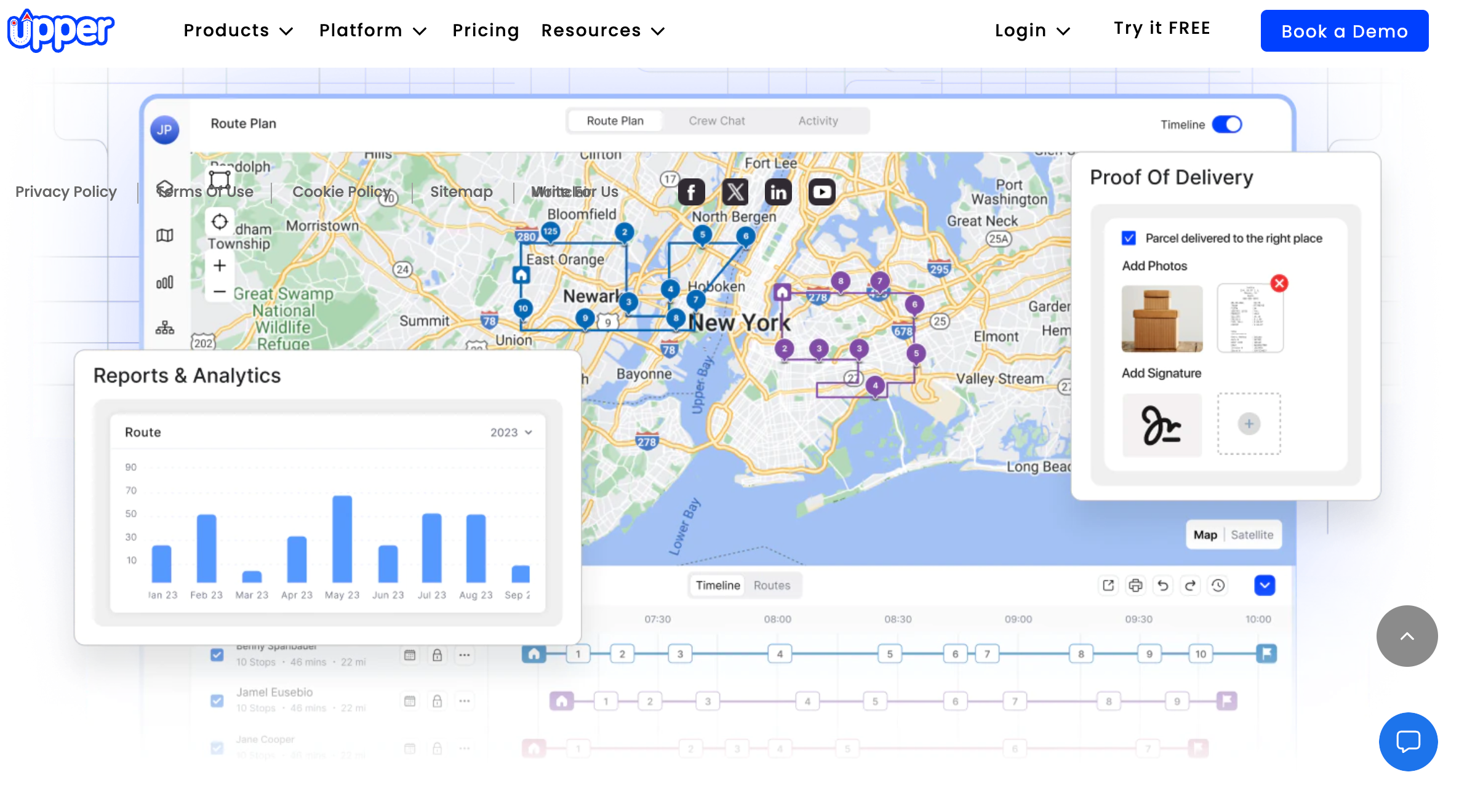
4. Upper
Key Features:
- User-friendly interface designed for growing teams
- Bulk import of delivery addresses for quick setup
- Dynamic route generation for optimized planning
- Support for delivery instructions at the order level
- Proof of Delivery (POD) capture via photo or signature
- Real-time delivery status tracking
Pros:
- Seamless Excel import and quick route optimization
- Fast setup with minimal training required
- Delivery notes and real-time driver updates
Cons:
- Limited customization for complex logistics operations
- Some reports lack depth for enterprise use
Pricing:
Starts at $120/month for up to 3 users with tiered pricing for scaling teams.
5. Circuit for Teams
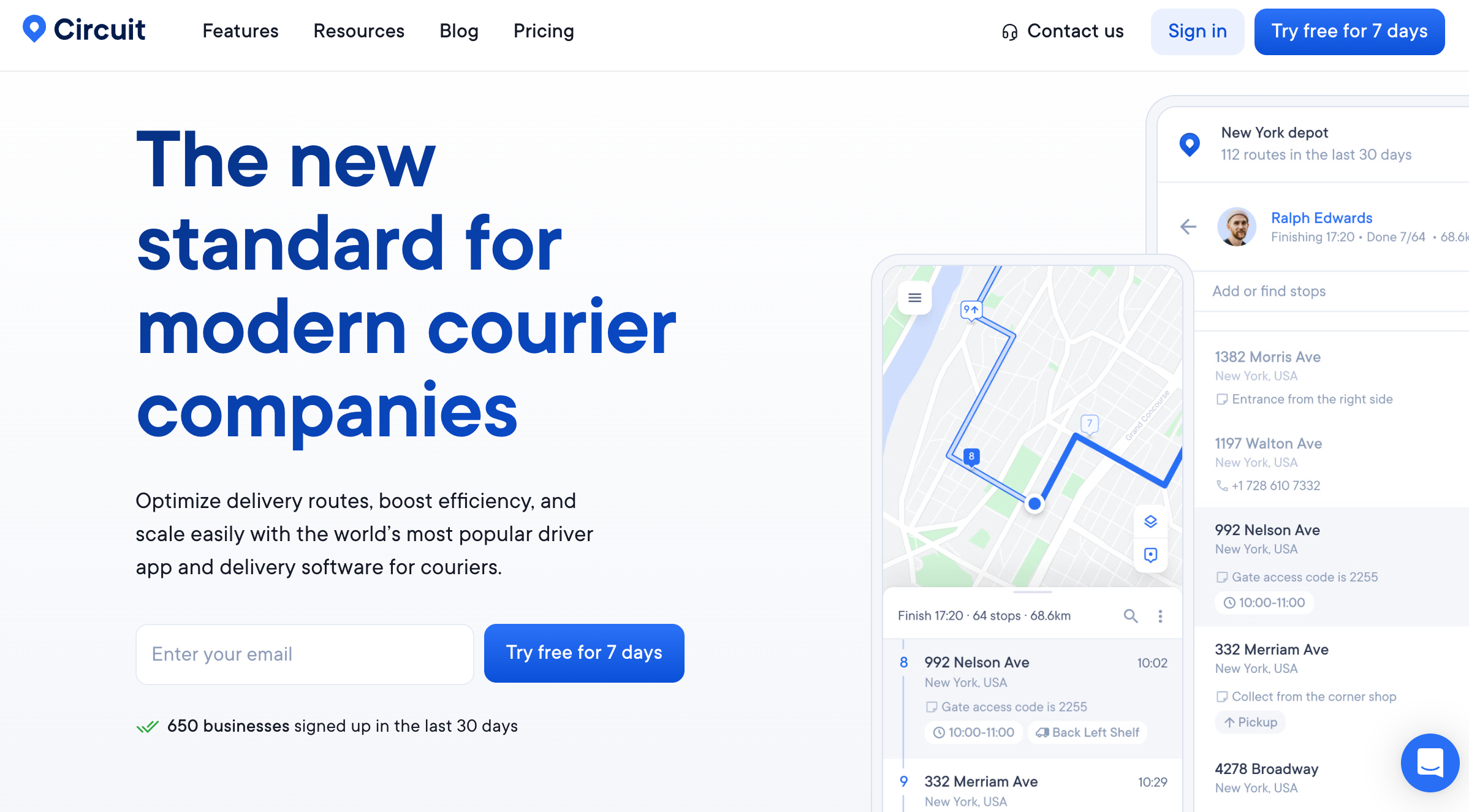
Key Features:
- Real-time status updates for every stop
- GPS tracking for live driver locations
- Automated route optimization for efficiency
- Team-wide route visibility on a shared dashboard
- Workload balancing by delivery count or distance
- Support for live route changes during active shifts
Pros:
- Very effective for small teams or regional courier services
- Highly rated mobile app with easy driver adoption
- Smooth route reassignment and customer notifications
Cons:
- No advanced analytics or deep enterprise reporting tools
- Limited scalability for very large fleets
Pricing:
Starts at $100/month for teams. Per stop billing applies beyond plan limits.
6. Route4Me
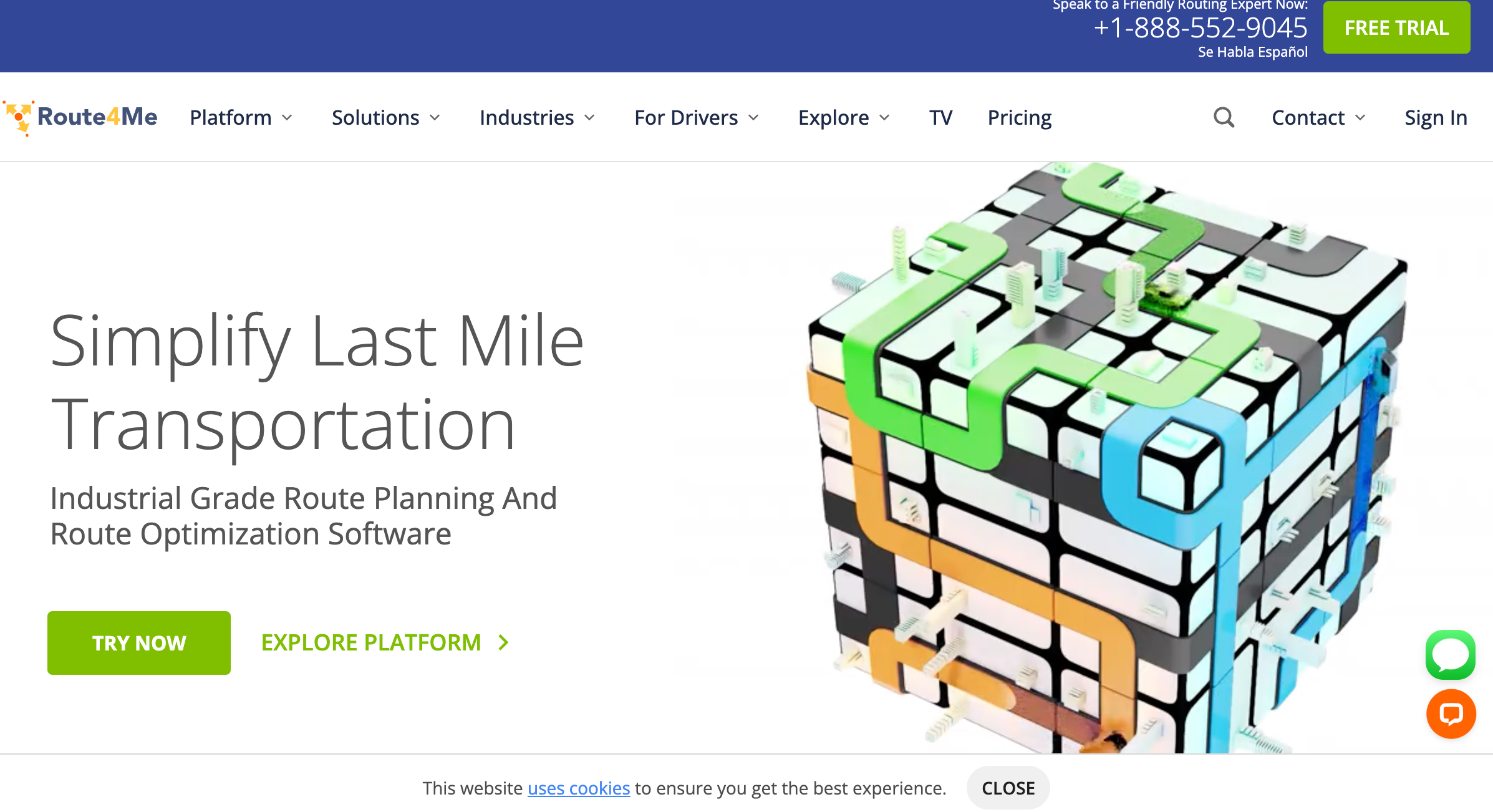
Key Features:
- Robust add-on marketplace for customizable features
- Support for curbside delivery and time-based stops
- Geofencing capabilities for location-triggered actions
- Territory-based routing for efficient regional planning
- Single and multi-depot support for complex logistics
- Route synchronization across teams for better coordination
Pros:
- Modular configuration allows deep customization
- Great for businesses with unique delivery rules
- Multi-language and global support
Cons:
- Price can rise quickly with additional features
- Learning curve for maximizing full capabilities
Pricing:
Starts at $400/month. Add-ons are priced separately.
7. Onfleet
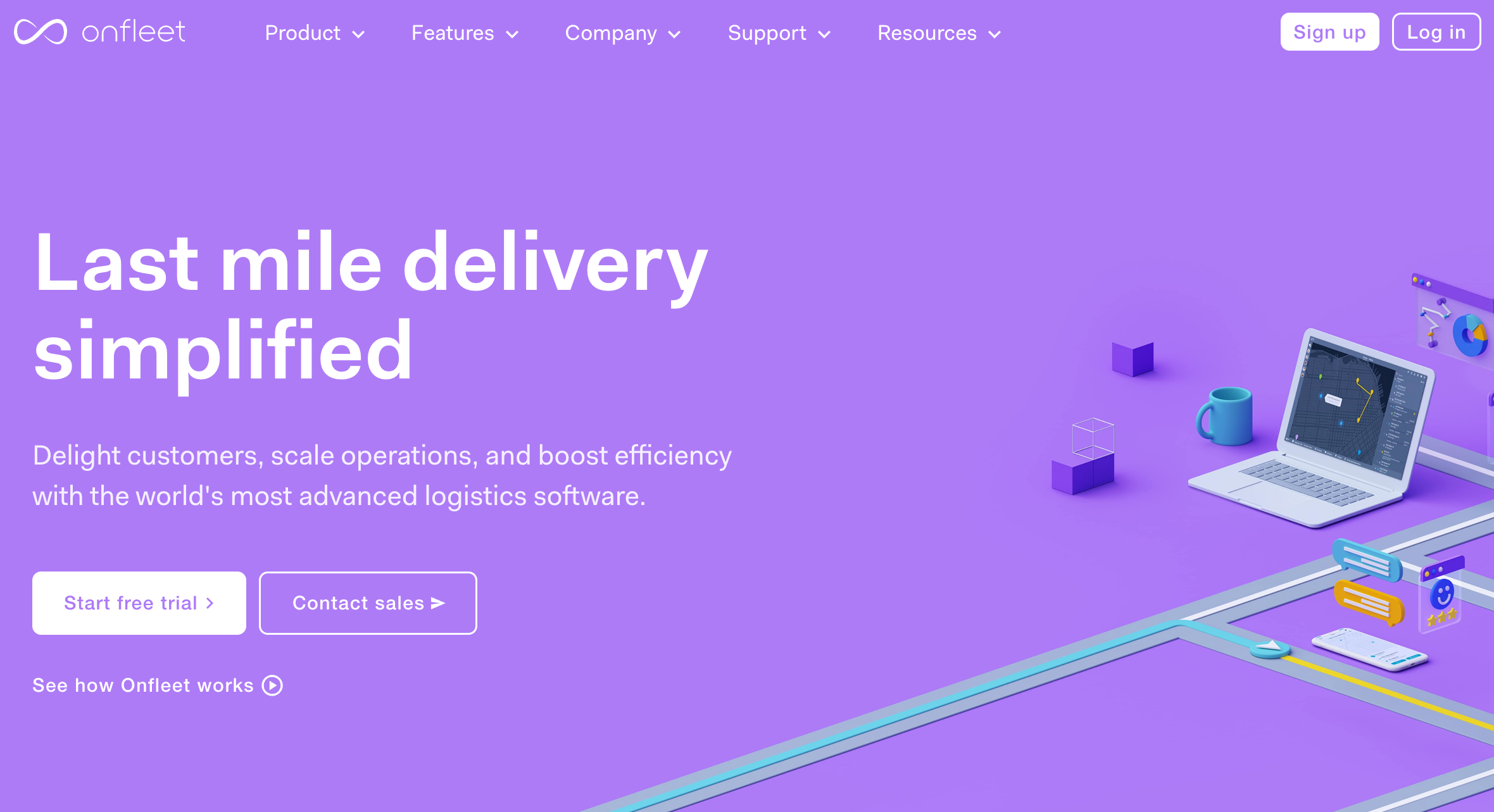
Key Features:
- Auto-dispatch for seamless order assignment
- Barcode scanning to streamline package handling
- In-app driver chat for instant communication
- Real-time delivery tracking with live ETAs
- Built-in proof-of-delivery (POD) system
Pros:
- Excellent for real-time logistics and B2C deliveries
- Easy to manage deliveries through a single dashboard
- Developer-friendly API with web hook support
Cons:
- Premium pricing tier may not suit all SMBs
- Requires strong onboarding for technical integrations
Pricing:
Starts at $599/month for 2,500 tasks. Custom enterprise pricing available.
8. Bringg
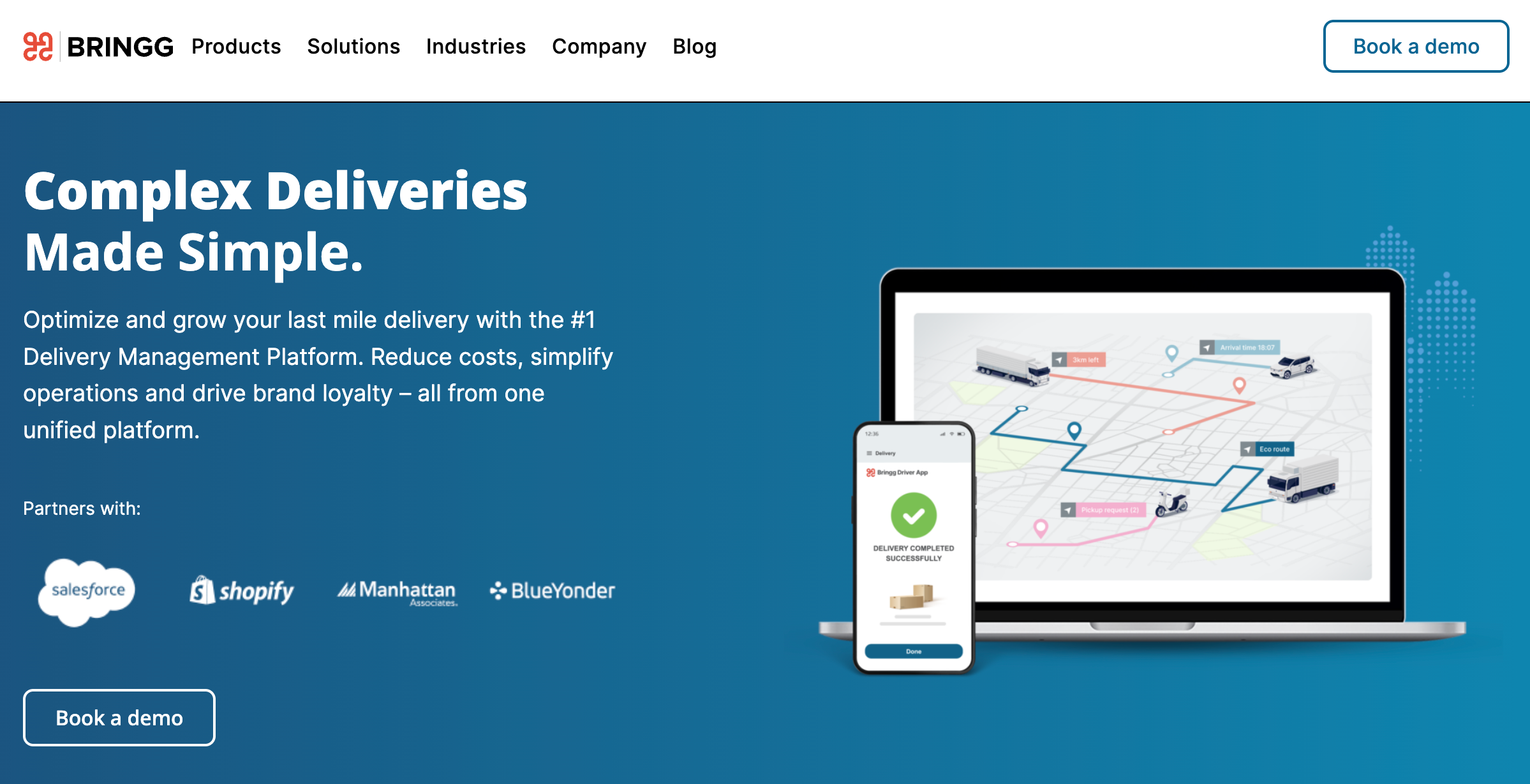
Key Features:
- Delivery orchestration platform for large enterprises
- Connects retailers, carriers, and fulfillment providers
- Real-time delivery workflow management
- Last-mile visibility for end-to-end tracking
- Crowdsourced delivery management
- Click-and-collect support for flexible customer pickup options
Pros:
- Scalable for omnichannel operations
- Strong support for hybrid fulfillment models (BOPIS, ship-from-store)
- Advanced analytics and SLA compliance tracking
Cons:
- Complexity and pricing tailored more to enterprise use
Pricing:
Custom pricing only. Requires an enterprise contract.
9. WorkWave Route Manager
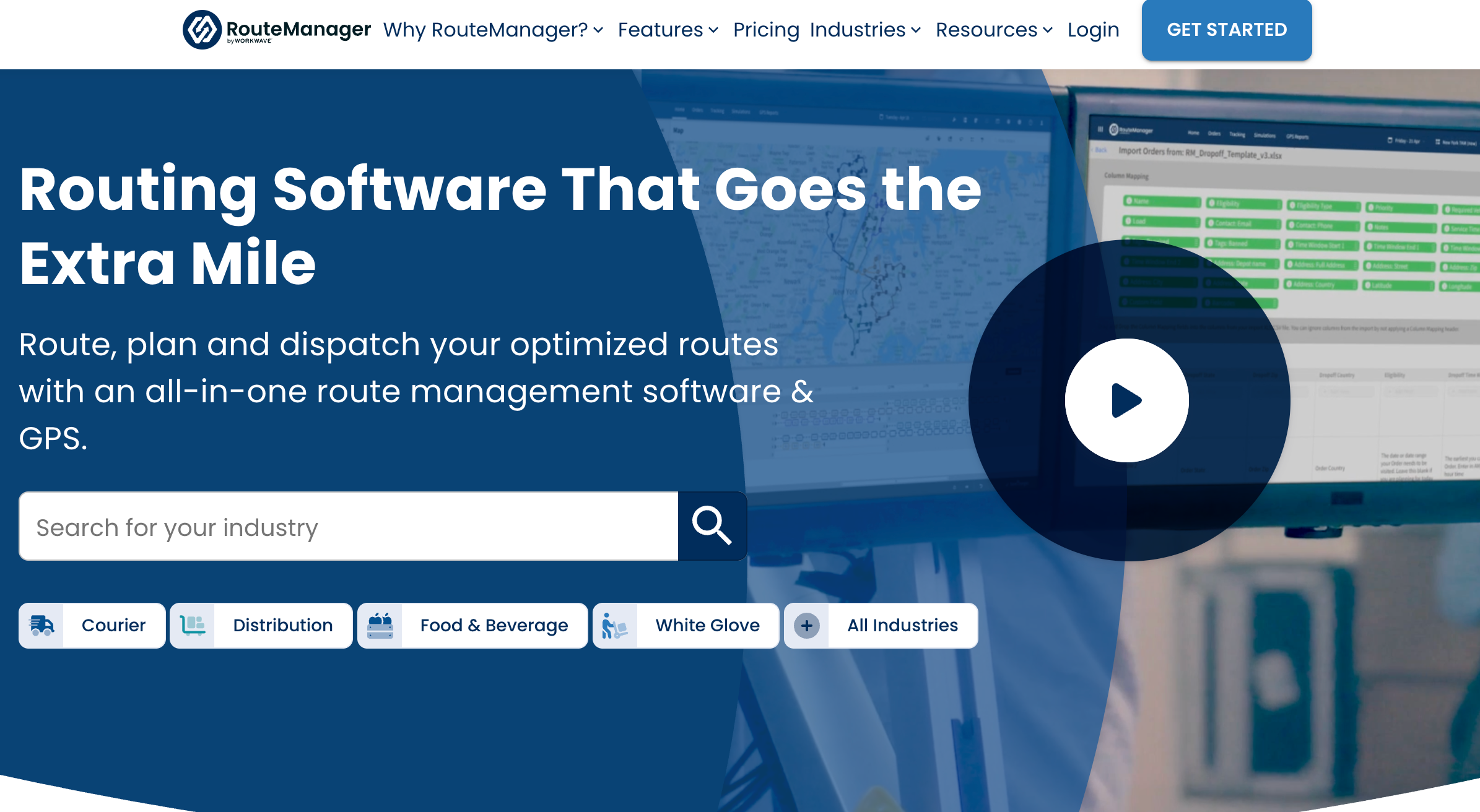
Key Features:
- Drag-and-drop route planning for easy adjustments
- Support for recurring schedules to automate repeat deliveries
- Real-time driver tracking for live visibility
- Pre-route and post-route analytics for performance insights
Pros:
- Built for field service optimization (pest control, HVAC, etc.)
- Simple interface with useful visual route planning
- Strong customer support and training resources
Cons:
- Interface feels dated compared to newer platforms
- May not support advanced AI optimization
Pricing:
Starts at $49/user/month.
10. Track-POD
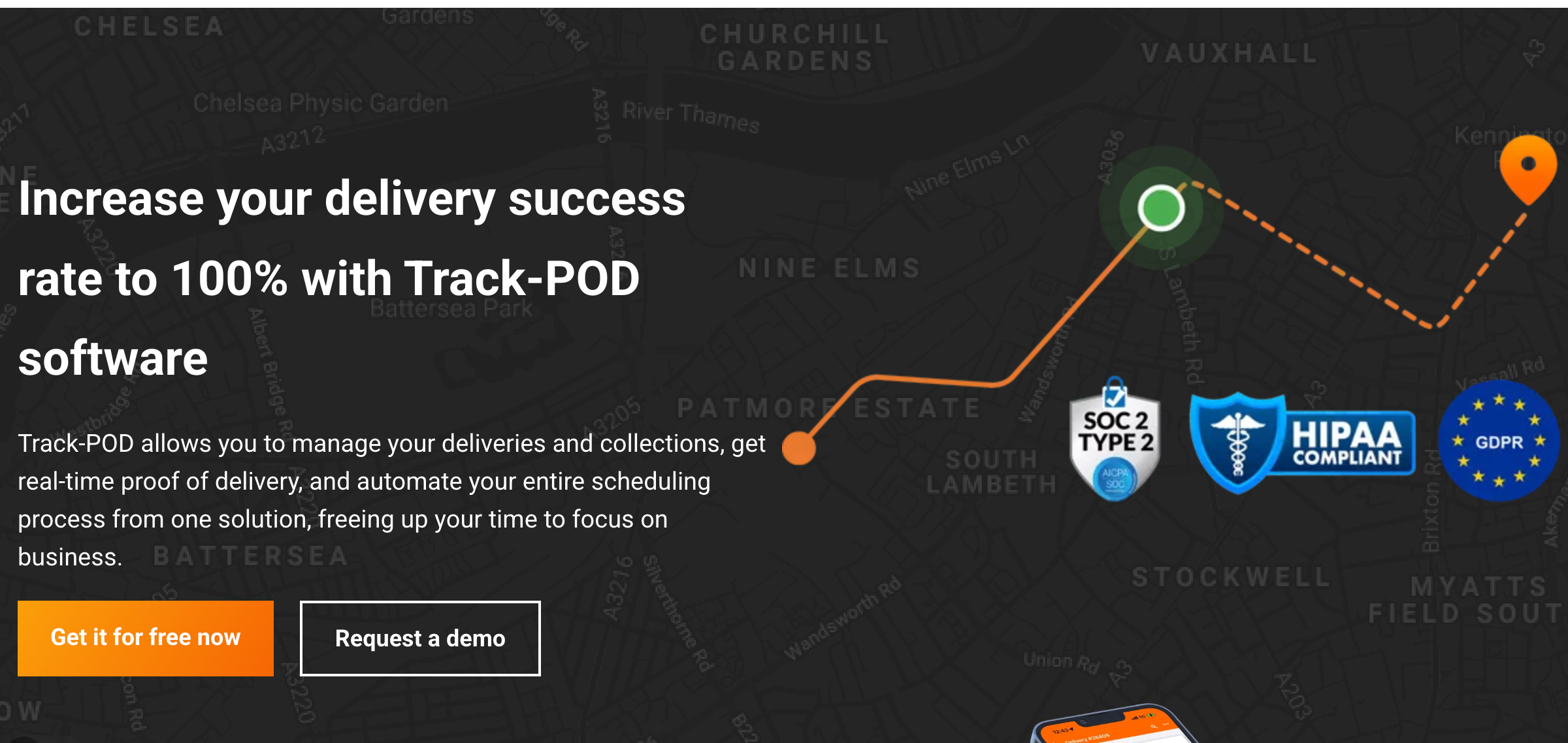
Key Features:
- Route planning for efficient deliveries
- Electronic signatures for proof of delivery (e-signatures)
- Photo-based proof of delivery (photo PODs)
- Automated customer notifications and updates
- Real-time delivery status tracking
- Driver performance analytics for operational insights
Pros:
- Excellent for delivery businesses requiring strong documentation
- Offline mode available for poor connectivity regions
- Multilingual driver app and customizable POD templates
Cons:
- Mobile UX can be inconsistent on older devices
- Fewer features for large enterprise use
Pricing:
Starts at $29/month. Tiers based on number of drivers and features.
How Locus Solves the Vehicle Routing Problem
Unlike legacy tools that rely on static logic, Locus approaches vehicle routing as a real-time optimization challenge, providing valuable insights into route efficiency . It combines AI, location intelligence, and behavioral learning to create the optimal routes for last mile delivery in seconds.
How it works:
- Analyzes billions of route combinations per second using proprietary algorithms.
- Learns from past deliveries to improve future route predictions.
- Handles dynamic inputs like roadblocks, traffic, weather, or cancellations.
- Automates driver allocation based on skill, geography, and load balance.
The result? Higher productivity, better SLAs, and lower carbon footprint.
Final Verdict: Locus as Your Go-To Vehicle Routing Solution
Vehicle routing software is no longer optional, it’s foundational to operational effectiveness and delivery success in meeting customer needs. While many platforms offer surface-level optimization, including basic optimization software Locus stands apart with its intelligent routing engine, enterprise-readiness, and future-ready capabilities.
Whether you’re a scaling e-commerce business or a multinational 3PL, Locus vehicle routing software gives you the tools for fleet managers to make informed decisions, cut delivery costs, increase productivity, boost efficiency, and enhance home deliveries and customer experience.
? Schedule your personalized demo with Locus today and see the difference smart routing can make.


General
Best Samsara Alternatives for Fleet Management and Delivery Execution in 2026

Jul 30, 2026
A practical review of Samsara for delivery operations, with a side-by-side look at delivery-first platforms teams evaluate as they scale.
Read more
General
What Is Vehicle Routing and Why Does It Matter in 2026?
Jul 30, 2026
What is vehicle routing? Learn how it works in 2025, why it matters, and how to solve routing challenges with modern tools with key benefits and best practices
Read moreInsights Worth Your Time




















10 Best Vehicle Routing Software for Fleet Efficiency in 2026