


General
Rethinking Blue Yonder for Complex Logistics in 2026

Key Takeaways
- Blue Yonder often becomes difficult to adapt when supply chains shift from forecast-led planning to execution-led decision-making.
- Most teams don’t replace Blue Yonder because of missing features, but because operational speed and flexibility become harder to achieve.
- As networks grow denser, teams need systems that react continuously during execution, not platforms that rely on fixed planning cycles.
- The strongest alternatives focus less on static optimization and more on real-time coordination across routing, dispatch, and fulfillment.
- Platforms like Locus appeal to teams that want logistics systems to respond to reality as it unfolds, not after plans start breaking.
For a long time, logistics software rewarded teams that could plan better. If demand were predictable and networks were stable, strong planning engines would be enough to keep operations on time. That assumption no longer holds.
Today’s supply chains operate in motion. Orders arrive continuously. Fulfillment locations overlap. Capacity shifts mid-day. Decisions that once lived in weekly or daily planning cycles now need to be made during execution. In this environment, the question many enterprises face is no longer whether a platform can plan efficiently, but whether it can keep pace with reality.
This shift is why conversations around Blue Yonder are changing. Teams are reassessing whether planning-centric systems can support execution-first logistics, where routing, dispatch, and fulfillment must adapt in real time.
This guide looks at what organizations evaluate when Blue Yonder starts feeling out of sync with how modern logistics actually runs — and what they prioritize next as execution becomes the center of control.
What Recent Blue Yonder Users Say When Operations Scale
A recurring theme is operational cognitive load. Multiple users describe the interface as busy or difficult to navigate during active shifts, especially when teams need to act quickly. While the system can support complex scenarios, interacting with it in real time often requires experienced users, structured processes, and upfront discipline.

Another pattern is the trade-off between customization effort and agility. Reviewers note that Blue Yonder is highly configurable, but that configuration itself can be challenging. For organizations with stable processes, this investment pays off. For teams facing frequent change, it can slow response time when workflows or priorities shift mid-operation.

Taken together, recent reviews point to a more nuanced reality: that Blue Yonder performs best in environments where processes are clearly defined, changes are deliberate, and teams are equipped to manage complexity.
As supply chains become more fluid, some organizations begin asking whether their systems should absorb complexity for them, rather than require operators to manage it.
This is often where teams start looking beyond traditional planning-centric platforms toward execution-first systems that adapt continuously throughout the day.
Leading Alternatives Teams Consider When Reassessing Blue Yonder
When organizations start looking beyond Blue Yonder, they evaluate platforms based on where operational control should live going forward (like deep planning, real-time execution, customer experience, or network-level coordination.)
Below are the platforms most commonly shortlisted, starting with those built for execution-first logistics and moving toward more planning- or niche-focused systems.
| Platform | Primary Focus Area | Best For | Where It Falls Short |
|---|---|---|---|
| Locus | Execution-first orchestration | High-volume, dynamic logistics where plans change during the day | Overkill for small, highly predictable operations |
| SAP | ERP-led supply chain execution | Enterprises prioritizing governance and process standardization | Limited agility during live execution |
| Oracle | Centralized planning and analytics | Large organizations consolidating supply chain systems | Configuration-heavy for real-time adaptation |
| Kinaxis | Advanced supply chain planning | Forecasting, scenario modeling, S&OP-driven teams | No execution or dispatch control |
| ClickPost | Post-purchase visibility | Brands focused on customer communication and WISMO reduction | No operational decision-making layer |
| Shipsy | Freight and cross-border logistics | Global trade, compliance-heavy operations | Limited last-mile and warehouse execution |
| Shipday | Simple local dispatch | Hyperlocal and small delivery teams | Not built for scale or complexity |
| MercuryGate | Transportation management | Multi-carrier, multi-mode freight networks | Minimal warehouse or last-mile orchestration |
| Route4Me | Route and territory planning | Predictable, recurring routes across teams | Limited real-time execution control |
| Routific | Fast route optimization | SMBs reducing manual planning effort | Breaks down as volatility increases |
1. Locus
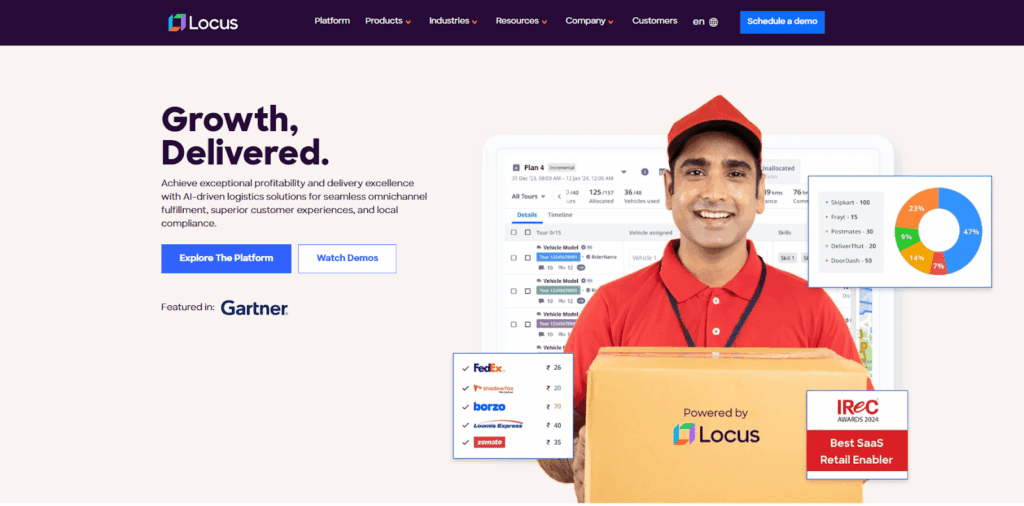
Locus is typically evaluated when execution consistency becomes a constraint. Teams shift to Locus when plans keep breaking once operations go live, and the system can’t absorb that volatility without manual intervention.
Where Blue Yonder and similar platforms emphasize pre-defined workflows and predictive planning, Locus is designed around continuous operational recalibration. It treats routing, dispatch, and fulfillment as interdependent decisions that evolve throughout the day.
Common Challenges Locus Addresses
Teams that shortlist Locus are usually dealing with issues such as:
- Execution drift after dispatch: Planned routes look optimal, but on-ground realities force constant reassignment, prioritization, and coordination across teams. Locus helps overcome this challenge.
- Fragmented decision-making across layers: Locus helps in solving issues concerned with warehouses, line-haul, and last-mile teams that operate on different tools. Delays when changes need to propagate end to end are taken care of.
- High-volume variability: Locus addresses order spikes, overlapping delivery windows, and mixed fleet types that make static optimization brittle during peak periods.
Locus’ Strengths
Locus is well suited for organizations that need:
- Execution-led orchestration: Decisions are not finalized at planning time. Locus continuously rebalances routes, capacity, and priorities as conditions change.
- Stability under density: Locus is built to handle dense delivery clusters, multi-drop routes, and overlapping service commitments without performance degradation.
- Exception-first visibility: Instead of broad dashboards, teams see what requires attention now, helping them intervene early rather than react late.
Locus’ Limitations
Locus may feel excessive for organizations with:
- Small fleets and highly predictable delivery patterns
- Minimal need for intra-day decision-making
- Limited operational variability where routes rarely change once dispatched
Initial rollout typically involves aligning operational rules, data models, and workflows, especially for enterprises moving toward higher automation maturity.
Locus Is Best Suited For
Locus fits best in environments where logistics execution directly impacts customer experience and cost efficiency, including:
- Large retail and e-commerce networks managing dense delivery volumes
- FMCG and CPG brands operating multi-region distribution
- 3PLs coordinating multiple clients, fleets, and service models
- Big and bulky delivery operations with strict scheduling constraints
- Enterprises running hybrid first-, mid-, and last-mile logistics
Locus Pricing
Locus follows a custom, usage-based pricing model, typically influenced by:
- Daily and monthly delivery volumes
- Number of operating regions and fulfillment nodes
- Fleet composition and delivery complexity
- Modules deployed (routing, dispatch, orchestration, track & trace, carrier management)
Pricing scales with execution depth rather than static feature access.
2. SAP
SAP is typically evaluated when logistics execution must align tightly with enterprise-wide processes and governance. Teams consider SAP when warehouse and supply chain operations are expected to follow standardized workflows embedded within a broader ERP environment.
Common Challenges SAP Addresses
- Fragmented data across supply chain and ERP systems
- Inconsistent process adherence across regions or facilities
- Limited visibility between logistics execution and financial systems
SAP’s Strengths
- Deep ERP integration across enterprise workflows
- Strong governance and compliance support
- Scalable process standardization across regions
SAP’s Limitations
- Longer implementation and change cycles
- Less flexibility during live execution
- Heavy reliance on predefined workflows
SAP Is Best Suited For
- Large enterprises standardized on SAP ERP
- Organizations prioritizing process uniformity
- Supply chains with low tolerance for deviation
SAP Pricing
SAP pricing is enterprise-led and module-based, typically tied to system scope, user count, and deployment scale.
3. Oracle
Oracle is evaluated by organizations seeking centralized control across planning, execution, and analytics. It appeals to enterprises that want logistics decisions embedded within a unified technology stack.
Oracle focuses on consolidation and visibility rather than operational agility at the execution layer.
Common Challenges Oracle Addresses
- Disconnected planning and execution data
- Limited enterprise-wide analytics
- Fragmented technology stacks
Oracle’s Strengths
- Unified data architecture
- Strong planning and analytics capabilities
- Enterprise-grade scalability
Oracle’s Limitations
- Execution flexibility can be constrained
- Configuration-heavy environments
- Slower response to intra-day change
Oracle Is Best Suited For
- Large global enterprises
- Planning-heavy supply chains
- Organizations prioritizing centralized governance
Oracle Pricing
Oracle uses enterprise licensing models based on modules, users, and deployment footprint.
4. Kinaxis
Kinaxis is considered when planning precision and scenario modeling drive decision-making. It is a planning engine designed to anticipate disruption before it happens.
Common Challenges Kinaxis Addresses
- Forecast volatility
- Supply-demand imbalance
- Limited scenario testing capabilities
Kinaxis’ Strengths
- Advanced concurrent planning
- Real-time scenario simulation
- Strong S&OP support
Kinaxis’ Limitations
- Minimal execution control
- Dependency on downstream systems
- Limited operational orchestration
Kinaxis Is Best Suited For
- Planning-centric enterprises
- Global manufacturing and retail networks
- Organizations optimizing upstream decisions
Kinaxis Pricing
Kinaxis follows enterprise subscription pricing based on planning scope and users.
5. ClickPost
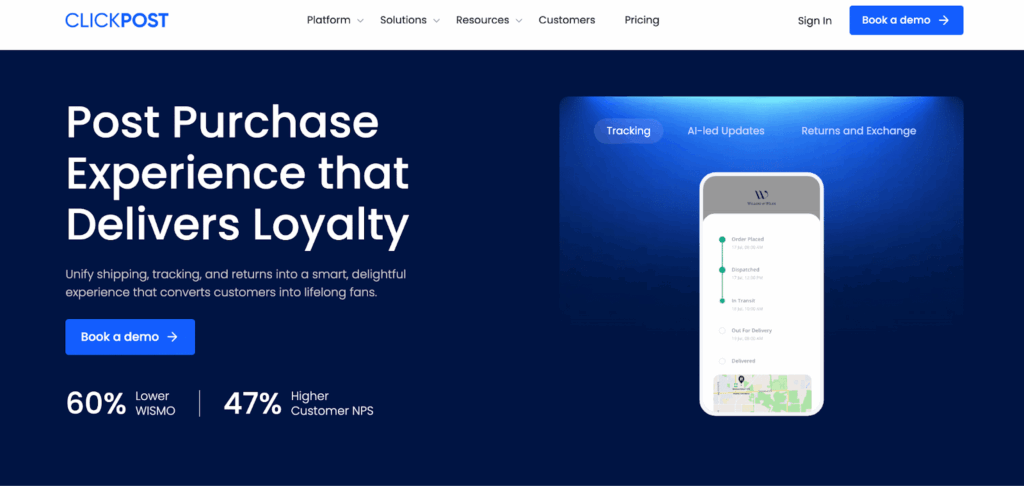
ClickPost is evaluated when customer communication becomes the primary logistics gap. It focuses on post-purchase visibility rather than physical execution control.
Common Challenges ClickPost Addresses
- Poor delivery communication
- High WISMO inquiries
- Fragmented customer notifications
ClickPost’s Strengths
- Strong carrier integrations
- Branded customer communication
- Exception notification workflows
ClickPost’s Limitations
- No routing or dispatch control
- Limited operational decision-making
- Dependency on upstream systems
ClickPost Is Best Suited For
- E-commerce and D2C brands
- Customer-experience-led teams
- Retailers optimizing post-purchase touchpoints
ClickPost Pricing
Pricing is typically volume-based and tied to shipment count and integrations.
6. Shipsy
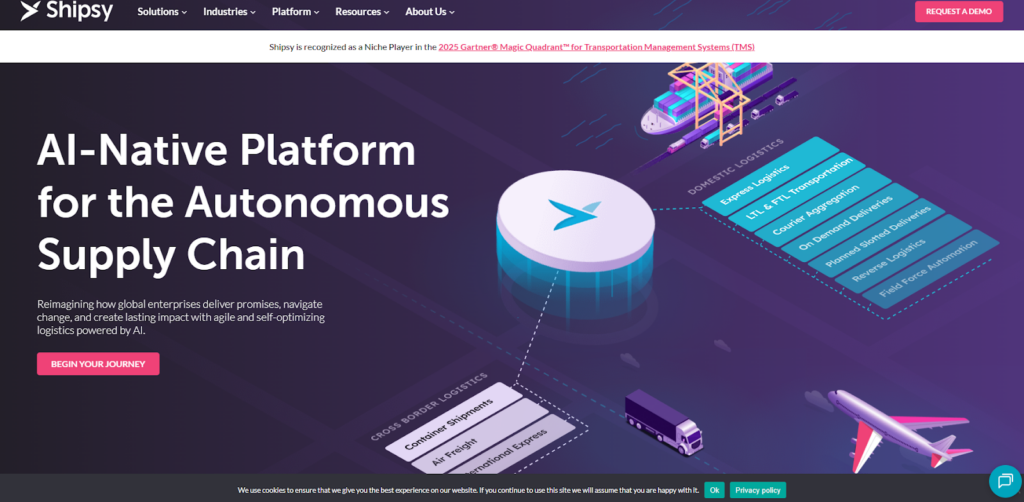
Shipsy is shortlisted when freight complexity outweighs last-mile execution. It emphasizes cross-border visibility, compliance, and freight workflows.
Common Challenges Shipsy Addresses
- Cross-border documentation
- Freight invoicing complexity
- Multimodal shipment visibility
Shipsy’s Strengths
- Strong freight and compliance focus
- Multimodal logistics support
- Invoicing automation
Shipsy’s Limitations
- Limited last-mile orchestration
- Not execution-first
- Less suited for dense delivery routing
Shipsy Is Best Suited For
- Global logistics providers
- Enterprises with cross-border operations
- Freight-heavy networks
Shipsy Pricing
Shipsy uses subscription pricing influenced by shipment volume and enabled modules.
7. Shipday
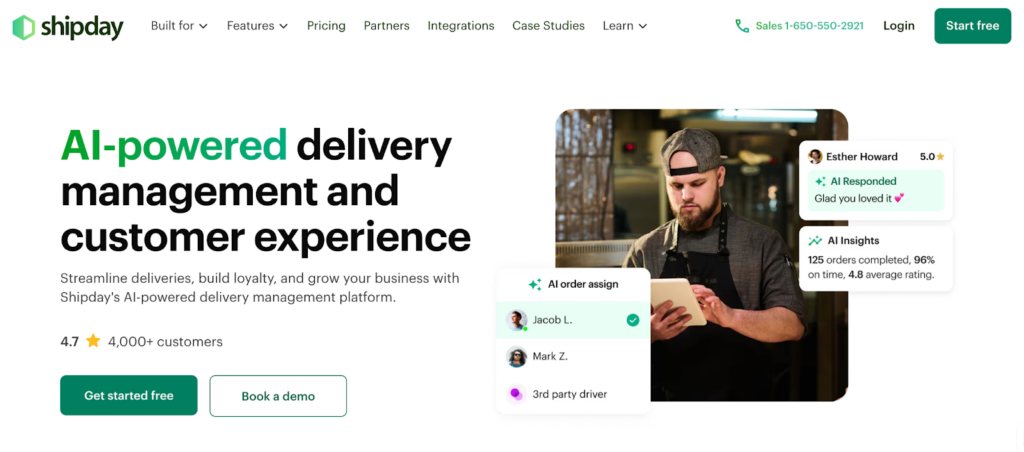
Shipday is evaluated for speed and simplicity in local delivery operations. It prioritizes fast onboarding and basic execution.
Common Challenges Shipday Addresses
- Manual order dispatch
- Limited delivery visibility
- POS integration gaps
Shipday’s Strengths
- Quick setup
- POS and order integrations
- Simple dispatcher workflows
Shipday’s Limitations
- Minimal optimization depth
- Limited scalability
- Not suited for complex operations
Shipday Is Best Suited For
- Restaurants and local retailers
- Hyperlocal delivery teams
- Small courier operations
Shipday Pricing
Shipday follows tiered pricing based on order volume and feature access.
8. MercuryGate

MercuryGate is evaluated when transportation becomes the dominant operational challenge. It focuses on carrier management and freight execution.
Common Challenges MercuryGate Addresses
- Multi-carrier coordination
- Mode and lane complexity
- Transportation cost visibility
MercuryGate’s Strengths
- Strong TMS capabilities
- Carrier and rate management
- Multi-mode support
MercuryGate’s Limitations
- Limited warehouse focus
- Minimal last-mile execution control
- Configuration-heavy
MercuryGate Is Best Suited For
- Large shippers and 3PLs
- Freight-driven enterprises
- Complex transportation networks
MercuryGate Pricing
Pricing is enterprise-based and tied to shipment volume and network complexity.
9. Route4Me
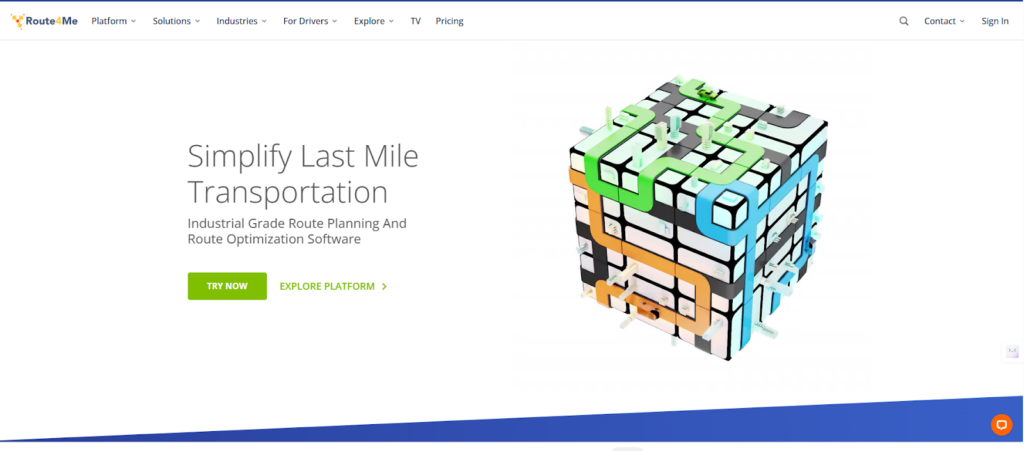
Route4Me is considered when route planning flexibility is the primary requirement. It is planning-centric, not execution-first.
Common Challenges Route4Me Addresses
- Territory planning
- Recurring route design
- Manual route creation
Route4Me’s Strengths
- Configurable routing logic
- Territory management
- Broad use-case coverage
Route4Me’s Limitations
- Limited live execution control
- Not designed for dense volatility
- Planning-first orientation
Route4Me Is Best Suited For
- Sales and service teams
- Predictable delivery models
- Territory-based operations
Route4Me Pricing
Route4Me uses tiered subscriptions based on users and routing features.
10. Routific
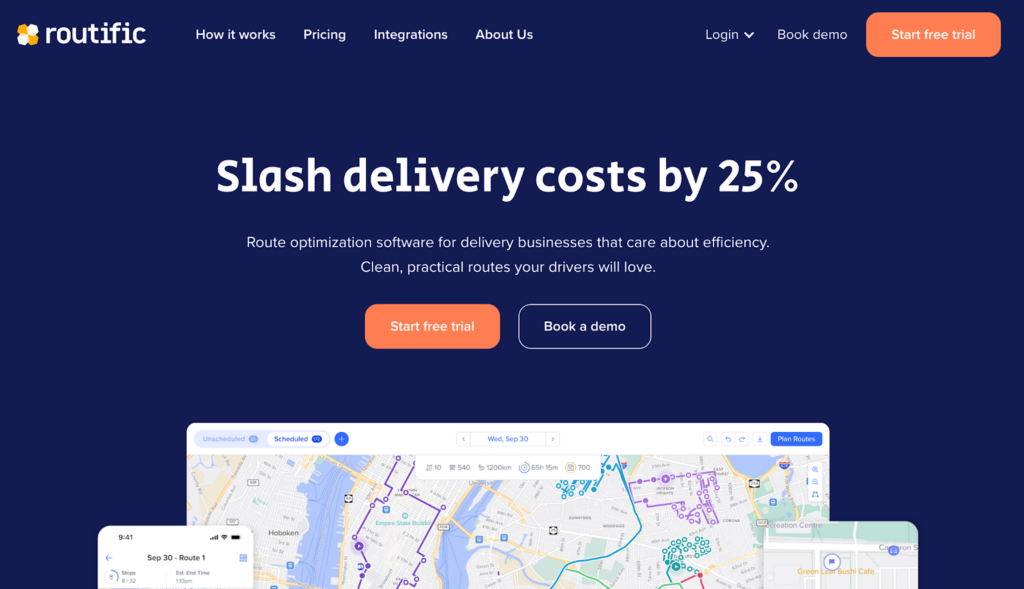
Routific is evaluated when teams want fast route optimization without operational overhead. It focuses on reducing planning time rather than managing execution.
Common Challenges Routific Addresses
- Manual route planning
- Inefficient daily routes
- Planning time constraints
Routific’s Strengths
- Simple optimization workflows
- Low learning curve
- Cost-effective entry point
Routific’s Limitations
- Minimal execution flexibility
- Limited scalability
- Not suited for high volatility
Routific Is Best Suited For
- SMB delivery teams
- Predictable route schedules
- Cost-conscious operations
Routific Pricing
Pricing scales based on monthly routes planned and usage tiers.
Building Supply Chains That Stay Aligned as Operations Evolve
For years, supply chain performance depended on how well systems could plan ahead. Today, performance is defined by how well operations respond once plans collide with reality.
This shift is driving teams to reassess Blue Yonder and similar planning-centric platforms.
The alternatives evaluated are rarely competing on features alone. They represent different operating philosophies: some prioritize standardization, others planning depth, and a smaller set focuses on execution as a continuously evolving problem.
As networks grow denser and more volatile, the ability to adapt during the day becomes more valuable than perfect plans created in advance.
Platforms like Locus are chosen by organizations that want logistics systems to absorb complexity, not pass it on to operators. For teams where service levels, cost control, and scalability depend on real-time coordination, execution-first orchestration becomes a strategic advantage, not just a technical upgrade.
Schedule a demo with Locus to see how execution-led orchestration supports scale without added complexity.
Frequently Asked Questions (FAQs)
1. When do organizations typically start looking for Blue Yonder alternatives?
Most teams begin exploring alternatives when operational changes happen frequently during execution, not just planning. This includes mid-day order changes, shifting capacity, or growing reliance on manual coordination to keep operations on track.
2. Is replacing Blue Yonder always about dissatisfaction with the platform?
Not necessarily. Many organizations reassess Blue Yonder because their operating model has evolved. As logistics becomes more dynamic, planning-centric systems may no longer align with how decisions need to be made during live operations.
3. Can Blue Yonder be complemented rather than replaced?
Yes. Some enterprises retain Blue Yonder for planning while adding execution-first platforms to manage dispatch, routing, and real-time coordination. This approach helps stabilize operations without disrupting upstream planning processes.
4. How do execution-first platforms differ from traditional supply chain systems?
Execution-first platforms focus on decisions made during operations, not just before they begin. They continuously adjust routes, priorities, and capacity based on real-time conditions rather than relying solely on fixed plans.
5. Which type of organization benefits most from execution-led orchestration?
High-volume enterprises with dense delivery networks, multi-region operations, or frequent variability benefit the most. In these environments, real-time coordination directly impacts service reliability, costs, and scalability.


General
Tookan Alternatives: Choosing the Right Platform as Delivery Complexity Scales

Feb 13, 2026
Looking for Tookan alternatives? Explore the top delivery management platforms in 2026 and compare features, pricing, and capabilities.
Read more
General
Top Alternatives to Descartes for Modern Logistics Ops Teams
Feb 16, 2026
Exploring alternatives to Descartes as logistics operations demand real-time control, tighter execution alignment, and platforms built to handle scale reliably.
Read moreInsights Worth Your Time




















Rethinking Blue Yonder for Complex Logistics in 2026