


General
8 High-Impact Benefits of a Modern Fleet Management System

Key Takeaways
- Modern fleet management systems improve cost control by aligning routing, dispatch, and execution decisions with real-time operating conditions.
- Safety, compliance, and driver performance improve when fleet data is applied consistently within daily workflows instead of reviewed after incidents occur.
- Real-time visibility strengthens service reliability by allowing teams to intervene early when routes, schedules, or delivery conditions change.
- Industry-specific use cases benefit most from systems that adapt to execution complexity rather than forcing standardized workflows.
- Locus supports scalable fleet execution by connecting automated route planning, live dispatch, and operational visibility into a single decision layer.
Fleet operations are under constant pressure from rising fuel costs, tighter safety regulations, limited driver availability, and increasing customer expectations for reliability and visibility.
Many organizations struggle to manage these demands using legacy tools and manual processes. Disconnected systems limit cost control, weaken compliance, and slow response when disruptions occur.
A modern fleet management system addresses this by bringing planning, tracking, maintenance, and performance monitoring into one operational view. With earlier visibility into risks and exceptions, fleet teams can act sooner and maintain better control.
This article outlines the key benefits of fleet management systems, including cost reduction, improved safety, stronger asset utilization, and more consistent service performance. It also examines how new technologies are shaping fleet operations and what enterprises should consider when choosing solutions that can scale.
Key Benefits of a Fleet Management System
1. Increased Profitability and Reduced Operating Costs
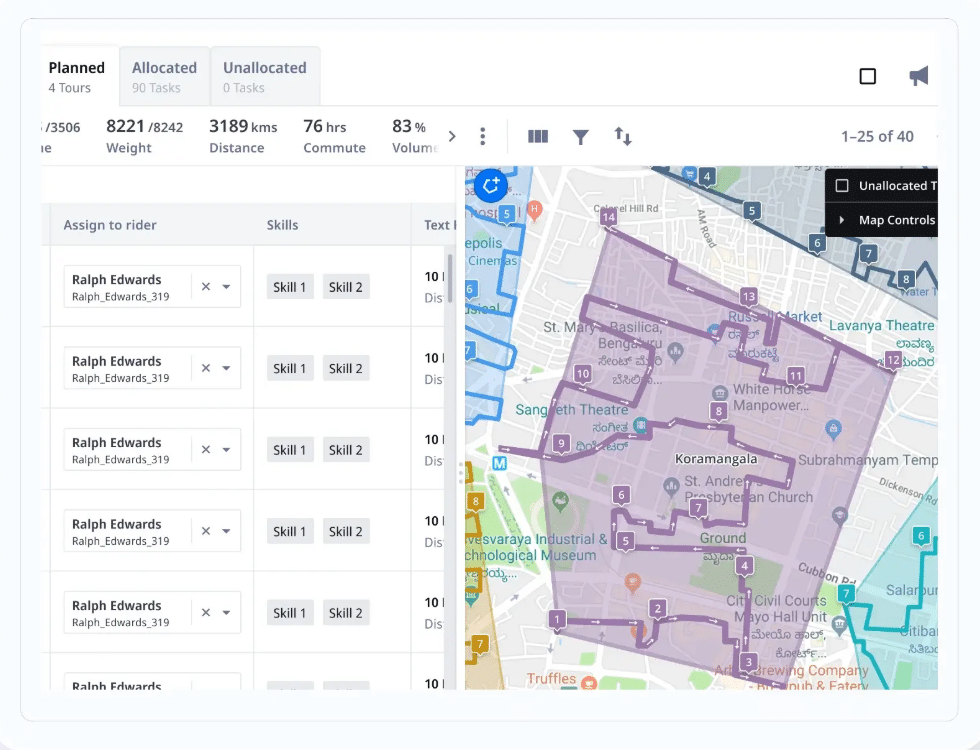
Cost reduction is the most immediate and measurable outcome of effective fleet management. Research from McKinsey & Company shows that logistics operators can reduce transportation costs by 10–15 percent through improved routing, asset utilization, and execution discipline.
A modern fleet management system surfaces fuel waste, idle time, and inefficient routing during live operations, allowing teams to intervene before costs compound.
Locus supports this by aligning strategic route planning with real-time dispatch decisions, helping fleets protect margins as volumes scale.
2. Enhanced Safety and Regulatory Compliance
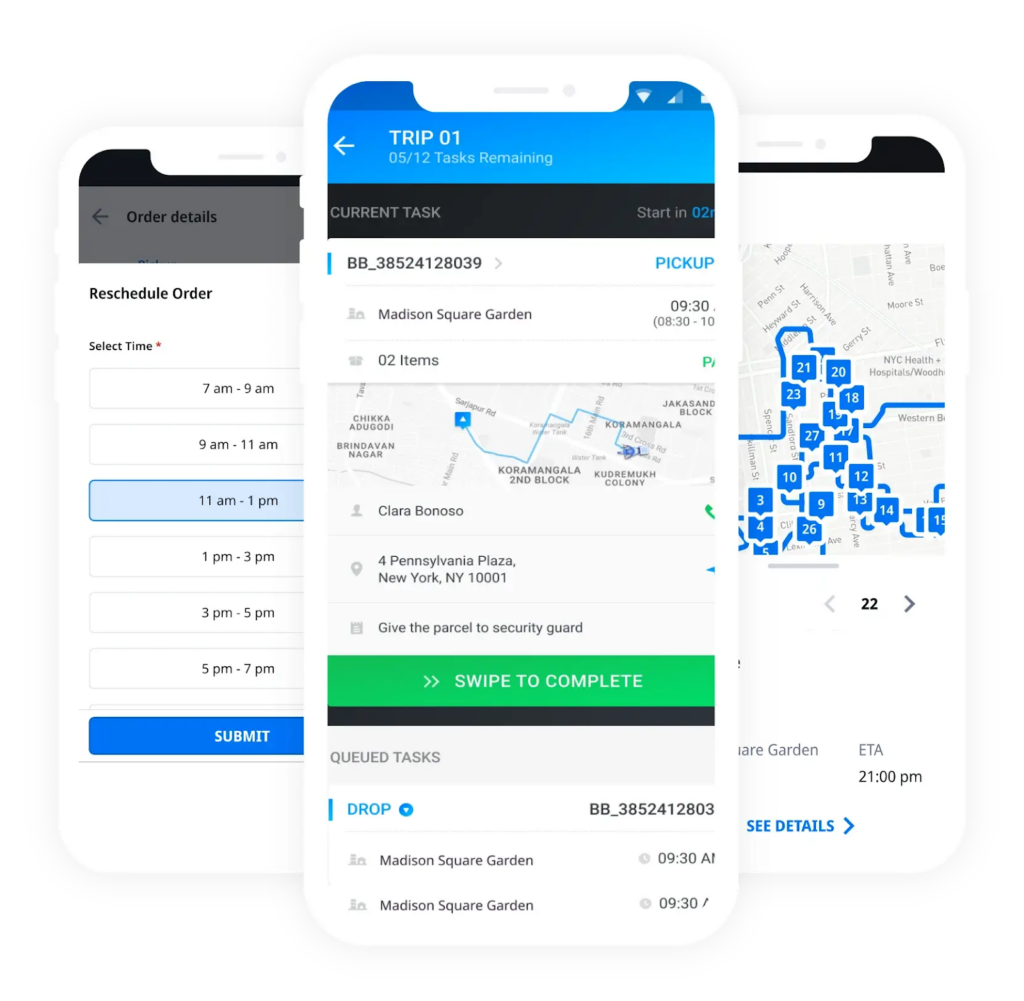
Driver behavior and vehicle condition remain leading contributors to fleet incidents in the US, according to the Journal of Traffic and Transportation Engineering. Fleet management systems improve compliance by consistently tracking driving patterns, maintenance adherence, and route deviations.
For many teams, the benefits for fleet managers in the USA include fewer violations, stronger audit trails, and reduced incident-related downtime. Locus connects safety signals directly to dispatcher workflows, so corrective action can happen before issues escalate.
3. Improved Driver Performance and Retention
Driver turnover continues to strain fleet operations. Inconsistent routing and unrealistic schedules are key contributors to driver dissatisfaction. Fleet management systems address this by introducing data-backed route allocation, clearer expectations, and performance feedback grounded in actual conditions.
With Locus, dispatchers dynamically balance workloads, reducing last-minute changes that frustrate drivers and disrupt service.
4. Efficient Dispatch Operations and Higher Productivity
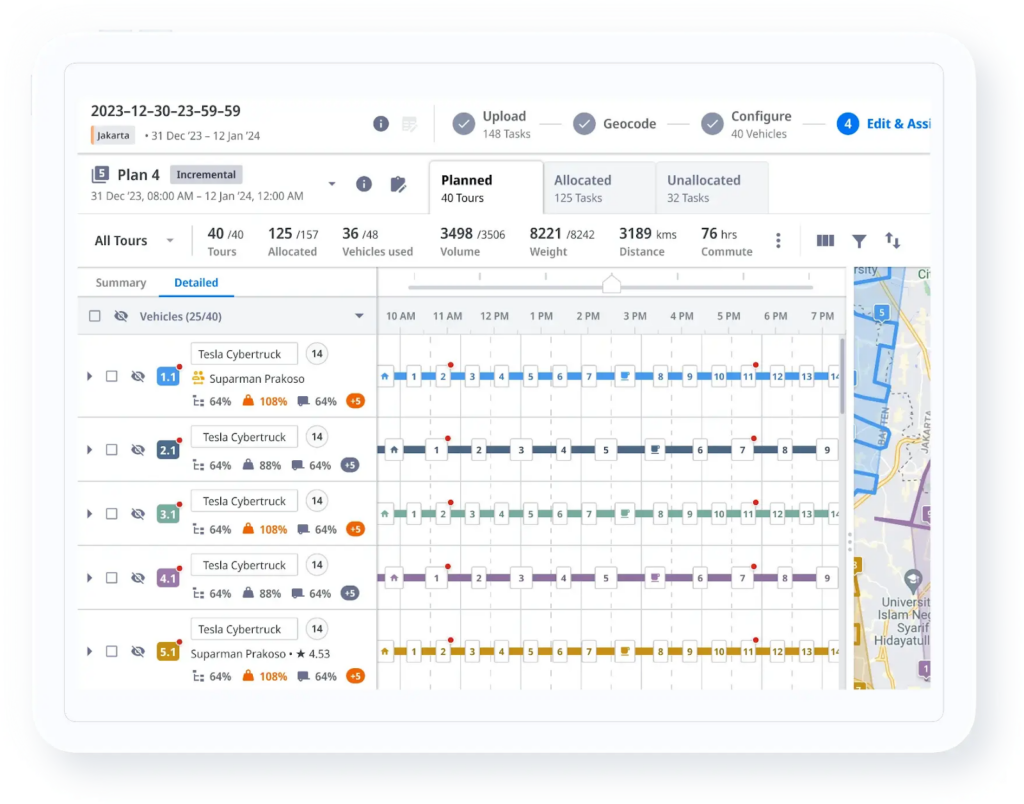
Manual coordination becomes harder to sustain as fleets grow. Modern fleet management systems replace fragmented workflows with a structured dispatch management process supported by automated route planning and exception alerts. This improves daily productivity while reducing dispatcher fatigue.
Locus applies automated dispatch optimization software to keep planning decisions aligned with ground conditions across shifts, regions, and fleet types.
5. Real-Time Visibility Across Fleet Operations
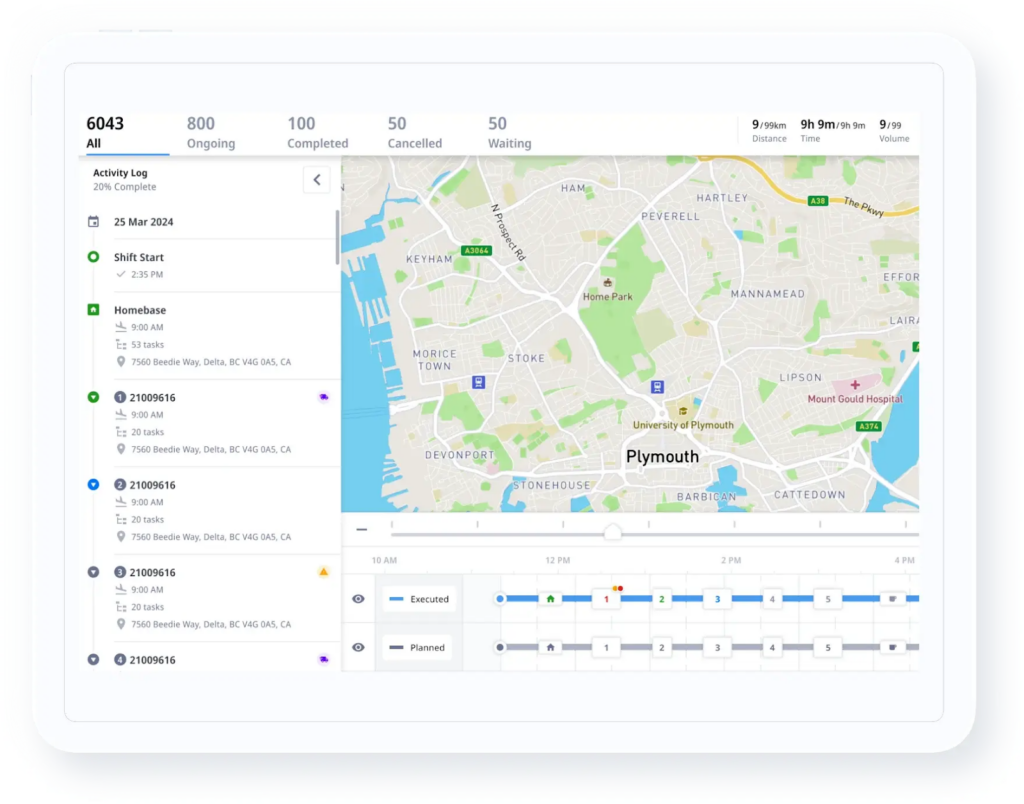
Limited visibility remains a major operational risk. Research from Deloitte indicates that real-time fleet visibility can improve on-time performance by up to 20 percent in complex delivery networks.
Through strong route management and route scheduling, Locus gives dispatchers execution-level insight, supporting faster rerouting and more accurate customer communication.
6. Extended Vehicle Lifespan and Lower Maintenance Risk
Unplanned maintenance is a persistent cost driver. Studies from the U.S. Department of Energy show that preventive maintenance programs can reduce vehicle breakdowns by 30–40 percent. Fleet management systems link usage patterns with service schedules, reducing wear and avoiding preventable failures.
By improving routing efficiency and load balance, Locus helps prevent the overuse of specific assets.
7. Higher Customer Satisfaction and Service Reliability
Customer tolerance for delivery failure continues to shrink. PwC reports that 32 percent of customers stop doing business after a single poor delivery experience. Fleet management systems improve service reliability by keeping ETAs realistic and execution predictable.
When logistics route planning stays aligned with live conditions, fleets protect service quality without increasing operating cost.
8. Better Decision-Making Through Execution-Level Data
Many fleets collect data but struggle to act on it. Gartner highlights that analytics disconnected from execution often fails to influence outcomes. A modern fleet management system closes this gap by embedding insights directly into daily workflows.
Locus applies execution-first intelligence, allowing dispatchers and managers to make decisions where they have immediate impact, rather than reviewing dashboards after the fact.
Environmental Benefits of Fleet Management
Sustainability is now an operational requirement for fleet teams, particularly in the US, where emissions reporting and fuel efficiency standards continue to tighten. One of the most direct environmental benefits of effective fleet management in the USA is lower fuel consumption.
The U.S. Environmental Protection Agency notes that fuel-efficient driving and optimized routing can materially reduce greenhouse gas emissions across commercial fleets.
Fleet management systems support these outcomes by addressing avoidable waste in daily execution. Reducing unnecessary mileage, limiting idle time, and aligning routes with real-world traffic conditions lowers fuel burn and cuts emissions without changing fleet size or service commitments.
Locus improves routing efficiency through automated route planning and dispatch decisions informed by execution awareness. Routes adjust based on demand, vehicle capacity, and live constraints rather than remaining static.
This allows fleets to pursue sustainability targets while maintaining service reliability, embedding environmental responsibility into everyday operations instead of treating it as a separate initiative.
Which Businesses Benefit Most From Fleet Management?
Fleet management delivers the clearest value when operations are complex enough that manual coordination starts to break. That typically includes:
- Medium and large fleets operating across multiple depots, regions, or shifts
- Delivery businesses with tight SLAs, narrow delivery windows, or same-day and next-day expectations
- Networks balancing owned vehicles, outsourced capacity, 3PL partners, or gig drivers
- Organisations struggling with weak ETA accuracy, high failed-delivery rates, rising fuel spend, or dispatcher overload
- Businesses expanding into new geographies where standardisation and visibility become harder to maintain
- Operations with fluctuating daily order volumes, seasonal spikes, or repeated disruption from traffic, labour, or capacity shortages
Benefits by stakeholder
| Stakeholder | Primary benefit | Metrics they usually care about |
| Operations leader | Scalable cost control and service reliability | Cost per delivery, on-time delivery, SLA adherence |
| Fleet manager | Better asset oversight and utilisation | Utilisation, downtime, maintenance events, idle capacity |
| Dispatcher | Faster planning and exception handling | Planning time, manual interventions, route adherence |
| Driver manager | More consistent driver experience and behaviour control | Schedule adherence, workload balance, behaviour events |
| Finance team | Clearer ROI and cost transparency | Fuel spend, overtime, maintenance cost, asset ROI |
| Customer service team | Better communication and fewer escalations | ETA accuracy, failed deliveries, customer contact volume |
| IT and data teams | Governed integrations and system reliability | API coverage, security, data quality, user adoption |
Advanced Fleet Management Technologies
Fleet management technology now extends beyond basic GPS tracking. Modern platforms combine telematics, AI, and automation to support faster, more accurate decisions during live operations. For fleet teams, the value lies in how directly these tools improve dispatch accuracy, route reliability, and exception handling while vehicles are already in motion.
The Role of Telematics and AI
Telematics provides real-time data on vehicle location, speed, fuel usage, and engine health. Its impact increases when paired with AI. Gartner notes that AI-driven systems deliver better outcomes when insights are applied within execution workflows rather than reviewed later in static reports.
In practice, AI helps dispatchers identify route risk earlier, prioritize interventions, and adjust plans during disruptions. Locus applies AI at the execution layer, using live inputs to keep route planning, route scheduling, and dispatch decisions aligned with on-ground conditions.
Autonomous Fleet Management Systems
Autonomous fleet management today focuses on decision automation, not driverless vehicles. Systems already automate route creation, dispatch allocation, and exception handling with limited manual input. This reduces planning effort and standardizes execution across regions.
Locus supports this model through automated dispatch optimization software, where AI recommends actions while maintaining human oversight. This balance helps fleets scale operations without losing control.
Industry-Specific Applications
Fleet management needs vary by industry. Asset types, delivery patterns, compliance requirements, and service expectations differ widely, which means execution models must adapt. Modern fleet management systems support this by providing control at the execution layer across different operating environments.
Fleet Management for Construction Companies
Construction fleets operate across shifting job sites with changing schedules and access conditions. Limited visibility often results in idle equipment and coordination gaps. Fleet management systems improve asset tracking, route scheduling, and operational safety in these environments.
Locus aligns logistics route planning with live site conditions and vehicle availability, helping construction teams stay coordinated as project requirements change.
Fleet Management for Retail and E-commerce Delivery
Retail and e-commerce fleets operate under tight delivery windows and fluctuating order volumes. Missed ETAs and inefficient routing directly affect customer experience. Fleet management systems support route management, real-time visibility, and exception handling during peak demand.
Locus adjusts dispatch decisions dynamically as volumes and delivery conditions shift, helping retail fleets maintain reliable delivery timelines.
Fleet Management for 3PLs and Logistics Service Providers
3PLs manage multi-client fleets with different service-level commitments, which increases execution complexity. Fleet management systems provide the visibility and standardization needed to maintain routing efficiency, asset utilization, and performance tracking across accounts.
Locus helps 3PLs balance competing priorities while maintaining consistent execution across regions and clients.
How Fleet-Management Software Creates These Benefits
Most benefits of fleet management come from a small set of execution capabilities working together:
- Route optimisation and route planning: reduce unnecessary miles, sequence stops better, and respect vehicle, customer, and timing constraints.
- Dispatch automation and dispatch optimisation: assign work quickly, rebalance routes, and reduce manual intervention during the day.
- Dynamic rerouting and exception management: react to traffic, failed deliveries, capacity shortages, or order changes while vehicles are active.
- Driver app workflows: support task acceptance, navigation, proof of delivery, issue capture, and status updates.
- Live visibility and ETA management: give operations and customer teams current location, route, and stop status.
- Analytics and reporting: quantify cost, utilisation, service, and productivity trends.
- Integrations: connect TMS, ERP, WMS, OMS, CRM, telematics, fuel, compliance, and maintenance tools through APIs or data exchange.
For clarity, Locus directly supports route planning, dispatch optimisation, visibility, ETA support, and execution management. Telematics, vehicle-health data, preventive maintenance, ELD/HOS, and compliance data are typically integration-supported rather than assumed to be native in every deployment.
How to Measure Fleet-Management ROI
Fleet-management ROI should be calculated from your operating baseline, not from generic vendor benchmarks alone.
ROI formula:
ROI = (annual quantified benefits ? annual platform and operating costs) ÷ annual platform and operating costs
Benefit categories to quantify
- Fuel savings from fewer miles, less idling, and better route design
- Reduced overtime and route-planning labour
- Lower failed-delivery and reattempt costs
- Higher delivery capacity without proportional headcount growth
- Lower breakdown-related downtime
- Reduced claims, incidents, or compliance-related cost
- Better asset utilisation and deferred fleet expansion
Practical benchmark to reference
The Verizon Connect 2025 Fleet Technology Trends Report reported that 33% of GPS fleet tracking users saw a positive ROI in less than six months in 2025. That is useful directional evidence, but your own payback period should still be based on route structure, fleet mix, labour costs, service levels, and current process maturity.
Baseline-first approach
Before implementation, document at least 8–12 weeks of baseline data for:
- Cost per mile, stop, and delivery
- Fuel consumption and idle time
- On-time delivery and ETA accuracy
- Route-planning time and dispatcher workload
- Vehicle utilisation and downtime
- Failed deliveries, reattempts, and customer contacts
This makes post-launch improvement measurable and prevents savings claims from being inflated by unrelated changes in volume or seasonality.
Fleet-Management Implementation Roadmap
A practical implementation usually follows this sequence:
- Baseline the current operation using cost, service, utilisation, and productivity KPIs.
- Audit systems and data across orders, vehicles, drivers, depots, customers, and telemetry sources.
- Connect core data flows from ERP, TMS, WMS, OMS, CRM, telematics, and driver tools where needed.
- Configure business rules and constraints such as vehicle capacity, delivery windows, service times, route territories, and outsourced-capacity logic.
- Pilot one region or use case before enterprise-wide rollout.
- Train dispatchers, planners, and drivers on the new workflows, not just the software screens.
- Measure results against baseline and correct data or adoption issues quickly.
- Scale progressively across sites, regions, and fleet types once KPI ownership is clear.
The biggest dependencies are data quality, integration completeness, driver and vehicle coverage, user adoption, exception ownership, and change management. Visibility alone does not create value; repeatable interventions do.
Common Challenges and Limitations
Fleet management can produce strong results, but there are common reasons implementations underperform:
- Poor master data for stops, service times, capacities, or driver schedules
- Incomplete integration between planning, dispatch, telematics, and business systems
- Low dispatcher or driver adoption of new workflows
- Driver privacy concerns when tracking or telematics practices are not explained well
- Over-automation that removes operational judgement in edge cases
- Undefined ownership for exceptions such as failed deliveries, late departures, or vehicle breakdowns
- Unrealistic delivery promises that software alone cannot fix
- Depot, labour, or vehicle constraints that limit achievable gains
The main lesson is simple: software does not improve operations by itself. Improvement comes from better decisions, cleaner data, accountable workflows, and sustained operating discipline.
Choosing the Right Fleet Management Solution
Selecting a fleet management system is no longer just a technology decision. It directly affects cost control, service reliability, safety outcomes, and the ability to scale operations without adding complexity.
As fleets grow, tools that operate in silos or rely heavily on manual coordination limit operational control rather than improving it. When evaluating solutions, fleet leaders should look beyond basic tracking and reporting.
Key factors include the depth of the dispatch management process, the ability to act on data during live operations, scalability across regions, and the alignment of planning with execution. Systems that separate analytics from day-to-day decision-making often fail to deliver consistent results.
Locus connects automated route planning, real-time dispatch, and execution visibility into a single operational layer. Instead of reacting to issues after routes break down, teams adjust decisions as conditions change on the ground.
This approach supports better routing efficiency, more reliable service, and stronger operational control across complex fleet networks. Schedule a demo to review how Locus supports real-time fleet execution across your network.
Frequently Asked Questions (FAQs)
1. What are the key features to look for in a fleet management system?
Key features include real-time tracking, route management, automated dispatch, preventive maintenance visibility, safety monitoring, and execution-level analytics. The most effective systems connect these capabilities directly to daily operational workflows rather than standalone reporting.
2. What are the cost benefits of implementing a fleet management system?
Fleet management systems help reduce fuel spend, idle time, manual planning effort, and unplanned maintenance. Over time, these improvements lower operating costs while improving asset utilization and delivery reliability.
3. How does fleet management technology improve safety and compliance?
Fleet management platforms monitor driving behavior, vehicle health, and route adherence. This supports safer operations, clearer audit trails, and faster response to compliance risks across regulated fleet environments.
4. What are the environmental benefits of using fleet management solutions?
By reducing unnecessary mileage, idle time, and inefficient routing, fleet management systems lower fuel consumption and emissions. These environmental benefits are especially relevant for US fleets facing tighter sustainability expectations.
5. How do autonomous fleet management systems help fleet teams today?
Autonomous fleet systems automate routing, dispatch allocation, and exception handling. While vehicles remain driver-operated, decision automation reduces planning time and improves consistency across large or multi-region fleets.


Logistics Software
Top Reverse Logistics Companies & Software Solutions of 2026

Sep 23, 2026
Compare the top 10 reverse logistics software in 2025. Learn why Locus stands out among the best reverse logistics companies for efficient solutions.
Read more
General
The 11 Essential Last Mile Delivery Metrics Every Enterprise Logistics Leader Needs to Track in 2026
Sep 23, 2026
Discover the 10 essential last-mile delivery metrics that drive enterprise success in 2025, from predictive analytics to cost optimization strategies.
Read moreInsights Worth Your Time




















8 High-Impact Benefits of a Modern Fleet Management System