Our First Steps to Perpetuity

Last updated:
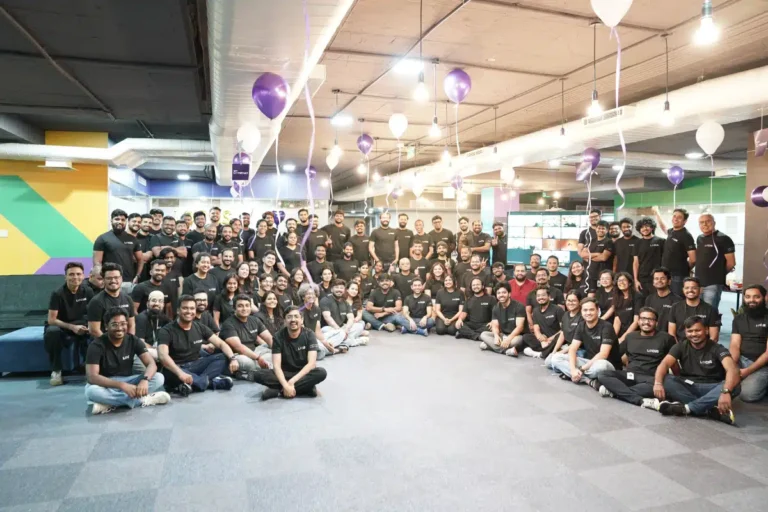
Locus is joining Ingka (IKEA Retail) while remaining independent: same team and roadmap, more resources to build an agentic TMS for all miles, all channels.
Read moreLocus latest blogs

Why Returns Management is a TMS Problem, Not Just a Warehouse Problem
Transportation owns 49% of returns cost and every decision about when goods arrive. Collecting every three days instead of daily doubles the warehouse a retailer has to build.

Last updated:

Returns Management and Refund Cycle Time in 2026: Where the Days Actually Go
Transport legs are 60% of refund cycle days and 76% of the variance. Because the refund promise is set on a quantile, variance is what decides how many days you can advertise.

Last updated:

Returns Management in 2026: Why You Cannot Consolidate a Pickup You Do Not Know About Yet
Consolidating return pickups cuts cost by roughly 70%, but only for returns the planner knows about before it commits the route. At an 18-hour commit, 45% are invisible.
Last updated:

Returns Management Platforms in 2026: The Transport Questions to Ask Before You Buy
Returns management platforms are evaluated on portals, labels and refund rules. The transport layer decides the cost, and a blended cost-per-pickup hides a 3.5x range across your own network.
Last updated:

ELD Revocation and Fleet Utilization in 2026: What Happens to Capacity When Your Hours-of-Service Feed Goes to Paper
FMCSA has pulled 79 devices from the ELD registry since January 2025. If your dispatch uses hours-of-service as a live input, a revocation costs capacity utilization, not just compliance.

Last updated:

Transportation Orchestration Software: How to Unify Planning, Tendering, Execution, and Billing
Learn how transportation orchestration software unifies planning, tendering, execution, and billing plus ways Locus automates each stage for retail carriers.

Last updated:

Fleet Capacity Planning Software: How to Staff and Dispatch for Promised Retail Volume
Find out how fleet capacity planning software maps peak forecasting, shift design, and vehicle mix so promised retail volume is staffed and dispatched.
Last updated:

TMS for European Operations in 2026: Why Four Constraints Checked in Sequence Leave You With No Plan
European planning carries four independent legality filters. Applied in sequence to a plan built without them, they leave 24% of candidates standing, and most of the solver's work was never legal.
Last updated:
Insights Worth Your Time