


Our First Steps to Perpetuity

Last updated:
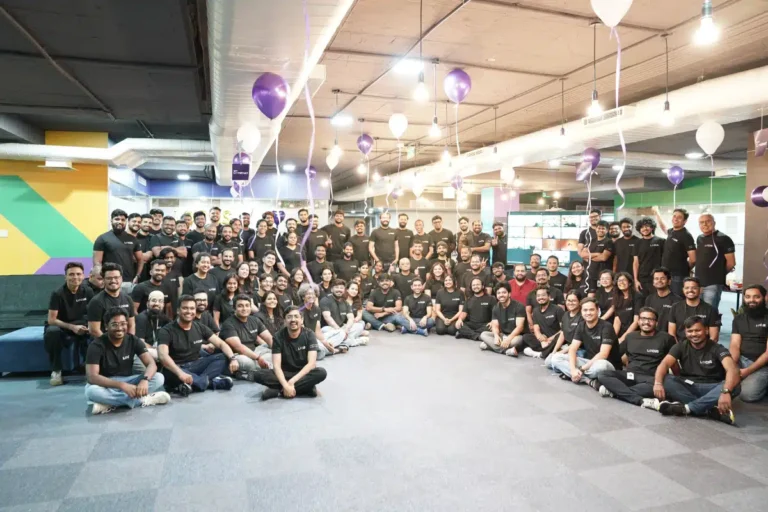
Locus is joining Ingka (IKEA Retail) while remaining independent: same team and roadmap, more resources to build an agentic TMS for all miles, all channels.
Read moreLocus latest blogs

How Accurate Delivery Date Promising at Checkout Reduces Cart Abandonment in 2026
Vague or missing delivery dates drive shoppers to abandon at the last step. Here is how capacity-aware date promising closes that gap, and what the data supports.

Last updated:

Delivery Slot Promising vs Static Shipping Estimates: What Should Show at Checkout in 2026
Static shipping estimates and capacity-aware slot promising look identical at checkout but behave very differently. Here is the difference, and how to tell which one you run.

Last updated:

What Is a Supply Chain Orchestration Platform? Coordinating WMS, TMS, and Last Mile
Learn how a supply chain orchestration platform coordinates WMS, TMS, and last mile and how Locus orchestrates retail execution alongside your core systems.

Last updated:

End-to-End Logistics Orchestration: A Reference Architecture for Retailers
Explore a reference architecture for end to end logistics orchestration, from order capture to POD, and map every layer to a single AI-powered platform.
Last updated:

Why a Great Driver Experience is Critical for Seamless Returns Experience in 2026
A collection takes 6.5 minutes against a delivery's 3.5 and usually pays the same, costing the driver 12% of hourly earnings. Paying that back costs 70% of what the movement itself costs.
Last updated:

How Locus Agentic TMS Improves Returns Experience in 2026
A returns experience is five moments, and four are transport decisions. What an agentic TMS changes at each one, and the published numbers behind it.

Last updated:

TMS-Generated Return Visibility in 2026: What Adding Carriers Means
A unified returns view shows only the states every carrier emits. Across four carriers that is 4 of 11, which is why the return timeline has to be generated by your TMS rather than inherited.
Last updated:

How AI Route Optimization Cuts Reverse Logistics Costs for Pickups and Returns in 2026
Simulated against a real 40-stop delivery route, inserting return pickups cost 37% to 50% less than dedicated trips, and 58 of 60 returns were worth inserting. The routing is not the hard part.
Last updated:
Insights Worth Your Time

















