


General
Cloud Fleet Management System: Your Secret Weapon to Lower Operating Costs
Key Takeaways
- A cloud fleet management system lowers operating costs by reducing infrastructure spend, improving vehicle utilization, and enabling real-time decisions across routes, drivers, and assets.
- Centralized cloud data improves compliance reporting, performance tracking, and audit readiness while reducing manual reconciliation across disconnected fleet systems.
- Cost reduction depends on execution, not visibility alone. Fleets gain the most value when insights directly drive dispatch and route-level actions.
- AI and predictive analytics will define the next phase of fleet management by preventing delays, maintenance issues, and safety risks before they impact operations.
- Locus helps enterprises move from monitoring fleet costs to controlling them through execution-first dispatch, real-time adjustments, and unified operational visibility.
Transportation accounts for roughly 27 percent of total U.S. greenhouse-gas emissions, according to McKinsey’s analysis on fleet decarbonization, with commercial fleets responsible for a material share of that footprint.
Beyond sustainability reporting, this places fleet operations at the intersection of cost pressure, regulatory scrutiny, and performance accountability, while highlighting how many operating models fall short of current efficiency requirements.
A cloud fleet management system addresses this operational shortfall directly. It brings vehicle data, driver activity, fuel consumption, maintenance status, and routing into a single, connected system.
With real-time visibility and consistent data, fleet teams shift from reactive coordination to controlled execution, where daily decisions tie back to measurable cost and performance outcomes.
This blog explains how cloud fleet management systems reduce operating costs, support emissions targets, and strengthen operational discipline, using proven frameworks, core technology capabilities, and real-world use cases.
Key Features of Cloud-Based Fleet Management Systems
A cloud-based fleet management system replaces fragmented tools with a single, always-on operational layer. Instead of managing data locally or reacting after issues surface, fleet teams work with live inputs that support faster, cost-aware decisions.
Real-Time Visibility and Control
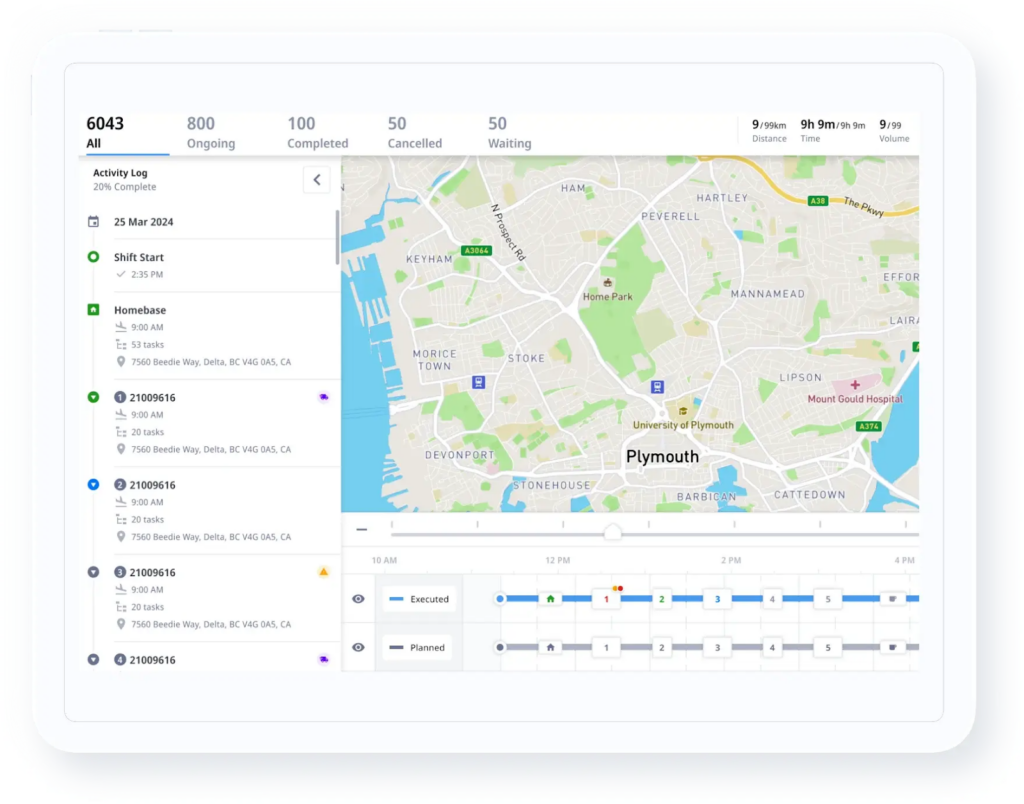
Cloud platforms provide live visibility into vehicles, routes, drivers, and delivery status through a single interface. Dispatch teams can identify issues early, such as:
- Routes falling behind schedule
- Capacity gaps across vehicles or depots
- Deviations that increase cost or service risk
Early intervention reduces manual follow-ups and limits the need for buffer resources during execution.
Scalability Across Locations and Vehicle Types
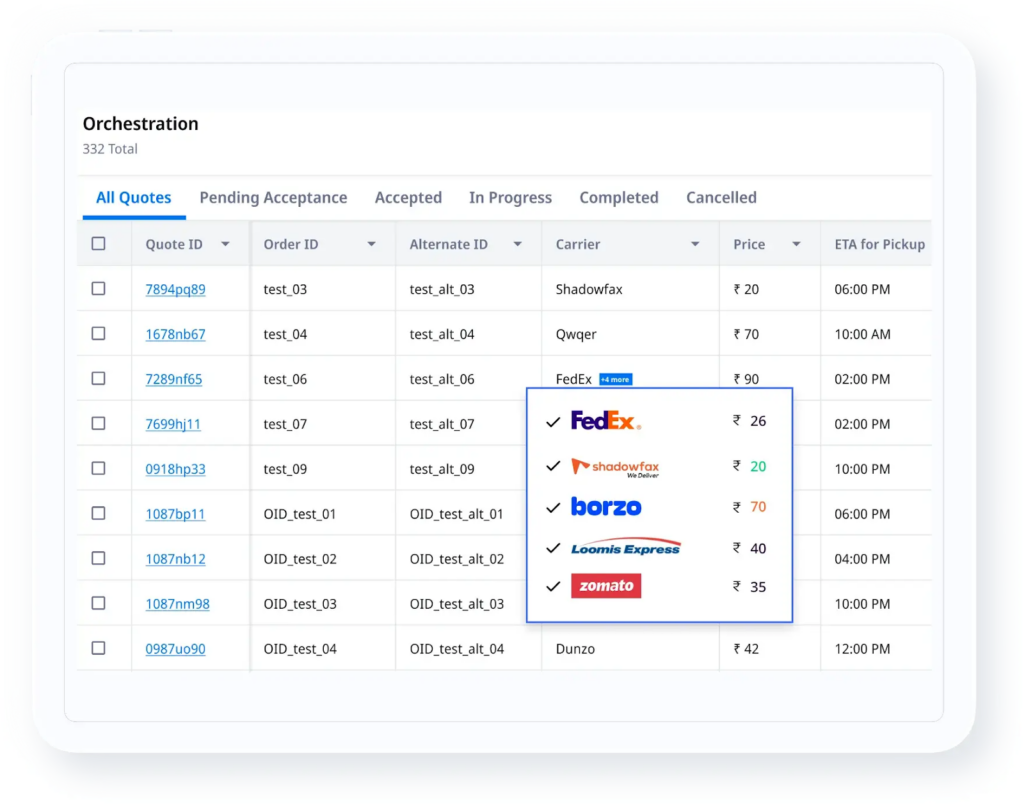
Cloud systems scale without additional infrastructure. Fleets can add vehicles, depots, regions, or specialized assets, including a cloud-based forklift fleet management system, without reconfiguring the platform.
This flexibility supports:
- Seasonal demand spikes
- Network expansion across regions
- Mixed fleets with different asset types
IT costs remain predictable as operations grow or contract.
Cost Efficiency Through Reduced Infrastructure and Maintenance
Cloud deployment removes the need for upfront server investments, ongoing maintenance, and manual upgrade cycles. Software updates and security patches roll out automatically, reducing system overhead and freeing teams to focus on utilization and performance.
Platforms such as Locus build on these foundations by linking live fleet visibility with dispatch planning and performance analytics. This helps enterprises control operating costs while maintaining execution consistency at scale.
Advantages of Cloud-Based Fleet Management Systems
The advantages of cloud-based fleet management systems extend beyond lower IT overhead. For fleet leaders, the real gains come from tighter operational control, faster reporting, and easier coordination across teams and locations.
Data Centralization for Compliance, Reporting, and Analytics
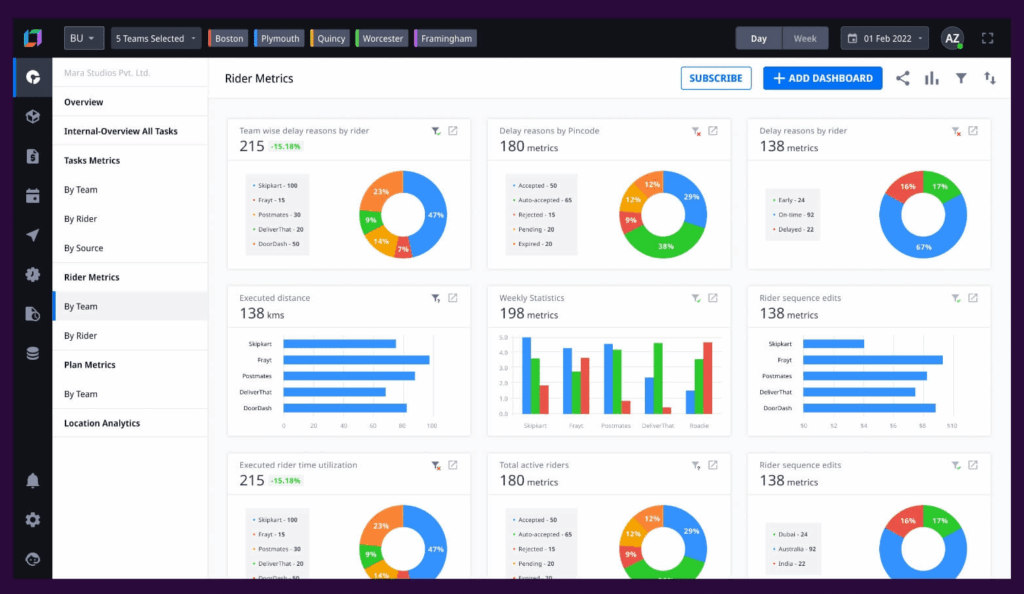
A cloud fleet management system consolidates vehicle data, driver activity, maintenance records, and route performance into a single source of truth. This supports:
- Faster compliance and audit reporting
- Consistent KPI tracking across regions
- Reduced time spent reconciling data from multiple systems
Teams spend less time preparing reports and more time acting on insights during operations.
Enhanced Security and Reliable Backups
Cloud platforms apply enterprise-grade security by default, including access controls, automated backups, and data recovery mechanisms. Fleet data remains protected even if local systems fail or sites go offline.
Centralized permission management also lowers the risk of unauthorized access to sensitive vehicle and driver information.
Integration with Maintenance, HR, and Safety Systems
Cloud-based systems integrate more easily with maintenance scheduling, HR records, and safety programs. This removes duplicate data entry and improves coordination across functions. For example:
- Driver behavior data can feed directly into safety coaching
- Maintenance alerts can align with actual route usage and asset load
Together, these advantages reduce operational friction and support a more resilient, cost-aware fleet operating model.
Implementation Strategies for Cloud Fleet Management
Moving to a cloud fleet management system is an operational change, not just a technology upgrade. Clear planning is required to translate adoption into cost and efficiency gains.
Assess Operational Needs and Objectives
Begin by defining the outcomes the system must support. Common priorities include:
- Reducing fuel and maintenance spend
- Improving on-time performance
- Gaining consistent visibility across routes and depots
Clear objectives help teams focus on features and KPIs that drive cost control, rather than collecting data that goes unused.
Evaluate Cloud Vendors and System Compatibility
Assess platforms based on their integration with existing routing, dispatch, maintenance, and telematics systems. Strong compatibility shortens deployment time and reduces disruption.
Cloud solutions that support modular rollout allow teams to expand usage gradually without forcing rigid workflows across the organization.
Plan for Data Migration and Integration
Prepare data before migration. Standardizing vehicle IDs, route definitions, and driver records reduces reporting errors after go-live.
Integration planning should prioritize systems that influence daily execution, particularly dispatch and maintenance scheduling, where data accuracy has an immediate impact.
Train Users and Establish Change Management
Role-specific training is critical for dispatchers, drivers, and operations teams. Adoption improves when users understand how cloud insights reduce manual work and speed up issue resolution.
Clear communication around process changes helps limit resistance and accelerates uptake.
Overcoming Common Challenges
Shifting to a cloud fleet management system delivers clear gains in cost control and visibility, but adoption often comes with practical hurdles. Addressing these early helps protect ROI and maintain operational continuity.
Data Privacy and Cybersecurity Concerns
Fleet data includes sensitive driver, vehicle, and route information. Cloud platforms must support:
- Role-based access controls
- Data encryption in transit and at rest
- Audit logs for compliance and review
Selecting vendors with proven enterprise security standards reduces compliance risk and builds confidence across IT, legal, and operations teams.
Resistance to Change Among Drivers and Administrators
Adoption slows when teams do not see how new systems improve daily work. Resistance drops when training focuses on practical outcomes, such as:
- Fewer manual updates and follow-ups
- Clearer route and task assignments
- Faster resolution of delays and exceptions
When users experience time savings and reduced friction, adoption improves naturally.
Integration With Legacy Systems
Many fleets still rely on older maintenance, HR, or telematics tools. Poorly planned integration can delay value. A phased approach works better, starting with systems that directly affect execution:
- Dispatch and route management
- Asset usage and maintenance scheduling
Once these are stable, additional integrations can be layered in without disrupting operations.
Bandwidth and Connectivity Issues in Remote Areas
Remote routes or yards may experience inconsistent connectivity. Cloud platforms designed for these conditions support local data caching and automatic sync when connections resume. This prevents data gaps and reporting delays without requiring constant network availability.
Handled early, these challenges become transition steps rather than long-term blockers, allowing teams to realize the full benefits of cloud-based fleet management.
The Future of Cloud-Based Fleet Management
The next phase of cloud-based fleet management is being shaped by AI-driven decision support, deeper safety integration, and unified execution platforms. Research from McKinsey & Company and Gartner points to a shift toward systems that influence decisions during execution rather than after the fact.
AI and Predictive Analytics
McKinsey highlights that AI-led logistics planning and predictive maintenance can reduce fleet operating costs by 10–15 percent through improved asset utilization and earlier issue detection. In cloud environments, AI models analyze live route, vehicle, and driver data to:
- Anticipate delays before SLAs are impacted
- Flag maintenance risks earlier
- Identify emerging capacity constraints
This moves fleets from reactive response to proactive control.
Integration with Safety Systems and ADAS
Gartner notes growing adoption of platforms that connect advanced driver assistance systems (ADAS) and telematics into centralized cloud environments. This allows fleets to correlate:
- Driving behavior and incident data
- Route conditions and risk patterns
The result is more targeted safety coaching and lower compliance and insurance exposure.
Unified Execution Platforms
Unified execution platforms like Locus help you move away from siloed tools toward unified control platforms. Cloud systems that connect routing, dispatch, compliance, and maintenance reduce coordination overhead and improve response speed during disruptions.
Execution-focused platforms such as Locus align with this shift by linking cloud-based visibility directly to real-time dispatch and operational decision-making.
Why Enterprises Choose Locus to Control Fleet Costs at Scale
Cloud fleet management systems only reduce costs when insights translate into action. Visibility alone does not prevent delays, underutilization, or manual dispatch firefighting. This is where execution-focused platforms stand apart.
Locus operates as a live execution layer, continuously aligning routes, vehicles, capacity, and service commitments as conditions change. DispatchIQ applies execution-aware logic to adjust assignments and route scheduling in real time, reducing cost leakage from delays, re-routes, and missed delivery windows.
The Control Tower provides a single operational view across hubs, cities, and fleets, replacing fragmented tools and manual coordination.
For enterprise fleets, this results in:
- Fewer empty or inefficient miles
- Tighter vehicle and capacity utilization
- Faster exception handling during live execution
- More predictable operating costs as networks scale
Instead of reacting after problems occur, teams prevent them during execution.
Explore how Locus supports cost-controlled fleet operations at scale. Schedule a demo to see how Locus enables real-time, execution-first fleet management.
Frequently Asked Questions (FAQs)
1. How Secure Is Data in a Cloud Fleet Management System?
Most enterprise-grade cloud fleet management systems use encryption, role-based access, audit logs, and regular backups. This setup reduces data-loss risk and supports compliance reporting better than on-premises systems, especially for fleets operating across multiple regions and regulatory environments.
2. Can Cloud Fleet Management Systems Integrate with Existing Tools?
Yes. Modern cloud platforms are designed to integrate with routing, dispatch, telematics, maintenance, HR, and safety systems. Successful integrations focus first on systems tied to daily execution, so teams see operational value quickly without disrupting ongoing fleet operations.
3. What Cost Savings Can Fleets Expect from Cloud Fleet Management?
Cost savings typically come from lower IT infrastructure spend, improved vehicle utilization, reduced fuel waste, and fewer manual interventions. Research from McKinsey shows that data-driven fleet and logistics optimization can reduce operating costs by 10–15 percent when applied consistently.
4. How Does Cloud Fleet Management Improve Operational Efficiency?
Cloud systems improve efficiency by centralizing data, enabling real-time visibility, and supporting faster decision-making. Dispatchers can respond to delays, capacity imbalances, and exceptions as they occur, instead of relying on delayed reports or manual coordination.
5. How Does Locus Fit into a Cloud Fleet Management Strategy?
Locus complements cloud fleet management by acting as a live execution layer. It connects real-time visibility with dispatch decisions, route adjustments, and performance control, helping enterprises prevent cost overruns during daily operations rather than reacting after issues occur.


General
Comprehensive Guide to Electric Vehicle Fleet Management in 2026

Jan 28, 2026
Understand electric vehicle fleet management software, system features, and implementation tips. Contact us for a free trial today.
Read more
General
Top 10 e2open Competitors to Consider in 2026
Feb 2, 2026
Explore the top e2open competitors and alternatives in 2026. Compare supply chain visibility platforms, features, and capabilities.
Read moreInsights Worth Your Time




















Cloud Fleet Management System: Your Secret Weapon to Lower Operating Costs