


General
The Future of Route Analysis: Techniques, Benefits & Implementation
Key Takeaways
- Route analysis enhances operational efficiency by minimizing detours and optimizing delivery routes, resulting in faster, more reliable deliveries.
- Advanced technologies such as AI and GIS play a vital role in route analysis, enabling businesses to make data-driven decisions and optimize routes in real time.
- Cost savings are significant with route analysis, as it reduces fuel consumption, vehicle wear and tear, and operational inefficiencies, improving overall profitability.
- Improved customer satisfaction results from timely deliveries, precise tracking, and better service quality, which route analysis helps businesses achieve consistently.
- Locus offers a scalable solution for route analysis, helping businesses optimize their delivery operations and improve efficiency through AI-powered automation and real-time data insights.
Optimizing delivery routes is essential for reducing costs, improving efficiency, and boosting customer satisfaction. Route analysis provides the insights needed to identify inefficiencies and make data-driven decisions. By leveraging advanced technologies like AI, GIS, and machine learning, route analysis enables real-time decision-making and long-term operational improvements.
This article will explore the fundamentals of route analysis, the latest techniques driving its evolution, and the measurable benefits it brings to businesses. From cutting operational costs to enhancing sustainability, route analysis impacts more than just delivery times. Let’s dive into how businesses can leverage route analysis to stay ahead of the competition.
Understanding Route Analysis Fundamentals
Route analysis is the process of evaluating delivery routes to identify inefficiencies and improve overall performance. By leveraging data and technology, businesses can optimize their delivery operations, reduce costs, and improve service levels. The following core components play a crucial role in route analysis.
Core Components of Route Analysis include:
Automated Route Planning
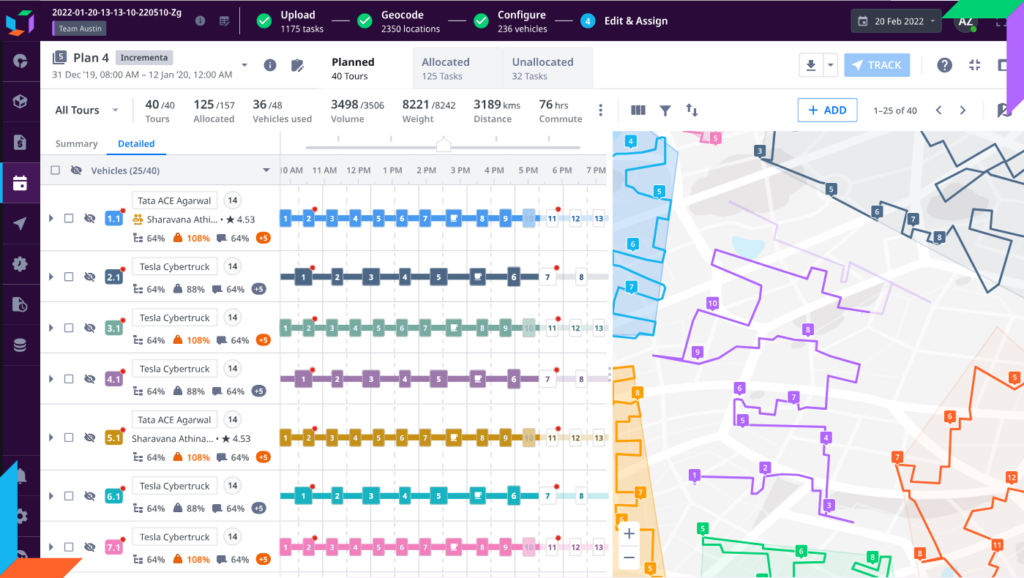
Manual route planning is slow and error-prone, often leading to wasted miles and higher fuel costs. Automated route planning uses AI to evaluate delivery constraints such as traffic, time windows, and vehicle capacity, producing the most efficient sequence of stops. This reduces empty miles, improves delivery accuracy, and lowers operational costs.
Real-Time Dispatch Management
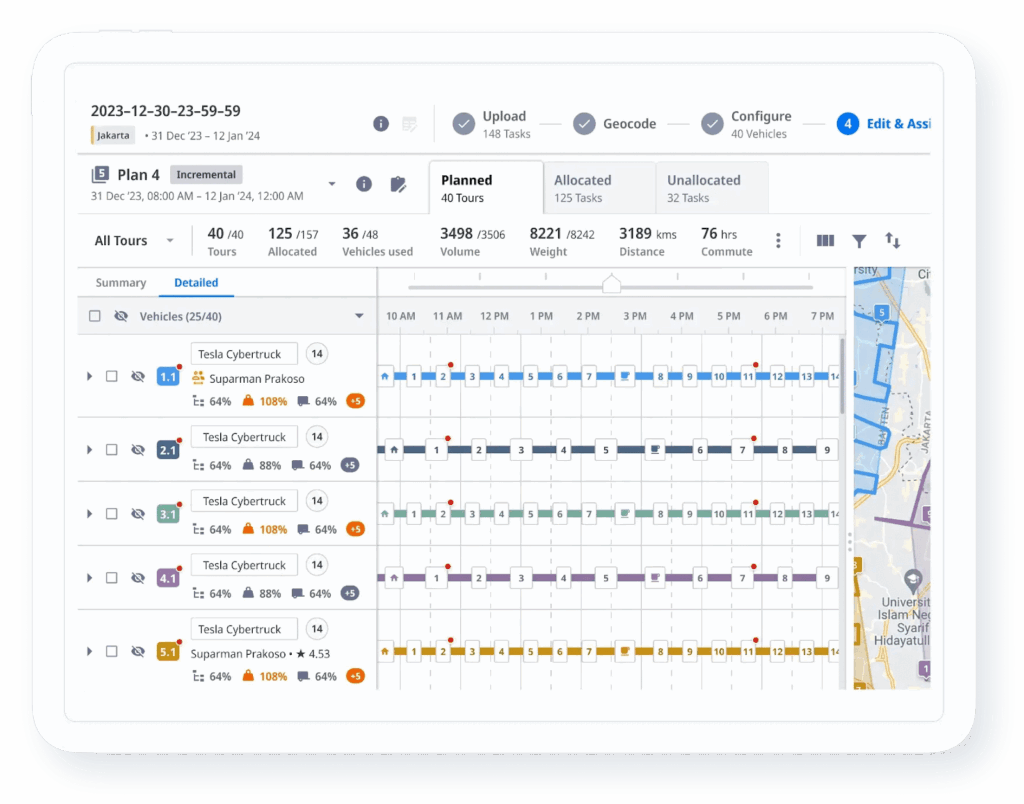
Static dispatching cannot handle live disruptions like traffic jams or vehicle breakdowns. Real-time dispatch management reallocates jobs instantly and provides dispatchers with a single control point to monitor all deliveries. The result is faster recovery from delays, fewer SLA breaches, and higher dispatcher productivity.
Exception Handling and Predictive Alerts
Without predictive alerts, enterprises often learn about delivery failures too late to act. Exception handling systems flag delays, failed attempts, or disruptions as they occur, often forecasting issues before they escalate. Businesses gain time to communicate with customers or reroute resources, protecting service reliability.
Capacity-Aware Scheduling
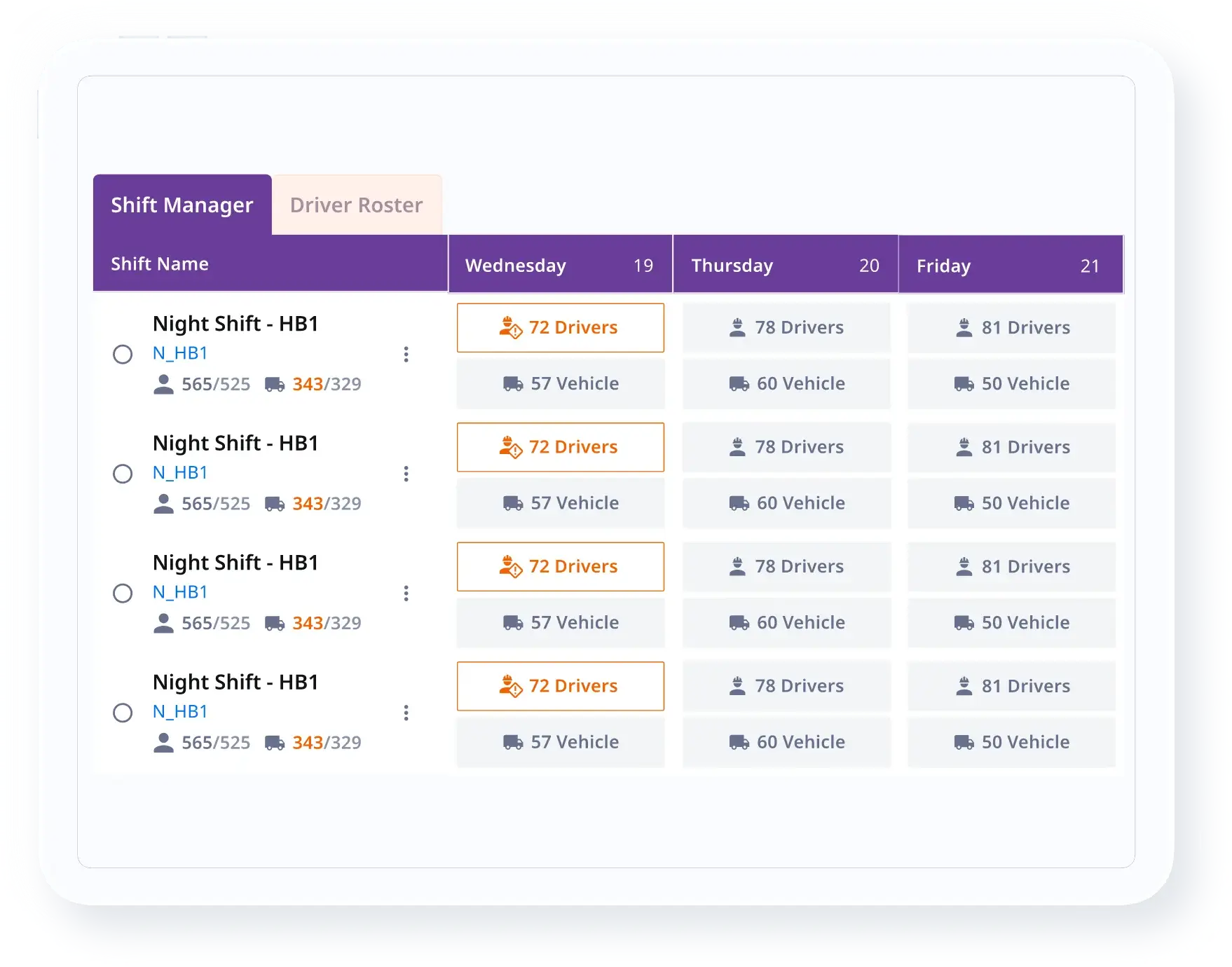
Overlooking vehicle capacity leads to underutilization or overloads that slow down operations. Capacity management optimizes assignments based on vehicle size, weight limits, and delivery mix. This drives better resource use, reduces fuel consumption, and minimizes the need for return trips.
Customer Visibility and ETA Accuracy
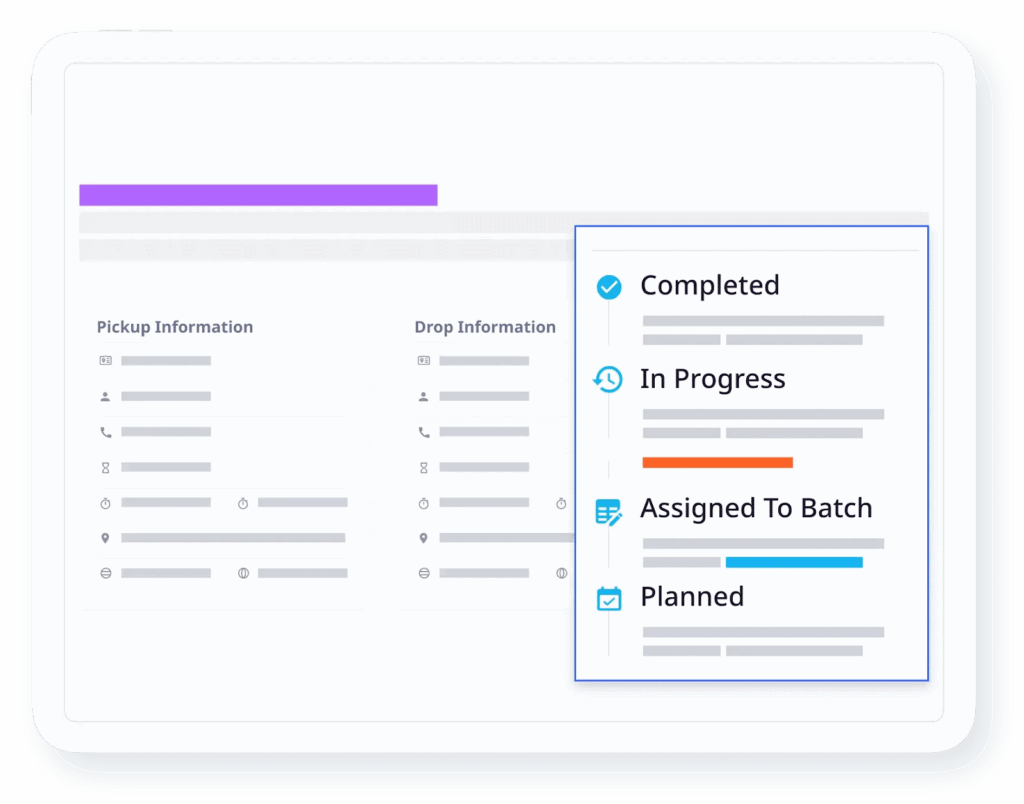
Customers expect real-time visibility into their deliveries. Without accurate ETAs, support teams spend hours handling “where is my order” calls. Customer visibility tools provide live tracking links, proactive notifications, and reliable ETAs. This improves satisfaction, reduces inbound calls, and builds stronger brand trust.
Route Cause Analysis
Route cause analysis is a critical technique within route analysis that focuses on identifying inefficiencies and areas for improvement in existing routes. By examining factors such as delays, detours, or increased fuel consumption, businesses can pinpoint specific areas that contribute to operational disruptions. Common causes include poor traffic planning, weather-related issues, or suboptimal stop sequencing.
With route cause analysis, businesses can adjust their routes dynamically, based on real-time feedback and historical data, ensuring continuous improvements and more efficient delivery operations.
Advanced Route Analysis Techniques
As delivery networks become more complex, advanced techniques like geographic information systems (GIS), machine learning (ML), and route optimization algorithms have revolutionized how businesses approach route analysis. These tools enhance operational efficiency by providing deeper insights into delivery environments, predicting optimal routes, and enabling real-time adjustments.
Geographic Information System (GIS) Implementation
Geographic information systems (GIS) offer powerful mapping and spatial analysis capabilities that enhance route analysis. By integrating GIS into route planning, businesses can gain a more comprehensive understanding of their delivery environments. GIS helps by:
- Visualizing geographic data, identifying high-traffic areas, and assessing road conditions.
- Optimizing delivery routes based on real-time factors such as weather and accidents.
This technology not only improves route efficiency but also supports better decision-making by providing a clearer view of potential disruptions and opportunities for optimization.
Machine Learning in Route Analysis
Machine learning (ML) is transforming route analysis by enabling systems to predict the most efficient paths based on extensive historical data. ML algorithms continuously learn from past data, including delivery times, traffic patterns, and route performance, to generate smarter, more efficient routing decisions.
These systems can adapt dynamically to real-time conditions, ensuring the fastest, most cost-effective delivery routes. By continuously analyzing new data, machine learning systems reduce the need for manual adjustments and help businesses stay agile in a constantly changing environment.
Route Planning and Optimization
At the heart of route analysis is route planning and optimization. Advanced algorithms are used to design the most efficient routes, taking into account variables such as:
- Delivery windows, vehicle capacity, and traffic conditions.
- Last-minute changes, such as delays or traffic jams, ensure flexibility.
Dynamic optimization enables businesses to reduce miles driven, improve fuel efficiency, and minimize delays, while ensuring timely customer deliveries. This adaptability is crucial for managing complex delivery networks and improving operational efficiency.
Measurable Benefits of Route Analysis
Route analysis is crucial for optimizing delivery operations. It helps businesses improve efficiency, customer service, safety, and sustainability, as well as reduce costs. Here’s how:
Improved Efficiency
Route analysis boosts operational efficiency by reducing detours and idle time. Data-driven insights allow businesses to optimize delivery routes, reducing delivery times and improving vehicle utilization.
This leads to faster task completion and real-time visibility for managers, enabling proactive decision-making.
Enhanced Customer Service
By ensuring timely deliveries and accurate windows, route analysis improves customer service. Customers increasingly demand faster, more predictable deliveries.
By minimizing delays and improving delivery precision, businesses can enhance customer satisfaction, which boosts retention and encourages positive word-of-mouth.
Improved Safety
Route analysis also improves safety by avoiding hazardous roads and congested areas. It analyzes road conditions, traffic flow, and risk zones to select safer routes. This reduces accidents, vehicle damage, and driver fatigue, ensuring smooth operations and protecting drivers.
Cost Savings
Route analysis leads to significant cost savings by optimizing fuel consumption and minimizing vehicle wear and tear. With more efficient routes, businesses can lower fuel costs, reduce the number of vehicles needed, and avoid costly delays, leading to overall reductions in operational expenses.
Improved Sustainability
Optimizing delivery routes also contributes to sustainability goals. By reducing fuel consumption and carbon emissions, route analysis helps businesses lower their environmental footprint.
This is increasingly important to consumers and stakeholders and aligns with global sustainability objectives.
Challenges in Route Analysis Implementation
While route analysis offers numerous benefits, implementing it successfully can present challenges. From data quality issues to resistance to change, businesses need to address these hurdles to fully harness the power of route analysis. Below are the key challenges organizations may face and how to mitigate them.
| Challenge | Description | Mitigation |
|---|---|---|
| Data Quality Challenges | Inaccurate or fragmented data leads to poor routing decisions, inefficiencies, and higher costs. | Invest in robust data collection systems, ensure real-time data accuracy, and maintain a centralized database for easier analysis. |
| Operational and System Complexity | Legacy systems may not be compatible with advanced route analysis tools, causing operational disruptions. | Seek scalable, integrative route analysis solutions that easily fit into existing systems and workflows. Train staff for smooth implementation. |
| Resistance to Change | Employees may resist new technologies due to concerns over learning curves and disruption. | Clearly communicate the benefits of route analysis and provide comprehensive training and support during the transition. |
Emerging Trends in Route Analysis
As route analysis evolves, new technologies and methodologies are enhancing its capabilities. Below are some of the key emerging trends in the field.
Decision Intelligence Systems in Route Analysis
Decision intelligence systems are becoming a powerful tool for improving route analysis. These systems leverage artificial intelligence (AI) and machine learning (ML) to not only analyze data but also make real-time decisions. By integrating data from multiple sources—such as traffic patterns, weather, and vehicle conditions—these systems can dynamically adjust routes for maximum delivery efficiency. This reduces the need for manual intervention and improves the accuracy of delivery schedules, ensuring smooth operations even in rapidly changing conditions.
Airline Route Analysis
While route analysis is often associated with logistics and delivery, its applications extend to other industries, such as aviation. In airline route analysis, data-driven insights help optimize flight paths, reduce fuel consumption, and improve overall flight efficiency. Airlines use route analysis to consider factors like air traffic, weather conditions, and airport congestion when designing flight plans. Similar to delivery operations, this approach results in reduced operational costs, enhanced fuel efficiency, and improved customer satisfaction, making route analysis essential in the aviation sector as well.
Transform Your Delivery Operations with Advanced Route Analysis
Route analysis is a game-changer in optimizing delivery operations. As logistics complexity increases, businesses need smarter, more efficient systems to stay competitive. Locus leverages AI-driven route optimization and real-time data to enhance decision-making, reduce operational costs, and improve delivery times.
With Locus, companies can streamline their routes, reduce carbon footprints, and deliver superior customer experiences. Whether it’s minimizing delays, enhancing sustainability, or boosting customer satisfaction, Locus offers a scalable solution that evolves with your needs.
Take the next step toward transforming your logistics operations. Schedule a demo with Locus and explore how our route analysis and optimization solutions can drive efficiency and reduce costs for your business.
Frequently Asked Questions (FAQs)
1. How can route analysis improve delivery efficiency?
Route analysis helps businesses optimize delivery routes, reducing unnecessary detours and minimizing idle time. By leveraging data-driven insights, businesses can ensure faster delivery times, better fleet utilization, and enhanced overall operational efficiency, resulting in a more streamlined and cost-effective delivery process.
2. What technologies are essential for advanced route analysis?
Key technologies for advanced route analysis include Geographic Information Systems (GIS) for mapping and spatial analysis, Machine Learning for predictive route planning, and AI-powered optimization tools for real-time adjustments. These technologies enable businesses to make smarter decisions, reduce operational costs, and improve delivery accuracy.
3. How does route analysis contribute to environmental sustainability?
By optimizing routes, businesses can reduce fuel consumption, minimize emissions, and lower their carbon footprint. Efficient route planning helps reduce the distance traveled and vehicle idling, which directly contributes to more sustainable and eco-friendly logistics operations.
4. What are the common challenges in implementing route analysis?
Common challenges include poor data quality, system integration issues, and employee resistance to change. Ensuring accurate, real-time data and selecting a scalable route analysis solution that integrates well with existing systems can help overcome these hurdles. Proper training and communication also help in gaining buy-in from stakeholders.
5. How can businesses ensure data quality in route analysis?
To ensure data quality in route analysis, businesses should invest in real-time data collection systems, maintain centralized databases, and regularly audit data for accuracy. It’s essential to integrate all data sources into a unified system for better decision-making.


General
Understanding Crowdsourced Delivery: A 2026 Perspective

Jan 17, 2026
Crowdsourced delivery is reshaping logistics in 2026. Learn how it works, key benefits, challenges, and where it fits. Explore Locus.
Read more
General
Unveiling Last Mile Strategy: 5 Pillars for 2026
Jan 19, 2026
Explore effective last-mile strategies for 2026. Learn about the core pillars of optimization and how Locus can help streamline your delivery operations.
Read moreInsights Worth Your Time




















The Future of Route Analysis: Techniques, Benefits & Implementation