


General
Understanding Crowdsourced Delivery: A 2026 Perspective

Key Takeaways
- Crowdsourced delivery helps businesses manage demand variability by adding flexible, on-demand capacity without expanding owned fleets or long-term carrier contracts.
- The model works best as a complementary execution layer, supporting same-day, peak-period, and overflow deliveries rather than replacing structured delivery networks.
- Technology is central to success. Dispatch control, real-time visibility, and performance tracking determine whether crowdsourced delivery scales reliably.
- Industries with time-sensitive or fluctuating demand, such as retail, healthcare, and construction, benefit most from controlled crowdsourced delivery models.
- Platforms like Locus help enterprises integrate crowdsourced delivery into unified dispatch operations, maintaining flexibility without losing operational oversight.

Crowdsourced delivery has shifted from an experimental concept to a practical delivery model for many logistics teams. Rising customer expectations, tighter delivery windows, and fluctuating order volumes are pushing businesses to look beyond fixed fleets and traditional carrier contracts. Crowdsourced delivery offers a way to access flexible capacity without committing to long-term infrastructure or high fixed costs.
As we move into 2026, adoption continues to expand. Logistics managers are assessing how crowdsourced delivery can complement existing carrier and fleet networks, while small and mid-sized businesses see it as a way to extend coverage quickly and cost-effectively. At the same time, concerns around reliability, execution control, and real-time visibility remain central to decision-making.
This article explains what crowdsourced delivery is, how it works in real operations, and where it creates value. It also examines common challenges, practical use cases, and how technology platforms help bring structure and control to crowdsourced models, including how solutions like Locus support execution-ready crowdsourced delivery at scale.
What Is Crowdsourced Delivery?
Crowdsourced delivery is a fulfillment model where deliveries are completed by independent drivers using their own vehicles, instead of a dedicated fleet or contracted carrier. Drivers are activated on demand through a technology platform, allowing businesses to add delivery capacity quickly when volumes spike or coverage needs expand.
The model is built around flexibility. Drivers choose jobs based on availability, location, and payout. Businesses dispatch orders dynamically rather than locking routes days in advance. This makes crowdsourced delivery well suited for same-day, on-demand, and peak-period fulfillment.
Operationally, the model relies on three core elements:
- Demand matching: Orders are matched to nearby available drivers in real time.
- Dynamic dispatch: Assignments shift based on driver availability, order urgency, and location.
- Platform-led control: Technology manages pricing, routing, tracking, and proof of delivery.
For most logistics teams, crowdsourced delivery is not a full replacement for owned fleets or contracted carriers. It works best as a complementary execution layer, absorbing variability and short-term demand that fixed networks struggle to handle efficiently.
Key Components of Crowdsourced Delivery
Crowdsourced delivery works when a few core elements operate together in real time. Each one supports flexibility without sacrificing control over execution.
- On-demand driver network: Independent drivers use their own vehicles and opt in based on availability, location, and payout. This provides flexible capacity without fixed fleet costs.
- Digital coordination layer: A central platform connects orders, drivers, and dispatch logic. It manages job visibility, acceptance, routing instructions, and proof of delivery.
- Real-time dispatch and routing: Assignments are dynamic, not pre-locked. Dispatch adjusts continuously as traffic shifts, drivers complete jobs, or new orders enter the system.
- Visibility and tracking: Live status updates give operations teams and customers real-time insight into delivery progress, enabling faster exception handling.
- Incentives and payments: Transparent pricing, surge incentives, and fast payouts help maintain driver availability during peaks while keeping delivery economics predictable.
Together, these components allow crowdsourced delivery to function as a responsive execution layer, absorbing demand variability without the rigidity of fixed delivery networks.
Industry Applications of Crowdsourced Delivery
Crowdsourced delivery is most effective in industries where demand shifts quickly and delivery speed matters.
- Retail and ecommerce: Used for same-day delivery, peak-season surges, and store-to-door fulfillment without expanding fleet capacity.
- Food and local commerce: Supports short delivery windows and variable order volumes, especially during lunch, dinner, and weekend peaks.
- Healthcare and pharmacies: Enables time-sensitive delivery of prescriptions and medical supplies, where tracking and proof of delivery are essential.
- Construction and field services: Handles urgent job-site deliveries when delays directly impact productivity and project timelines.
In each case, crowdsourced delivery fills short-term capacity gaps while maintaining service continuity.
How Crowdsourced Delivery Works
Crowdsourced delivery follows a simple execution flow, coordinated in real time through technology rather than fixed routes or schedules.
Step 1: Order is created
A delivery request is triggered through an ecommerce platform, store POS, or order management system. Key details such as pickup location, delivery address, service level, item type, and delivery window are passed to the crowdsourced delivery platform.
Step 2: Platform evaluates demand and capacity
The platform assesses order priority, distance, time sensitivity, and service requirements. At the same time, it evaluates real-time driver availability within the relevant geographic area.
Step 3: Order is matched to a driver
Matching algorithms identify the most suitable driver based on proximity, availability, historical performance, and estimated completion time. This helps balance speed, cost, and reliability.
Step 4: Driver accepts and executes the delivery
The driver receives the job through a crowdsourced delivery app, reviews the task details, and accepts the assignment. Navigation guidance supports efficient pickup and drop-off execution.
Step 5: Real-time tracking and updates
Delivery progress is tracked continuously. Operations teams monitor execution, while customers receive live updates and notifications. Exceptions such as delays or reroutes are flagged early.
Step 6: Proof of delivery and payment
Proof of delivery is captured digitally through signatures, photos, or timestamps. Once completed, payment is processed based on the agreed pricing model, including distance, time, or incentive structures.
This step-based flow allows businesses to handle variable demand while maintaining visibility and operational control.
Benefits and Advantages of Crowdsourced Delivery
Crowdsourced delivery appeals to logistics teams because it solves specific execution gaps that traditional delivery models struggle with, especially when demand is unpredictable.
| Benefit | What It Means in Practice |
|---|---|
| Efficiency and Cost Control | Businesses add delivery capacity only when needed, avoiding fixed fleet and carrier costs during low-demand periods. |
| Flexibility and Scalability | Delivery volume scales up or down in real time to support promotions, peak seasons, and same-day orders. |
| Expanded Geographical Reach | Coverage increases wherever drivers are available, without opening new hubs or signing regional contracts. |
| Improved Customer Experience | Faster delivery options, live tracking, and proactive updates improve transparency and satisfaction. |
| Sustainability Impact | Local matching and the use of existing vehicles can reduce excess miles compared to rigid routing models. |
| Workforce Participation | Drivers choose when and where to work, creating flexible earning opportunities without long-term commitments. |
| Technology-led Execution | Platforms automate matching, dispatch, tracking, and proof of delivery, enabling consistent execution at scale. |
Main Challenges of Crowdsourced Delivery
While crowdsourced delivery adds flexibility, it also introduces execution risks that logistics teams must manage deliberately.
- Quality control: Independent drivers vary in experience and behavior. Maintaining consistent service standards, handling fragile goods, and meeting brand expectations is difficult without structured oversight.
- Regulatory and compliance complexity: Labor classification, transport regulations, and insurance rules differ by region. Gaps in compliance can create legal and financial exposure.
- Data security and product liability: Multiple third parties handle orders and customer data. Clear controls are needed to protect sensitive information and define liability for loss or damage.
- Reliability and availability: Driver supply fluctuates by time, location, and incentives. Capacity can drop unexpectedly during off-peak hours or adverse conditions.
- Workforce management: Recruiting, onboarding, and retaining drivers is challenging when participation is voluntary and competition across platforms is high.
- Branding and customer trust: Drivers represent the brand at the doorstep. Poor delivery experiences directly impact customer perception, even when delivery is outsourced.
These challenges are why most enterprises use crowdsourced delivery as a controlled extension of their logistics network, supported by strong dispatch rules, visibility, and performance controls rather than as a standalone replacement.
Leading Crowdsourced Delivery Companies
The crowdsourced delivery ecosystem includes platforms that focus on different delivery needs, from hyperlocal fulfillment to enterprise logistics support.
Key Players in the Crowdsourced Delivery Ecosystem include:
| Company | Primary Focus | Typical Use Cases |
|---|---|---|
| Uber Eats | On-demand food and local commerce delivery | Restaurant orders, hyperlocal retail, fast urban deliveries |
| DoorDash | Last-mile delivery at scale | Retail and restaurant same-day delivery |
| Instacart | Grocery and essentials fulfillment | Supermarket orders, household essentials |
| Postmates | Local on-demand deliveries | Food, retail, and convenience goods |
| Curri | Construction and building materials delivery | Job-site and project-based deliveries |
These platforms show how crowdsourced delivery has moved beyond food delivery into retail, healthcare, and construction use cases.
How Locus Supports Crowdsourced Delivery
Crowdsourced delivery delivers value only when it is managed with the same discipline as owned fleets and contracted carriers. This is where Locus fits in.
Locus does not provide drivers or operate a crowdsourced marketplace. Instead, it acts as an execution and orchestration layer that lets enterprises plan, dispatch, and control crowdsourced deliveries alongside other delivery models.
Locus Capabilities for Crowdsourced Delivery
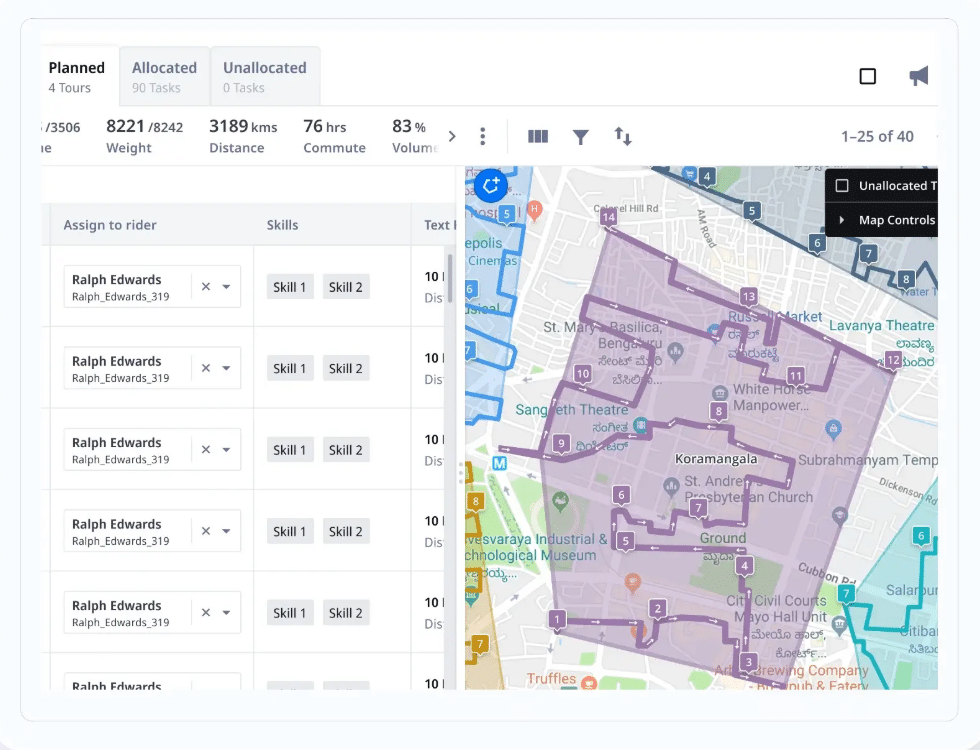
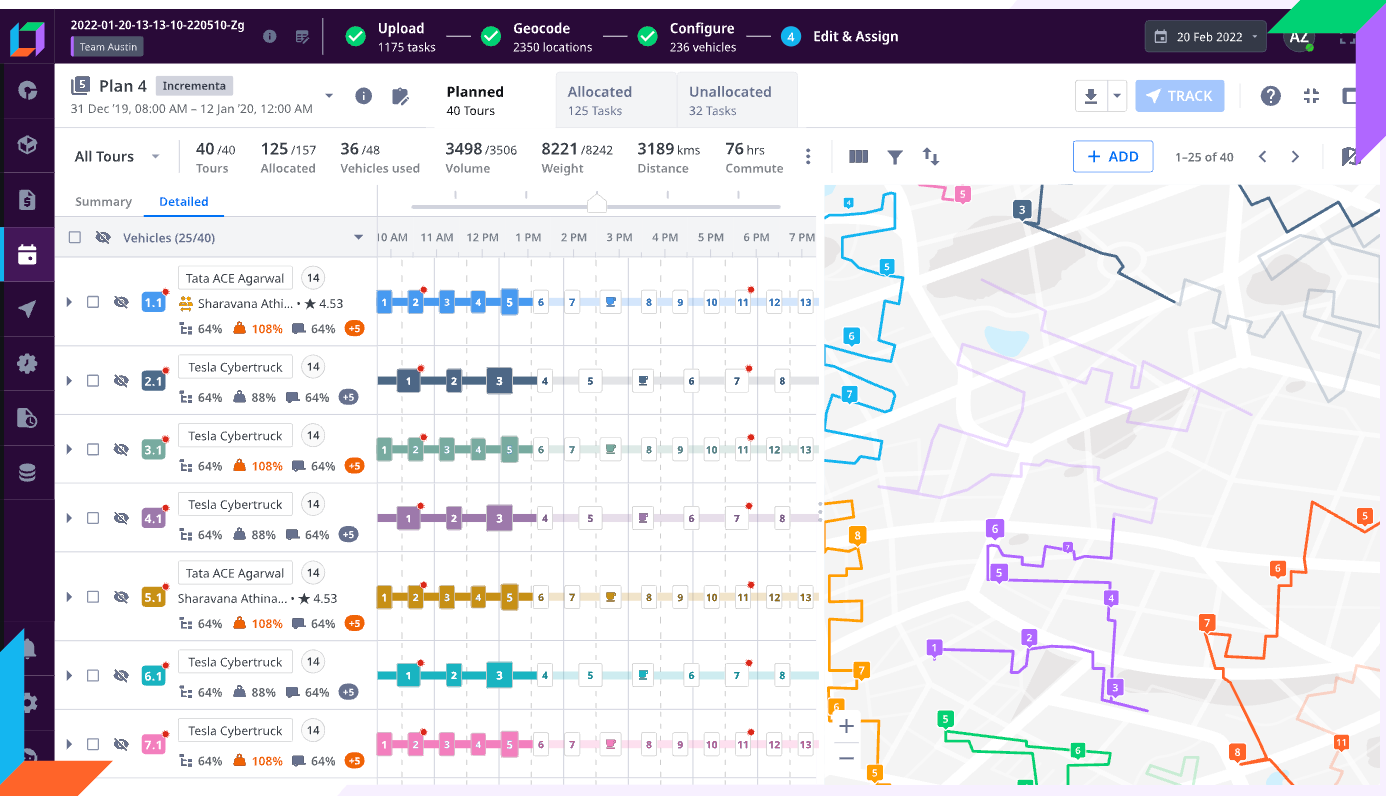
- Centralized dispatch management: Crowdsourced jobs, fleet routes, and carrier deliveries flow through a single dispatch workflow, reducing manual handoffs and tool switching.

- Execution-aware routing and assignment: Dispatch logic adjusts in real time based on delivery progress, capacity usage, and service constraints, rather than locking crowdsourced tasks as static jobs.

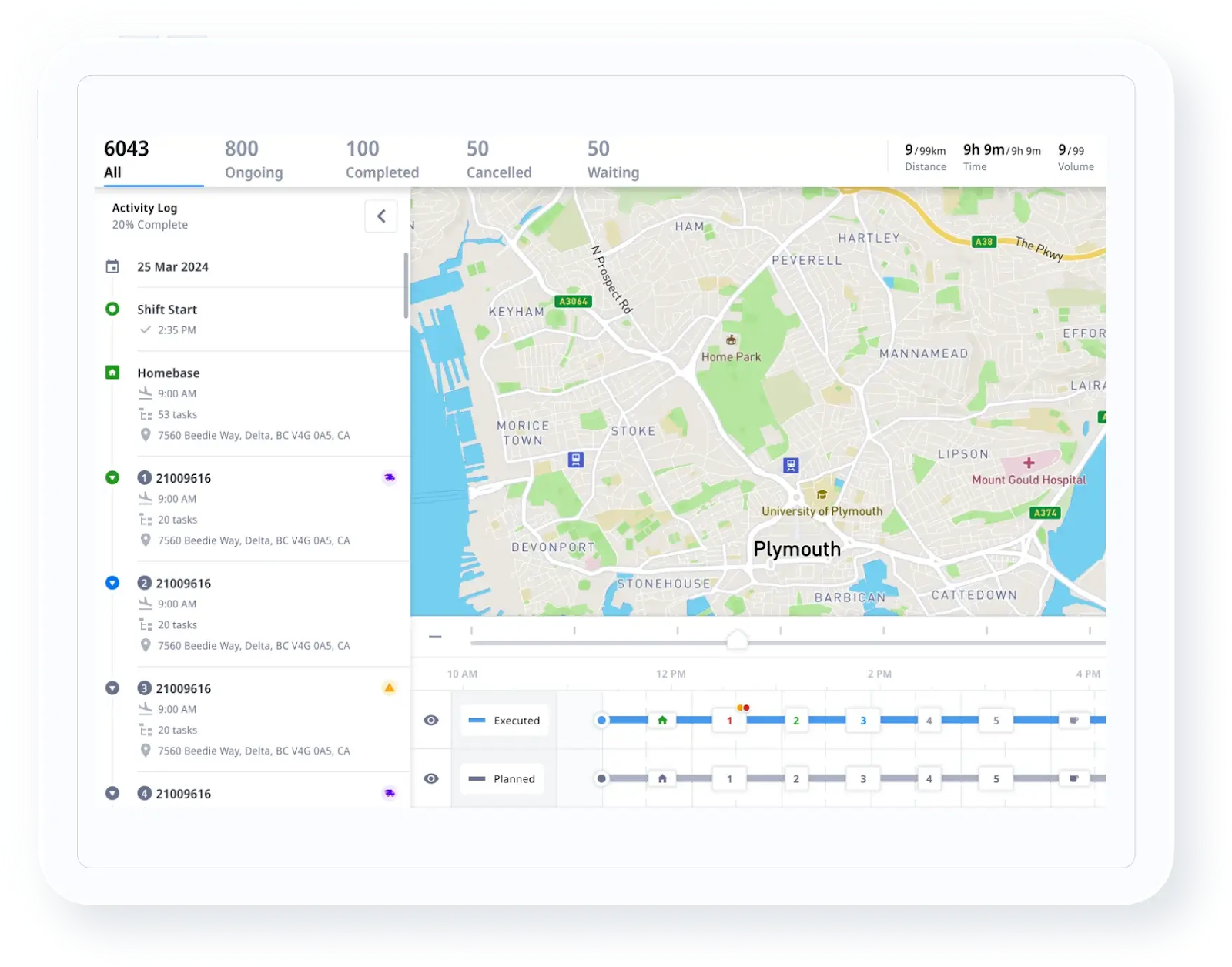
- Real-Time Visibility and Exception Handling: Operations teams see live delivery status, delays, and risk signals, enabling faster intervention when issues emerge.

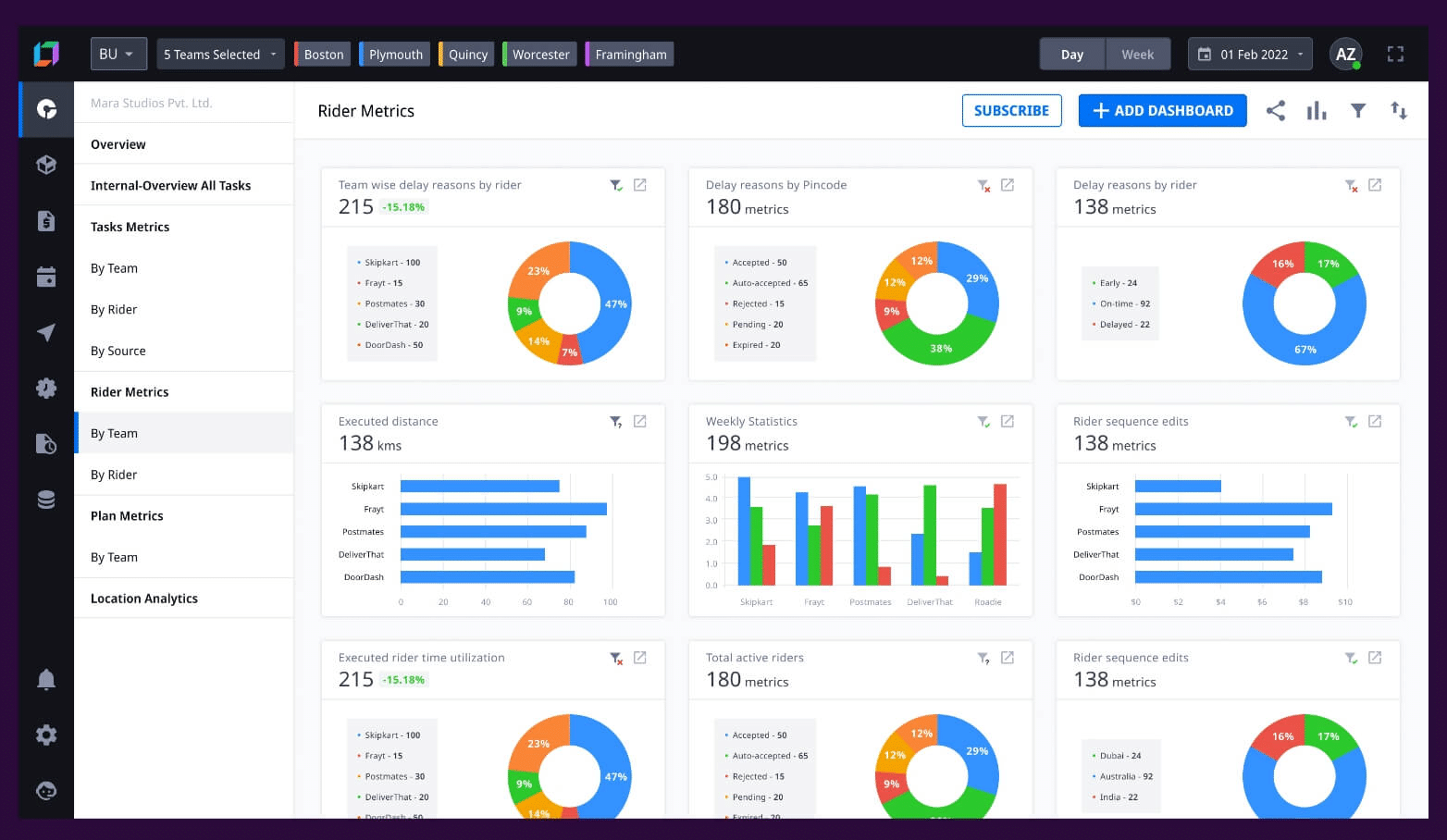
- Performance Tracking and Accountability: On-time rates, completion rates, and service levels are measured consistently across crowdsourced and non-crowdsourced deliveries.

Locus is a strong fit for enterprises that:
- Use crowdsourced delivery to absorb demand spikes or extend coverage
- Operate hybrid networks with fleets, carriers, and on-demand drivers
- Require consistent execution control, visibility, and reporting at scale
By placing crowdsourced delivery inside a structured execution layer, Locus helps businesses gain flexibility without sacrificing operational control.
The Future of Crowdsourced Delivery in 2026 and Beyond
Crowdsourced delivery has earned its place as a practical execution model, not a temporary workaround. For logistics teams, its value lies in handling variability. It absorbs demand spikes, supports faster delivery promises, and extends coverage without locking businesses into fixed capacity.
The next phase of adoption will focus less on access to drivers and more on control. As delivery networks grow more complex, success will depend on how well crowdsourced delivery is integrated with fleets, carriers, and existing dispatch operations. Visibility, consistency, and performance tracking will matter as much as flexibility.
This is where structured execution platforms become critical. When crowdsourced delivery is managed through a unified orchestration layer, businesses gain speed without sacrificing reliability.
If your delivery network relies on on-demand capacity today or plans to in the future, now is the right time to evaluate how it fits into your broader execution strategy.
Explore Locus for your crowdsourced delivery solutions and see how unified dispatch and real-time visibility help teams manage flexible capacity with confidence.
Frequently Asked Questions on Crowdsourced Delivery
1. When does crowdsourced delivery stop being cost-effective?
Crowdsourced delivery works best for variable demand. When order volumes become stable and predictable, dedicated fleets or contracted carriers may offer lower per-order costs.
2. How do enterprises decide which orders to route through crowdsourced delivery?
Many teams use rules based on order urgency, distance, service level, and delivery windows. High-priority or overflow orders are typically routed to crowdsourced capacity.
3. How is service consistency maintained across independent drivers?
Consistency is achieved through standardized workflows, clear delivery instructions, real-time monitoring, and performance tracking rather than relying on driver experience alone.
4. Can crowdsourced delivery work alongside scheduled routes?
Yes. Many organizations run hybrid networks where scheduled routes handle base volume, while crowdsourced delivery absorbs exceptions, same-day requests, and demand spikes.
5. What should businesses evaluate before scaling crowdsourced delivery?
Key factors include dispatch control, visibility across delivery types, exception handling processes, and how crowdsourced delivery integrates with existing logistics systems.


Fleet Optimization
Top 10 Fleet Management Companies in USA for 2026

Jan 16, 2026
Top 10 fleet management companies in the USA compared for 2026. See features, pricing, and why Locus is the best fleet management software for enterprises
Read more
General
The Future of Route Analysis: Techniques, Benefits & Implementation
Jan 17, 2026
Explore the impact of route analysis on delivery efficiency and cost reduction. Contact us for advanced route analysis solutions.
Read moreInsights Worth Your Time




















Understanding Crowdsourced Delivery: A 2026 Perspective