


General
10 Best Transportation Dispatch Software for Fleet Operations in 2026

Key Takeaways
- Transportation dispatch software helps carriers, retailers, 3PLs, and fleet operators assign drivers and vehicles, release routes, monitor execution, manage exceptions, and capture delivery outcomes from one operational system.
- The right platform depends on your operating model: route-planning-first teams need optimisation depth, telematics-first fleets need safety and visibility, and execution-heavy networks need live dispatch control after vehicles are already on the road.
- Transportation dispatch software must support live assignment changes, exception handling, and execution control during active operations.
- Many tools focus on planning or tracking, but fewer platforms manage dispatch decisions once vehicles are already on the road.
- As fleets scale across depots and regions, consistent dispatch logic becomes more important than standalone routing or visibility features.
- Execution-focused dispatch reduces manual coordination and improves response time when routes, capacity, or priorities change.
- Category growth estimates vary by methodology, but recent research still points to a large and expanding market: Future Market Report valued the category at USD 8,950.75 million in 2025, while Verified Market Reports estimated USD 13.3 billion in 2025.
- Locus supports structured planning, real-time dispatch control, and scalable execution.

According to McKinsey, last-mile delivery can account for over half of total logistics costs, highlighting how much value depends on daily dispatch decisions rather than long-term network design alone.
For operations leaders managing large fleets, 3PL networks, or retail distribution at scale, dispatch is where plans meet reality. Hundreds or thousands of routes are assigned each day under tight capacity, labor, and service constraints, with little room for error once execution begins.
In this environment, the quality of dispatch decisions directly shapes on-time performance, asset utilization, and operating costs. What used to be handled through spreadsheets, local judgment, or fragmented tools now requires a system that can consistently assign resources, adapt during the day, and keep execution aligned across locations.
Transportation dispatch software brings structure to this operating layer by unifying assignment, routing, and live execution in a single system. It enables teams to adjust schedules, rebalance loads, and respond to disruptions in real time, without losing control as networks grow.
This guide reviews the best transportation dispatch software in 2026, outlines the execution capabilities that matter at scale, and explains how platforms such as Locus support structured, real-time dispatch across complex fleet networks.
What is transportation dispatch software?
Transportation dispatch software is an operations system that helps teams assign jobs, loads, drivers, and vehicles; create or adjust routes; monitor execution in real time; manage delays and exceptions; and record proof of delivery or service completion.
What it does in practice
- Assigns drivers and vehicles based on location, capacity, shift, skills, and service rules
- Builds or updates routes and stop sequences
- Releases work to driver mobile apps or dispatch boards
- Tracks vehicle progress, ETA changes, and task status
- Detects exceptions such as delays, missed stops, failed deliveries, and capacity shortfalls
- Supports in-day reassignment and re-optimisation
- Captures proof of delivery, notes, photos, signatures, and status outcomes
- Feeds reporting on SLA adherence, miles, utilisation, and dispatcher productivity
Related terms buyers should separate before comparing tools
| Category | What it is | Best fit |
| Transportation dispatch software | Live operational control for assignments, route execution, exceptions, and recovery | Fleets that need in-day decision-making |
| Fleet dispatch software | Often similar to transportation dispatch software, sometimes narrower around vehicle and driver assignment | Local, regional, or specialised fleet operations |
| Route planning software | Pre-day or pre-shift route creation focused on sequencing, mileage, and time windows | Teams optimising routes before dispatch |
| Fleet management software | Broader vehicle, driver, maintenance, safety, utilisation, and compliance management | Fleets prioritising telematics, maintenance, and oversight |
| Transportation management system (TMS) | Broader transportation process support that may include tendering, carrier management, freight planning, billing, and settlement | Trucking, freight, shipper, and carrier workflows |
| Telematics / vehicle tracking software | GPS, diagnostics, safety, ELD, HOS, and vehicle visibility | Fleets prioritising compliance and monitoring |
| Last-mile delivery software | Delivery execution, customer notifications, proof of delivery, and route/dispatch coordination | Retail, courier, D2C, grocery, and service delivery |
Market context for 2026 buyers
Market estimates differ because vendors and analysts define the category differently, but all recent sources point to a meaningful software market:
- USD 8,950.75 million in 2025 — Future Market Report
- USD 13.3 billion in 2025 — Verified Market Reports
- USD 7.4 billion in 2025 — Dataintelo
- Dispatch Management Software projected to grow from $7.8 billion in 2025 to $15.2 billion by 2033 — Dataintelo
- Transportation and Logistics represents $2.8 billion in 2025, or 35.9% of Dispatch Management Software market revenue — Dataintelo
The practical takeaway is simple: dispatch is no longer a side workflow. It is increasingly treated as a core execution layer for cost control, service performance, and scalability.
Key Features to Look for in Transportation Dispatch Software
Transportation dispatch software is evaluated by how well it supports assignment, execution, and control during active operations. The features below address daily dispatch requirements at scale.
- Route and Job Assignment: The system should assign vehicles and drivers based on location, capacity, service windows, and job priority. Assignments must remain editable during the day.
- Live Dispatch Control: Dispatchers need the ability to reassign jobs, adjust routes, and manage delays without rebuilding schedules or exporting data to other tools.
- Real-Time Visibility: The platform should display vehicle location, route progress, and job status in a single view to enable immediate decision-making.
- Exception and Delay Management: The system must surface missed milestones, delays, and capacity issues as they occur, so dispatchers can act before service impacts spread.
- Scalability Across Fleets and Regions: Dispatch logic should remain consistent as fleets grow, routes increase, and operations expand across multiple depots or regions.
- Integration with Planning and Tracking Systems: The software should connect with order, routing, and tracking systems to avoid manual coordination between tools.
How transportation dispatch software works
A transportation dispatch workflow usually follows this sequence:
Plan ? assign ? execute ? monitor ? recover ? report
Dispatch workflow step by step
- Order ingestion: Orders, loads, or jobs enter the system from OMS, ERP, WMS, TMS, marketplaces, or manual upload.
- Job validation: The platform checks addresses, service windows, order attributes, and route eligibility.
- Vehicle and driver assignment: Work is matched to the best available resource based on geography, shift, capacity, business rules, and operating constraints.
- Route creation: Routes are created or updated to balance cost, ETA, utilisation, and promised service windows.
- Dispatch release: Work is pushed to the driver app, dispatch board, or integrated in-cab device.
- Driver communication: Drivers receive stops, notes, changes, exceptions, and completion instructions.
- Live tracking: Dispatchers monitor route progress, ETA drift, and stop completion.
- Status management: The system records departures, arrivals, completed stops, failed attempts, and customer confirmations.
- Exception detection: Delays, breakdowns, no-shows, absence, missed SLAs, or depot overload conditions trigger intervention.
- Reassignment or re-optimisation: Dispatchers rebalance work, reroute vehicles, or escalate based on defined rules.
- Completion and proof of delivery: Signatures, photos, timestamps, notes, and documents close the job loop.
- Returns and failed delivery handling: Reverse logistics, redelivery, and failed delivery recovery are routed back into execution.
- Reporting and continuous improvement: Teams measure on-time delivery, dispatcher workload, route adherence, failed-delivery rates, miles, and utilisation.
For trucking dispatch software, the exact workflow may also include load acceptance, driver availability, ELD or HOS checks, detention tracking, paperwork handling, and hand-off to broader TMS processes.
Transportation dispatch software vs related systems
Buyers often compare categories that solve adjacent but different problems. That creates poor shortlists and mismatched implementations.
| Comparison | Main difference | When dispatch software is the better fit |
| Dispatch software vs route optimisation software | Route optimisation software is usually strongest at pre-day planning; dispatch software controls live execution after routes are released. | Choose dispatch software when routes change after dispatch and planners need live recovery. |
| Dispatch software vs fleet management software | Fleet management software emphasises vehicles, maintenance, safety, compliance, and telematics. | Choose dispatch software when assignment quality, exception handling, and SLA execution are the priority. |
| Dispatch software vs telematics | Telematics shows where vehicles are and how they are being driven; it does not always orchestrate jobs. | Choose dispatch software when visibility must translate into route changes, reassignments, or recovery decisions. |
| Dispatch software vs TMS | A TMS often covers broader transportation planning, procurement, carrier workflows, rating, and settlement. | Choose dispatch software when the main need is day-of-operation execution control across fleets, routes, and stops. |
| Dispatch software vs trucking dispatch software | Trucking tools may focus more on loads, ELD/HOS, settlement, documents, and fleet communication. | Choose transportation dispatch software when your network is route- and stop-driven, multi-depot, or last-mile heavy. |
| Dispatch software vs field-service management software | Field-service tools centre on appointments, technicians, work orders, and service outcomes. | Choose dispatch software when transport capacity, route efficiency, and fleet execution are central. |
| Static vs dynamic dispatch | Static dispatch assumes the day will run as planned; dynamic dispatch is designed for in-day change. | Choose dynamic dispatch when volume, traffic, no-shows, failed deliveries, or urgent orders alter execution daily. |
A simple rule helps: if the main job is sequencing routes before drivers leave, route planning may be enough. If the main job is protecting service levels after the plan breaks, transportation dispatch software becomes the operating system.
Is your operation ready for transportation dispatch software?
Common readiness signals
You are likely ready to invest if several of these are true:
- You operate across more than one depot, region, or territory
- You manage hundreds or thousands of daily jobs, stops, or routes
- Same-day changes are common after routes have already been released
- Dispatchers rely on spreadsheets, calls, WhatsApp, email, or multiple dashboards
- Shift-to-shift or depot-to-depot performance is inconsistent
- Route progress and exceptions are hard to see in one place
- Capacity balancing across depots is mostly manual
- Failed, late, or rescheduled deliveries are rising
- Existing route optimisation cannot handle in-day execution changes
- You need OMS, WMS, ERP, TMS, telematics, POD, or analytics integrations
- You are expanding into new regions, fleet models, or service windows
- You manage owned, 3PL, outsourced, gig, ICE, EV, or hybrid capacity
Buyer selector questions
Before shortlisting vendors, answer these:
- What is your operating model: trucking, retail distribution, last-mile, 3PL, D2C, courier, or field service?
- How many jobs, stops, or loads do you dispatch each day?
- How many depots, terminals, or regions are involved?
- Do routes change materially after dispatch?
- Do you need telematics, route optimisation, dispatch orchestration, or all three?
- Which systems must integrate on day one?
- Do you manage owned, outsourced, or hybrid fleets?
- Do EV charging windows, refrigeration, equipment type, or driver skill rules affect assignment?
- What manual override decisions are happening today?
- Which metric matters most: on-time delivery, cost per stop, empty miles, dispatcher productivity, or SLA compliance?
When Dispatch Software Breaks at Scale
Dispatch systems start to break down when volume, service commitments, and network complexity increase. At scale, the most common failure points show up inside everyday execution. They include the following:
- Tool sprawl becomes the default operating model: Dispatchers struggle to manage route planners, spreadsheets, telematics dashboards, and messaging tools. Decisions live across systems, making it hard to trace why a route was changed or whether capacity was truly optimized.
- Manual overrides turn into permanent workarounds: This occurs when planners override system suggestions to “make it work,” but those changes are not learned, audited, or reused, locking teams into reactive dispatch cycles.
- Routes are optimized in isolation from execution reality: Most systems plan routes assuming static conditions. Once vehicles are dispatched, in-day disruptions like delays or volume spikes are handled manually, breaking the connection between planning logic and live execution.
- Service levels degrade during peaks due to coordination: During promotions, seasonal surges, or regional spikes, SLAs are breached even when fleet capacity is available. The challenge is a lack of real-time visibility and coordinated rebalancing across depots.
- Operations become dependent on a few experienced planners: Dispatch quality varies by shift or individual. When senior planners are unavailable, outcomes change. This makes scaling across regions risky and standardization difficult.
These breakdowns are not caused by poor teams or insufficient effort. They are symptoms of dispatch systems designed for route planning, not for managing live, multi-location execution.
That distinction is what separates basic dispatch tools from platforms built for scale.
Top Transportation Dispatch Software in 2026 – Overview
The table below compares transportation dispatch software based on dispatch depth, execution control, and operational fit.
All tools listed support dispatch in some form, but they differ in how well they handle live changes, scale, and real-world execution.
| Software | Execution Depth | Primary Dispatch Focus | Best Suited For |
|---|---|---|---|
| Locus | High | Planning, dispatch, and execution control | Large transportation networks, 3PLs, retail and FMCG fleets |
| Motive | Low | Driver safety, compliance, and telematics | Fleets prioritizing safety and regulatory compliance |
| Verizon Connect | Low | GPS tracking and reporting | Fleets focused on visibility and compliance |
| Samsara | Low to Medium | Telematics and IoT-led visibility | Hardware-driven fleet operations |
| Elite EXTRA | Medium | Last-mile dispatch and routing | Courier and on-demand delivery operations |
| Route4Me | Low | Route planning and optimization | Teams needing fast route creation |
| OptimoRoute | Medium | Scheduling and route optimization | Small to mid-sized delivery fleets |
| Routific | Low | Daily route planning | Local delivery teams |
| Onfleet | Medium | Task dispatch and tracking | Same-day and on-demand delivery |
| Tookan | Low to Medium | Task assignment and tracking | Hyperlocal and service delivery teams |
This overview highlights the difference between execution-focused dispatch platforms and tools centered on tracking, routing, or telematics.
Top Transportation Dispatch Software in 2026 – Detailed Comparison
The platforms below are reviewed based on how they handle dispatch execution, live control, and operational scale. Each section outlines what the software does in practice, where it fits, and how dispatch teams typically use it.
1. Locus
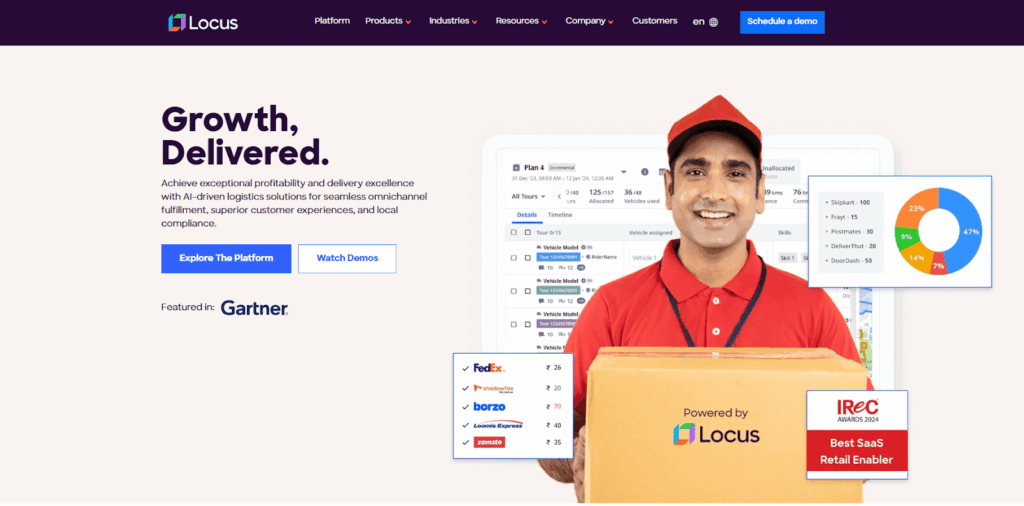
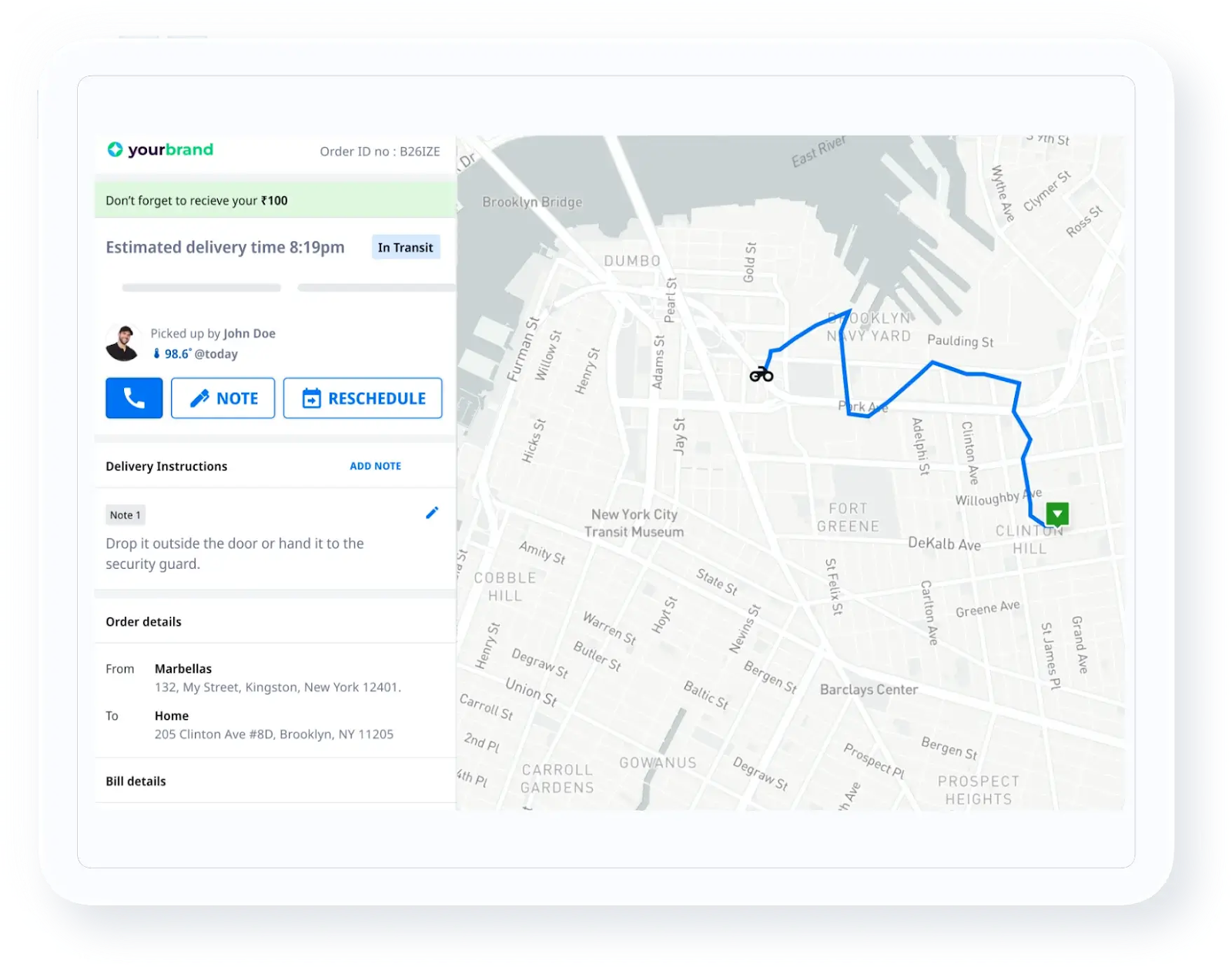
Locus is built for transportation operations where dispatch, routing, and execution must work together continuously throughout the day. It functions as an execution layer that connects planning decisions with live dispatch control, allowing teams to manage operational changes without breaking workflows or rebuilding routes.
Locus’ Key Features
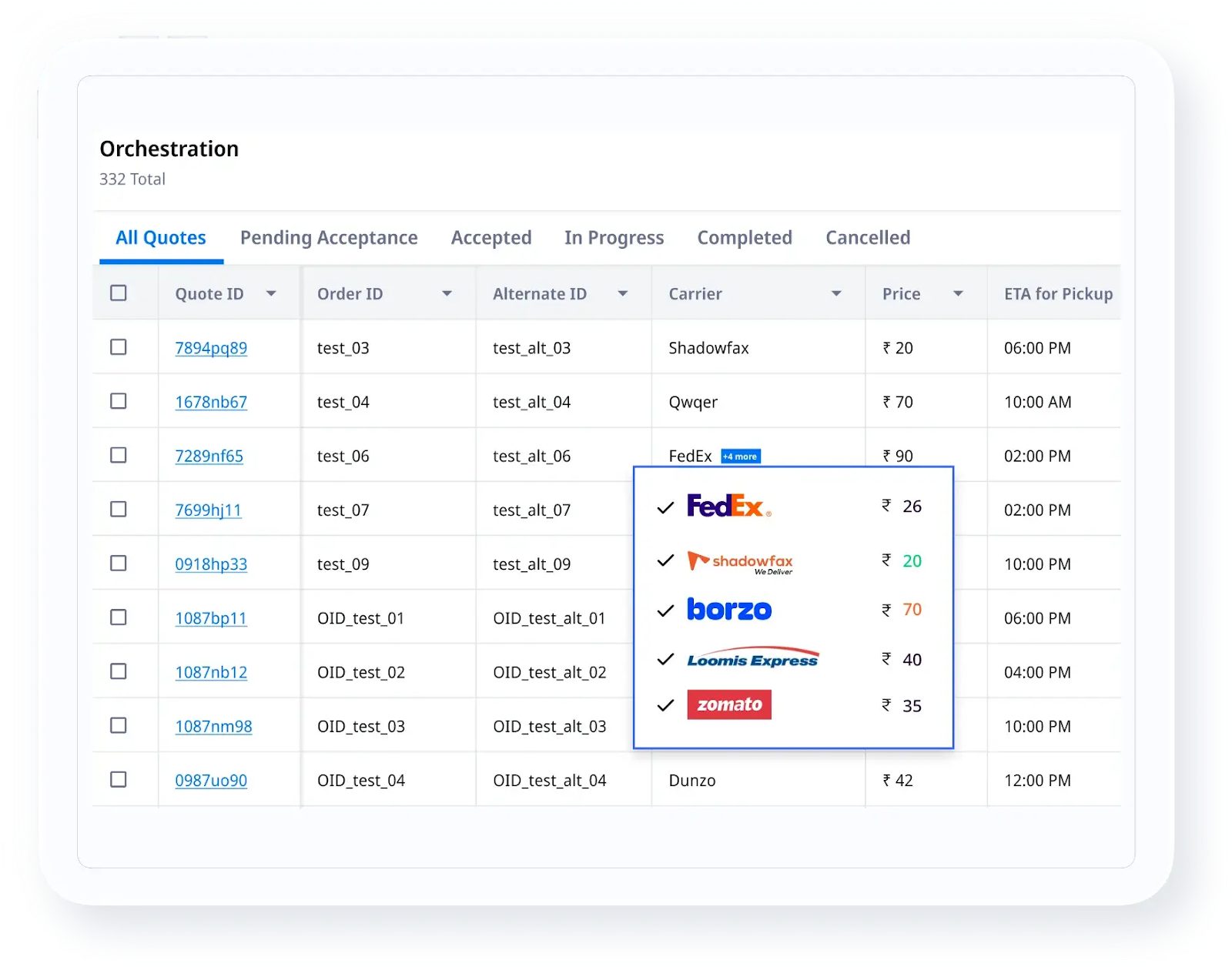
- Dispatch and Route Control: Assigns vehicles and routes based on capacity, service windows, and priorities, with the ability to modify assignments during execution.

- Live Execution Visibility: Provides real-time visibility into vehicle locations, route progress, and task status through a single, centralized dispatch interface.
- Exception Management: Flags delays, missed milestones, and capacity issues as they occur so dispatchers can act immediately.
- Scalability Across Networks: Supports multi-depot, multi-region transportation operations using consistent dispatch logic.
- System Integrations: Connects with order, routing, and tracking systems to reduce manual coordination.

Locus Is Ideal For
- Large transportation fleets operating across multiple regions
- 3PLs managing high daily volumes and frequent route changes
- Retail and FMCG networks requiring dispatch control during execution
- Teams that need dispatch decisions to remain editable throughout the day
Locus’ Pricing
Locus follows a custom enterprise pricing model based on fleet size, geographic coverage, and required modules. Pricing scales with operational complexity rather than per-route usage, making it suitable for large and distributed transportation networks.
2. Motive
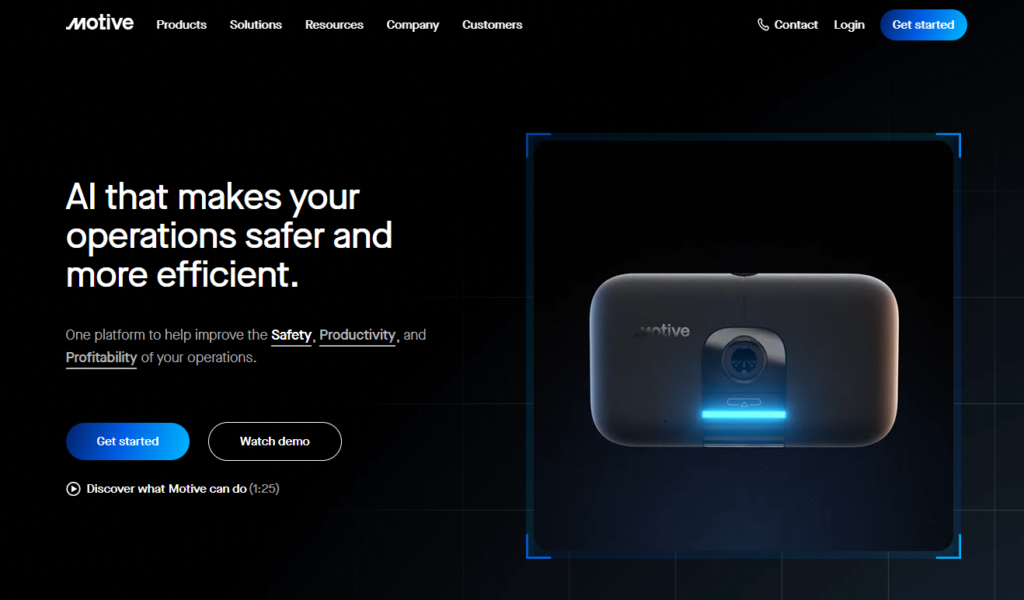
Motive focuses on fleet operations centered around driver safety, compliance, and telematics. Dispatch capabilities are available, but the platform primarily monitors vehicles, drivers, and regulatory requirements rather than managing execution-heavy dispatch workflows.
Motive’s Key Features
- Fleet Tracking and Telematics: Real-time GPS tracking with vehicle diagnostics and utilization data.
- Driver Safety and Compliance: AI dashcams, HOS tracking, ELD compliance, and safety scoring.
- Basic Dispatch Workflows: Job assignment and route visibility, with limited mid-day execution control.
- Maintenance and Asset Monitoring: Preventive maintenance alerts and asset health tracking.
- Reporting and Alerts: Safety, compliance, and operational reports for fleet oversight.
Motive Is Ideal For
- Fleets prioritizing driver safety and regulatory compliance
- Transportation operations with a strong hardware-led telematics focus
- Teams that need monitoring and reporting more than live dispatch control
Motive’s Pricing
Motive offers custom pricing based on fleet size, hardware requirements, and selected modules. Pricing typically bundles software with telematics and camera hardware.
3. Verizon Connect
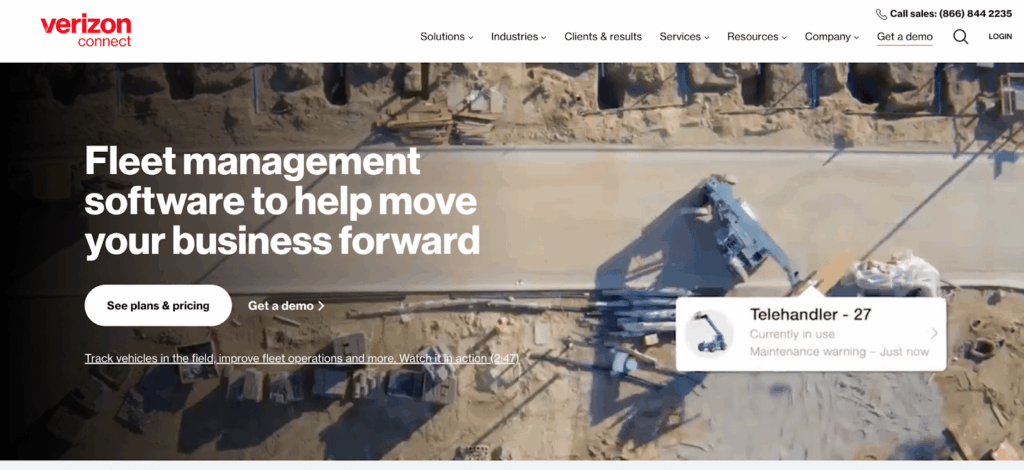
Verizon Connect provides fleet tracking and dispatch support with a strong emphasis on GPS visibility, reporting, and compliance. It is commonly used by transportation teams that need centralized monitoring of vehicles and driver activity rather than execution-led dispatch control.
Verizon Connect’s Key Features
- GPS Fleet Tracking: Live vehicle location, trip history, and geofencing to monitor fleet movement.
- Route Planning and Dispatch: Basic route creation and job assignment with visibility into driver status.
- Driver Behavior Monitoring: Speeding, idling, and driving behavior insights tied to safety programs.
- Compliance and Maintenance: Tools for inspections, maintenance scheduling, and regulatory reporting.
- Reporting and Analytics: Standard reports covering utilization, performance, and compliance metrics.
Verizon Connect Is Ideal For
- Transportation fleets focused on visibility and compliance
- Operations that prioritize tracking and reporting over live dispatch changes
- Teams managing regional fleets with predictable routes
Verizon Connect’s Pricing
Verizon Connect uses custom pricing, typically based on vehicle count, hardware requirements, and selected feature bundles.
4. Samsara

Samsara is a hardware-led fleet platform centered on telematics, safety, and asset visibility. Dispatch capabilities exist, but the platform is most often used for monitoring vehicles and driver behavior rather than managing execution-heavy dispatch changes throughout the day.
Samsara’s Key Features
- Telematics and GPS Tracking: Live vehicle location, utilization metrics, and diagnostics through IoT devices.
- Driver Safety and Video: AI dashcams, in-cab alerts, and safety event analysis.
- Basic Dispatch and Routing: Route visibility and task assignment with limited live re-optimization.
- Asset and Equipment Tracking: Monitoring for trailers and equipment alongside vehicles.
- Reporting and Integrations: Operational and safety reports with APIs for data access.
Samsara Is Ideal For
- Fleets with a hardware-first approach to operations
- Transportation teams focused on safety, compliance, and visibility
- Organizations that need monitoring more than real-time dispatch control
Samsara’s Pricing
Samsara offers custom pricing based on fleet size, hardware selection, and enabled modules. Software subscriptions are typically bundled with required devices.
5. Elite EXTRA

Elite EXTRA is a last-mile dispatch and routing platform used to assign deliveries, plan routes, and track execution. It is commonly used by courier, retail, and service fleets that run daily delivery routes with moderate variability.
Elite EXTRA’s Key Features
- Route Planning and Dispatch: Builds daily routes and assigns stops based on location, service windows, and capacity.
- Live Tracking and Proof of Delivery: Tracks drivers in real time and captures delivery confirmation through the mobile app.
- Exception Handling: Flags late or missed stops and supports basic mid-day adjustments.
- Driver Mobile App: Provides navigation, task updates, and status reporting from the field.
- Integrations: Connects with order management and POS systems to sync delivery data.
Elite EXTRA Is Ideal For
- Courier and last-mile delivery operations
- Retail and service fleets running planned daily routes
- Teams needing routing and dispatch without deep execution orchestration
Elite EXTRA’s Pricing
Elite EXTRA offers custom pricing based on route volume, users, and enabled modules. Pricing typically scales with delivery count and integration needs.
6. Route4Me
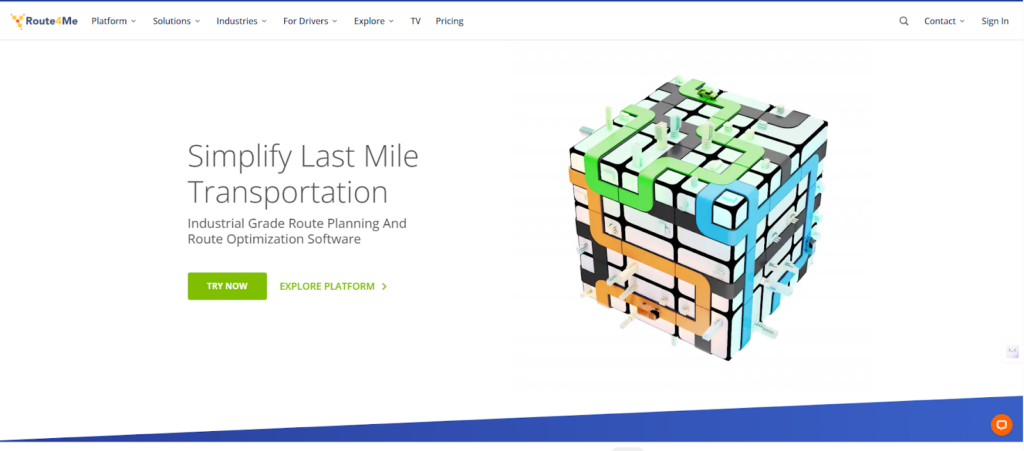
Route4Me is a route planning and optimization tool focused on building efficient delivery routes. Dispatch functionality exists, but the platform primarily reduces travel time and mileage rather than managing live execution across complex transportation networks.
Route4Me’s Key Features
- Route Optimization: Creates optimized routes based on stops, time windows, and driver constraints.
- Dispatch and Assignment: Assigns routes to drivers with basic schedule visibility.
- Route Editing: Supports limited mid-day route changes when stops are added or removed.
- Mobile App for Drivers: Provides navigation, route instructions, and stop completion updates.
- Reporting: Mileage, route efficiency, and delivery performance reports.
Route4Me Is Ideal For
- Transportation teams focused on route efficiency
- Operations with predictable daily delivery patterns
- Small to mid-sized fleets needing fast route creation
Route4Me’s Pricing
Route4Me offers tiered subscription pricing, typically based on the number of users, routes, and advanced optimization features.
7. OptimoRoute
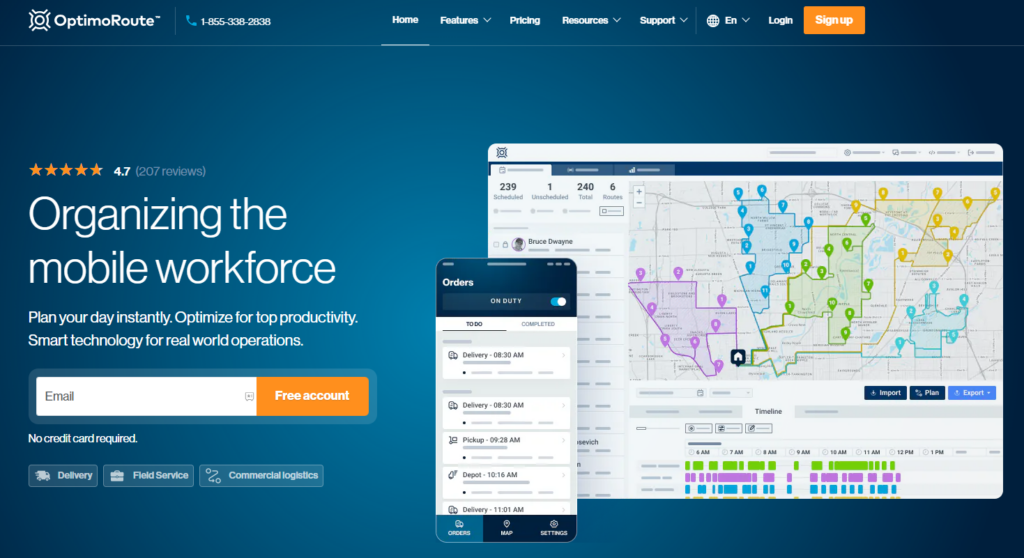
OptimoRoute focuses on route planning and schedule optimization for delivery and service teams. It supports dispatch and tracking, with an emphasis on planning routes in advance rather than managing continuous execution changes.
OptimoRoute’s Key Features
- Route and Schedule Optimization: Builds routes using time windows, capacities, and service durations.
- Dispatch and Assignment: Assigns routes to drivers with visibility into planned schedules.
- Driver Mobile App: Navigation, stop updates, and proof-of-service capture.
- Live Tracking: Basic vehicle and stop-level visibility during execution.
- Reporting: Route efficiency, on-time performance, and workload reports.
OptimoRoute Is Ideal For
- Small to mid-sized transportation and service fleets
- Teams running pre-planned daily routes
- Operations prioritizing route efficiency over live dispatch control
OptimoRoute’s Pricing
OptimoRoute offers tiered, per-vehicle pricing with monthly and annual plans. Pricing increases with advanced optimization and reporting features.
8. Routific
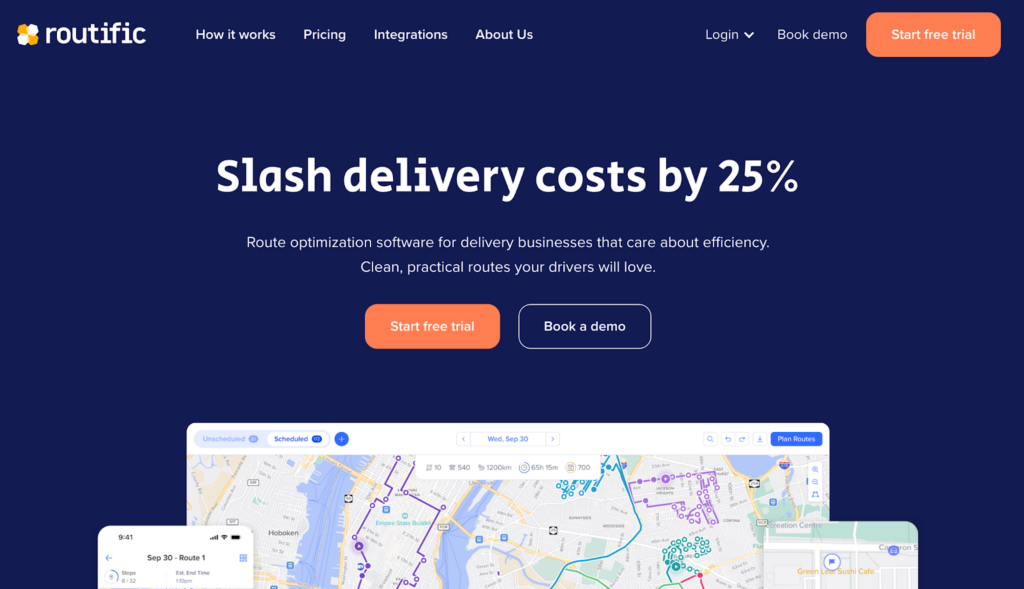
Routific is a route planning tool designed to create daily delivery routes with minimal setup. It focuses on route efficiency and ease of use rather than live dispatch control during execution.
Routific’s Key Features
- Daily Route Planning: Generates optimized routes based on stops, driver shifts, and time windows.
- Route Assignment: Assigns planned routes to drivers with basic schedule visibility.
- Driver Navigation: Shares routes and stop sequences with drivers for execution.
- Simple Tracking: Provides limited visibility into route progress and stop completion.
- Basic Reporting: Delivers route summaries and efficiency metrics.
Routific Is Ideal For
- Local delivery teams with fixed daily routes
- Small transportation operations with limited dispatch complexity
- Businesses prioritizing quick route setup over real-time adjustments
Routific’s Pricing
Routific offers subscription-based pricing based on the number of vehicles and routes planned per month.
9. Onfleet
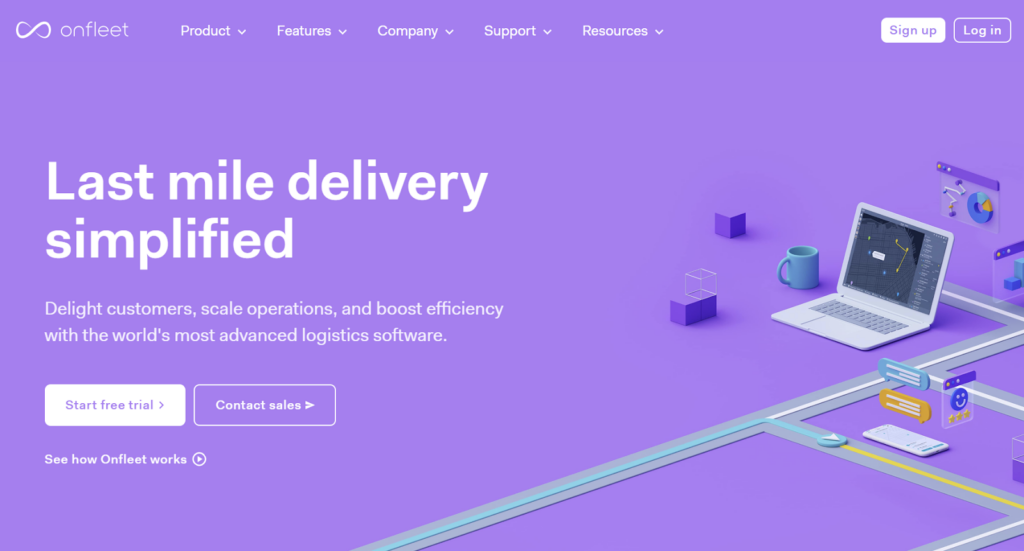
Onfleet is a last-mile dispatch platform used to assign tasks, track drivers, and manage same-day delivery operations. It focuses on task execution and customer communication rather than multi-region transportation dispatch.
Onfleet’s Key Features
- Task Dispatch and Assignment: Assigns delivery tasks to drivers based on proximity and availability.
- Live Driver Tracking: Real-time location visibility and stop status during execution.
- Customer Notifications: Automated SMS and tracking links for delivery updates.
- Driver Mobile App: Navigation, task updates, proof of delivery, and status reporting.
- APIs and Integrations: Connects with order systems and custom workflows.
Onfleet Is Ideal For
- Same-day and on-demand delivery operations
- Courier and service teams with task-based dispatch
- Businesses focused on last-mile execution rather than fleet-wide planning
Onfleet’s Pricing
Onfleet offers tiered pricing based on monthly task volume and features. Higher tiers unlock advanced analytics and API access.
10. Tookan
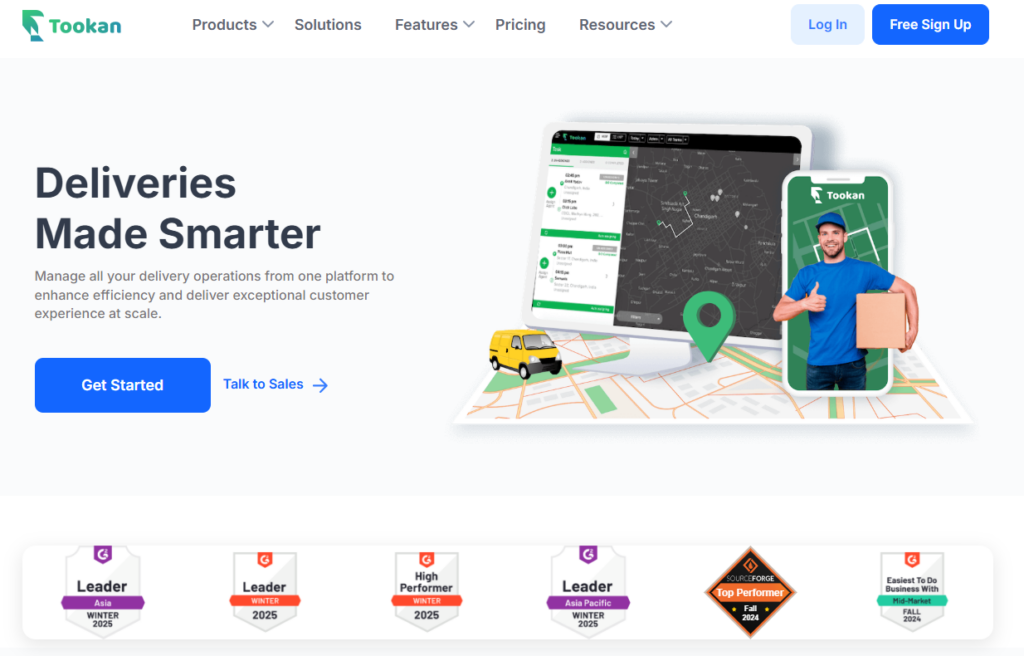
Tookan is a task-based dispatch and delivery management platform used to assign jobs, track agents, and manage on-demand operations. It is commonly used for hyperlocal delivery and service workflows rather than large transportation networks.
Tookan’s Key Features
- Task Assignment and Scheduling: Assigns jobs to drivers or agents based on availability, location, and rules.
- Live Tracking: Real-time visibility into agent location and task status.
- Driver and Agent App: Mobile app for navigation, task updates, proof of completion, and status changes.
- Customer Notifications: Automated updates through SMS and tracking links.
- Workflow Configuration: Supports custom task flows for pickups, drop-offs, and service visits.
Tookan Is Ideal For
- Hyperlocal delivery and service teams
- On-demand operations with task-based dispatch
- Businesses managing short-distance or same-day jobs
Tookan’s Pricing
Tookan offers subscription-based pricing, typically tied to task volume and the features enabled. Pricing is positioned for small to mid-sized delivery and service operations.
Why Locus Fits Transportation Dispatch at Scale in 2026
Enterprise transportation networks benefit most from dispatch platforms that combine execution depth with long-term platform stability. Locus delivers this foundation through a modular, API-first architecture that connects planning, orchestration, visibility, and analytics into a single operational system designed for continuous optimization.
Backed by Ingka Group and trusted by 360+ leading brands across 30+ countries, Locus brings both scale and durability to transportation dispatch. Proven performance across over 1.5 billion+ deliveries optimized, $320M+ in logistics cost savings, and measurable sustainability impact (17M+ Kgs reduction in GHG emissions) reflects a platform built for real-world complexity and sustained operational excellence.
For fleets investing in dispatch as a strategic capability, Locus offers enterprise-grade execution control, future-ready architecture, and a platform designed to grow alongside evolving network demands.
Schedule a demo with Locus to explore how execution-first transportation dispatch performs in live, high-volume operations.
Frequently Asked Questions (FAQs)
1. What is transportation dispatch software?
Transportation dispatch software helps assign vehicles, schedule routes, and manage execution during daily operations. It supports live adjustments when routes, capacity, or priorities change.
2. How is transportation dispatch software different from route planning tools?
Route planning tools focus on building routes ahead of time. Dispatch software manages assignments and changes during execution, including delays, reassignments, and exceptions.
3. Can transportation dispatch software handle mid-day changes?
Execution-focused platforms allow dispatchers to reroute vehicles, reassign jobs, and manage delays without rebuilding schedules or exporting data.
4. What features matter most for large transportation fleets?
Key features include live dispatch control, real-time visibility, exception management, regional scalability, and integrations with planning and tracking systems.
5. Is transportation dispatch software suitable for multi-depot operations?
Yes. Enterprise-grade platforms support multiple depots and regions under a single system, applying consistent dispatch logic while allowing local control.


Last Mile Delivery Optimization
Last-Mile Transportation in 2026: Definition, Process, Costs, Challenges, and Software

Sep 23, 2026
The last mile delivery is only one part and the last leg of the logistics in the entire supply chain. Know the challenges and solutions of last mile delivery.
Read more
Logistics Software
Top Reverse Logistics Companies & Software Solutions of 2026

Sep 23, 2026
Compare the top 10 reverse logistics software in 2025. Learn why Locus stands out among the best reverse logistics companies for efficient solutions.
Read moreInsights Worth Your Time



















10 Best Transportation Dispatch Software for Fleet Operations in 2026