


General
Shipsy Pricing (2026): Plans, Cost, and Alternatives

Key Takeaways
- Shipsy pricing is usually determined during enterprise evaluation. Organizations typically discuss deployment scope, operational workflows, and integration needs with the vendor before receiving a formal proposal.
- The platform supports multiple logistics functions within one system. Shipsy deployments often coordinate transportation planning, carrier operations, shipment tracking, and logistics visibility across supply chain networks.
- Enterprises evaluate Shipsy based on operational fit. Factors such as network scale, carrier partnerships, workflow configuration, and enterprise integrations influence how the platform is implemented.
- User reviews highlight routing capabilities and shipment visibility. Logistics teams often reference route planning performance, centralized dashboards, and delivery tracking as useful aspects of the platform.
- Some organizations review additional platforms during evaluation. When comparing logistics orchestration systems, companies may also explore solutions like Locus to understand how different platforms support planning, dispatch coordination, and logistics execution.
When evaluating Shipsy, pricing is usually one of the harder details to find upfront. The platform does not publicly list detailed pricing, so most organizations try to understand the expected cost before starting formal vendor discussions.
Shipsy is used by enterprises to manage transportation planning, shipment visibility, carrier execution, and logistics operations across complex supply chains. During evaluation, teams typically want clarity on how the platform is priced, what operational factors influence the total investment, what capabilities are included across modules, and how pricing scales with growing logistics volumes.
This guide explains how Shipsy pricing typically works, what influences the overall cost, what capabilities are included in the platform, and how enterprises evaluate whether the investment fits their logistics operations. It also explores how platforms such as Locus are considered during enterprise logistics software evaluations.
How We Gathered Insights on Shipsy’s Pricing
To prepare this guide, we reviewed information from several publicly available sources that discuss Shipsy’s platform capabilities, logistics workflows, and customer experiences.
- Shipsy platform pages to understand platform capabilities and deployment scope
- G2 – Shipsy reviews from logistics and operations teams sharing feedback on implementation and platform usability
- Capterra – Shipsy listings describing feature coverage and customer adoption patterns
- Gartner Peer Insights with enterprise feedback on transportation and logistics software platforms
These sources include insights from logistics teams, operations leaders, and technology decision-makers who have implemented or evaluated the platform. Rather than relying only on vendor descriptions, this article focuses on patterns observed across product documentation, software listings, and customer feedback.
Shipsy Pricing (2026): What You Need to Know
Shipsy deployments often support multiple logistics functions within a single operational environment. As a result, the platform investment is usually determined by the scale of logistics operations and the capabilities enabled within the system.
Public Pricing Information
When organizations consider Shipsy, pricing is usually reviewed as part of a broader logistics technology evaluation rather than as a standalone subscription cost. Companies typically assess the platform alongside operational factors such as the scale of their logistics network, the workflows the platform will support, the level of system integration required, and the overall deployment scope.
For example, teams evaluating Shipsy often review how the platform fits into existing transportation planning processes, shipment visibility workflows, and logistics execution environments. The scope of the deployment and the capabilities required within the platform can influence the structure of the final proposal.
As a result, pricing discussions often take place during later stages of the evaluation process, once the operational requirements and deployment environment have been clearly defined.
Shipsy Platform Structure
Shipsy is designed as a logistics orchestration platform that supports transportation planning, shipment execution, carrier coordination, and end-to-end logistics visibility across different stages of the supply chain. Organizations typically deploy it to coordinate transportation operations across domestic and international logistics networks.
Typical platform capabilities include:
- Transportation planning and shipment execution
- Multi-carrier management and freight procurement
- Shipment tracking and logistics visibility
- First-mile, mid-mile, and last-mile coordination
- Logistics analytics and operational reporting
The platform is commonly integrated with enterprise systems such as ERP platforms, order management systems, warehouse systems, and carrier networks. These integrations allow shipment data, operational events, and logistics performance metrics to move across different systems within the supply chain environment.
To see how modern logistics orchestration platforms coordinate planning, routing, carrier management, and delivery execution, explore Locus’ logistics orchestration platform.
Shipsy Reviews: What Customers Say (G2, Capterra, Gartner Peer Insights)
Across review platforms, Shipsy receives feedback from logistics and supply chain teams using the platform for routing, delivery coordination, and shipment visibility. User reviews often discuss operational aspects such as route planning performance, dashboard visibility, and the responsiveness of the vendor support team.
Some reviewers mention that the platform helps manage delivery routing and track shipments through centralized dashboards. Others highlight features such as route optimization, analytics reporting, driver assignment, and fleet monitoring capabilities within logistics operations.
Gartner Peer Insights reviews also reference the platform’s ability to process routing parameters and delivery constraints, which can support organizations handling complex delivery schedules and operational requirements.
(Source: G2, Capterra, and Gartner Peer Insights)
What Users Like About Shipsy
Across user feedback platforms, reviewers frequently mention operational usability and logistics visibility as helpful aspects of the platform.
Real-Time Tracking and Visibility
Some reviewers highlight Shipsy’s ability to provide real-time shipment visibility and operational insights through dashboards and analytics tools.
For example, one G2 reviewer notes that the platform provides “real-time data visibility and a solution-oriented approach,” helping teams monitor logistics operations and plan actions more effectively.
Route Optimization and Delivery Planning
Several reviewers mention the platform’s routing and delivery planning capabilities. According to Gartner Peer Insights feedback, the system can dynamically adjust routes and process allocation parameters to improve delivery efficiency.
Other users note that route planning tasks that previously took hours can be completed much faster through the platform’s routing engine.
Customer Support and Vendor Collaboration
Another commonly mentioned positive theme in reviews is vendor support. Multiple users highlight the responsiveness of the Shipsy team and their willingness to resolve operational issues quickly.
For example, a G2 reviewer mentions that the support team responds quickly and resolves issues effectively, while another reviewer describes the vendor as customer-centric with strong support service.
Common Challenges Mentioned in Reviews
While many users report positive experiences, some reviews mention operational challenges depending on system usage and deployment environments.
Customization and Configuration Limitations
Some users mention that customization options can be limited in certain scenarios. For example, one review notes that the platform “doesn’t allow customisations beyond distance.”
Other reviewers mention that highly specific operational requirements may require additional development work or rule customization, especially when configuring workflows for specialized logistics scenarios.
Custom Reporting and Analytics Usage
Some reviewers mention that creating custom reports and conducting deeper performance analysis may require assistance from the support team. One review notes that while the standard dashboards are intuitive, advanced analytics features are easier to use once teams receive proper training on the platform.
Mobile App Offline Functionality
Some reviewers mention that the mobile application could improve its offline capabilities. One user notes that drivers operating in areas with poor network connectivity may benefit from stronger offline synchronization and local data storage features to maintain operational continuity.
Overall, user reviews suggest that Shipsy is commonly used for routing, delivery coordination, shipment tracking, and logistics visibility across transportation operations, while some users mention areas for improvement, such as customization flexibility and system performance during certain operational scenarios.
Locus as a Common Alternative to Shipsy
Organizations evaluating logistics and transportation management platforms often explore multiple solutions before making a final decision. While many platforms focus on specific delivery stages or operational workflows, some teams look for systems that can coordinate planning, dispatch, and execution across the entire delivery network.
Platforms like Locus are often considered when organizations want route optimization, shipment planning, transportation systems, and delivery orchestration within a unified decision engine without requiring extensive customization.
Decision-Intelligent Route Optimization
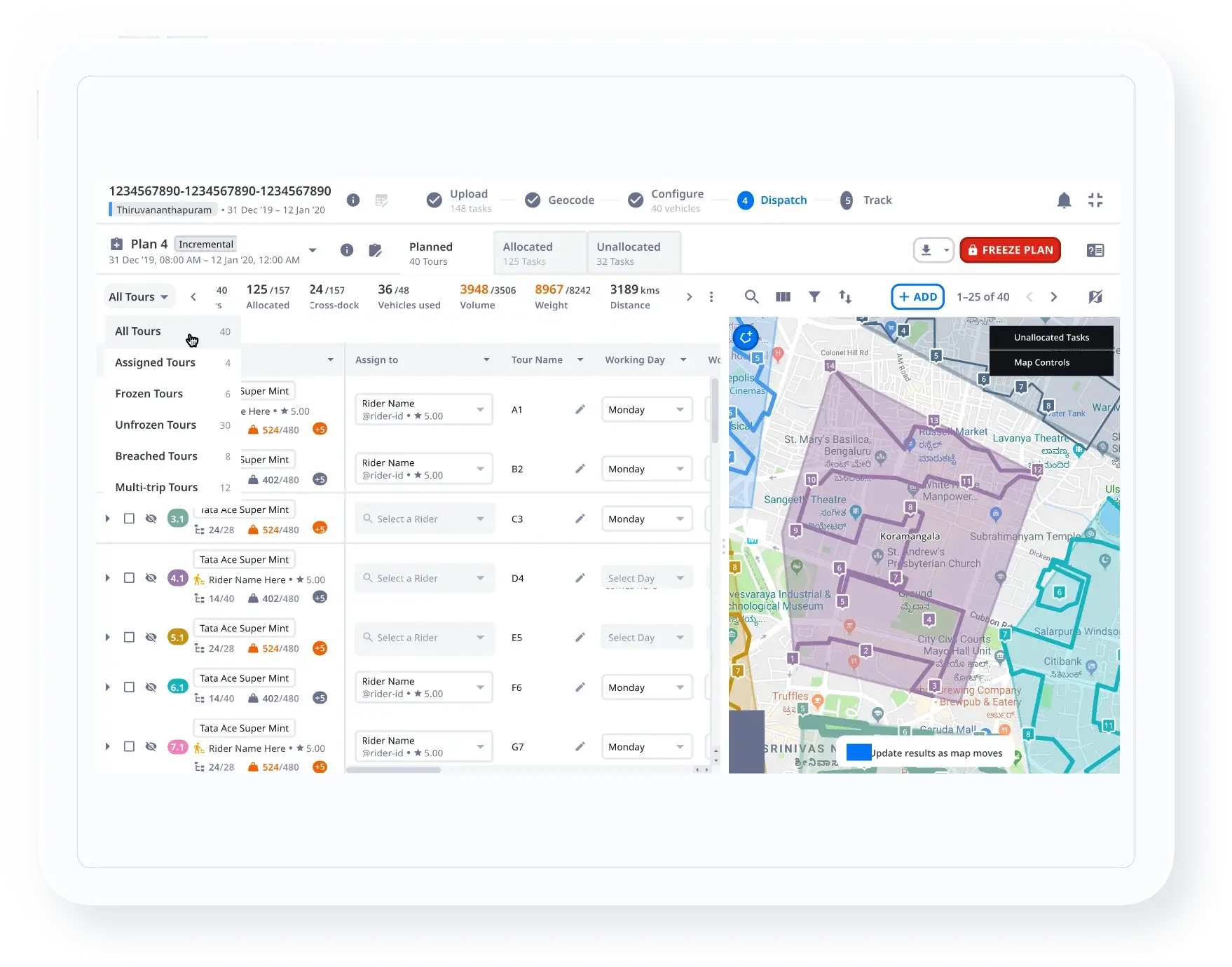
Locus applies AI-driven optimization to transportation planning decisions. The platform analyzes factors such as vehicle capacity, delivery time windows, traffic patterns, and operational constraints to generate efficient delivery routes and shipment allocations.
Instead of relying only on static route planning, logistics teams can adapt transportation decisions based on changing operational conditions.
Learn more about enterprise route optimization capabilities here.
Designed for Complex Logistics Networks
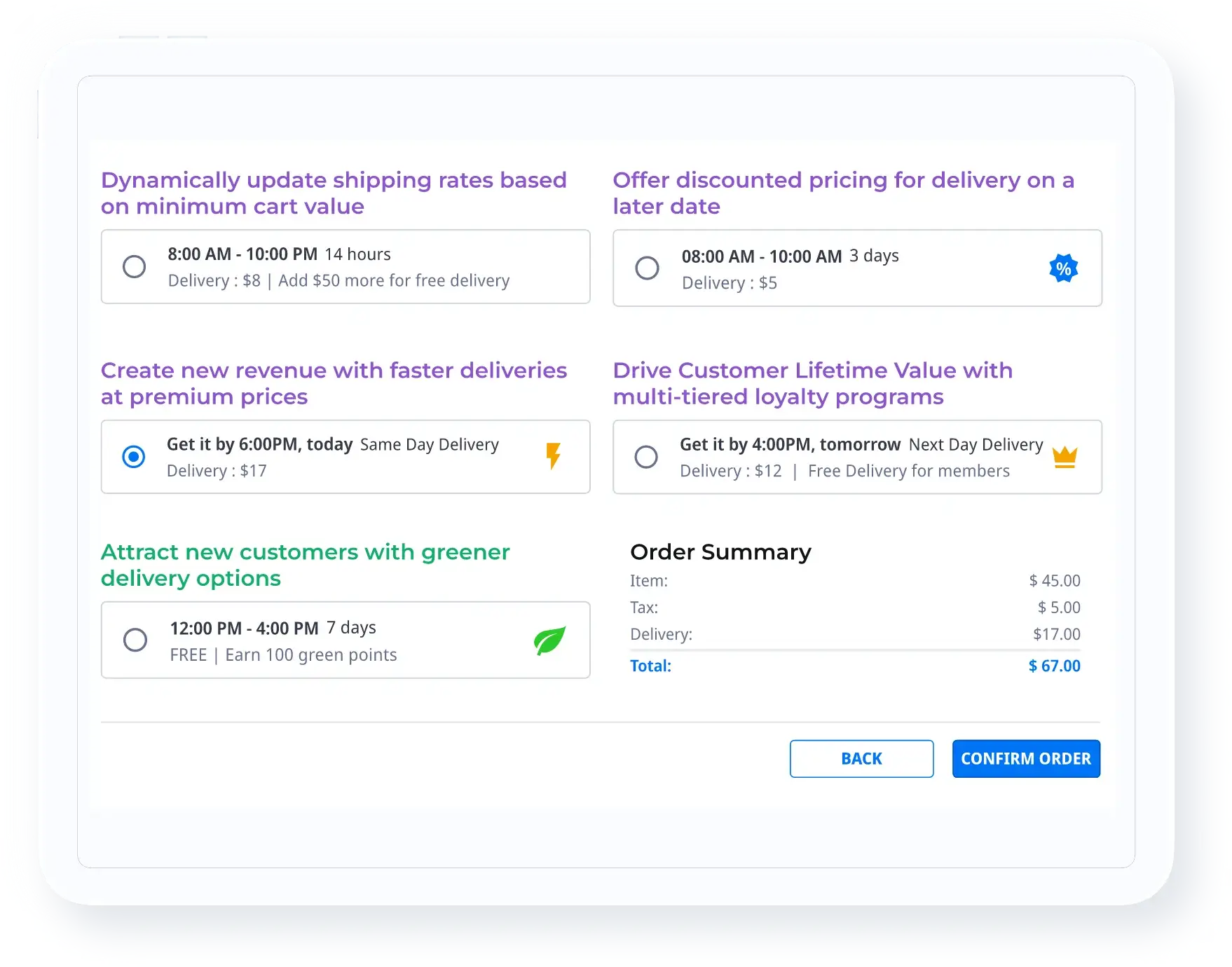
Many enterprises operate delivery networks that include multiple warehouses, distribution centers, and regional delivery hubs. Locus supports these environments by enabling transportation planning across multi-node logistics networks and hybrid delivery models.
This allows logistics teams to coordinate shipments across different delivery regions while maintaining network-wide operational visibility.
Faster Deployment and Operational Flexibility
Traditional transportation systems can require extensive configuration before deployment. Locus is designed with an API-first architecture that allows integration with ERP systems, warehouse platforms, carrier systems, and other logistics tools.
This approach allows organizations to introduce route optimization and transportation intelligence without replacing their existing operational systems.
Integrated Planning, Dispatch, and Execution Visibility
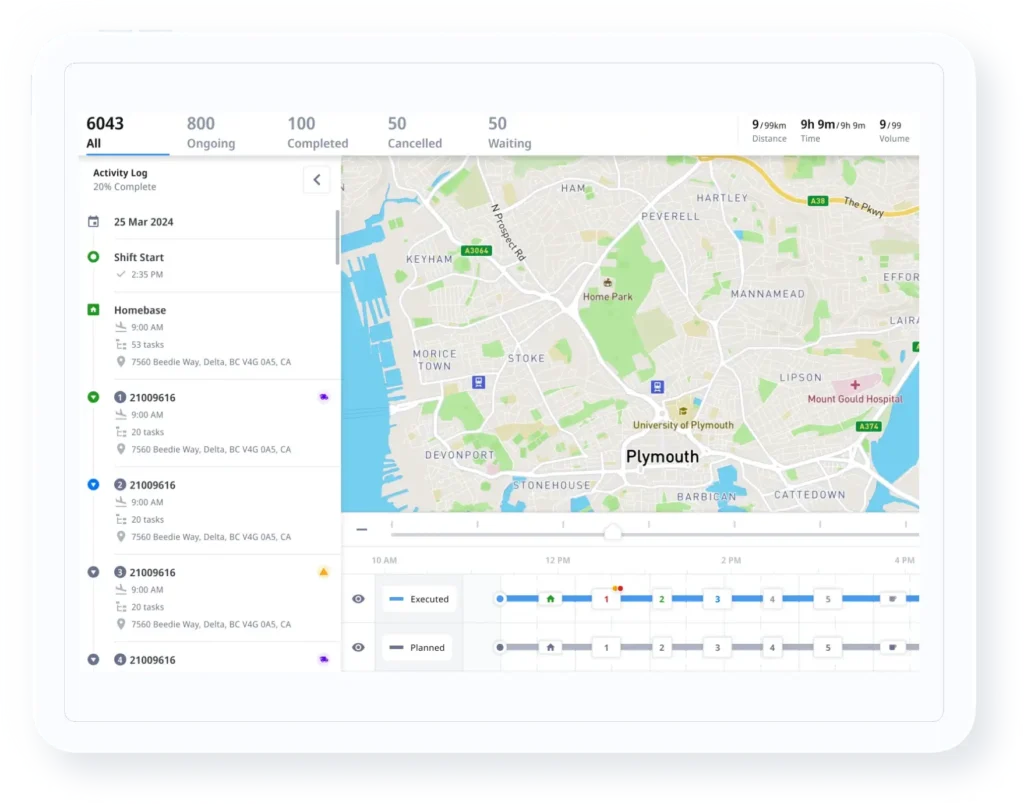
Modern logistics operations require visibility across transportation workflows. Locus connects route planning, dispatch coordination, shipment tracking, and operational monitoring within a single platform.
This unified view helps logistics teams monitor delivery progress and respond quickly to operational changes.
Another Platform Logistics Teams Often Evaluate Alongside Shipsy
When organizations compare logistics platforms, the evaluation usually goes beyond feature lists. Teams often look at how different systems approach transportation planning, delivery execution, shipment visibility, carrier coordination, and performance monitoring across the delivery network.
Since logistics operations involve multiple interconnected workflows, companies sometimes review several platforms during the evaluation process. Each system may approach routing decisions, delivery coordination, and operational visibility in different ways.
This is why some organizations also evaluate platforms like Locus when comparing logistics technologies. Locus focuses on connecting route optimization, dispatch coordination, shipment tracking, and delivery analytics within a unified decision platform.
Built for enterprise logistics environments and backed by Ingka Group, Locus supports organizations managing large transportation networks across multiple regions and operational hubs.
Today, Locus supports 360+ brands across 30+ countries and has delivered $320M+ in logistics cost savings across enterprise logistics networks.
If you are evaluating logistics platforms today, seeing how a system operates within your own logistics environment is often the most practical next step. You can schedule a demo with Locus to explore how enterprise route optimization and delivery orchestration support scalable logistics operations.
Frequently Asked Questions (FAQs)
1. What types of companies typically use Shipsy?
Shipsy is commonly used by enterprises managing large logistics operations across industries such as e-commerce, retail, logistics services, manufacturing, and distribution networks.
2. Does Shipsy support global logistics operations?
Yes. Shipsy is designed to support both domestic and international logistics workflows, allowing organizations to coordinate shipments, carriers, and delivery operations across multiple regions.
3. Does Shipsy offer a free trial or demo?
Shipsy typically provides product demonstrations during the evaluation process. Organizations can review the platform’s routing, shipment visibility, and logistics workflows before moving forward with implementation discussions.
4. How does Shipsy integrate with carrier networks?
Shipsy can connect with carrier systems, freight forwarders, and enterprise logistics tools through integrations. This allows shipment data, routing decisions, and operational events to move across supply chain systems.
5. How difficult is it to migrate from Shipsy to Locus?
Migration usually involves transferring shipment data, routing logic, carrier integrations, and operational workflows to the new system. Platforms like Locus are designed to integrate with existing logistics infrastructure, allowing organizations to transition delivery planning and execution processes with minimal disruption.


General
Oracle Transportation Management Pricing (2026): Plans, Cost, and Alternatives

Mar 16, 2026
Understand Oracle Transportation Management pricing, plans, and cost drivers. See user reviews and how it compares with Locus for enterprise logistics.
Read more
General
LogiNext Pricing (2026): Plans, Costs, and the Best Alternative
Mar 17, 2026
LogiNext pricing guide covering packages, cost factors, deployment considerations, and an alternative. See how logistics teams assess Locus as another option.
Read moreInsights Worth Your Time




















Shipsy Pricing (2026): Plans, Cost, and Alternatives