Our First Steps to Perpetuity

Last updated:
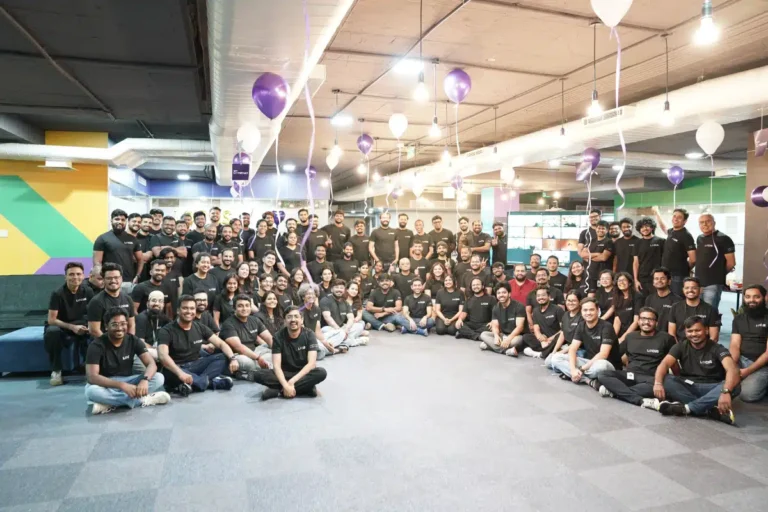
Locus is joining Ingka (IKEA Retail) while remaining independent: same team and roadmap, more resources to build an agentic TMS for all miles, all channels.
Read moreLocus latest blogs

How to Optimize Grocery Delivery Routes: Strategies and Software for Same-Day and On-Demand Operations in 2026
Grocery route optimization is structurally harder than e-commerce routing. The six constraints that break standard routing logic, what software must do about each, and how to evaluate platforms.

Last updated:

Last-Mile Delivery for Quick Commerce: Why Sub-30-Minute Promises Break the Density Model in 2026
Quick commerce last-mile delivery is not faster last-mile delivery. Below thirty minutes the batching that makes the last mile affordable becomes unavailable, and the economics move elsewhere.

Last updated:

Fleet Utilization and the Cost of Idle Time: A CFO Framework for Fresh Produce Peak Shipping
Idle and deadhead behave differently during a harvest surge than in steady state. How to model the cost, why fleet utilization is the only lever available at peak, and what to measure.
Last updated:

Big and Bulky Last-Mile Delivery: Why Standard Logistics Fails and What Actually Works in 2026
Big and bulky last-mile delivery fails on parcel tooling because five constraints remove the freedoms parcel routing assumes. The five locks, what each one costs, and what to change.
Last updated:

AI-Driven Dispatch and Allocation: A Practical Autonomy Model for Deciding What the System Decides
Autonomy levels apply per decision category, not per organisation. Five levels, what governance each requires, where to start for each decision type, and what gates advancement.
Last updated:

How Regional Logistics Companies Win Last-Mile Delivery in US Cities in 2026
The same delivery operation has different unit economics in every US metro. A city-tier breakdown of the five cost drivers that decide last-mile efficiency, and what to change per market.

Last updated:

Courier vs Tech-Enabled Logistics Operator: Which Model Wins on Last-Mile Efficiency in 2026
Traditional courier networks and tech-enabled logistics operators are two different delivery models, not two vendors on a list. Compare them across seven efficiency dimensions, with data from McKinsey, AlixPartners, ShipMatrix and Pitney Bowes.
Last updated:

The Real Cost of Last-Mile Inefficiency for Logistics Providers: Failure Rate Moves Margin Faster Than Cost
For a shipper a failed delivery is a cost line. For a provider paid per delivery it is a negative margin on revenue already booked, and it cannot be repriced until renewal.
Last updated:
Insights Worth Your Time