


General
Logistics Scheduling: Importance, Benefits & Key Strategies

Key Takeaways
- Logistics scheduling is critical for optimizing delivery times, reducing costs, and improving operational efficiency.
- Effective scheduling enables businesses to enhance resource utilization, reduce fuel consumption, and improve fleet management.
- Real-time data and AI-powered solutions can help businesses adapt to disruptions, optimize routes, and ensure on-time deliveries.
- Challenges like route complexity, data integration, and scaling operations can be addressed with the right tools and technologies.
- Locus offers an AI-driven logistics scheduling platform that automates scheduling, enhances efficiency, and helps businesses stay competitive by optimizing delivery operations.
Keeping logistics schedules on track is difficult when order volumes spike, routes face traffic delays, or weather disrupts planned deliveries. Studies show that adaptive algorithms outperform traditional scheduling by responding to these shifts in real time instead of relying on static rules.
For example, an adaptive ant colony algorithm tested in supply chain networks achieved 99.9% scheduling accuracy. The model recalculated routes as conditions changed, lowering transportation costs, reducing delivery times, and improving customer service scores. The results show how dynamic scheduling directly improves both operational efficiency and customer outcomes.
Enterprises managing high delivery volumes or complex multi-location networks can benefit from similar AI-driven approaches. By combining predictive analytics with live operational data, logistics teams can anticipate disruptions, reallocate resources instantly, and maintain service-level commitments at scale.
In this blog, we’ll examine how AI scheduling tackles these challenges in practice and how Locus equips enterprises with the tools to improve reliability, cost efficiency, and customer satisfaction.
What is Logistics Scheduling?
Logistics scheduling is the process of strategically organizing and managing the movement of goods from point A to point B within a specified timeframe. It covers critical tasks such as planning delivery routes, assigning vehicles and drivers, and ensuring on-time deliveries while factoring in traffic, weather, and potential disruptions.
In simple terms, logistics scheduling turns a static route into an actionable plan that balances efficiency with real-world constraints, leading to higher delivery reliability and customer satisfaction.
Today’s logistics scheduling systems rely on GPS, machine learning, and AI to enhance decision-making. These technologies predict disruptions such as delays or traffic congestion, and dynamically adjust routes to reduce their impact. AI also optimizes delivery windows, ensuring resources are allocated efficiently while maintaining cost control and service quality.
Customers now demand faster, more precise deliveries, making logistics scheduling a critical differentiator for supply chain success.
Why Is Logistics Scheduling Important?
Let’s consider a real-life example that highlights the importance of logistics scheduling. A leading E-grocery company in India faced significant challenges in meeting on-time delivery expectations. With thousands of products and multiple daily deliveries, they struggled with managing SLAs, fleet utilization, and manual route planning.
Locus optimized the company’s operations. With its Route Planning Software, the company was able to automate the creation of optimized routes, ensuring deliveries were made within the customer’s preferred time slots. Real-time traffic, geocoding accuracy, and even route restrictions were taken into account, transforming a manual process into a streamlined operation. As a result, the company achieved a 99.5% on-time delivery rate, reduced costs, and maximized fleet efficiency.
This example shows that logistics scheduling goes beyond route planning. It involves strategically aligning resources, managing disruptions, and making real-time adjustments to meet customer expectations.
Read more about it on: Enabling customer satisfaction through smart logistics in E-grocery
Key benefits of logistics scheduling include:
- Operational efficiency and cost control: Strategic route planning lowers fuel usage, cuts expenses, and maximizes fleet and workforce output.
- Improved customer experience: Accurate delivery windows and real-time updates strengthen customer trust, especially in fast-growing sectors like e-commerce.
- Resilience against disruptions: Effective scheduling tools reroute vehicles or reassign resources to handle traffic congestion, road closures, and last-minute order changes.
- Scalability and flexibility: Automated scheduling supports business growth by adapting to fluctuating demand and expanding service areas without adding complexity.
Ultimately, logistics scheduling creates a framework that reduces costs, enhances customer satisfaction, and equips businesses to respond quickly to changing conditions in the supply chain.
Scheduling Logistics: 4 Key Strategies
Efficient logistics scheduling requires strategies that use data, adapt in real time, and optimize resources. The following key strategies can significantly improve logistics scheduling processes:
1. Data-Driven Decision-Making
Analyzing past deliveries and performance data is crucial for optimizing logistics scheduling. Companies can identify the most efficient routes, peak traffic times, and the best delivery windows by analyzing the data.
For example, research from International Journal For Innovative Research In Multidisciplinary Field (2023) highlights the role of predictive analytics in last-mile delivery, where machine learning algorithms forecast delays from factors such as road closures, accidents, or weather disruptions.
This allows logistics managers to make real-time adjustments, ensuring that routes and delivery windows are modified proactively. Such predictive models have proven to reduce delays and improve customer satisfaction by maintaining on-time delivery rates, especially during unpredictable disruptions like heavy rain or rush-hour traffic.
2. Real-Time Tracking and Agile Adjustments
Real-time tracking is essential for dynamic logistics scheduling. Using GPS and fleet management systems, companies can monitor vehicle locations, assess delivery progress, and identify any delays immediately. When an issue arises, such as traffic congestion or a driver running behind schedule, businesses can quickly reroute vehicles based on live data to minimize delays.
For instance, FedEx utilizes SenseAware ID, a sensor technology that tracks shipments hundreds of times more frequently than traditional methods. The sensor transmits precise location data via Bluetooth Low Energy (BLE) throughout FedEx’s network. This provides real-time visibility, enabling FedEx to adjust routes instantly and ensure timely deliveries, even when faced with unforeseen disruptions like traffic or weather.
3. Seamless Integration with Supply Chain Management
To maximize efficiency, logistics scheduling must integrate seamlessly with other key supply chain functions, such as inventory management, order fulfillment, and procurement. An integrated system ensures that delivery schedules align with inventory availability, production timelines, and customer orders, reducing the risk of miscommunication and operational inefficiencies.
A real-world example comes from Avian Brands, one of Indonesia’s largest paint manufacturers. The company faced several operational challenges, including static, manual logistics planning, underutilized vehicles, and lack of data visibility. By partnering with Locus, Avian Brands streamlined its supply chain with an integrated solution that combined Order Management, Route Planning, and Control Tower.
Locus optimized route planning using its geocoding technology to consider geography, time, and vehicle capabilities. The integration of machine learning further enhanced planning efficiency by continuously refining delivery schedules based on real-time execution data. Additionally, the Driver Companion App digitized the delivery process, providing real-time shipment tracking and increasing visibility.
As a result, Avian Brands achieved a 95% increase in SLAs (Order to Delivery), reduced lead time from 1.21 days to 0.98 days, and improved fleet utilization by 10%—all while maintaining a seamless, real-time integration of logistics with their supply chain functions.
Explore how Avian Brands improved SLAs and fleet utilization in a detailed case study.
4. Automation for Scalable Logistics
As businesses grow, manual scheduling becomes increasingly difficult to manage. Automated scheduling systems provide the scalability needed to handle higher volumes without sacrificing accuracy. These systems use AI to evaluate real-time data, predict delays, and optimize routes, automating many of the manual tasks involved in scheduling. This enables businesses to scale operations, cut costs, and maintain delivery accuracy.
Learn how vehicle routing software improves on-time deliveries and reduces costs in large-scale logistics operations.
TL;DR
- Use predictive analytics to forecast delivery delays and maintain higher on-time rates in logistics scheduling.
- Adopt real-time tracking tools like GPS or sensors to reroute instantly and reduce delivery risks.
- Integrate logistics scheduling with supply chain systems to cut lead times by up to 20% and boost SLAs.
- Automate scheduling with AI to scale efficiently, reduce costs, and minimize human error.
6 Benefits of Effective Logistics Scheduling
Efficient logistics scheduling brings measurable advantages that directly impact both the operational efficiency and customer satisfaction of a business. When done well, logistics scheduling offers the following key benefits:
1. Cost Savings
Optimized delivery routes reduce waste across the fleet. Businesses benefit by:
- Cutting fuel consumption
- Extending vehicle lifespan
- Reducing driver idle time and overtime
Imagine a delivery service adjusting its routes to avoid rush-hour congestion: fuel is saved, more deliveries are completed, and overtime costs shrink. These micro-adjustments, repeated fleetwide, compound into substantial savings.
2. Maximized Resource Utilization
A well-designed schedule ensures vehicles, drivers, and warehouses operate at full potential. For example:
- Trucks run at full capacity instead of half loads
- Drivers are assigned to the most efficient zones
- Warehouse dispatch aligns with delivery windows
For instance, when a food distributor aligns warehouse operations with delivery routes, vehicles leave fully loaded, no trucks sit idle, and additional fleet investment becomes unnecessary.
3. Enhanced Customer Satisfaction
Customers expect accuracy and transparency. Scheduling ensures deliveries align with promised windows while providing real-time updates.
For example, if severe weather delays a shipment, a proactive notification with a revised time builds trust instead of frustration. Clear communication strengthens loyalty and makes reliability a customer-facing advantage.
4. Improved Delivery Accuracy
AI-powered scheduling systems reroute vehicles instantly when disruptions occur. If a truck encounters an accident or road closure, the system recalculates in seconds. These adjustments minimize errors, reduce missed time slots, and make delivery accuracy a consistent standard even under unpredictable conditions.
5. Scalability and Flexibility
When demand surges during peak seasons, optimized scheduling keeps operations running without disruption. Businesses don’t need extra trucks or temporary staff. The same fleet covers more ground by:
- Reorganizing delivery routes dynamically
- Handling higher order volumes without delays
- Adapting instantly to last-minute changes
For example, a retailer fulfilling holiday orders can keep operations running smoothly with the existing fleet, even during a surge.
6. Competitive Advantage
Reliability is a differentiator in crowded markets. Companies that consistently meet delivery windows win customer trust and outperform slower rivals. A logistics provider offering next-day delivery without raising costs demonstrates how scheduling excellence translates directly into a competitive edge.
5 Critical Challenges in Logistics Scheduling You Need to Address
Logistics scheduling presents a range of challenges that businesses must address to maintain efficiency and meet customer expectations. These obstacles, if unmanaged, can increase costs, disrupt timelines, and weaken overall performance.
1. Complex Route Planning:
Coordinating multiple stops while factoring in traffic, delivery windows, and vehicle capacity is demanding.
For instance, a citywide delivery run requires careful attention to congestion and time restrictions. Without advanced tools, inefficiencies multiply, leading to missed deadlines and rising costs.
2. Unpredictable Variables:
Even well-prepared schedules can falter due to traffic jams, road closures, or severe weather. A single storm may delay multiple vehicles, forcing rerouting and revised delivery windows. Businesses need agile systems that adjust instantly to keep operations on track.
3. Data Quality and Integration Issues:
Outdated or siloed data undermines scheduling accuracy. If inventory isn’t updated in real time, drivers may arrive to collect unavailable goods, creating ripple delays. Seamless integration between fleet, warehouse, and order systems is essential to prevent such inefficiencies.
4. Scaling and Resource Allocation:
As operations grow, rising order volumes and larger fleets strain manual processes. Assigning the right vehicles, drivers, and warehouse staff becomes increasingly complex. Without advanced scheduling platforms, businesses risk compliance issues, inefficiency, and employee burnout.
5. Lack of Real-Time Visibility:
When live updates are unavailable, managers struggle to respond to disruptions. If a truck breaks down or faces heavy traffic, the absence of accurate location data prevents timely adjustments. Real-time visibility ensures flexibility and keeps customers informed.
Tools and Technologies for Efficient Logistics Scheduling
Efficient logistics scheduling is no longer just about assigning routes or drivers. Modern supply chains are becoming more complex with changing customer demands, unpredictable traffic, and rising fuel costs. To keep pace, businesses are adopting advanced technologies that optimize operations while making them more resilient, scalable, and responsive.
1. Route Optimization Software
Route optimization is the foundation of modern logistics. These platforms analyze traffic, delivery windows, and fleet capacity to design the most efficient routes. Dynamic optimization allows adjustments in real time when conditions change, such as congestion, weather, or urgent orders. This reduces mileage, saves fuel, and enables drivers to complete more deliveries within the same resources.
A strong example of this in action is the use of dynamic route optimization, where algorithms automatically adapt to changes on the ground, such as congestion or last-minute order requests, ensuring consistent delivery performance.
2. AI and Machine Learning
Artificial intelligence has reshaped scheduling decisions. AI-driven systems process large volumes of data, including traffic patterns, demand forecasts, and driver availability, with speed and precision. Machine learning models improve over time, refining schedules based on real-world disruptions and performance. This creates a system that scales effectively, supporting thousands of deliveries with accuracy.
3. Automated Scheduling Software
Manual scheduling often leads to delays and errors. Automated scheduling systems generate optimized schedules instantly, balancing deadlines, compliance needs, and available resources. They adapt in real time to minimize bottlenecks and keep deliveries on track, ensuring smooth operations across even the largest networks.
4. Predictive analytics
Predictive analytics makes logistics more proactive. By analyzing historical data, these systems forecast demand surges, seasonal shifts, and future resource requirements. This allows businesses to allocate vehicles and staff in advance, prepare for order spikes, and reduce disruption risks. A predictive approach ensures stability and dependability in scheduling.
5. Cloud-based platforms
Cloud technology provides centralized control and visibility. Cloud-based scheduling platforms allow teams to collaborate, monitor deliveries, and adjust schedules in real time across multiple locations. Integration with ERP, OMS, or TMS systems ensures scheduling works as part of a connected supply chain, supporting scale and efficiency.
6. Mobile Applications
Mobile apps connect planning with execution. Drivers receive live route updates, can capture proof of delivery, and communicate instantly with dispatchers. These features improve last-mile performance and provide customers with accurate delivery updates, building stronger trust and transparency.
7. Fleet Management Systems
Fleet management software extends scheduling by linking vehicle performance data with delivery needs. They track fuel use, driver behavior, and maintenance conditions to ensure assets are deployed effectively. Matching the right vehicles to the right deliveries reduces costs and maintains reliability.
8. Integration with IOT devices
The Internet of Things (IoT) enhances logistics through real-time data. Sensors, GPS trackers, and telematics devices provide updates on vehicle health, location, and environmental factors. Scheduling systems that use this data can predict delays, schedule maintenance, and keep stakeholders informed, resulting in faster and more reliable operations.
Together, these tools create a unified scheduling ecosystem that shifts logistics from a reactive process to a strategic advantage. Companies that adopt these tools reduce costs, improve fleet and driver productivity, and deliver reliable customer experiences.
How Locus Powers Smarter Logistics Scheduling
Effective logistics scheduling requires more than plotting routes on a map. It demands precise coordination across drivers, fleets, warehouses, and customer expectations. Locus transforms this complex process with AI-powered automation and real-time intelligence.
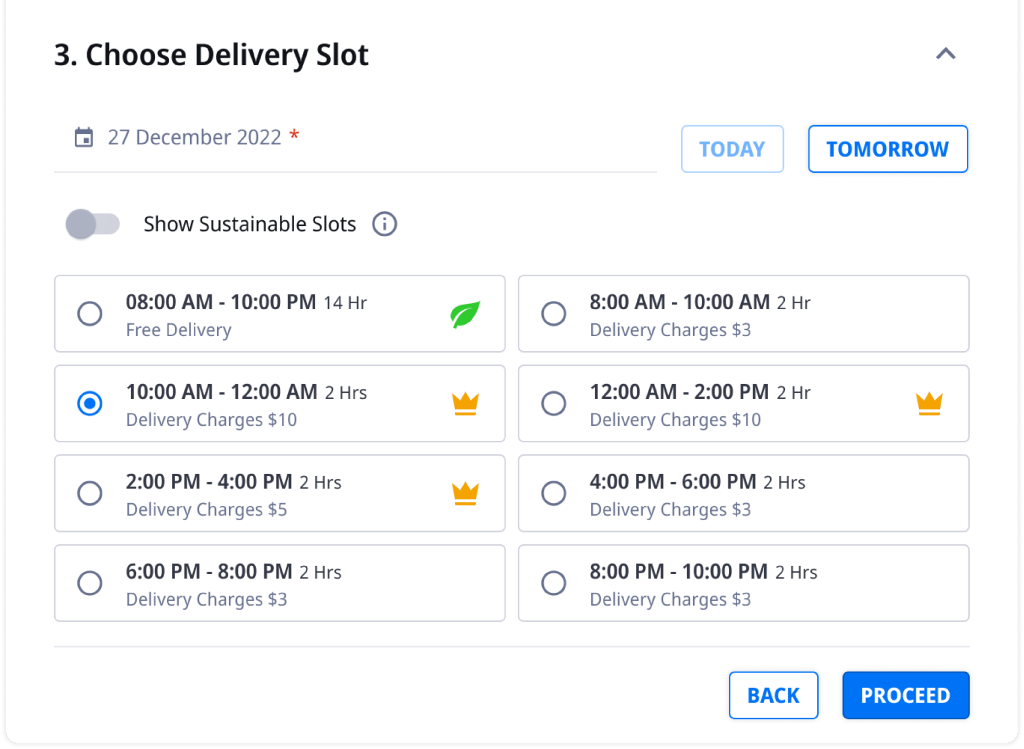
Accurate Delivery Windows
Locus ensures deliveries are not just routed efficiently but scheduled within the exact time slots customers request. The platform dynamically aligns routing and scheduling so a 10–11 AM delivery commitment is consistently met, without wasted hours or extra miles.
Driver & Fleet Utilization
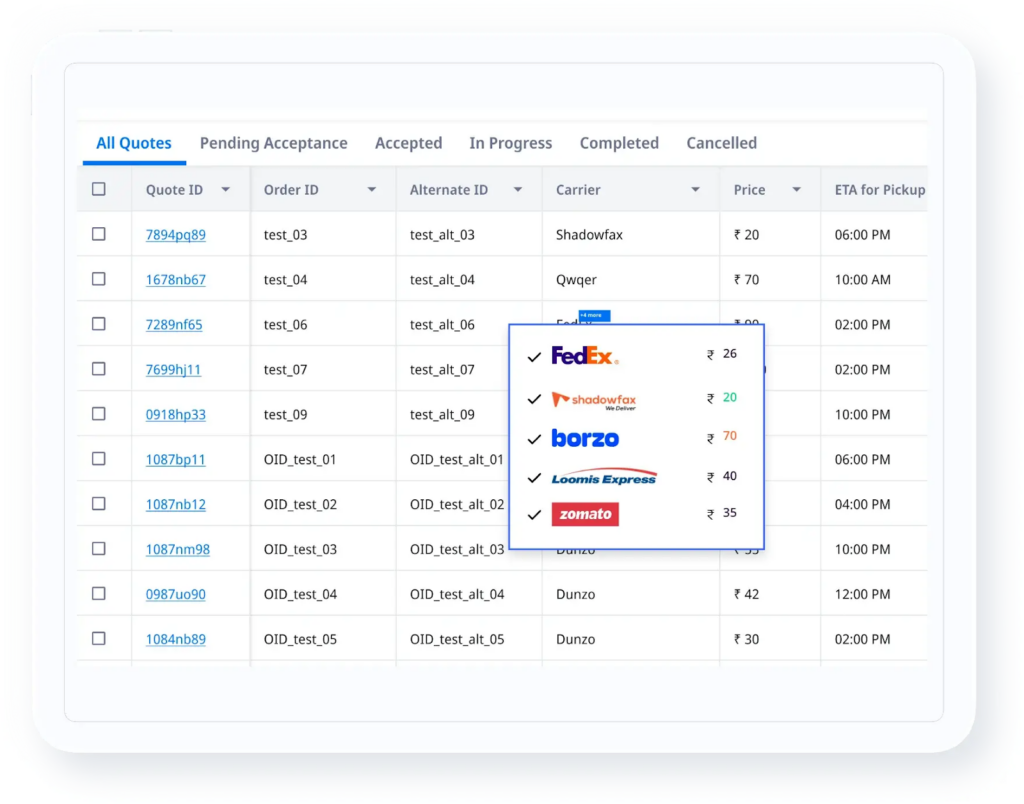
The platform factors in driver availability, shift hours, vehicle capacity, and compliance requirements before scheduling. This prevents over-assignment, ensures legal driving limits are maintained, and maximizes asset utilization.
Real-Time Disruption Handling
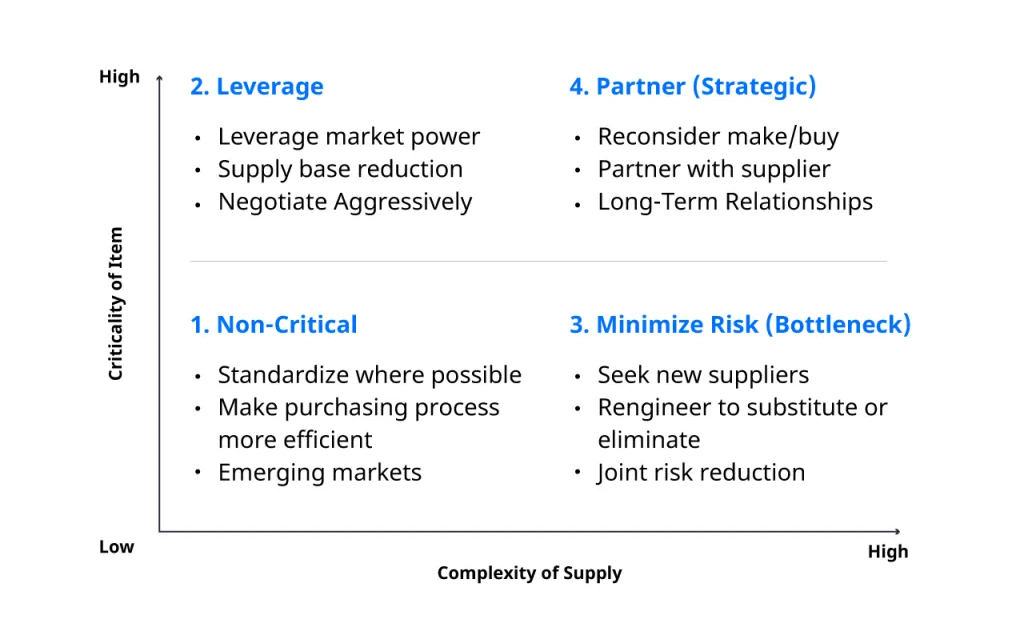
Traffic bottlenecks, weather delays, or last-minute cancellations can easily derail schedules. Locus uses GPS data, predictive analytics, and AI-driven alerts to anticipate disruptions and automatically adjust delivery timelines, protecting both SLAs and customer trust.
End-to-End Coordination
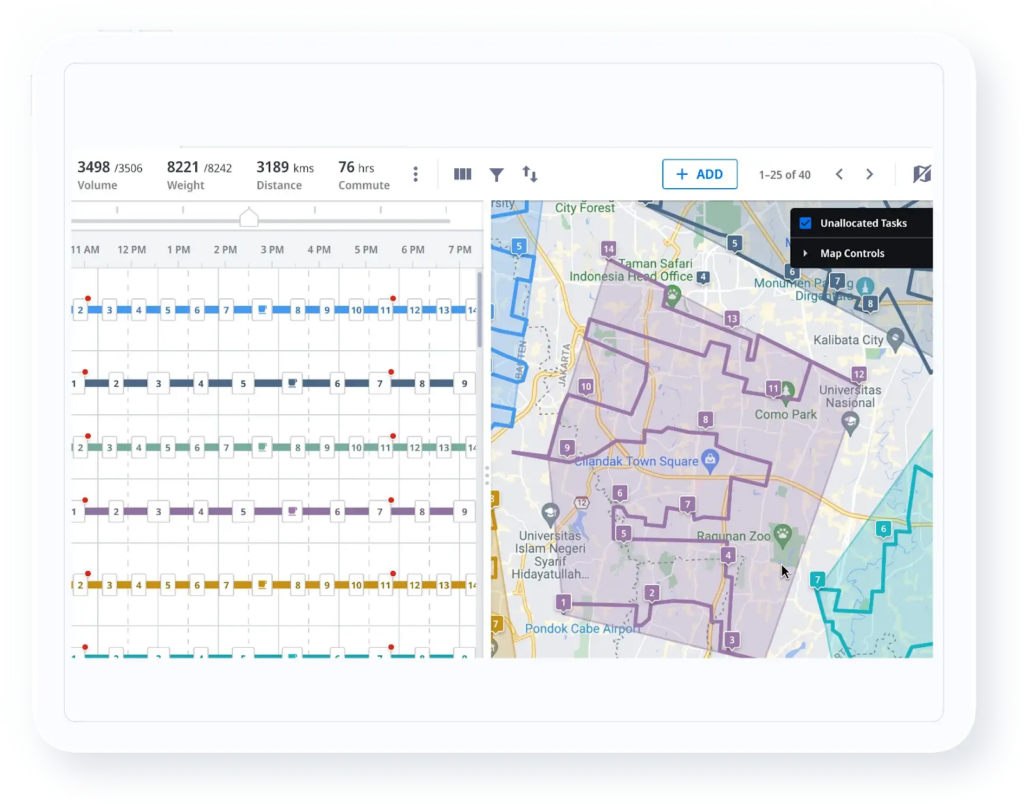
Scheduling is optimized beyond the last mile. Locus synchronizes warehouse readiness, vehicle dispatch, and delivery sequencing to ensure every stage of the supply chain is aligned and efficient.
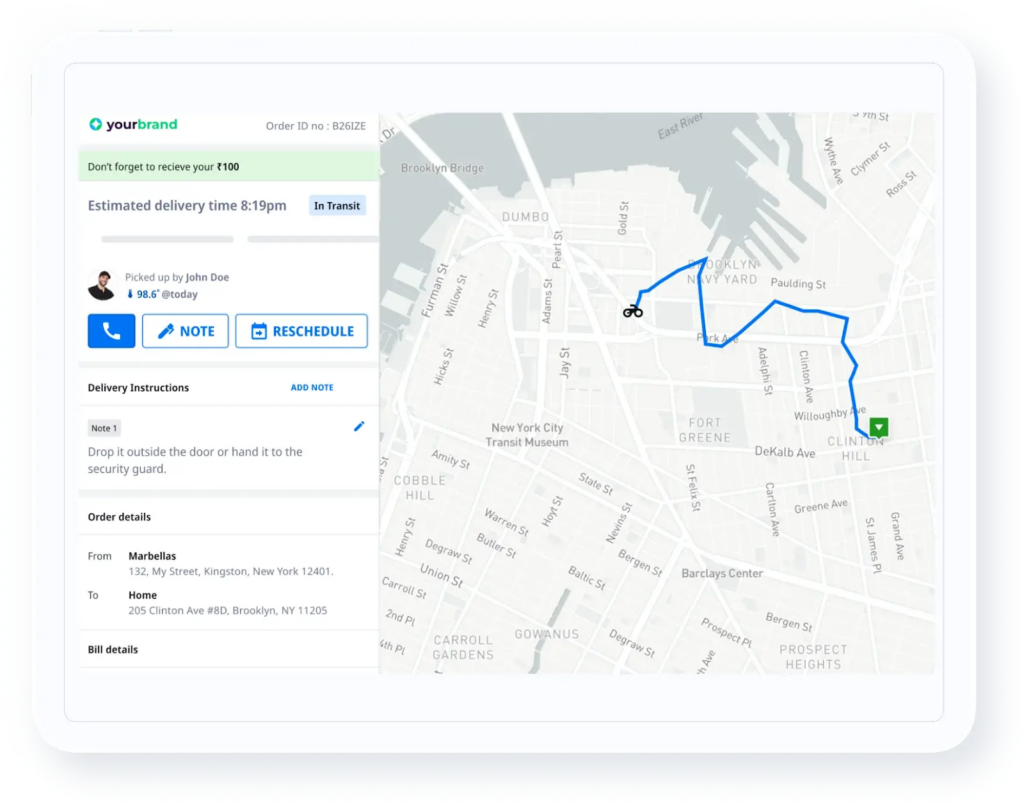
Customer-Centric Experience
With accurate ETAs, proactive notifications, and real-time tracking, businesses using Locus improve first-attempt delivery success rates and enhance customer satisfaction.
Operational Cost Control
By minimizing idle time, reducing failed deliveries, and maximizing fleet capacity, Locus helps enterprises lower logistics costs while improving service reliability.
Logistics scheduling becomes a competitive advantage. Ensuring resources are used efficiently, customers get their deliveries on time, and businesses maintain full visibility and control.
Logistics Scheduling: The Hidden Key to Reducing Costs and Winning Customer Loyalty
Logistics scheduling is most effective when different technologies work together. Route optimization, AI, predictive analytics, cloud platforms, and IoT all serve a practical purpose: cutting delays, improving resource use, and keeping deliveries on track.
The real value comes from integration, where each system complements the others to create operations that are efficient, reliable, and ready to scale.
Book a demo with Locus today to optimize your logistics scheduling and maintain a strategic edge in the market.
Frequently Asked Questions (FAQs)
1. How does AI improve logistics scheduling?
AI enhances logistics scheduling by analyzing real-time data and historical performance. Platforms like Locus use predictive analytics to forecast potential disruptions, optimize route planning, and automate scheduling decisions. This minimizes human error, accelerates adjustments, and ensures more accurate delivery times across varying conditions.
2. How can logistics scheduling help reduce operational costs?
By optimizing routes and enhancing fleet utilization, logistics scheduling cuts fuel costs and minimizes idle times. Efficient scheduling also reduces the need for additional resources, such as extra vehicles or overtime labor, directly lowering operational expenses while maximizing fleet performance and resource allocation.
3. What role does real-time tracking play in logistics scheduling?
Real-time tracking offers continuous visibility into the location and status of deliveries. It allows businesses to immediately respond to delays by rerouting vehicles, adjusting schedules, and providing customers with accurate delivery windows. This ensures uninterrupted operations and helps prevent delays from escalating across the logistics network.
4. What challenges arise when scaling logistics operations?
As logistics operations scale, managing increased delivery points, vehicles, and customer expectations becomes more complex. Without advanced scheduling systems, inefficiencies and missed deliveries are more likely. Scalable systems like Locus streamline scheduling, adapt to growing demands, and ensure operational efficiency despite higher complexity.
5. How does Locus enhance logistics scheduling for businesses?
Locus integrates AI-driven predictive analytics and real-time data to automate logistics scheduling. By adjusting to disruptions and optimizing route planning, Locus ensures businesses meet delivery deadlines, improve fleet efficiency, and reduce operational costs, all while enhancing customer satisfaction with accurate and timely deliveries.


General
Capacitated Vehicle Routing Problem (CVRP): A Complete Guide

Sep 29, 2025
Learn how to solve the Capacitated Vehicle Routing Problem (CVRP) with AI-powered solutions that reduce delivery costs by 15-30% while optimizing fleet capacity and route efficiency.
Read more
General
Understanding Commercial Truck Routes: A Complete Guide in 2025
Oct 1, 2025
Discover how commercial truck routing optimizes fleet operations, reduces costs, and improves delivery performance with modern routing software and proven implementation strategies.
Read moreInsights Worth Your Time




















Logistics Scheduling: Importance, Benefits & Key Strategies