


General
Why Delivery Scheduling Is Essential for Supply Chain Success and Efficiency

Key Takeaways
- Delivery scheduling aligns order readiness, fleet capacity, and delivery windows to ensure shipments reach customers within planned timelines.
- Well-structured delivery schedules improve driver productivity, reduce delays, and help logistics teams maintain consistent on-time delivery performance.
- Coordinating routing and scheduling together ensures delivery commitments remain feasible and operational resources are used efficiently.
- Data-driven scheduling helps logistics teams refine delivery windows, improve route planning, and maintain predictable delivery operations.
- Platforms like Locus combine routing, scheduling, and dispatch execution to help enterprises manage delivery scheduling with greater accuracy and operational visibility.
A recent Locus survey on delivery expectations found that 80% of consumers consider delivery experience an important factor when deciding where to shop. Reliability, timing, and visibility during delivery increasingly shape overall customer satisfaction.
Meeting those expectations depends heavily on how deliveries are scheduled. Every day, retailers, distributors, and logistics teams coordinate large volumes of orders leaving warehouses and assign them to available vehicles while ensuring deliveries happen within promised time windows. When scheduling decisions are made without clear visibility into fleet capacity or delivery constraints, delays begin to appear across the network.
Delivery scheduling introduces structure to this process. It connects order readiness with fleet availability and delivery windows so dispatchers can create schedules that are realistic and executable.
In this article, we explain what delivery scheduling is, how it works in supply chain operations, and why it plays a central role in maintaining reliable delivery performance.
What Is Delivery Scheduling?
Delivery scheduling is the process of planning and assigning delivery times, vehicles, and drivers so orders reach customers within defined delivery windows while using logistics capacity efficiently.
Instead of dispatchers manually coordinating deliveries or adjusting routes throughout the day, delivery scheduling systems evaluate order readiness, delivery windows, fleet availability, and route feasibility. Based on these inputs, the system creates a delivery schedule that assigns orders to the most appropriate routes and delivery slots.
The result is a structured delivery schedule that helps logistics teams execute deliveries on time, improve driver productivity, reduce missed delivery windows, and maintain consistent service performance across the network.
The Importance of Delivery Scheduling in the Modern Supply Chain
Imagine a distribution center preparing hundreds of orders for dispatch in the morning. Some deliveries must reach retail stores before opening hours, while others are scheduled for residential delivery windows later in the day. Vehicles arrive at loading docks at different times, and drivers follow routes that must align with both traffic conditions and customer commitments.
In this environment, delivery scheduling determines how smoothly the operation runs. The way deliveries are scheduled influences fleet utilization, dock operations, service level performance, and the reliability of delivery promises.
To understand its impact better, here are some of the key ways delivery scheduling supports modern supply chain operations.
Increased Customer Expectations
Customers now expect delivery windows they can rely on. Retail and e-commerce orders often include same-day or next-day delivery commitments, and customers track shipments closely once an order leaves the warehouse.
Structured scheduling helps organizations meet these expectations. By assigning delivery windows based on route feasibility and fleet capacity, logistics teams can promise delivery times that are realistic and achievable.
When schedules reflect real operational constraints, organizations improve on-time delivery rates and strengthen customer trust.
Optimizing Logistics and Resources
Logistics networks operate under constant pressure to use vehicles, drivers, and warehouse capacity efficiently. Without structured scheduling, dispatchers often assign deliveries reactively, which leads to uneven route loads and idle fleet time.
A coordinated scheduling approach ensures that resources are allocated according to planned delivery windows and route capacity. When routing and scheduling work together, organizations improve driver productivity, reduce unnecessary mileage, and maintain control over operational costs.
Minimizing Delays and Disruptions
Delivery operations rarely run exactly as planned. Traffic conditions, vehicle availability, and order changes can all affect delivery timelines.
A well-structured delivery schedule provides a clear baseline for dispatch teams. When disruptions occur, teams can adjust delivery assignments or delivery windows without disrupting the entire plan. This flexibility helps organizations maintain service reliability and avoid missed delivery commitments.
Improving Supply Chain Visibility
Structured delivery planning also creates a shared operational timeline across warehouses, dispatch teams, and drivers.
Operations teams can see which deliveries are scheduled, when vehicles are expected to arrive at loading docks, and how deliveries are performing against service commitments. This visibility helps reduce dock congestion, improves coordination between warehouse and transportation teams, and supports stronger SLA performance across the delivery network.
Key Components of Effective Delivery Scheduling
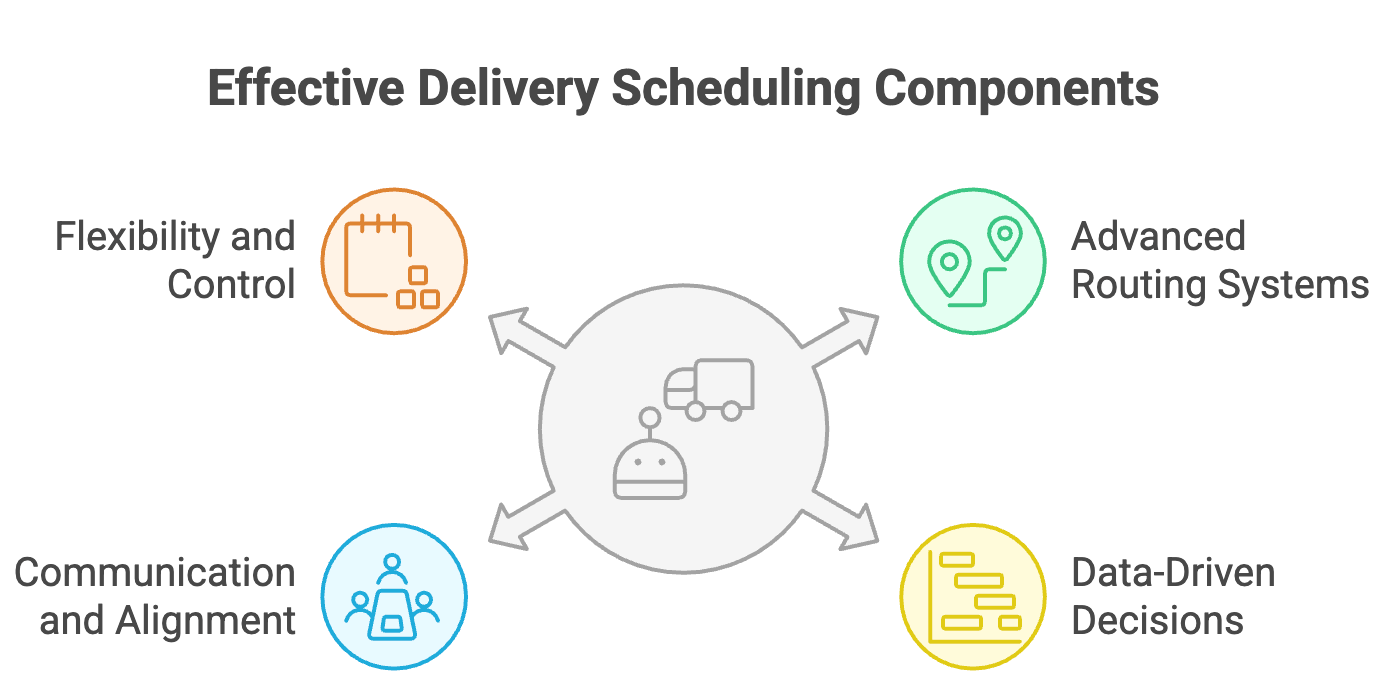
Reliable scheduling depends on the right systems, operational data, and coordination across teams. Instead of relying entirely on dispatcher judgment, modern logistics operations structure delivery planning around several core components that keep schedules feasible and scalable.
These components help organizations align order flow, delivery capacity, and execution constraints before vehicles leave the warehouse.
Advanced Routing and Scheduling Systems
Effective delivery planning depends on systems that evaluate routes and delivery timing together. When routing and scheduling operate as a single process, delivery slots are assigned based on realistic travel times and vehicle capacity.
This prevents situations where delivery windows are promised first and route feasibility is evaluated later. Route-aware scheduling ensures that delivery commitments match the operational reality of the road network.
Data-Driven Decision Making
Reliable delivery schedules depend on accurate operational data. Logistics teams analyze historical delivery times, driver productivity patterns, traffic behavior across delivery zones, and customer availability trends.
These insights help determine realistic delivery windows and improve how resources are allocated across routes. Over time, data-driven scheduling allows organizations to refine delivery performance and adjust operational strategies based on measurable outcomes.
Communication and Operational Alignment
Creating effective delivery schedules requires coordination between warehouse teams, dispatchers, drivers, and customer service teams.
Clear schedule visibility ensures each team understands when orders are scheduled to leave the facility, which deliveries require priority handling, and how execution progress affects downstream operations. When communication flows smoothly, delivery operations remain stable even during high-volume periods.
Flexibility and Operational Control
Supply chain environments constantly change due to order fluctuations, route conditions, and operational constraints. Effective delivery scheduling systems allow dispatch teams to adjust assignments, rebalance workloads across vehicles, and update delivery timelines when conditions change.
This flexibility helps organizations maintain operational control while continuing to meet delivery commitments across complex distribution networks.
Benefits of Implementing Effective Delivery Scheduling
When delivery scheduling is structured around real-time challenges and supported by the right systems, logistics teams gain measurable improvements across delivery operations. Clear schedules allow organizations to coordinate deliveries more effectively, manage fleet activity predictably, and maintain consistent service performance.
Several benefits emerge when delivery scheduling is implemented effectively.
- Higher First-Attempt Delivery Success: Clear delivery windows increase the likelihood that customers are available to receive shipments. When schedules reflect route timing and customer availability, drivers complete more deliveries successfully on the first attempt.
- Lower Dwell Time at Warehouses: Delivery scheduling aligns vehicle arrival times with warehouse readiness, reducing driver wait times and keeping dock operations moving smoothly.
- Better Fleet Utilization: Delivery scheduling distributes deliveries across vehicles according to route capacity. This helps organizations use their fleets more efficiently without adding vehicles unnecessarily.
- Reduced WISMO Calls: Predictable delivery schedules provide clearer expectations for customers. When deliveries arrive within expected windows, customer support teams receive fewer “Where is my order?” inquiries.
Challenges in Delivery Scheduling
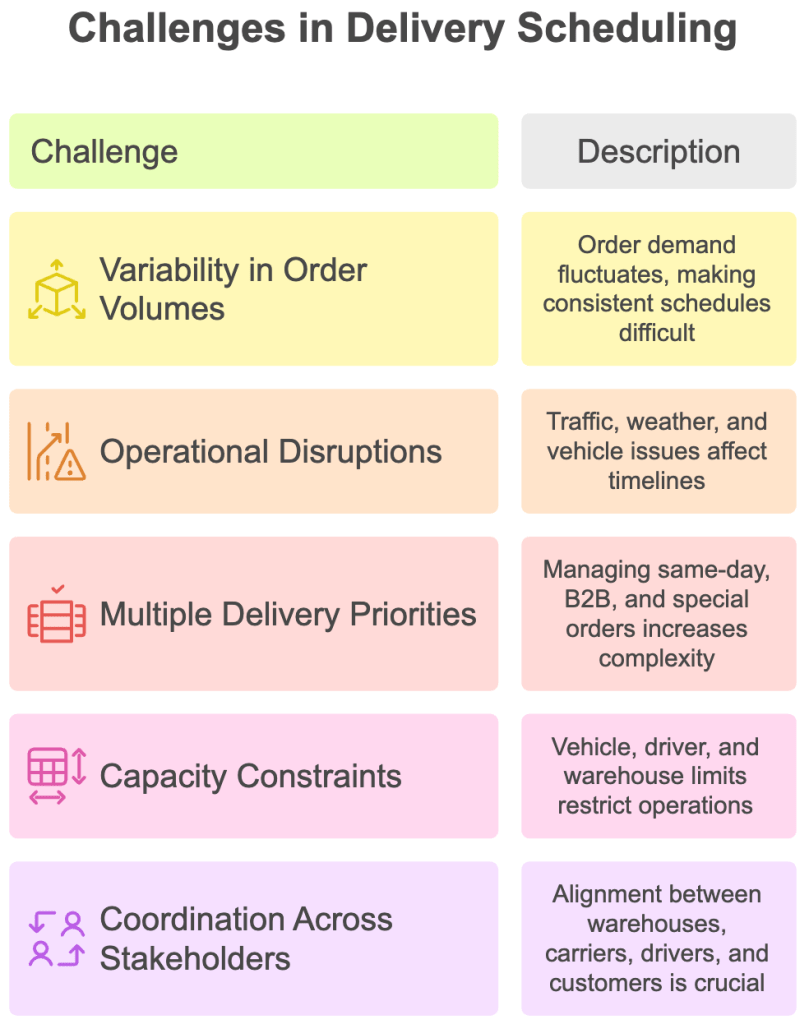
Even with structured processes, delivery scheduling can be difficult to manage in large and dynamic logistics networks. Delivery volumes change frequently, deliveries span faraway locations, and multiple stakeholders must stay aligned on delivery commitments.
Without systems that account for these factors, delivery schedules can become difficult to maintain:
- Variability in Order Volumes: Order demand often fluctuates due to promotions, seasonal spikes, or regional buying patterns. These changes make it difficult to maintain consistent delivery schedules and balance workload across routes.
- Operational Disruptions: Traffic delays, weather conditions, and vehicle issues can affect planned delivery timelines. Dispatch teams must quickly adjust schedules to keep deliveries moving.
- Multiple Delivery Priorities: Logistics teams often handle same-day deliveries, scheduled B2B shipments, and special handling orders at the same time. Managing these priorities within limited fleet capacity increases scheduling complexity.
- Capacity Constraints: Vehicle availability, driver hours, and warehouse loading limits place natural constraints on delivery operations. When demand approaches these limits, scheduling decisions become more difficult.
- Coordination Across Stakeholders: Delivery scheduling requires alignment between warehouses, carriers, drivers, and customers. Without clear communication and visibility, schedule changes can disrupt downstream operations.
Strategies to Improve Delivery Scheduling
Improving delivery scheduling requires more than assigning delivery slots. Logistics teams must ensure that delivery commitments reflect real operational capacity and that schedules remain adaptable as conditions change.
Several practical strategies help make delivery scheduling more reliable and scalable.
Validate Capacity Before Confirming Delivery Windows
Delivery promises should always reflect available fleet capacity and route feasibility. When delivery windows are confirmed before considering these issues, dispatch teams often struggle to fulfill those commitments later.
By checking vehicle availability, route load, and delivery timing before confirming schedules, organizations avoid overcommitting delivery capacity.
Combine Routing and Scheduling
Routing and scheduling should operate as a unified planning process. When delivery routes and delivery windows are created separately, schedules may look feasible on paper but fail during execution.
Combining routing and scheduling ensures that delivery windows align with actual travel times, stop density, and driver workload across routes.
Use Real-Time Operational Visibility
Delivery operations constantly change due to traffic conditions, route delays, or order adjustments. Real-time visibility into fleet movement and route progress helps dispatch teams understand how schedules are performing throughout the day.
With this visibility, teams can update delivery sequences, adjust assignments, and maintain service reliability when conditions change.
Track Predictive Performance Metrics
Monitoring delivery performance helps organizations continuously improve scheduling accuracy. Metrics such as route completion times, driver productivity, and delivery success rates reveal patterns that affect scheduling decisions.
Analyzing these indicators allows logistics teams to refine delivery windows and improve planning over time.
Integrate Core Operational Systems
Delivery scheduling performs best when it connects with systems that manage orders, warehouse operations, and dispatch execution. Integrating Order Management Systems (OMS), Warehouse Management Systems (WMS), and dispatch platforms ensures that delivery schedules reflect real order readiness and operational constraints.
When these systems operate together, scheduling decisions remain aligned with the broader supply chain workflow.
How Locus Helps Improve Delivery Scheduling
Locus helps logistics teams create delivery schedules that respect route feasibility, fleet capacity, and service commitments. The platform connects routing, scheduling, and dispatch, so delivery plans remain practical during execution.
- Route-Aware Scheduling: Locus builds delivery schedules based on optimized routes and realistic travel times. This ensures delivery windows match actual route conditions and remain achievable during execution.
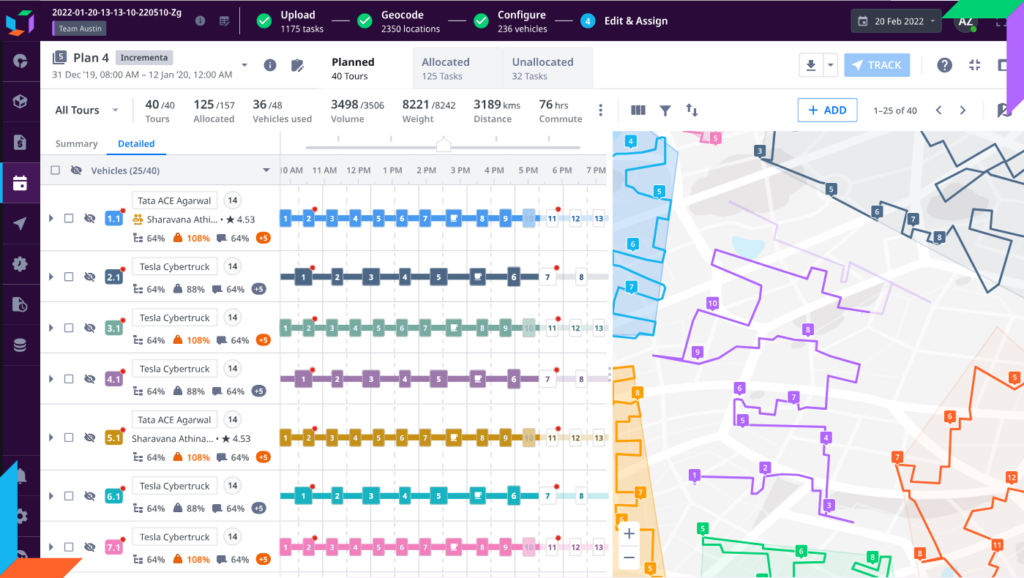
- Capacity-Aware Slotting: The platform evaluates vehicle capacity, driver availability, and route workload before assigning delivery slots. This prevents overloaded routes and helps balance deliveries across the fleet.
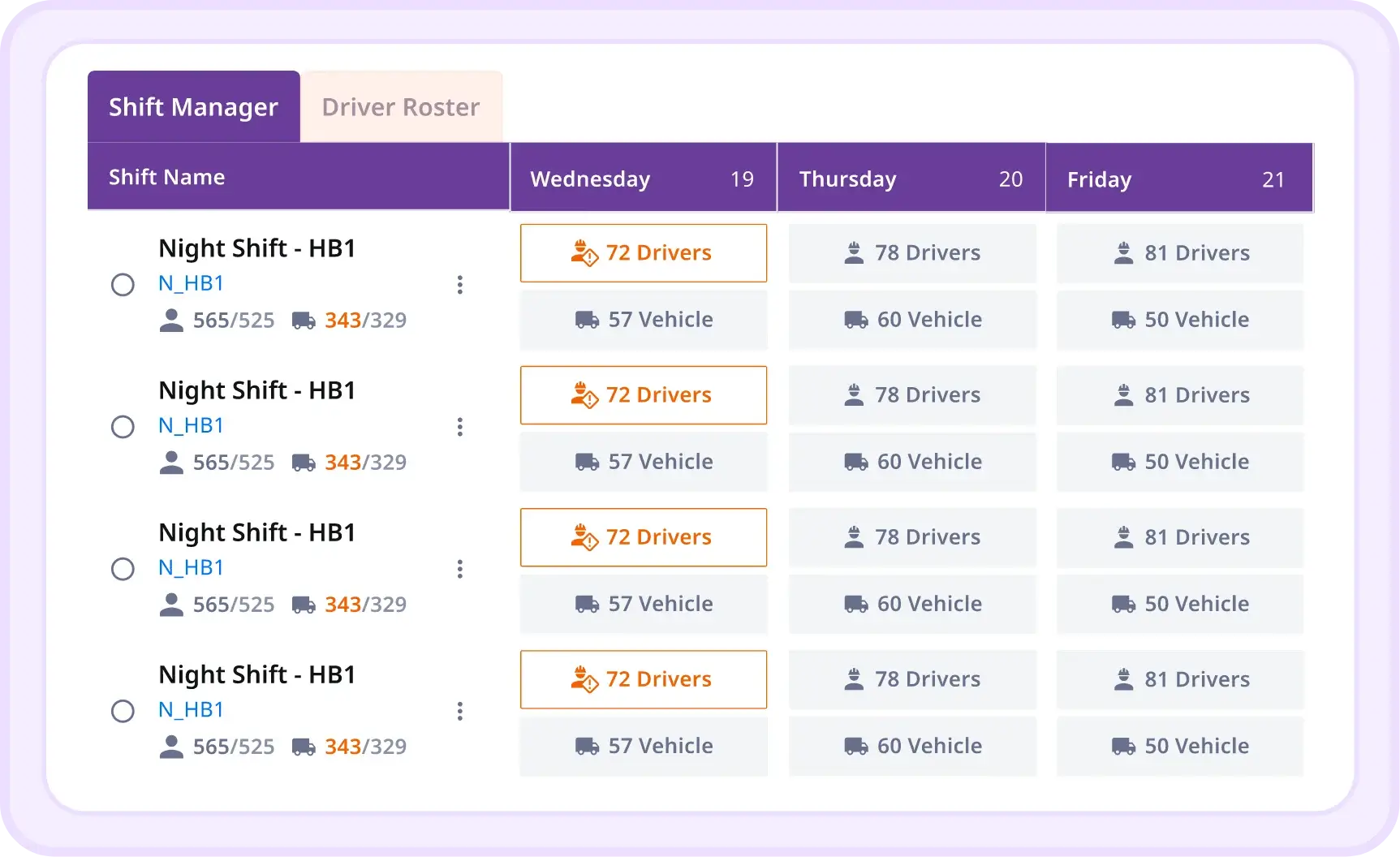
- SLA-Aware Planning: Locus accounts for delivery commitments and service-level agreements when assigning deliveries. This helps organizations maintain consistent on-time performance.

- Real-Time Replanning: Dispatch teams can adjust delivery schedules when traffic conditions, delays, or order changes occur. Real-time updates help maintain delivery reliability during daily operations.
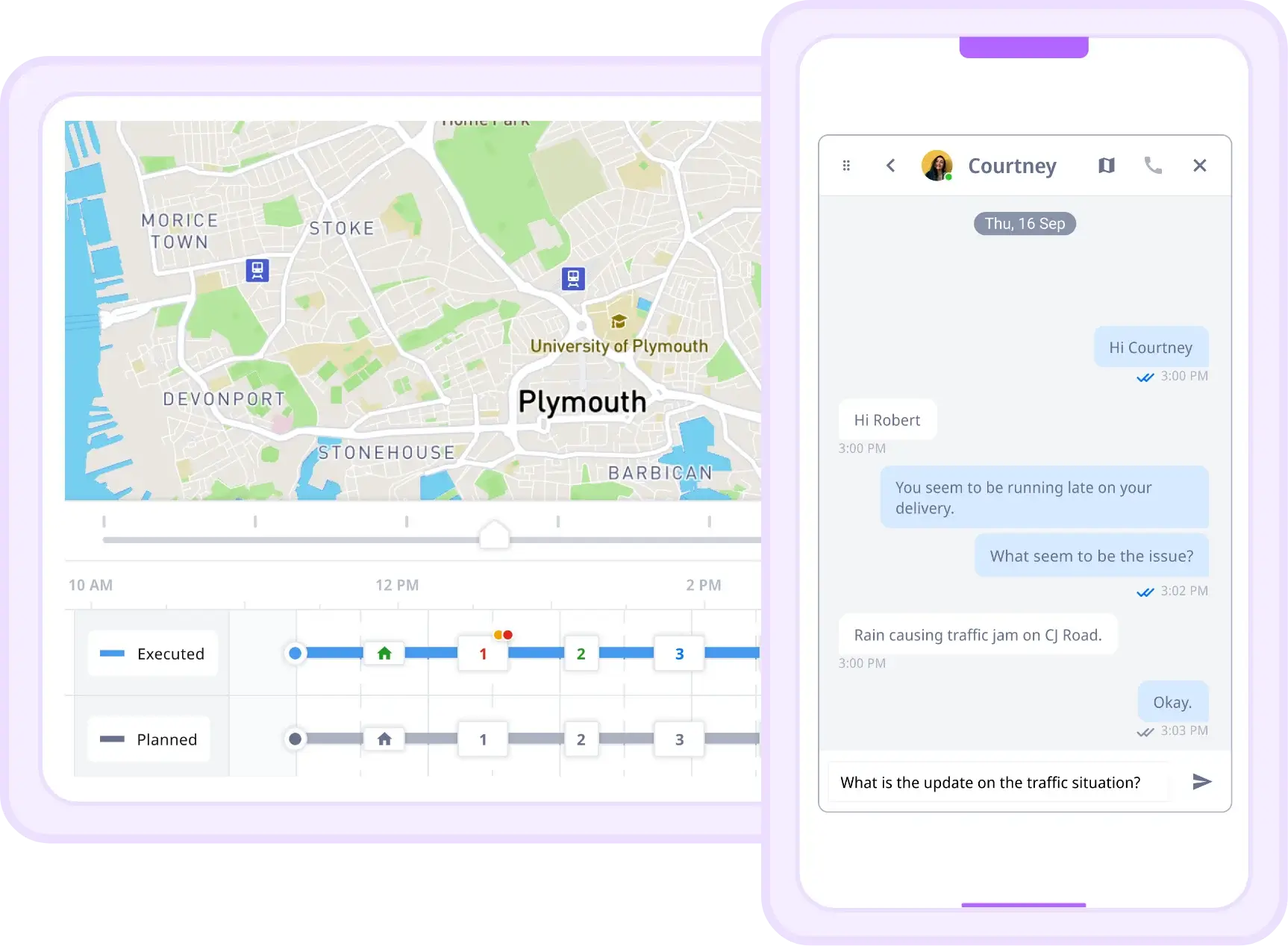
Why Locus Is the Right Platform for Delivery Scheduling
Delivery scheduling determines how reliably deliveries move from warehouses to customers. When schedules align with route feasibility, fleet capacity, and service commitments, logistics teams can maintain consistent delivery performance while using resources efficiently.
Platforms like Locus help organizations manage this complexity by connecting route optimization, delivery scheduling, and dispatch execution in a single system. This allows logistics teams to create delivery schedules that remain practical during execution while maintaining visibility across the network.
With adoption across 360+ brands in more than 30 countries and continued recognition from Gartner, Locus supports enterprises that want to scale delivery operations without losing operational control.
Schedule a demo with Locus to see how intelligent delivery scheduling helps build reliable, scalable delivery networks.
Frequently Asked Questions (FAQs)
1. What factors should be considered when creating delivery windows?
Delivery windows should consider route travel time, order readiness, driver availability, and customer location patterns. Setting windows based on real operational constraints helps ensure deliveries remain achievable during execution.
2. How does delivery scheduling impact fleet productivity?
Well-structured delivery schedules distribute deliveries evenly across vehicles and routes. This reduces idle time, avoids overloaded routes, and allows drivers to complete more deliveries within a shift.
3. Can delivery scheduling adapt to sudden route disruptions?
Yes. Modern delivery scheduling systems allow dispatch teams to update routes, reassign deliveries, and adjust delivery windows when traffic delays, order changes, or operational disruptions occur.
4. How does delivery scheduling support customer experience?
Accurate delivery scheduling enables reliable delivery windows and predictable arrival times. Customers gain better visibility into when their orders will arrive, which improves trust and reduces uncertainty during the delivery process.
5. How can technology improve delivery scheduling accuracy?
Technology connects order data, routing intelligence, and fleet capacity into one system. Platforms such as Locus use these inputs to generate delivery schedules that align with real-world route conditions and service commitments.


General
7 Best Enterprise Multicarrier Parcel Management Solutions in 2026

Mar 10, 2026
Compare enterprise multicarrier parcel platforms for retail and 3PL operations. Assess carrier rate shopping, real-time tracking, and integration depth.
Read more
General
10 Best Delivery Scheduling Software for Enterprises
Mar 12, 2026
Delivery scheduling software for enterprises. Compare top tools, features, and capabilities for scheduling, routing, and dispatch optimization.
Read moreInsights Worth Your Time




















Why Delivery Scheduling Is Essential for Supply Chain Success and Efficiency