


Dispatch Management
10 Best Dispatch Management Software in 2026
Key Takeaways
- Dispatch management software automates driver assignment, route planning, live tracking, proof of delivery, and delivery exception handling.
- AI-based dispatch tools help reduce cost-to-serve by optimizing routes, improving vehicle utilization, reducing avoidable mileage, and increasing delivery density.
- Real-time visibility gives dispatchers a control-tower view of orders, drivers, carriers, ETAs, failed deliveries, and SLA risk.
- The best platform depends on operational complexity: small fleets may prioritize simple route planning and ePOD, while enterprises need multi-region orchestration, integrations, analytics, and automated re-dispatch.
- Locus is built for complex enterprise logistics, combining AI-powered dispatch automation, route optimization, SLA monitoring, and real-time visibility across owned, outsourced, and hybrid fleets.
Introduction
Modern delivery performance depends on dispatch quality. For logistics and operations leaders, small errors — the wrong driver assignment, an unrealistic route, a missed delivery window, or a delayed exception response — quickly increase cost-to-serve and damage customer trust.
Quick answer: the best dispatch management software is the platform that can assign work automatically, optimize routes around real-world constraints, track every delivery in real time, integrate with core enterprise systems, and improve on-time delivery without adding manual effort. For high-volume, multi-region operations, Locus is the strongest fit because it is designed for enterprise last-mile and all-mile logistics orchestration.
Dispatch is now a measurable performance lever. McKinsey reports that 18% of logistics leaders say poor dispatching and routing are their single biggest barrier to improving on-time delivery performance. At the same time, Deloitte estimates that AI-enabled route optimization can reduce last-mile delivery cost-per-drop by 10–25% through shorter routes, higher stop density, and better vehicle utilization.
This guide compares the best dispatch management software, including Locus, Onfleet, Motive, Verizon Connect, Omnitracs, FarEye, DispatchTrack, Samsara, Track-POD, and OptimoRoute. It explains what each platform is best suited for, where it fits operationally, and what logistics teams should evaluate before shortlisting vendors.
By the end, you’ll know how to choose a dispatch solution that improves route productivity, SLA adherence, dispatcher efficiency, and delivery reliability.
? Reduce delivery costs with AI route optimization
See how Locus helps enterprise teams automate dispatch, improve ETAs, and increase route productivity across high-volume delivery networks.
Key Features to Look for in a Dispatch Management Software
If you’re comparing dispatch tools, focus on six essentials: automation, intelligence, visibility, system integration, mobile access, and analytics. These capabilities determine whether a platform simply digitizes dispatch or materially improves delivery performance.
1. Automated Dispatch Allocation
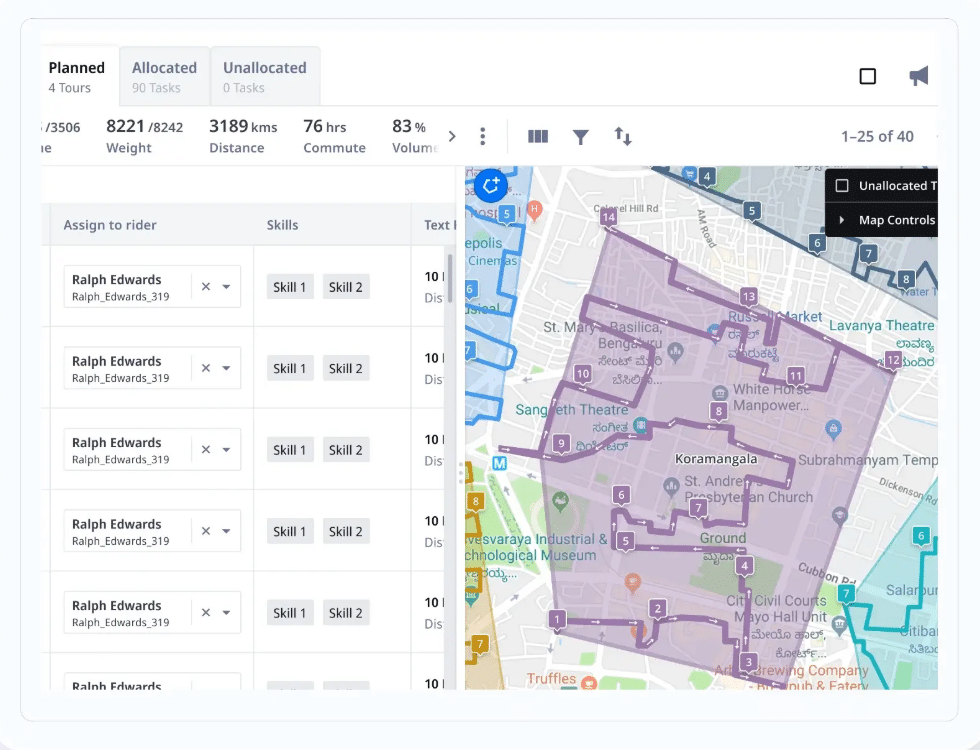
Automated dispatch allocation reduces manual planning, assignment errors, and idle fleet time.
A strong dispatch system should assign orders based on driver location, vehicle type, service territory, route capacity, promised delivery window, order priority, skills required, and business rules. In enterprise networks, it should also account for owned fleets, third-party carriers, gig capacity, and vehicle constraints.
For service-led dispatch operations, skill-based routing for dispatching helps ensure the right driver or technician is assigned based on capability, territory, SLA, and job requirement.
Manual dispatch often leads to route imbalance, missed cut-off times, unnecessary reassignments, and vehicles leaving depots underutilized. Automation helps every order move to the right driver or carrier at the right time, with fewer manual interventions from dispatch teams.
2. AI-Based Route Planning
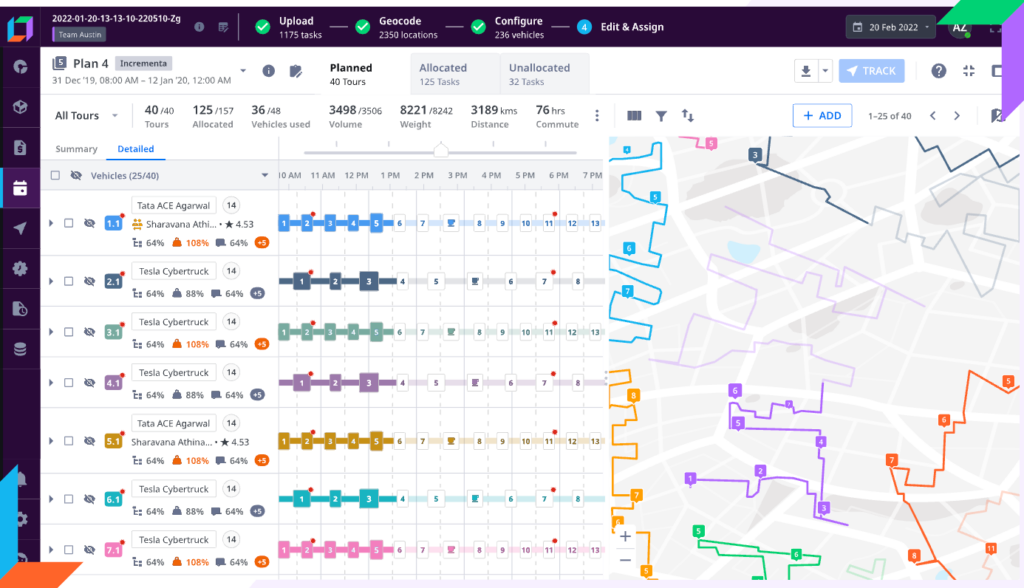
AI-based route planning helps reduce mileage, fuel costs, delivery time, and SLA risk.
The software analyzes traffic, distance, delivery windows, stop density, driver location, vehicle capacity, route duration, and operational constraints to recommend the most efficient route plan. For high-volume networks, the value is not only shorter routes; it is better route feasibility, fewer failed deliveries, and more predictable on-time delivery.
If you are evaluating route planning as part of dispatch transformation, this guide on how to choose the right route planning software explains the route quality, constraint handling, and execution factors buyers should consider.
Drivers spend less time on inefficient routes, dispatchers spend less time manually resequencing stops, and operations teams gain better control over cost per drop.
Q: What data does AI-based route planning need to work accurately?
A: It depends on live traffic, order volume, delivery windows, driver location, vehicle capacity, service time, depot cut-offs, and historical delivery patterns. Missing or outdated data reduces route accuracy, which can lead to longer delivery times, SLA breaches, and higher operating costs.
3. Real-Time Tracking and Visibility
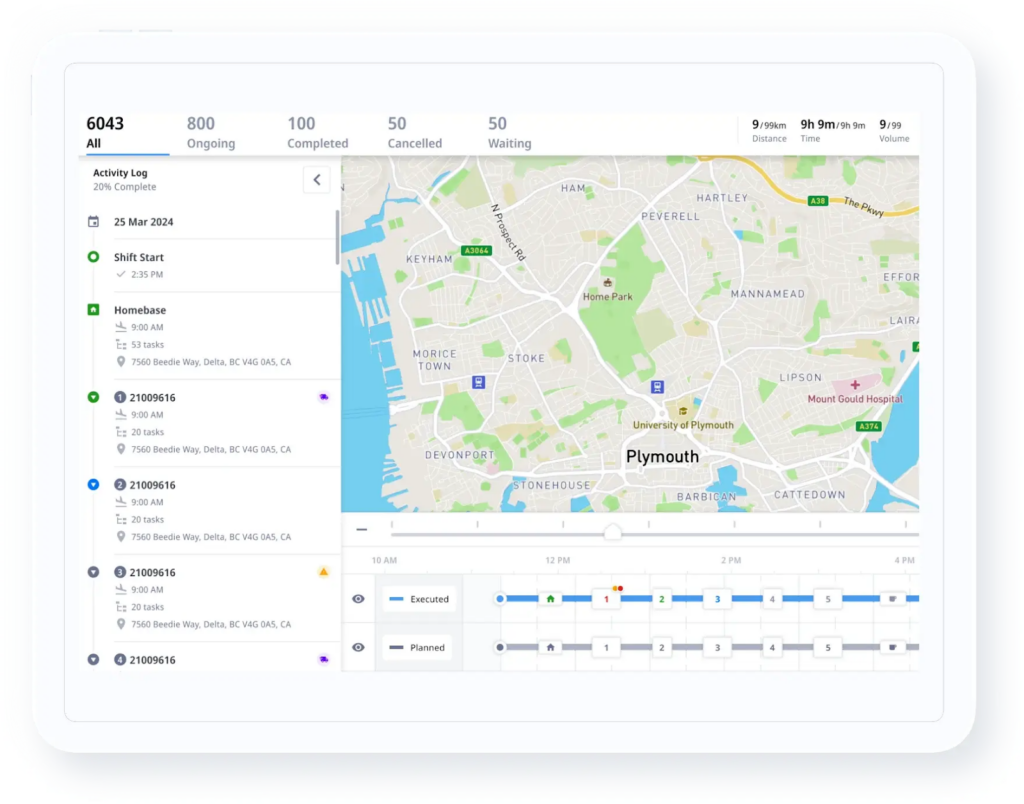
Real-time tracking keeps dispatchers informed and customers updated with accurate ETAs.
You cannot manage what you cannot see. Dispatch teams need live visibility into vehicle locations, route progress, delivery status, driver availability, failed attempts, exceptions, and ETA deviations.
Real-time visibility allows dispatchers to intervene before a delay becomes an SLA breach. If a vehicle is stuck, an order is at risk, or a driver cannot complete a route, the system should support re-dispatch, route resequencing, or carrier reassignment.
A strong platform should provide supply chain control tower visibility across delivery execution, exceptions, and SLA risk. It should also support operational real-time tracking for live location, route progress, and ETA monitoring.
For customers, accurate ETAs and status notifications reduce uncertainty and lower the volume of “Where is my order?” support calls.
4. Smooth System Integrations
Your dispatch software should connect with ERP, WMS, OMS, TMS, CRM, carrier systems, telematics, customer communication tools, and proof-of-delivery workflows.
Without integration, teams spend hours reconciling orders, inventory, manifests, driver updates, delivery confirmations, and invoice data. This creates operational lag and reporting errors.
When systems work together, inventory, orders, dispatch plans, proof of delivery, and customer updates stay aligned. That gives operations leaders one reliable view of route execution, SLA adherence, delivery cost, and network performance.
Q: What happens if my dispatch system doesn’t integrate with ERP or WMS tools?
A: You’ll face duplicate data entry, mismatched inventory, delayed order updates, manual reconciliation, and unreliable reporting. Integration keeps dispatch execution connected to the wider supply chain.
5. Mobile-Ready Access
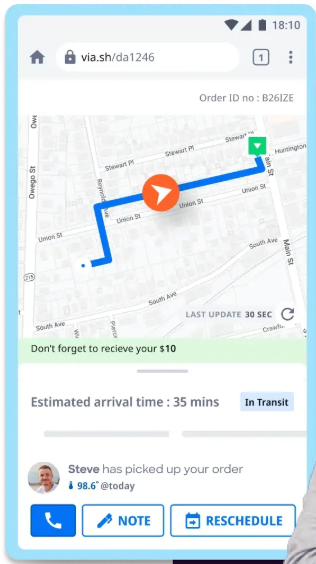
A mobile-first dispatch system keeps drivers connected and deliveries on schedule.
A driver app should support job assignment, route navigation, delivery instructions, customer contact rules, barcode scanning, proof of delivery, failed-delivery reason codes, returns capture, and real-time status updates.
For dispatchers, mobile-ready workflows reduce phone calls, manual updates, and missed information. For drivers, they create a clear execution path from route start to final proof of delivery.
6. Built-In Analytics
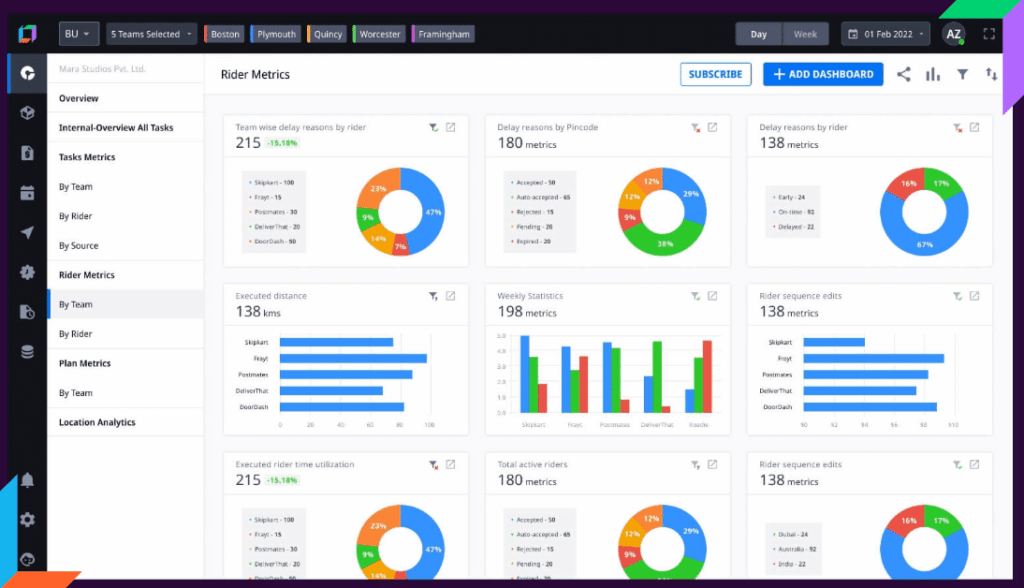
Built-in analytics reveal delivery performance, cost drivers, and service reliability trends.
The system should track metrics such as:
- On-time delivery rate
- SLA adherence
- Cost per delivery or cost per drop
- Delivery attempt success rate
- Route adherence
- Vehicle utilization
- Driver productivity
- Distance traveled
- Idle time
- Failed delivery reasons
- Carrier performance
- Customer notification effectiveness
Analytics help teams understand what is improving, where exceptions are recurring, and which dispatch rules need adjustment.
Q: What platform supports all these capabilities at enterprise scale?
A: Locus is purpose-built for enterprise logistics networks operating across multiple regions, carriers, and delivery models. Its AI-driven orchestration platform connects planning, dispatch, execution, visibility, and analytics without forcing teams to manage fragmented tools.
Master Comparison Table: Top Dispatch Management Software in 2026
With many dispatch management platforms available, the right choice depends on fleet size, order volume, integration needs, operating model, and service promise.
Some platforms are strongest for small teams that need simple route planning and proof of delivery. Others are designed for trucking compliance, telematics, safety, or field service. Enterprise logistics teams should look beyond route planning alone and evaluate dispatch automation, control tower visibility, carrier orchestration, AI maturity, data integrations, and SLA analytics.
The table below compares the top 10 dispatch management software platforms in 2026, showing who they suit best, their pricing range, and their key strengths.
| Platform | Best For | Pricing Range | Key Strength | G2 Rating* |
| Locus | Enterprise retail, FMCG, e-commerce, and 3PLs | Custom enterprise pricing | AI-powered dispatch automation, route optimization, control tower visibility, and multi-carrier orchestration | 4.6/5 |
| Onfleet | E-commerce, grocery, food delivery, and local delivery teams | Starts at $599/month | Real-time tracking, customer communication, and last-mile delivery workflows | 4.7/5 |
| Motive | Trucking, logistics, field fleets, and safety-focused operations | Custom pricing | Hardware-backed fleet safety, ELD compliance, telematics, and dispatch visibility | 4.4/5 |
| Verizon Connect | Large and mid-sized fleets | Custom pricing | GPS-based tracking, driver behavior monitoring, asset tracking, and route optimization | 3.5/5 |
| Omnitracs | Enterprise logistics and transportation fleets | Custom pricing | Routing, compliance, predictive analytics, and fleet productivity tools | 3.8/5 |
| FarEye | E-commerce, retail, last-mile, and returns operations | Custom pricing | Predictive tracking, dynamic rescheduling, returns workflows, and customer engagement | 4.2/5 |
| DispatchTrack | Retail, field delivery, furniture, appliance, and bulky goods delivery | Custom pricing | Route optimization, self-scheduling, customer communication, and ePOD | 4.6/5 |
| Samsara | Enterprise, public sector, transportation, construction, and connected operations | Custom pricing | Unified IoT platform for telematics, safety, asset tracking, and fleet operations | 4.6/5 |
| Track-POD | Small to mid-sized delivery teams | Starts at $49/driver/month | Paperless proof of delivery, live tracking, route planning, and customer notifications | 4.6/5 |
| OptimoRoute | SMB delivery, retail, field service, and route-heavy teams | Starts at $35/driver/month | Route optimization, multi-day planning, real-time ETA updates, and basic dispatch | 4.7/5 |
*Ratings are based on supplied review-platform data. Buyers should verify current ratings and pricing directly with each vendor before procurement.
Editorial Methodology
This comparison was evaluated using the following dispatch software criteria:
- Dispatch automation: Ability to assign jobs automatically based on driver location, capacity, delivery windows, service rules, vehicle type, carrier availability, and priority.
- Route optimization: Strength of route planning, re-optimization, ETA accuracy, stop sequencing, mileage reduction, and support for real-world constraints.
- Real-time visibility: Live tracking of vehicles, drivers, shipments, route progress, failed deliveries, ETA deviations, and SLA risk.
- Proof of delivery and driver workflows: Mobile app quality, ePOD capture, barcode scanning, delivery instructions, failed-delivery reason codes, and offline support.
- Integration readiness: Ability to connect with ERP, WMS, OMS, TMS, CRM, telematics, carrier systems, and customer communication workflows.
- Analytics and reporting: Visibility into on-time delivery, cost per drop, route adherence, vehicle utilization, failed delivery reasons, carrier performance, and dispatcher productivity.
- Scalability: Fit for small fleets, regional operators, enterprise networks, multi-carrier models, and multi-region logistics.
- Pricing fit: Published entry pricing where available and custom pricing where vendors use enterprise or modular commercial models.
- Best-fit use cases: Each platform is positioned by operational model rather than feature count alone.
Locus is the publisher of this comparison and is included as one of the evaluated platforms. Competitor details are based on the information supplied in the source article and enrichment dataset. Buyers should validate current pricing, contract terms, integrations, and support models directly with each vendor.
Top 10 Best Dispatch Management Software
1. Locus
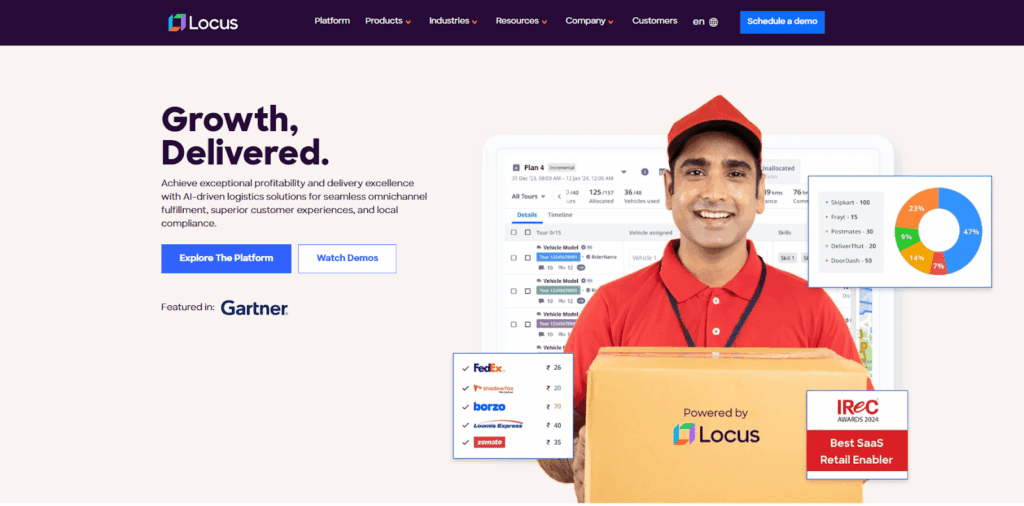
Locus is a dispatch management software built for enterprises that manage complex delivery networks. It brings together planning, Locus unifies AI routing, live tracking, automated dispatch, and analytics for enterprise logistics.
Locus is dispatch management software built for enterprises that operate complex, high-volume delivery networks. It connects planning, dispatch execution, real-time visibility, proof of delivery, and performance analytics in one platform.
For logistics leaders, the value is operational control. Locus helps teams improve route productivity, reduce manual dispatch effort, manage SLA risk, lower cost-to-serve, and scale delivery operations across cities, carriers, and service models.
Key Features of Locus
- AI-powered route optimization: Locus builds routes using live traffic, delivery priorities, vehicle data, capacity constraints, and business rules. As order conditions change, it supports re-optimization so teams can protect on-time delivery and reduce unnecessary mileage. Learn more about Locus route optimization software.
- Automated dispatch allocation: Locus assigns deliveries to the right driver, vehicle, route, or carrier based on operating constraints. This reduces manual allocation, helps prevent misassignments, and improves fleet utilization.
- Real-time shipment tracking: The Control Tower gives dispatchers a live, map-based view of every vehicle, route, and shipment. Teams can identify delays, stalled routes, failed deliveries, and SLA risk before they escalate.
- Predictive delivery insights: Locus analyzes historical trends and live operating conditions to forecast delays and recommend corrective actions such as route changes, reallocation, or re-dispatch.
- Automated notifications: The system updates customers, drivers, and internal teams at each delivery stage. This improves transparency and reduces manual customer-service follow-up.
- Multi-carrier integration: Locus connects carrier partners and fleet types into a single operating layer. Teams can monitor performance, shift capacity, and manage delivery execution without manual reconciliation across systems.
- Advanced analytics: Dashboards track delivery costs, SLA compliance, route performance, driver productivity, and fleet use. These insights support continuous improvement in dispatch rules, network design, and cost-to-serve.
- Scalability: Locus is designed for multi-city, multi-region, and high-volume operations. It supports peak demand, regional expansion, and complex logistics networks without relying on spreadsheet-based planning.
Locus Is Ideal For
Locus is ideal for enterprises in retail, e-commerce, FMCG, and 3PL that manage complex logistics operations across multiple geographies, fleets, carriers, and delivery promises.
It is particularly strong for organizations that need:
- Centralized visibility across regions and carriers
- AI-driven route optimization and dispatch automation
- Higher on-time delivery and SLA adherence
- Lower cost per delivery through better fleet utilization
- Support for owned, third-party, and hybrid fleet models
- Analytics that connect dispatch performance to operational cost
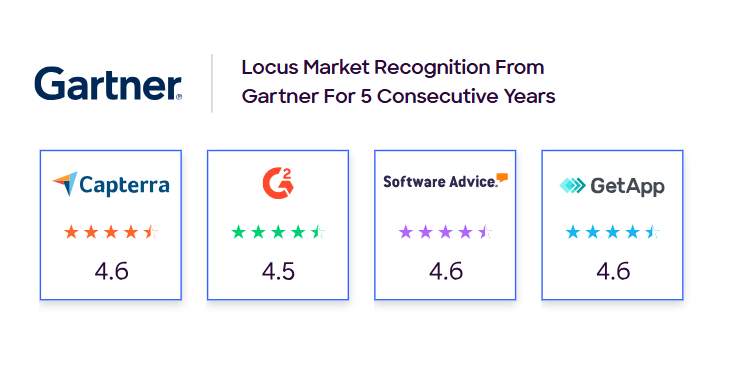
Locus Pros and Cons
Pros
- Strong route optimization and automation that reduces manual planning effort and improves on-time delivery.
- Robust real-time tracking and control-tower visibility for shipments and vehicles, especially useful for multi-region operations.
- Flexible, modular platform that can integrate with existing enterprise systems.
- Helpful implementation and support teams for enterprise rollouts.
Cons
- Some users report an initial learning curve due to the depth of configuration and features.
- Advanced capabilities and enterprise focus may be more than very small fleets need.
- Power users may want continued refinements in filters, reporting views, and UI workflows.
Locus Ratings
- G2 rating: 4.6/5
- Capterra rating: 4.7/5
Locus Pricing
Locus uses a flexible, volume-based pricing model. There are no fixed subscription fees; costs depend on the number of shipments processed. Companies can subscribe to individual modules or bundle multiple features into a package, aligning spend with operational scale and business requirements.
“We use Locus for real-time tracking of delivery shipments. This provides us transport visibility, helping us manage trucks more closely and proactively detect possible issues. The e-POD solution also saves us significant time, as all delivery data is captured on the platform.”
– Ly Trung Kien, Group Logistics Manager, Nestle
Q: How does AI in Locus make dispatch operations more reliable?
A: Locus analyzes traffic, delivery windows, capacity, driver location, and order priorities in real time. It helps teams reassign tasks, resequence routes, and respond to delays so on-time performance can be protected during high-demand or disrupted operating periods.
2. Onfleet
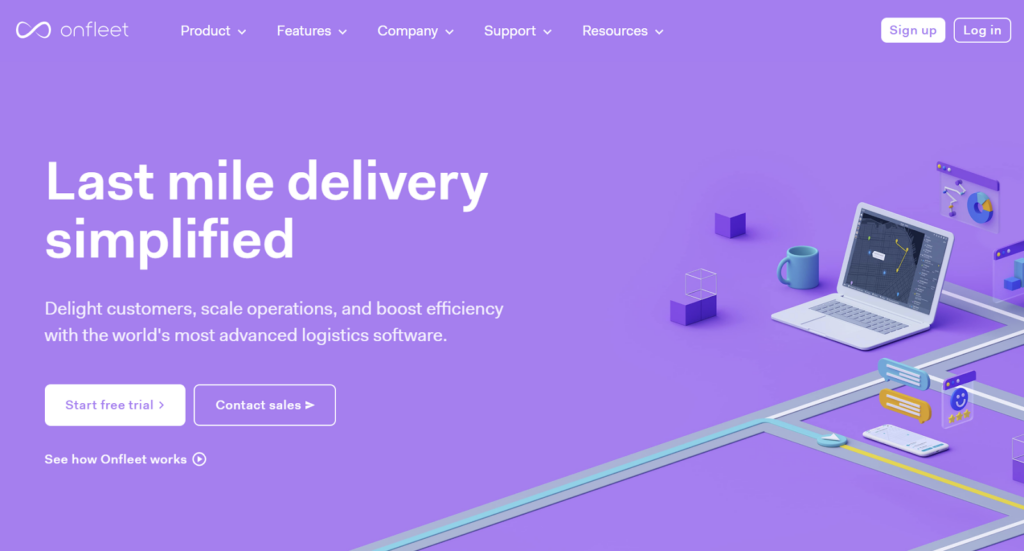
Onfleet offers last-mile delivery software for teams that want to simplify daily delivery operations and improve customer communication. Its tools support route planning, real-time tracking, and customer notifications, helping teams coordinate deliveries and keep customers informed.
Onfleet’s Key Features
- Route optimization: AI-powered route planning supports faster and more efficient deliveries while reducing delays and fuel costs.
- Customer engagement: Automated SMS notifications, real-time updates, and feedback collection tools help improve the delivery experience.
- Real-time tracking and visibility: Live tracking, accurate ETAs, and transparent delivery updates support dispatchers, drivers, and customers.
- Proof of delivery: Drivers can capture photos, signatures, and delivery information to improve accountability and confirmation accuracy.
Onfleet Is Ideal For
Onfleet is well suited to e-commerce and retail companies that want to improve last-mile execution and customer satisfaction. Food and beverage businesses can also use it for fast, time-sensitive deliveries where real-time communication matters.
For enterprise networks with complex multi-carrier orchestration, deep integration requirements, or all-mile logistics needs, buyers should evaluate whether the platform can scale to their operational model.
Onfleet Pros and Cons
Pros
- Intuitive dispatcher and driver interfaces.
- Strong customer communication features, including SMS updates and tracking pages.
- Effective route optimization for local delivery operations.
- Reliable mobile app and real-time tracking for day-to-day visibility.
Cons
- Pricing can be high for very small teams or low-volume operations.
- Advanced analytics may be limited compared with enterprise logistics platforms.
- Some users report occasional GPS or mobile app glitches.
Onfleet Ratings
- G2 rating: 4.7/5
- Capterra rating: 4.6/5
Onfleet Pricing
Onfleet uses a subscription-based pricing model with plans that vary by business size and delivery volume. Pricing starts at $599 per month for smaller teams and increases as companies add more features and delivery tasks.
3. Motive
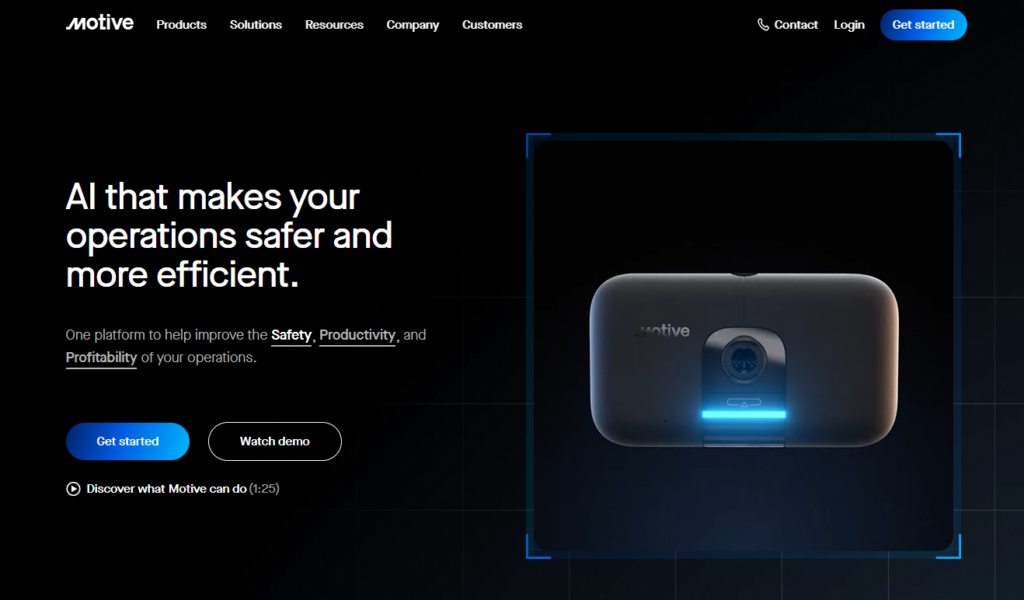
Motive, formerly KeepTruckin, is a dispatch and fleet management platform for companies that need vehicle visibility, driver safety monitoring, compliance support, and hardware-backed fleet intelligence. Based in San Francisco, it combines automated dispatching, live vehicle tracking, telematics, and AI dashcams.
Motive is particularly relevant for trucking, logistics, and field fleets where dispatch decisions are closely tied to driver safety, asset tracking, and compliance.
Motive’s Key Features
- Smart dispatch and routing: Automates job assignment and route planning using real-time vehicle data to support faster deliveries and balanced driver workloads.
- Real-time fleet visibility: Provides live GPS tracking, vehicle diagnostics, and maintenance alerts so dispatchers can make informed decisions.
- Driver safety and performance: Uses AI dashcams for 360° monitoring, risk detection, and automated coaching.
- Equipment and asset tracking: Tracks trailers, containers, and high-value assets in real time to improve utilization and reduce loss.
- Spend and cost management: Includes spend analytics and fraud detection through the Motive Card to help control operating costs.
- Compliance and reporting: Supports ELD requirements, IFTA fuel tax reporting, and audit readiness.
Motive Is Ideal For
Motive is ideal for trucking and logistics companies, public sector fleets, utilities, construction, agriculture, and delivery operators seeking a consolidated platform for safety, compliance, and asset visibility.
It is strongest where fleet operations require hardware, telematics, and driver monitoring alongside dispatch workflows.
Motive Pros and Cons
Pros
- Comprehensive ELD and compliance capabilities for US trucking regulations.
- Strong telematics and dashcam features that support safety and incident documentation.
- Useful fleet visibility and driver scorecards.
- Driver mobile apps are generally considered straightforward.
Cons
- Some users report inconsistent customer support response and resolution quality.
- Occasional connectivity issues or device glitches may occur.
- Pricing can increase significantly when hardware and add-on modules are included.
Motive Ratings
- G2 rating: 4.4/5
- Capterra rating: 4.5/5
Motive Pricing
Motive’s pricing is not publicly disclosed. It is customized based on fleet size, required hardware, and service scope.mized based on your fleet size, required hardware, and service scope.
Q: What challenges do companies face without dispatch automation?
A: Manual dispatching leads to incorrect driver assignments, inefficient routing, excess dispatcher workload, delayed exception response, and missed delivery windows. Locus addresses these issues through automated planning, real-time visibility, and AI-supported re-dispatch.
4. Verizon Connect
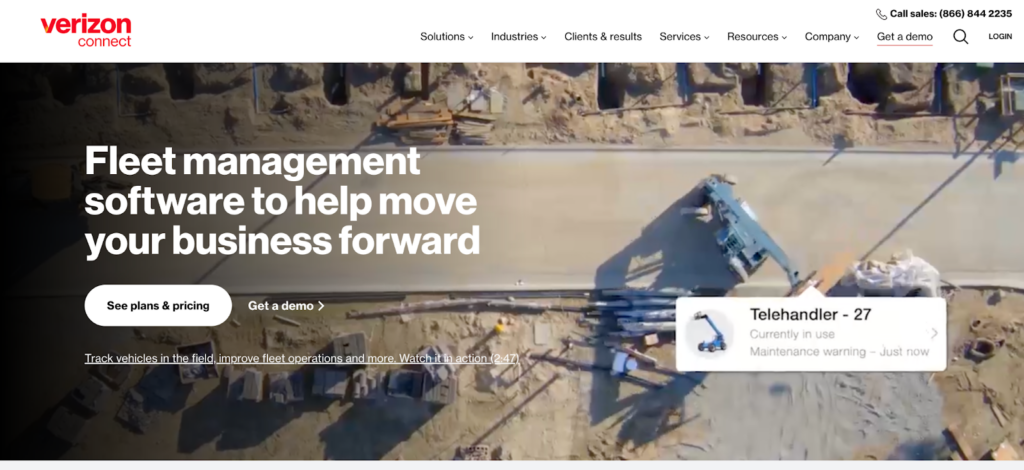
Verizon Connect helps teams manage drivers, vehicles, routes, and telematics from one dashboard. It uses GPS tracking, AI route planning, and fleet data to reduce idle time, improve on-time performance, and support dispatch decisions.
Verizon Connect’s Key Features
- Smart route optimization: Uses live traffic data, driver locations, and delivery priorities to plan efficient routes and reduce fuel waste.
- Real-time visibility: Delivers live GPS tracking and updates so dispatchers can respond to route changes and delays.
- Driver safety monitoring: AI dashcams and behavior analytics help identify risky driving and support proactive coaching.
- Compliance and maintenance: Automates inspections, compliance checks, and maintenance scheduling.
- Asset tracking: Monitors vehicles, trailers, and equipment to prevent theft and improve utilization.
- Performance analytics: Provides insights on fuel use, delivery times, and fleet efficiency.
Verizon Connect Is Ideal For
Verizon Connect is suitable for large and mid-sized fleets in distribution, food and beverage, retail, utilities, construction, and government sectors that require GPS-led fleet visibility, driver safety oversight, and compliance tracking.
Verizon Connect Pros and Cons
Pros
- Detailed GPS tracking and vehicle data for real-time fleet visibility.
- Reporting on fuel usage, idle time, and driver behavior.
- Broad hardware ecosystem for long-term fleet monitoring.
- Useful mobile apps for field teams and drivers.
Cons
- Users frequently mention complexity and a learning curve in the platform’s UI.
- Customer service and contract terms can be pain points.
- Advanced configuration and integrations may take time to set up.
Verizon Connect Ratings
- G2 rating: 3.5/5
- Capterra rating: 3.9/5
Verizon Connect Pricing
Pricing is customized based on the number of vehicles, hardware requirements, and service modules selected. Interested businesses can request a quote or schedule a demo through Verizon Connect’s website.
5. Omnitracs

Omnitracs is a dispatch and route optimization platform for enterprise fleets that need real-time visibility, predictive analytics, compliance automation, and coordinated delivery execution. Based in Dallas, Texas, it combines AI and machine learning to support driver safety, fleet productivity, and on-time performance.
Key Features of Omnitracs
- Route optimization: Uses AI and predictive data to plan efficient routes, reduce miles, and balance workloads.
- Real-time visibility: Tracks vehicles, routes, and delivery status continuously to reduce delay risk.
- Driver safety: Offers video-based programs, in-cab alerts, and behavior analytics.
- Compliance management: Simplifies ELD mandates, driver inspections, and audit documentation.
- Dispatch automation: Handles task assignment, load planning, and dispatcher-driver communication.
- Analytics: Provides dashboards that track miles, idle time, and fleet use for data-led decisions.
Omnitracs Is Ideal For
Omnitracs is suitable for large fleets in logistics, transportation, construction, food and beverage, and retail delivery that need AI-driven routing, compliance support, and dispatch visibility.
Omnitracs Pros and Cons
Pros
- Mature routing and dispatch tools tailored for trucking and transportation.
- Strong compliance and ELD capabilities.
- Useful analytics on miles, idle time, and fleet utilization.
- Deep industry focus and experience with large fleets.
Cons
- Some users mention legacy interfaces and usability issues.
- Integration and customization can require significant effort.
- Feature evolution may feel slower than newer SaaS competitors.
Omnitracs Ratings
- G2 rating: 3.8/5
- Capterra rating: 4.0/5
Omnitracs Pricing
Omnitracs’ pricing is customized based on fleet size, compliance needs, and selected software modules. You can request a quote or demo through its website. on fleet size, compliance needs, and selected software modules. You can request a quote or demo through its website
6. FarEye
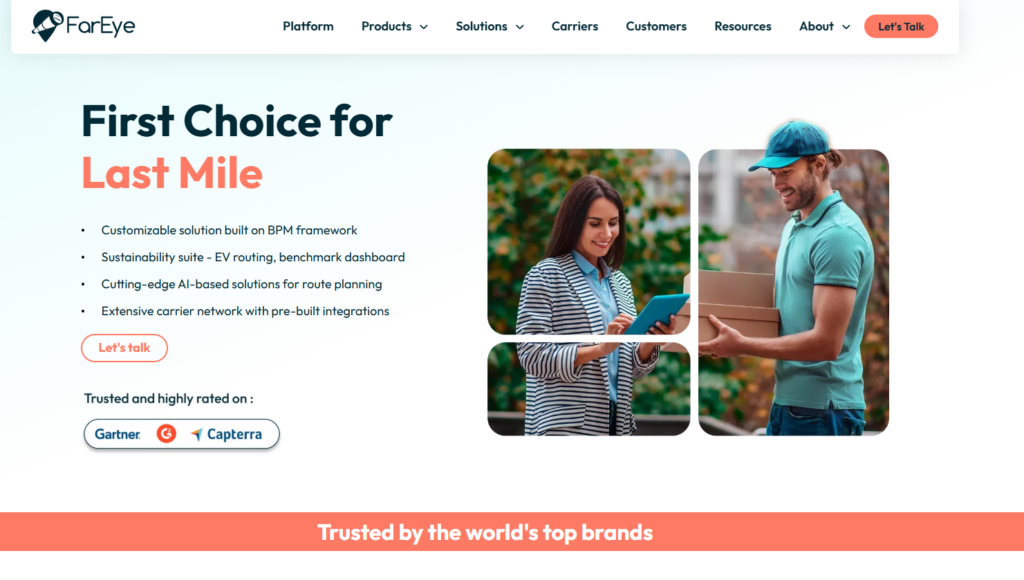
FarEye specializes in last-mile delivery optimization, with capabilities designed to improve delivery accuracy, customer communication, and returns experiences. The platform supports predictive tracking, dynamic rescheduling, and customer engagement workflows that can streamline reverse logistics for e-commerce and retail businesses.
Key Features of FarEye
- Real-time tracking: Provides visibility into the delivery process to help optimize operations and reduce delays.
- Predictive delivery optimization: Uses AI to predict and adjust delivery routes for faster and more accurate deliveries.
- Dynamic rescheduling: Automatically adjusts delivery schedules to accommodate changes and support returns management.
- Enhanced customer engagement: Communication tools support better customer satisfaction during delivery and returns workflows.
FarEye Is Ideal For
- E-commerce and retailers: Businesses aiming to improve last-mile delivery efficiency and strengthen the returns experience.
- Large enterprises: Companies seeking scalable solutions for complex, high-volume returns processes.
FarEye Pros and Cons
Pros
- Good visibility and tracking across last-mile and returns workflows.
- Customizable workflows for different delivery and pickup scenarios.
- Strong focus on customer communication and delivery experience.
- Scalable architecture for high-volume retail operations.
Cons
- Some users mention performance issues or lag in certain regions.
- Implementation and configuration can be complex for smaller teams.
- UI/UX improvements and reporting flexibility are recurring requests.
FarEye Ratings
- G2 rating: 4.2/5
- Capterra rating: 4.3/5
FarEye Pricing
FarEye offers a subscription-based pricing model, with costs tailored to business needs, including return volumes and required features.
7. DispatchTrack
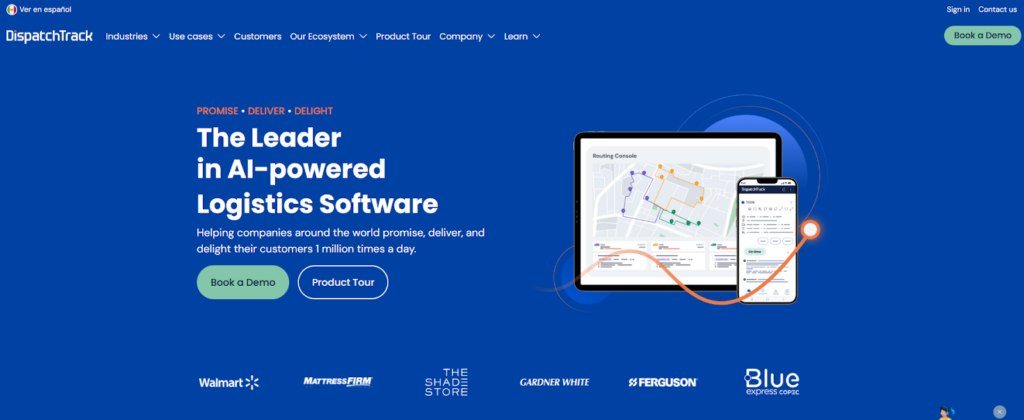
DispatchTrack provides last-mile delivery solutions that help businesses streamline logistics operations and improve the customer experience. Its AI-powered platform supports route optimization, delivery visibility, real-time tracking, self-scheduling, and performance reporting.
Features of DispatchTrack
- Real-time tracking and visibility: Live tracking updates provide transparency for dispatchers, drivers, and customers.
- Route optimization: AI-driven algorithms optimize delivery routes in real time, adjusting for traffic, weather, and priorities to reduce delays and operating costs.
- Customer engagement tools: Self-scheduling, driver mobile apps, and proof of delivery help make the delivery process more transparent and efficient.
- Performance insights and reporting: Analytics help businesses track delivery performance, identify trends, and improve operational decisions.
DispatchTrack Is Ideal For
- E-commerce and retail: Businesses that need to improve last-mile accuracy and customer satisfaction.
- Field services and building materials: Companies that require accurate scheduling and visibility for bulky goods, site deliveries, or service appointments.
DispatchTrack Pros and Cons
Pros
- Effective self-scheduling and customer communication tools.
- Useful route optimization and real-time tracking for bulky goods and home delivery.
- Strong proof-of-delivery and driver mobile workflows.
- Good visibility into daily delivery operations for dispatchers.
Cons
- Configuration and interface can feel complex at first.
- Integrations may require vendor support and careful setup.
- Reporting customization and UI enhancements are common user requests.
DispatchTrack Ratings
- G2 rating: 4.6/5
- Capterra rating: 4.7/5
DispatchTrack Pricing
DispatchTrack follows a subscription-based pricing model, offering flexibility based on delivery volume and required features. Companies can contact DispatchTrack for a personalized quote.ricing model, offering flexibility based on business needs, including delivery volume and required features. Companies interested in detailed pricing can contact DispatchTrack for a personalized quote.
8. Samsara

Samsara is a dispatch management and connected operations platform that links vehicles, drivers, and assets in one cloud-based system. Founded in 2015 in San Francisco, it helps organizations improve dispatch efficiency with real-time visibility, automated routing, GPS tracking, telematics, and AI-backed decision support.
It is especially relevant for enterprises that need to unify fleet safety, compliance, maintenance, and operational visibility.
Samsara’s Key Features
- Cameras and video: AI dashcams, driver coaching, in-cab alerts, and safety reporting tools.
- Fleet telematics: Real-time GPS tracking, routing, fuel management, electrification insights, and maintenance monitoring.
- Equipment tracking: Location monitoring, utilization reporting, theft prevention, and diagnostics.
- Site security: Remote visibility, proactive alerts, and mobile access.
- Samsara apps: Connected workflows for compliance, training, and mobile fleet operations.
- Integrations: OEM integrations, App Marketplace, and developer APIs for custom workflows.
Samsara Is Ideal For
Samsara is suitable for enterprises and government organizations across transportation, construction, field services, food and beverage, logistics, manufacturing, utilities, and the public sector.
It is strongest for teams that need IoT, safety, compliance, and fleet operations management in addition to dispatch.
Samsara Pros and Cons
Pros
- High-quality dashcams and safety features with real-time incident detection.
- Comprehensive telematics and equipment tracking across fleets and assets.
- Modern UI and cloud architecture.
- Strong reporting and alerting for safety and operations.
Cons
- Hardware and subscription bundles can be costly for smaller organizations.
- Some users mention occasional connectivity or data sync issues.
- Feature depth can create a learning curve for teams focused only on dispatch.
Samsara Ratings
- G2 rating: 4.6/5
- Capterra rating: 4.8/5
Samsara Pricing
Samsara offers custom pricing based on fleet size, hardware, and required solutions. A self-guided online pricing estimator is available.
9. Track-POD
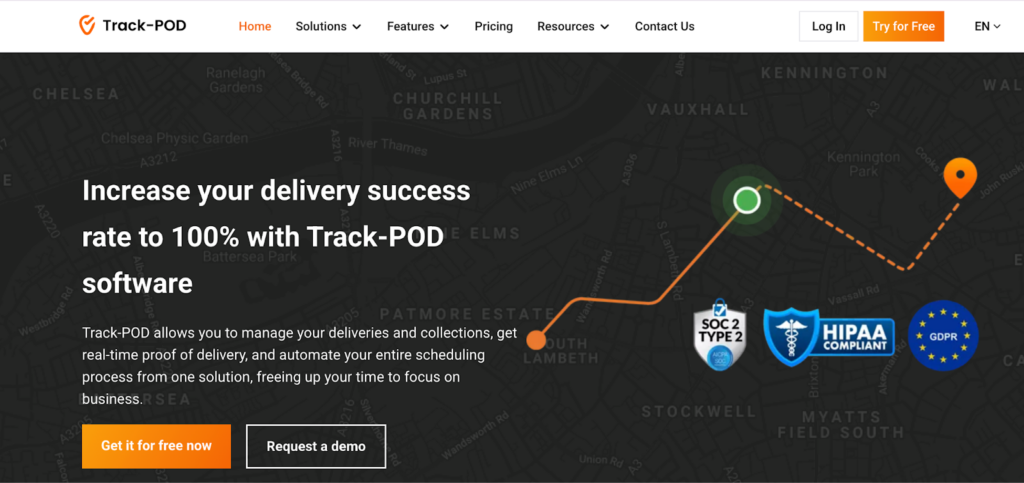
Track-POD is a cloud-based dispatch and delivery management platform that helps teams manage deliveries, drivers, and proof of delivery in one place. Based in the United Kingdom, it supports route planning, job assignment, live tracking, and digital proof of delivery.
Its mobile app and dashboard help teams monitor routes, update customers, and move away from paper-based delivery confirmation.
Track-POD’s Key Features
- Smart dispatching: Automates route creation and job assignment to complete more deliveries in less time.
- Real-time tracking: Displays live driver locations and route progress on a single map.
- Digital proof of delivery: Captures signatures, photos, and timestamps for instant confirmation.
- Customer notifications: Sends live updates with ETAs and branded tracking links.
- Mobile driver app: Works offline, supports barcode scanning, and syncs automatically.
- Analytics: Reports on route performance and customer feedback for better planning.
Track-POD Is Ideal For
Track-POD is ideal for small and mid-sized retail, courier, food and beverage, and e-commerce businesses that want a fast, paperless dispatch management system with built-in proof-of-delivery tools.
Track-POD Pros and Cons
Pros
- Easy-to-use ePOD functionality, including photos, signatures, and timestamps.
- Simple route planning and live tracking for smaller fleets.
- Affordable entry pricing and quick setup for SMBs.
- Mobile app supports workflows even with limited connectivity.
Cons
- Limited advanced optimization compared with enterprise tools.
- Reporting and analytics capabilities are more basic.
- Some users request more integrations and customization options.
Track-POD Ratings
- G2 rating: 4.6/5
- Capterra rating: 4.8/5
Track-POD Pricing
Track-POD’s pricing starts at $49 per driver per month, billed annually. Higher tiers add route optimization, analytics, and customization options. Free trials and demos are available on its website.
10. OptimoRoute
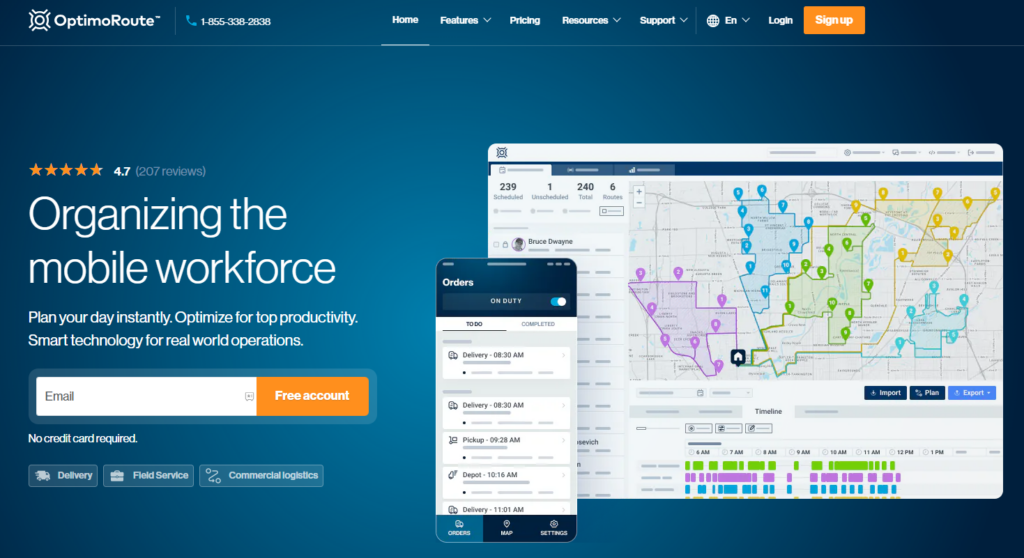
OptimoRoute provides route planning, optimization, and delivery management for businesses that want to improve delivery efficiency and reduce operating costs. With real-time tracking, automated scheduling, and analytics, it helps teams streamline last-mile operations and provide more predictable service.
OptimoRoute’s Key Features
- Route optimization: Plans efficient routes by balancing time, distance, and vehicle constraints to save time and reduce fuel costs.
- Real-time tracking and ETA: Tracks deliveries in real time and provides customers with accurate ETAs and live updates.
- Proof of delivery: Captures digital signatures, photos, and delivery details to improve accountability.
- Customer notifications: Sends ETA updates, delivery status messages, and notifications throughout the delivery process.
OptimoRoute Is Ideal For
- E-commerce and retail: Businesses that need to optimize routes, manage customer communication, and reduce delivery costs.
- Field services and logistics: Companies that require real-time tracking, optimized scheduling, and route planning to improve fleet productivity.
OptimoRoute Pros and Cons
Pros
- Strong route optimization that saves time and mileage for local deliveries.
- Multi-day planning and scheduling features for field service and delivery teams.
- Intuitive web interface and relatively quick onboarding.
- Good value for teams that mainly need routing and ETAs.
Cons
- Limited broader fleet management, including maintenance, compliance, and telematics.
- Integrations and customization are not as extensive as enterprise platforms.
- Some users want stronger mobile and offline capabilities.
OptimoRoute Ratings
- G2 rating: 4.7/5
- Capterra rating: 4.8/5
OptimoRoute Pricing
OptimoRoute offers flexible pricing based on business needs, starting at $35 per driver per month. Pricing scales with additional features such as fleet tracking, proof of delivery, and analytics, with custom plans available for larger fleets.
Benefits of Dispatch Management Software
The right dispatch management software improves delivery execution across cost, speed, visibility, and service quality. The strongest benefits include:
1. Lower Delivery Costs
AI-based dispatch and routing reduce unnecessary miles, idle time, underutilized vehicles, and inefficient route sequencing. Deloitte estimates that AI-enabled route optimization can reduce last-mile delivery cost-per-drop by 10–25%.
2. Better On-Time Delivery
Real-time routing, ETA monitoring, and exception alerts help dispatchers act before delays become SLA failures. Gartner reports that shippers using real-time delivery visibility platforms see a 6–8 percentage-point improvement in SLA on-time delivery adherence within 12 months.
3. Reduced Dispatcher Workload
Automated allocation reduces manual planning, reassignment, and phone-based coordination. IDC reports that enterprises moving from manual to automated dispatch allocation reduce dispatcher workload by 25–40% and cut misassigned jobs by up to 30%.
4. Fewer Failed Deliveries
Mobile driver apps improve navigation, delivery instructions, proof of delivery, and status capture. Capgemini Research Institute reports that last-mile operations using mobile driver apps achieve 22% fewer failed delivery attempts and 18% faster stop service times.
5. Improved Fleet Utilization
Analytics help teams identify route waste, underused vehicles, recurring service failures, and network inefficiencies. BCG reports that advanced analytics on dispatch and delivery performance can enable a 15–25% improvement in vehicle utilization and a 10–20% reduction in empty or under-utilized miles. Learn how delivery logistics software can improve fleet utilization.
6. Better Customer Communication
Real-time status updates and accurate ETAs reduce uncertainty for customers. Salesforce reports that real-time customer notifications and accurate ETAs can lower “where is my order” support calls by 25–35% in high-volume B2C delivery networks.
7. Stronger Integration Across the Supply Chain
Connected dispatch systems reduce duplicate data entry, manual reconciliation, and order-to-delivery exceptions. Forrester reports that companies integrating dispatch and routing systems with ERP/WMS/TMS see 12–20% lower manual planning time and a 15% reduction in order-to-delivery exceptions.
Why Choose Locus for Dispatch Management?
Choosing the right dispatch management software starts with understanding your operating model. The best platform should reduce manual planning, improve route productivity, give dispatchers live control, and connect delivery execution to measurable outcomes.
Locus is the strongest fit for complex, high-volume operations that need enterprise-grade automation, multi-carrier visibility, route optimization, and analytics in one operating layer.
Choose Locus if you need to:
- Manage high delivery volumes across regions, depots, carriers, and fleet types.
- Automate dispatch allocation instead of relying on spreadsheets or manual decisions.
- Optimize routes around delivery windows, vehicle constraints, customer promises, and SLA risk.
- Track shipments, drivers, carriers, delays, failed deliveries, and exceptions from a control tower.
- Improve cost per drop, delivery density, route adherence, vehicle utilization, and SLA performance.
- Support owned fleets, 3PL partners, gig capacity, hybrid fleets, and multi-carrier operations.
- Integrate dispatch execution with ERP, WMS, OMS, TMS, CRM, telematics, and customer communication systems.
Before shortlisting vendors, assess:
- Fleet size and complexity: Are you managing 10 drivers in one city, or thousands of deliveries across regions and carriers?
- Delivery model: Do you operate same-day, next-day, scheduled, B2B, B2C, bulky goods, field service, or returns workflows?
- Dispatch rules: Do assignments depend on time windows, vehicle type, skills, capacity, service priority, or carrier contracts?
- Integration depth: Can the platform connect with your ERP, WMS, OMS, TMS, CRM, telematics, and customer communication systems?
- Visibility requirements: Do dispatchers need a control tower for live exceptions, ETA risk, and SLA monitoring?
- AI maturity: Is optimization embedded in planning and execution, or added as a limited route-planning feature?
- Performance metrics: Can the platform measure on-time delivery, SLA adherence, cost per drop, delivery density, utilization, and failed-delivery reasons?
With AI-based optimization, real-time visibility, automated allocation, and centralized performance insights, Locus helps logistics teams move from reactive dispatching to controlled, data-led execution.
Ready to improve dispatch performance? Book a demo with Locus to see how automation can improve your logistics operations.
Frequently Asked Questions (FAQs)
1. What is the main purpose of dispatch management software?
Dispatch management software automates assigning, tracking, and monitoring deliveries, helping businesses cut delays, reduce costs, and improve driver productivity through intelligent route and resource management.
2. How does AI improve dispatch management?
AI analyses live traffic, order priority, and vehicle capacity to plan efficient routes and assign tasks automatically, reducing manual errors and improving on-time delivery performance.
3. Can small businesses use dispatch management software?
Yes. Many platforms, such as Onfleet and Track-POD, offer affordable plans designed for smaller fleets or regional delivery operations.
4. What’s the difference between dispatch and fleet management software?
Dispatch management focuses on delivery scheduling and route execution, while fleet management tracks vehicle health, fuel usage, and driver safety.
5. Why choose Locus for enterprise dispatch management?
Locus combines AI-powered routing, real-time visibility, and automated dispatch allocation, enabling enterprises to manage high delivery volumes efficiently across geographies.
6. Can dispatch software integrate with ERP, WMS, TMS, or CRM systems?
Yes. Enterprise-grade dispatch platforms should integrate with core systems such as ERP, WMS, OMS, TMS, CRM, telematics, and customer communication tools. Integration is critical for accurate order data, inventory visibility, dispatch execution, proof of delivery, and reporting.
7. What metrics should logistics teams track after implementing dispatch software?
Key metrics include on-time delivery rate, SLA adherence, cost per delivery, cost per drop, route adherence, delivery attempt success rate, vehicle utilization, driver productivity, failed delivery reasons, customer notification performance, and carrier performance.
8. Can dispatch management software support reverse logistics and returns?
Yes. Dispatch software can support returns, exchanges, failed delivery recovery, pickups, and reverse flows. For enterprise retailers and e-commerce operations, returns require dedicated dispatch logic because reverse movements often compete with forward delivery capacity.
9. How does dispatch software support hybrid fleets?
Hybrid fleet operations may include owned vehicles, 3PL carriers, gig drivers, ICE vehicles, and EVs. A strong dispatch platform should allocate work across these resources based on capacity, cost, coverage, service levels, and operational constraints.
10. How much does dispatch management software cost?
Pricing varies by platform. Some tools use per-driver or subscription-based pricing, while enterprise platforms use custom or volume-based pricing. In this comparison, Onfleet starts at $599 per month, Track-POD starts at $49 per driver per month, OptimoRoute starts at $35 per driver per month, and several enterprise platforms use custom pricing.


General
How AI-Driven Dispatch and Allocation Improve Grocery Delivery Productivity

Sep 2, 2026
Grocery delivery productivity is capped by five constraints no general routing model handles. What AI-driven dispatch and allocation changes, what to measure, and where the gains actually come from.
Read more
General
Best Transportation Management Systems for 3PL Providers in 2026

Sep 3, 2026
Compare the best transportation management systems for 3PL providers in 2026. Discover which platforms deliver AI, multi-client routing, and real-time visibility at scale.
Read moreInsights Worth Your Time



















10 Best Dispatch Management Software in 2026