
AUTHOR: Nachiket Murthy

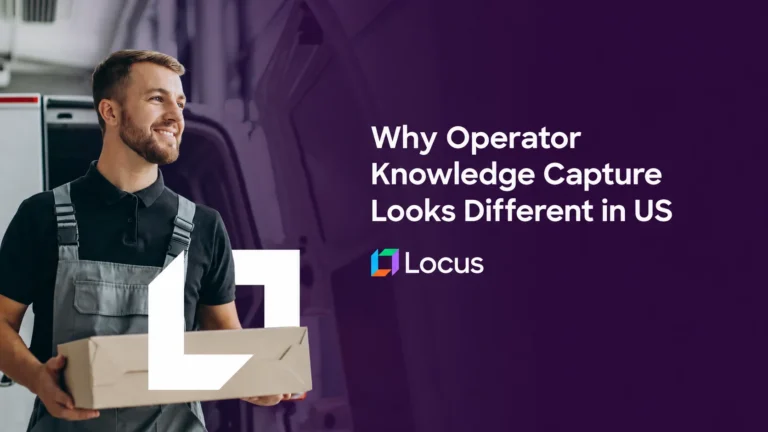
Why Operator Knowledge Capture Looks Different in US Last-Mile 2026
Operator knowledge capture in US last-mile is shaped by gig classification, multi-apping, high turnover, and US-specific realities. A 2026 framework for CTOs.

Last updated:

Explainable AI Logistics: Building ML Models That European Logistics Teams Actually Trust
European logistics CTOs face converging pressures making ML explainability primary architectural requirement: EU AI Act, GDPR, and operational trust gap.
Last updated:
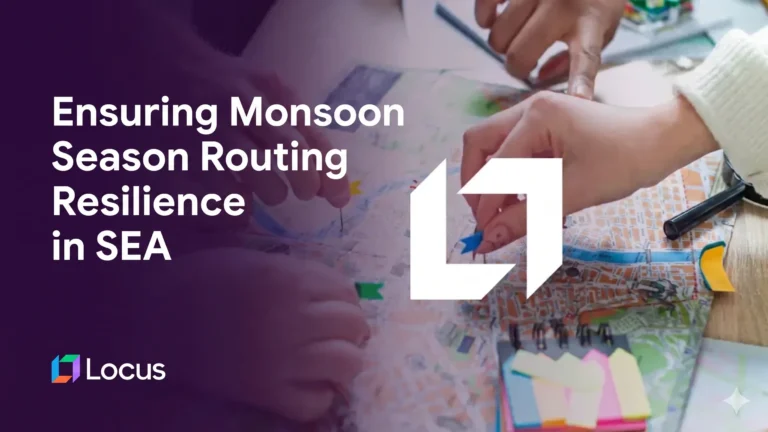
Monsoon Season Routing Resilience: How Southeast Asia’s Logistics Operations Plan for Six Months of Seasonal Disruption
Southeast Asia's monsoon seasons reshape operational reality across six months a year. A deep-dive on routing resilience, infrastructure disruption, and capacity planning.
Last updated:
Out-of-Home Delivery in Europe: How Lockers and PUDO Became Default and What AI Routing Now Has to Solve
How European out-of-home delivery evolved from postal pickup to default consumer channel — and the operational challenges AI-powered routing now has to solve.
Last updated:
How Does Locus Help Reduce Cost Per Delivery for CPG Distributors?
A SEA CPG supply chain guide to reducing cost per delivery through AI-driven route optimization and cost analytics — covering general trade, modern trade, DSD route density, and channel-specific cost-to-serve for distributors across Indonesia, Philippines, Thailand, Vietnam, Malaysia, and Singapore.
Last updated:

Why Address Intelligence Is the Most Underrated ROI Lever in Last-Mile Delivery
Most enterprises treat address quality as an IT problem. Strategic operators treat it as one of the largest hidden ROI levers in last-mile delivery.
Last updated:

How to Build a Business Case for Logistics Transformation to the Board
A six-step framework for CTOs, VPs, and Heads of Logistics to build a board-grade business case for logistics transformation — anchored to defensible ROI benchmarks, financial frames, and the agentic TMS and last-mile operating shift.
Last updated:
How Do Fuel Price Increases Affect Logistics Budgets?
A CFO and VP guide to how fuel price increases flow through logistics budgets — and how track-and-trace, AI route optimization, and multi-carrier allocation combine with hyperlocal fulfillment to reduce fuel exposure structurally.
Last updated:
Insights Worth Your Time