


General
How to Buy Delivery Routes: A Practical Guide

Key Takeaways
- Buying delivery routes offers scalable growth for logistics operators—if you choose and manage them wisely with proper technology infrastructure.
- Locus empowers route operators to dynamically plan, track, and optimize deliveries at scale using AI-driven technology—maximizing profitability and control from day one.
- Assess territory, labor, and technology before purchase to avoid costly mistakes.
- Routes typically cost $30K-$1M+, depending on type, with Amazon DSP and FedEx Ground being the most common options for enterprise operators.
Editorial note: Delivery route purchases involve commercial, legal, tax, financing, labour, insurance and carrier-compliance considerations. The cost ranges and examples below are indicative and should be validated against current carrier programme rules, seller records, lender requirements and professional legal or financial advice.
Unlike traditional route planning tools, Locus delivers real-time, AI-powered optimization, seamless integration, and proven cost savings for enterprise logistics teams.
This guide is designed for logistics managers, 3PL operators, and entrepreneurs aiming to scale their delivery businesses. Buying delivery routes can seem like a shortcut to logistics growth, but for many enterprise operators, it comes with more questions than answers. Is the route profitable? How will I manage drivers and deliveries post-purchase? And what happens when order volumes spike or customer expectations shift?
These concerns persist because many routes are sold without scalable infrastructure, leaving buyers to manually plan, dispatch, and firefight. A smart delivery route investment needs more than a contract; it needs built-in systems for visibility, adaptability, and performance.
Locus empowers route operators to dynamically plan, track, and optimize deliveries at scale using AI-driven technology. In this guide, our logistics experts walk you through exactly what you need to know before buying a route, what to avoid, and how Locus helps you make your investment operationally sound from day one.
Quick Answer: How to Buy Delivery Routes
To buy delivery routes, follow a structured process:
- Choose the right route model — Amazon DSP, FedEx Ground P&D, independent distribution, courier, 3PL subcontract or another model.
- Screen territories — assess stop density, mileage, depot proximity, customer concentration and delivery window complexity.
- Review financials — request revenue, payroll, fuel, insurance, vehicle, maintenance, chargeback and cost-to-serve data.
- Assess operations — validate driver continuity, fleet condition, routing process, dispatch workload, SLA performance and exception rates.
- Secure financing — compare SBA loans, equipment financing, seller financing, business lines of credit and investor partnerships.
- Review contracts and compliance — confirm exclusivity, transfer rights, liability, service levels, penalties and carrier approval requirements.
- Plan the transition — build a 30- to 60-day handover covering vehicles, drivers, payroll, technology, dispatch automation and performance baselines.
A route is only as valuable as its operating economics. Buyers should model cost-to-serve, not just top-line revenue.
Buying delivery routes can look like a shortcut to logistics growth. For many enterprise operators, regional 3PLs and entrepreneurs, it also raises practical questions: Is the route profitable? How will drivers be managed post-purchase? What happens when order volumes spike, SLA penalties increase or customer delivery windows tighten?
These concerns exist because many routes are sold without scalable infrastructure. Buyers inherit volume, but they may also inherit manual dispatch, spreadsheet-based routing, incomplete performance data and inconsistent exception handling.
A sound delivery route investment needs more than a contract. It needs systems for route optimisation, dispatch automation, real-time tracking, SLA adherence and cost control. Locus helps route operators plan, assign, track and optimise deliveries at scale, so the business can move from acquisition to reliable execution without adding unnecessary manual overhead.
What Are Delivery Routes and Why Are They for Sale?
If you’re a regional 3PL evaluating expansion routes, understanding the operational mechanics is crucial for making informed decisions.
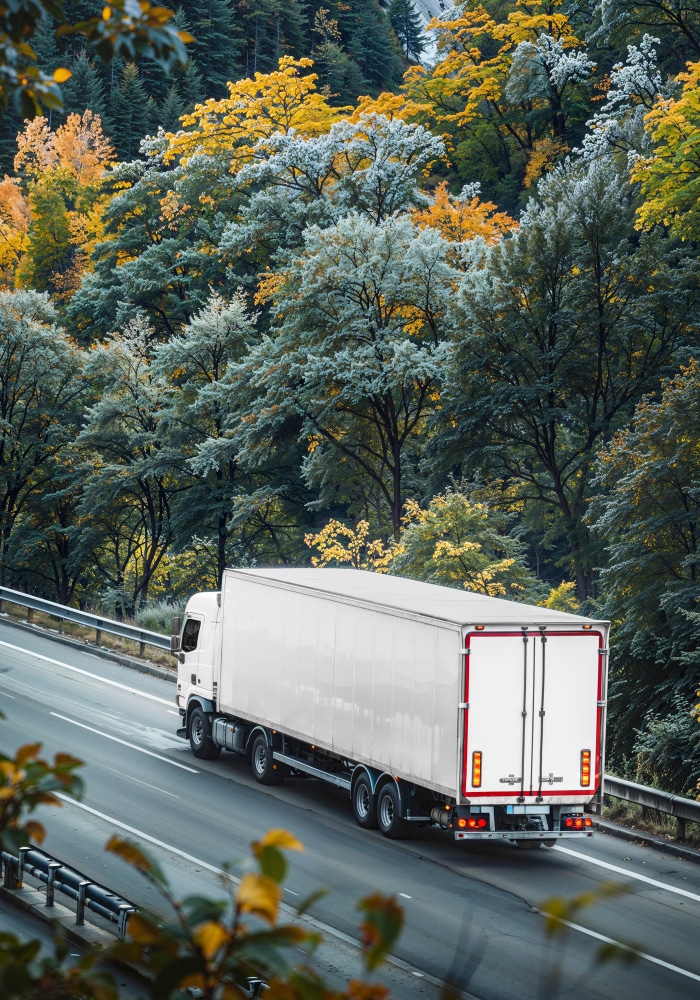
A delivery route is a defined set of stops, assigned to a driver or fleet, that services specific geographies or customer types on a recurring schedule. These routes are common in last-mile logistics, parcel delivery, and distribution networks, and are often tied to contractual obligations with carriers like Amazon or FedEx.
How Delivery Routes Work
Daily operations typically involve:
- Morning Dispatch – Routes are planned based on package volume and delivery windows
- Vehicle Loading – Packages are sorted and loaded according to delivery sequence
- Route Execution – Drivers follow optimized paths to complete deliveries within service windows
- Exception Handling – Failed deliveries, customer service issues, and route deviations are managed
- End-of-Day Reporting – Performance metrics and delivery confirmations are processed
Why Route Owners Sell
Many route owners choose to sell for a variety of operational or financial reasons, such as:
- Retirement or exit planning – The current owner may be ready to move on or liquidate assets.
- Undercapitalization – A route may be too costly to operate or scale without external funding.
- Performance issues – Some owners offload routes that have high failed delivery rates or labor turnover.
- Business focus shift – Distributors or 3PLs may sell non-core or underperforming territories to streamline operations.
- Carrier-driven expansion – Some carriers encourage new buyers to enter the network to increase delivery capacity without adding corporate overhead.
For buyers, these transfers offer a way to enter logistics with existing volume and established demand. Evaluating why the route is being sold, whether due to performance issues, owner exit, or territory realignment, is essential to assessing its true value.
? Related read: 8 Points for a Successful Selection of a Route Optimization Software
Where to Find Delivery Routes for Sale
For logistics managers and 3PL operators looking to expand, finding quality delivery routes requires knowing where to look and how to evaluate opportunities.
The most reliable sources for delivery routes include:
- Online Business Marketplaces – Platforms like BizBuySell, BusinessBroker.net, and LoopNet list delivery routes with financial details and territory information.
- Industry-Specific Brokers – Specialized brokers focus exclusively on logistics and delivery businesses, offering vetted opportunities with detailed due diligence.
- Direct Carrier Programs – Amazon DSP and FedEx Ground actively recruit new operators through their official channels.
- Industry Networking – Trade associations, logistics conferences, and local business groups often have off-market opportunities.
- Direct Outreach – Contacting existing route operators in your target area can uncover succession planning opportunities.
Evaluation Tips: Always verify financial statements, check references, and confirm territory exclusivity before proceeding with any listing.
Benefits and Drawbacks of Buying a Delivery Route
For enterprise logistics managers considering route acquisition, understanding both advantages and risks is essential for making informed investment decisions.
| Benefits | Drawbacks | Scalability | Technology Requirements |
| Immediate revenue stream with an established customer base | High upfront capital requirements ($30K-$1M+) | High with proper systems | AI-driven optimization essential |
| Proven territory with known demand patterns | Limited control over pricing and service areas | Moderate without automation | Real-time tracking required |
| Existing operational infrastructure and processes | Dependency on carrier contracts and compliance | Limited by manual processes | Integration capabilities needed |
| Scalable business model with expansion potential | Driver recruitment and retention challenges | High with adjacent territories | Analytics for performance monitoring |
| Predictable cash flow from volume-based contracts | Operational risks from vehicle maintenance and fuel costs | Variable based on efficiency | Predictive maintenance tools |
Is Buying a Delivery Route a Good Investment?
A delivery route can be a high-revenue asset when backed by stable volume, cost control, and operational maturity. Profitability depends on route type and structure. For instance:
- FedEx Ground routes often generate steady income tied to package volume, but require vehicle ownership and driver management.
- Amazon DSP routes come with built-in demand and support infrastructure but include strict compliance requirements.
- Independent distribution routes, like bread, snacks, or beverages, offer more flexibility but carry higher sales dependencies.
Key Variables Affecting Financial Outcomes
Several variables influence financial outcomes:
- Stop density and territory size directly impact labor hours and fuel usage.
- Driver availability and wages affect cost predictability.
- Payment terms and volume guarantees from the carrier define revenue stability.
- Manual planning increases daily coordination effort and reduces scalability.
An efficient route operation requires more than a purchase, it needs tools to reduce friction, improve visibility, and maintain delivery standards as volume grows. Locus empowers route owners to plan, assign, and track deliveries with precision, improving both profitability and control.
Types of Delivery Routes and How They Work
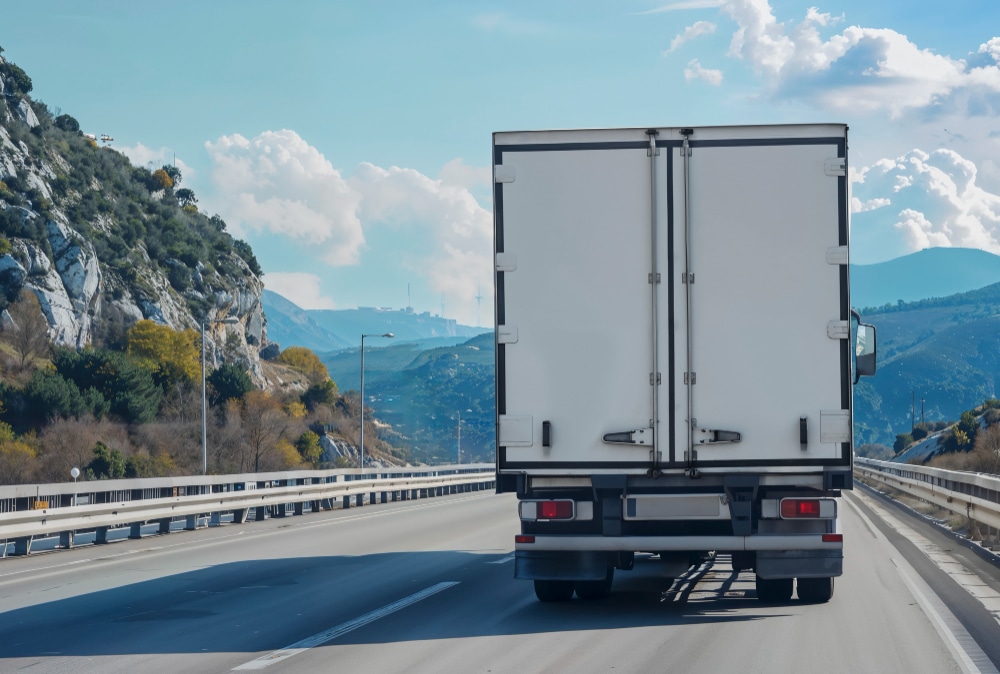
Delivery route businesses fall into four broad categories, each with its own operational model, entry cost, and earning logic. Understanding the differences is essential before committing capital or resources.
Types of Delivery Route Structures
Understanding operational structures helps you select the right route model for your business goals:
| Route Structure | Complexity | Cost | Scalability | Typical Industries |
| Fixed Routes – Predetermined stops and schedules | Low | $30K-$200K | Moderate | Bread, newspapers, beverages |
| Dynamic Routes – Variable stops based on demand | High | $100K-$1M+ | High | Amazon DSP, FedEx Ground |
| Point-to-Point – Direct delivery between locations | Medium | $50K-$300K | Medium | Medical supplies, courier services |
| Multi-Stop – Multiple deliveries per trip | High | $75K-$500K | High | E-commerce, retail distribution |
| Long-Haul – Regional or interstate delivery | Medium | $200K-$1M+ | Medium | Freight, wholesale distribution |
Route Types by Business Model
- Amazon DSP Routes
These routes are part of Amazon’s Delivery Service Partner program. Buyers operate under Amazon’s umbrella but are responsible for hiring and managing delivery staff. While Amazon provides logistics technology and consistent package volume, operators must meet strict compliance benchmarks and maintain fleet efficiency without direct control over service areas. - FedEx Ground Pickup & Delivery (P&D)
Route owners manage daily parcel delivery within defined territories. This model requires investment in vehicles and workforce, along with insurance, training, and performance monitoring. Earnings are typically tied to the number of stops and packages, making route density and driver productivity critical to margins. - Independent Distribution Routes
These cover goods like baked products, beverages, or snacks, often under exclusive distribution rights for a specific brand in a set geography. Buyers generate income by restocking retail locations and building client relationships, with growth tied to local market demand rather than volume guarantees. - Courier and 3PL Subcontracts
Operators service contracted delivery assignments from regional logistics providers. These are more flexible in structure, often requiring lower upfront investment. However, route availability may be inconsistent, and margins vary based on trip volume and SLA complexity.
Types of Delivery Routes by Industry
Industry-specific routes offer unique opportunities and considerations:
- Food & Beverage Routes – Bakery, snack, and beverage distribution with established retail relationships
- Dry Cleaning Routes – Pickup and delivery services for commercial and residential customers
- Medical Supply Routes – Specialized delivery requiring compliance with healthcare regulations
- Newspaper Routes – Traditional print media distribution with declining but stable customer base
Carrier-Backed vs Distribution vs Subcontracted Routes
| Route Model | Capital Needed | Contract Risk | Margin Control | Operational Complexity |
| Carrier-backed routes | Medium to high | High; carrier rules and approval matter | Moderate | High |
| Product distribution routes | Low to medium | Medium; brand and territory rights matter | Higher, but sales-dependent | Medium |
| Subcontracted courier routes | Low to medium | Medium to high; volume may be inconsistent | Variable | Medium |
| Multi-route parcel operations | High | High; compliance and SLA exposure increase | Moderate to high with strong systems | High |
This comparison should guide your acquisition strategy. If you want predictable volume, carrier-backed routes may be attractive. If you want more commercial control, product distribution may fit better. If you want lower entry cost, courier or 3PL subcontracts may be easier to start, but contract stability must be reviewed carefully.
How Much Does It Cost to Buy a Delivery Route?
Route acquisition costs vary widely based on carrier model, contract terms, territory size, and operational overhead. Entry-level courier and distribution routes may cost as little as $30,000, while FedEx Ground or multi-route Amazon DSP operations can exceed $1 million due to asset and labor commitments.
Key Cost Components
Key cost components include:
- Purchase Price
Most routes are priced as a multiple of average weekly revenue, typically between 2.5x and 3x gross earnings. Higher-yield routes with low failure rates and strong volume contracts demand higher premiums. - Fleet and Vehicle Costs
FedEx and Amazon routes require the buyer to procure and maintain commercial delivery vans. Costs vary depending on fleet size, financing terms, and required safety upgrades. - Working Capital Requirements
Buyers should plan for at least 2–3 months of operating expenses, including payroll, fuel, insurance, uniforms, and maintenance. - Legal and Transition Fees
Expenses may include entity setup, carrier compliance paperwork, contract reviews, and onboarding for route planning software.
Hidden Costs to Consider
- Insurance premiums – Commercial auto and liability coverage can be 20-30% higher than expected
- Compliance costs – DOT regulations, drug testing, and safety training requirements
- Unexpected repairs – Vehicle maintenance and replacement parts for high-mileage delivery vehicles
- Technology integration – Route optimization software, tracking systems, and mobile devices
Training and onboarding – Driver certification, safety programs, and operational procedures
Cost to buy delivery routes – a comparison
| Route Type | Typical Entry Cost | Ownership Requirements | Delivery Volume | Expansion Potential |
| Amazon DSP | $10K–$300K | Fleet, staff, compliance | High | Moderate (Amazon-dependent) |
| FedEx Ground P&D | $100K–$1M | Vehicles, drivers | High | High (requires structure) |
| Independent Distribution | $30K–$200K | Brand rights, resupply | Medium | Moderate (sales-driven) |
| Courier/3PL Subcontract | $5K–$50K | Low-asset, SLA-led | Variable | Limited by contracts |
Carrier-provided onboarding varies by program. Some offer support with tech integration or volume projections, but buyers are responsible for day-to-day cost management. Financial modeling based on delivery density, wage benchmarks, and local fuel rates is essential for evaluating long-term viability.
How to Value a Delivery Route
A simple route valuation model starts with normalized earnings, then adjusts for assets, contract quality and operational risk.
Basic valuation framework:
Indicative Route Value =
Normalized Annual Seller Discretionary Earnings × Market Multiple
+ Fair Value of Included Vehicles/Assets
± Adjustments for Contract Risk, Territory Density, Fleet Condition and Transition Risk
For example, a dense route with stable volume, transferable contracts, low driver turnover and well-maintained vehicles may justify a higher multiple than a route with weak documentation, aging vans, vague territory rights or high SLA penalties.
Before making an offer, review:
- 12–24 months of revenue and expense records where available.
- Package counts, stop counts and seasonal volume changes.
- Owner add-backs and whether they are legitimate.
- Vehicle titles, leases and maintenance records.
- Contract transferability and customer or carrier approval rights.
- Route density, service windows and cost-per-stop trends.
Valuation should be treated as a diligence exercise, not a simple revenue multiple. A route with lower revenue but better density, cleaner contracts and stronger driver continuity may be a better acquisition than a larger but unstable territory.
Step-by-Step Guide to Buying a Delivery Route
Acquiring a delivery route requires structured due diligence across financial, operational, and legal dimensions. Each stage directly affects route performance post-purchase.
- Select the Right Route Model
Clarify whether the target is a carrier-backed route (e.g., Amazon DSP, FedEx P&D), a product distribution territory, or a subcontracted delivery agreement. Each model differs in cash flow structure, compliance expectations, and margin control. - Screen Route Listings by Geography and Density
Shortlist routes based on delivery concentration, vehicle requirements, and terminal location. Favor zones with tightly packed stops, stable order volumes, and proximity to a central depot. - Request Financial Disclosures
Gather weekly gross revenue, payroll expenses, fuel usage, insurance premiums, and chargebacks from the past 12 months. Examine monthly variance in package count and cost-per-stop metrics to assess profitability. - Assess Operational Health
Review staffing patterns, shift coverage, and turnover history. Verify if existing drivers will transition with the route. Ask for delivery failure logs and details on customer SLAs. A field visit to the dispatch hub provides additional clarity on handoff and routing procedures. - Plan Financing Based on Route Type
SBA loans are common for FedEx and Amazon routes. Distribution or subcontract models may qualify for equipment or working capital lines. Prepare income projections, liability assumptions, and a 12-month expense forecast to support loan applications. - Review All Contracts Thoroughly
Legal counsel should validate the terms of route transfer, operating agreements, exclusivity clauses, and liability caps. Carrier-led contracts typically involve onboarding audits or performance checks. - Structure a Transition Timeline
Develop a 30- to 60-day handover plan that includes vehicle acquisition, driver onboarding, payroll setup, and route planning. If software is not included, build in time for integrating dispatch and tracking tools.
Financing Options for Buying Delivery Routes
For logistics managers and entrepreneurs, securing appropriate financing is often the biggest hurdle in route acquisition.
Common financing methods include:
- SBA Loans – Small Business Administration loans offer favorable terms for established route purchases, typically requiring 10-15% down payment
- Equipment Financing – Vehicle and equipment loans can cover fleet acquisition costs with the assets as collateral
- Seller Financing – Route owners may offer financing terms, especially for succession planning scenarios
- Business Lines of Credit – Working capital lines help manage cash flow during transition periods
- Investor Partnerships – Joint ventures with logistics investors can provide capital and operational expertise
Preparation Tips: Develop a comprehensive business plan with 3-year financial projections, territory analysis, and operational strategy to improve loan approval odds.
Licenses, Permits and Compliance Requirements
Licensing requirements vary by jurisdiction, vehicle class, route type and carrier programme. Buyers should confirm requirements with legal counsel, insurers, local authorities and the relevant carrier or brand partner before closing.
Common requirements may include:
- Business registration and local business licenses
- Commercial vehicle registration
- Commercial auto and general liability insurance
- Workers’ compensation coverage where required
- Driver qualification and safety documentation
- DOT or transportation compliance requirements for certain vehicles or operations
- Carrier or brand approval for route transfer
- Food, healthcare or chain-of-custody compliance for specialised routes
- Proof-of-delivery, scan compliance and service-level reporting obligations
Carrier-backed routes may also include audits, safety standards, operating manuals and performance benchmarks. Product distribution routes may require brand approval, territory restrictions, resale obligations and non-compete terms.
Common Challenges When Buying a Delivery Route
Enterprise logistics managers face several typical hurdles during route acquisition. Understanding these challenges helps set realistic expectations and prepare effective solutions.
- Financing Difficulties – Securing adequate capital while maintaining cash flow for operations can be complex, especially for first-time buyers
- Legal Compliance – Navigating carrier contracts, insurance requirements, and regulatory compliance across multiple jurisdictions
- Operational Onboarding – Transitioning staff, systems, and processes without disrupting service quality or customer relationships
- Market Competition – Competing with established operators for quality routes while evaluating territory potential accurately
- Technology Integration – Implementing route optimization and tracking systems to maintain operational efficiency from day one
Success Strategy: Partner with experienced advisors, conduct thorough due diligence, and invest in proven technology platforms like Locus to overcome these challenges systematically.
Talk to a Locus Expert about Route Acquisition Challenges
Our logistics technology experts help enterprise operators navigate common acquisition pitfalls and implement scalable solutions from day one.
Professional Services and Advisory Support
Engaging professional advisors during due diligence, contract review, and transition significantly reduces acquisition risks and improves long-term success rates.
Types of Professional Support
- Legal Counsel – Contract review, liability assessment, regulatory compliance guidance
- Financial Advisors – Due diligence, valuation analysis, financing structure optimization
- Operational Consultants – Route efficiency analysis, technology integration planning
- Industry Brokers – Market knowledge, vetted opportunities, negotiation support
When to Engage Professional Support
- Legal counsel: Before signing any letters of intent or purchase agreements
- Financial advisors: During initial route evaluation and financing planning
- Operational consultants: Before finalizing purchase to assess technology and process needs
What to Look for Before Buying a Delivery Route

Route performance depends on more than revenue potential. For enterprise logistics managers, assessing operational structure, workforce readiness, and delivery feasibility before closing the deal is critical to long-term success.
- Territory Layout and Delivery Efficiency
Map the route’s physical boundaries, average daily stops, and mileage. Avoid routes that require excessive backtracking or cover widely dispersed zones, they increase fuel usage and reduce drop density, cutting into margins. - Defined Zone Ownership
Ensure exclusive territory rights are documented, especially in FedEx and distributor agreements. Shared zones or ambiguous boundaries often result in delivery conflicts, performance penalties, or rework. - Contractual SLAs
Study the service-level terms for each client or carrier. Routes servicing B2B accounts, healthcare, or retail chains often require specific delivery windows, signature capture, or chain-of-custody protocols. Compliance failure impacts payouts and customer retention. - Labor Continuity and Cost Exposure
Request driver rosters and tenure data. Inquire whether current staff will remain onboard and review wage competitiveness for the region. A route without a committed team adds time and cost during onboarding. - Technology Stack and Operational Tools
Ask what tools are used for routing, dispatch, and exception handling. Routes managed manually or via spreadsheets typically demand more supervision and offer limited visibility into delays or service failures.
Operational risks compound quickly if overlooked. A pre-purchase assessment should cover both territory-level logistics and workflow infrastructure.
? Explore feature: Dispatch Planning Software
Transition and Training After Purchase
Successful route transitions require careful planning and systematic knowledge transfer to maintain service quality.
Best practices include:
- Staff Onboarding – Retain key personnel when possible and provide comprehensive training on your operational procedures
- Knowledge Transfer – Document all route-specific information, customer preferences, and operational nuances from the previous owner
- System Integration – Implement route optimization and tracking technology before taking full operational control
- Performance Monitoring – Establish baseline metrics and monitor service quality closely during the first 90 days
Ready to streamline your route acquisition process? Schedule A Demo.
30-Day Getting Started Roadmap
Use this roadmap if you are still in the evaluation stage and want to move from research to a serious acquisition shortlist.
| Timeline | Action |
| Week 1 | Define your route model, target geography, capital range, preferred fleet size and risk tolerance. |
| Week 2 | Identify listings, brokers, carrier programmes and local operators. Request initial financial and territory information. |
| Week 3 | Compare routes by density, revenue stability, labour needs, vehicle exposure, SLA terms and technology maturity. |
| Week 4 | Shortlist targets, engage advisors, prepare financing conversations and request deeper seller documentation. |
This roadmap does not replace full due diligence. It helps buyers avoid chasing routes that do not match their capital, operating capacity or strategic fit.
Ongoing Management and Optimization After Purchase
Success requires active management, not just initial acquisition. Continuous monitoring and adapting operations post-purchase ensures long-term profitability and growth.
Best Practices for Ongoing Management
- Regular Performance Reviews – Weekly analysis of delivery metrics, cost-per-stop, and driver productivity
- Market Adaptation – Adjusting to seasonal demand changes, new customer requirements, and competitive pressures
- Route Optimization – Continuous refinement of delivery sequences and territory coverage
- Technology Updates – Regular system upgrades and process improvements to maintain competitive advantage
Common Daily/Weekly/Monthly Tasks
| Frequency | Tasks |
| Daily | Route planning, vehicle checks, driver dispatch, exception handling, delivery confirmations |
| Weekly | Performance analysis, payroll processing, vehicle maintenance scheduling, customer service follow-up |
| Monthly | Financial reporting, compliance checks, driver training updates, route optimization reviews |
How Locus Supports Delivery Route Operators Post-Purchase
Owning a route is only the first step. Sustaining profitability requires efficient delivery planning, real-time visibility, and fast response to disruptions. Locus equips route operators with the tools to execute deliveries accurately and at scale, without increasing manual load or headcount.
Streamline daily dispatch with advanced automation
Plans and assigns deliveries automatically based on live traffic data, driver shifts, service time windows, and vehicle capacity. The engine sequence stops to minimize distance traveled while maintaining on-time performance. New operators avoid the delays and inconsistencies of manual scheduling.
Optimize logistics from inbound to outbound across every mile.
Combines orders by destination, pre-validates addresses, and ensures that every delivery follows a time-efficient path. High-volume days no longer require dispatchers to manually sort and prioritize tasks.

Provides real-time location and delivery status for every vehicle and order. Operations teams gain early alerts for exceptions such as route deviations or failed scans, allowing corrective action before customer impact occurs.
Use data-driven insights to improve visibility and boost productivity
Generates actionable metrics across delivery cost per stop, driver utilization, and route success rates. Operators use these insights to adjust coverage, revise SLAs, or expand into adjacent zones with clear visibility into ROI.

Enables centralized monitoring of all active routes. Delays caused by traffic, weather, or driver issues are flagged immediately, and resolution workflows can be launched without disrupting the overall schedule.
Locus replaces fragmented, reactive workflows with data-driven execution. Route operators who implement our platform gain tighter control over service quality and delivery economics from the first week of ownership.
Why Locus?
- Real-time AI-driven route optimization, not just static planning.
- Seamless integration with your current logistics systems.
- Trusted by industry leaders—Locus users reduce delivery costs by 20% within 3 months.
- Unlike legacy route planners, Locus adapts instantly to volume spikes and disruptions.
“With Locus, our on-time deliveries increased by 18% in just one quarter.” – Logistics Manager, Leading 3PL
? Related blog:
Key Strategy to Optimize Delivery Routes
Common Mistakes to Avoid When Buying a Route
Operational missteps during or after acquisition can erode profit margins quickly. Below are five specific issues to avoid:
- Overlooking delivery patterns
Failing to analyze daily stop counts, time-per-stop, and mileage often leads to higher fuel and labor costs than expected. - Assuming driver continuity without confirmation
If employment agreements or retention bonuses aren’t in place, there’s no assurance the team will stay post-transfer. - Misjudging cash requirements
Some routes require two months of payroll, insurance, and vehicle payments before revenue stabilizes. Buyers should account for this in working capital estimates. - Signing contracts without SLA breakdowns
Penalties tied to late deliveries, missed scans, or low fulfillment accuracy can cut into earnings. Review these terms line by line. - Delaying technology onboarding
Operating without routing software increases manual load. Even small routes benefit from early deployment of automated planning tools.
Tips for Scaling After Buying Your First Route
To scale profitably, operators need clear processes, measurable benchmarks, and efficient territory planning. These practices support controlled expansion:
- Document route execution steps
Create detailed instructions for vehicle loading, scan validation, delivery sequencing, and proof-of-delivery capture. Consistency reduces service errors across new drivers or regions. - Deploy automated dispatch early
Configure software to assign stops based on traffic, delivery windows, and vehicle capacity. Early automation eliminates the need for daily manual intervention as volume grows. - Review performance logs weekly
Track on-time delivery percentage, stop productivity, and failed attempts. Use this data to identify route-level bottlenecks and improve driver accountability. - Expand into adjacent service areas
Acquiring neighboring routes allows you to consolidate dispatch, reduce deadhead miles, and reuse fleet and labor resources. - Use delivery cost data to guide growth
Monitor cost-per-stop and fuel-per-route before expanding. Territories with high margin variability should be deprioritized until existing operations are stabilized.
? Related blog: Route Optimization for Third-Party Logistics Operators
Should You Buy a Delivery Route?
A well-selected delivery route can generate consistent revenue and serve as a foundation for regional logistics growth, provided the operator is equipped to manage labor, compliance, and cost control from day one. In today’s market, increased delivery volumes and tighter SLA expectations have raised the bar for execution quality.
Operators who succeed typically invest early in route planning software, monitor performance metrics closely, and expand only when current routes are stable. Locus enables new owners to automate dispatch, track orders in real time, and proactively manage service disruptions, all without increasing manual coordination.
Next Steps
Ready to make an informed decision about buying delivery routes? Here’s what you can do next:
- Download our Route Investment Checklist for due diligence
- Evaluate your financing options and prepare financial projections
- Research technology solutions for route optimization and tracking
- Connect with professional advisors for legal and financial guidance
See how Locus supports route operations at scale: Schedule a demo.
Frequently Asked Questions (FAQs)
1. How does owning a delivery route work?
Owning a delivery route involves managing daily operations including route planning, driver dispatch, vehicle maintenance, and customer service. You’re responsible for meeting carrier SLAs, managing labor costs, and maintaining delivery performance standards while generating revenue from package volume or delivery fees.
2. What are the main types of delivery routes?
The main types include fixed routes (predetermined stops), dynamic routes (variable based on demand), point-to-point delivery, multi-stop routes, and long-haul operations. Business models include Amazon DSP, FedEx Ground P&D, independent distribution, and 3PL subcontracts.
3. Is buying a delivery route a good idea for someone new to logistics?
If the route has consistent stop density, clear SLA terms, and access to reliable labor, it can be a strong first investment. Using platforms like Locus helps new owners automate dispatch and manage delivery timelines without heavy operational overhead.
4. What is the typical cost to buy an Amazon DSP delivery route?
Most Amazon DSP routes require $10,000 to $300,000 in startup capital, covering vehicle leases, driver payroll, uniforms, and insurance. The exact amount depends on service area size and operational scope.
5. Are UPS delivery routes available for purchase?
UPS does not outsource delivery routes to independent contractors. All routes are staffed and managed internally by UPS employees, so there’s no route ownership model available.
6. What kind of return can I expect from a delivery route investment?
Returns depend on geographic concentration, stop volume, and how efficiently the route is managed. Routes supported by AI-driven planning tools like Locus tend to achieve lower per-stop costs and faster turnaround, improving profit margins over time.
7. How should I prepare for driver turnover after taking over a route?
Driver changes are common. Build a hiring pipeline early and use routing software that simplifies onboarding. Locus enables new drivers to follow optimized routes without memorizing addresses or handling manual schedules.
8. How do I value a delivery route before buying it?
Start by analysing 12–24 months of revenue, expenses, package volume, stop counts and normalized seller earnings where available. Then adjust for vehicle value, contract length, territory density, driver continuity, SLA exposure and transfer risk. Do not rely on top-line revenue alone.
9. What due diligence should I do before buying a delivery route?
Request financial statements, tax records where available, carrier settlement statements, route maps, vehicle records, payroll data, driver rosters, insurance documents, SLA reports and chargeback history. You should also review contracts with legal counsel, inspect vehicles, verify territory rights and confirm whether drivers will transfer after closing.
10. How much does it cost to buy a delivery route?
Entry-level courier or distribution routes may cost as little as $5K–$50K, while independent distribution routes commonly range from $30K–$200K. Larger FedEx Ground P&D or multi-route parcel operations can reach $100K–$1M+, depending on vehicles, territory quality, volume, contracts and working capital requirements.

General
What Are Postal Carrier Routes? A Complete Guide in 2026

Jul 30, 2026
A comprehensive guide explaining postal carrier routes as optimized delivery paths that help businesses reduce costs, improve efficiency, and enhance customer experience through strategic route planning and modern optimization software.
Read more
General
Top Logistics Automation Software Platforms in 2026 for Smarter Operations
Jul 30, 2026
Compare the top logistics automation software platforms of 2026. Find the right execution-led dispatch tool, TMS suite, or specialized freight system based on your operational model.
Read moreInsights Worth Your Time




















How to Buy Delivery Routes: A Practical Guide