


General
Direct Store Delivery Examples: Real-World Applications

Key Takeaways
- Direct Store Delivery (DSD) helps brands reduce dependence on retailer warehouses and replenish store shelves faster.
- Companies such as Coca-Cola, Mondelez, Frito-Lay, Bimbo Bakeries, BAT, and AB InBev use DSD to improve freshness, retail execution, and shelf visibility.
- Mobile tools and AI-based systems simplify route optimization, dispatch planning, invoicing, field sales, returns, and performance tracking.
- DSD can improve profitability by reducing handling, improving delivery accuracy, supporting faster product launches, and tightening cost-to-serve controls.
- Locus helps enterprise logistics teams modernize DSD with AI-powered dispatch automation, route optimization, SLA adherence tracking, and real-time control tower visibility.
Who Should Read This Article?
- CPG/FMCG supply chain leaders
- Distribution and logistics managers
- Digital transformation leaders in retail and manufacturing
? Optimize every DSD route with AI
Learn how automated route planning helps FMCG teams reduce miles, improve store coverage, and respond faster to replenishment demand.
DSD in One Sentence
Direct store delivery means products move from the supplier, bottler, manufacturer, or distributor straight to the retail outlet, where the brand often controls replenishment, shelf execution, and store-level service.
Best Direct Store Delivery Examples at a Glance
Well-known direct store delivery examples include Coca-Cola, Mondelez, Frito-Lay, Bimbo Bakeries, British American Tobacco, and AB InBev. These brands use DSD to keep shelves stocked faster, protect freshness, improve merchandising control, and digitise field execution across high-frequency retail networks.
What is Direct Store Delivery (DSD)?
Direct Store Delivery (DSD) is a distribution model where manufacturers, suppliers, or distributors deliver products directly to retail stores, bypassing the retailer’s traditional distribution centers and warehouses. It gives brands greater control over the final mile of the supply chain, from the production facility or regional hub to the store shelf.
Unlike centralized distribution, DSD allows manufacturers to manage store-level inventory, product placement, replenishment cadence, merchandising, returns, and credits more directly. It is particularly effective for products that need frequent replenishment, temperature control, careful handling, fast rotation, or strong in-store execution.
For logistics teams, DSD is not just a delivery model. It is an operating system for high-frequency store fulfillment, where route planning, dispatch automation, field execution, proof of delivery, and cost-to-serve visibility all need to work together.
Direct Store Delivery (DSD) is how leading CPG and retail brands move products from factories, depots, or distributors to store shelves without warehouse delays. For enterprise logistics teams, the important question is not only what DSD means, but how it performs at scale.
People search for direct store delivery examples because they want to understand how companies such as Coca-Cola, Mondelez, Frito-Lay, Bimbo Bakeries, British American Tobacco, and AB InBev use DSD to manage high-frequency replenishment, protect freshness, improve retail visibility, and reduce execution gaps.
This article focuses on real DSD implementations and the operating practices behind them: route optimization, mobile field workflows, dispatch automation, store-level visibility, returns handling, and performance analytics.
You’ll see how seven global brands run DSD networks, what technologies support their operations, and what other logistics teams can replicate. You’ll also see where platforms like Locus fit into modern DSD: as the AI logistics layer for planning, routing, tracking, and improving last-mile execution.
Common DSD Operating Variants
Not every DSD network works the same way. Enterprise teams should distinguish the main operating variants before they compare technologies or cost structures:
- Supplier-to-store delivery: The manufacturer or brand owner controls the delivery flow into the store.
- Distributor-led DSD: A regional distributor manages transport, store delivery, and often route accounting on behalf of the brand.
- Bottler-operated delivery: Common in beverages, where the bottler runs local replenishment and store servicing.
- Route sales or driver-sales model: The driver also sells, invoices, collects payment, or adjusts order quantities during the visit.
- Van sales or cash van model: Inventory is carried on the vehicle and sold directly into smaller outlets.
- Pre-sales plus delivery: A sales rep places the order first, then a separate route delivers it later.
- Delivery plus merchandising: The visit includes shelf stocking, rotation, planogram compliance, display checks, or cooler replenishment.
- Vendor-managed inventory style execution: The supplier uses store-level data to influence replenishment timing and quantities more directly.
This matters because route design, service times, fleet requirements, mobile workflows, proof of delivery, and payment capture all change depending on who controls the store visit and what tasks are completed on-site.
Quick Examples of Products That Use Direct Store Delivery
Common direct store delivery examples include:
- Beverages: Soft drinks, bottled water, beer, wine, energy drinks, and ready-to-drink products.
- Snacks: Chips, biscuits, crackers, cookies, and confectionery.
- Bakery: Bread, buns, pastries, cakes, and other short-shelf-life baked goods.
- Dairy and fresh foods: Milk, yogurt, cheese, refrigerated desserts, and other temperature-sensitive products.
- Personal care and consumer goods: High-velocity SKUs that need shelf visibility, promotion control, or frequent replenishment.
- Special-handling categories: Fragile, regulated, cold-chain, or route-sales products that benefit from tighter chain-of-custody control.
DSD is usually best when products are perishable, fast-moving, promotion-led, fragile, or need daily or near-daily replenishment. It is less attractive when transport consolidation and low cost per unit matter more than speed, freshness, or shelf control.
Direct Store Delivery vs. Centralized Distribution
| Factor | Direct Store Delivery | Centralized Distribution |
| Speed to Market | 24-48 hours | 3-7 days |
| Control Over Merchandising | High – direct management | Low – relies on retailer |
| Operational Complexity | High – multiple routes, store visits, and delivery windows | Low – consolidated shipments |
| Product Freshness | Excellent – minimal handling | Good – additional handling steps |
| Cost Structure | Higher per-unit delivery cost | Lower per-unit delivery cost |
| Inventory Visibility | Stronger store-level visibility when field tools are integrated | Stronger warehouse-level visibility, weaker shelf-level control |
| Best Fit | Perishable, high-velocity, fragile, or promotion-heavy products | Slower-moving SKUs, bulk replenishment, and lower-frequency networks |
DSD is typically stronger when freshness, speed, shelf control, and promotional execution matter more than simple transport consolidation. Centralized distribution is often more efficient for slower-moving SKUs, bulk replenishment, or lower-frequency delivery networks. Many enterprises use a hybrid model: high-velocity, perishable, or promotion-led SKUs move through DSD, while slower-moving products flow through retailer distribution centers.
When Direct Store Delivery May Not Be the Best Choice
Direct Store Delivery is powerful, but it is not the right operating model for every SKU, retailer, or market. Enterprise teams should evaluate DSD against centralised distribution when product economics, store density, replenishment frequency, and service requirements are materially different.
DSD may not be the best fit when:
- SKU velocity is low: Slow-moving products may not justify frequent store visits or dedicated route capacity.
- Drops are too small or too dispersed: Low-density routes can increase miles, fuel use, labour time, and cost per stop.
- Retailer distribution centres already provide sufficient service: If the retailer network can replenish shelves reliably through centralised distribution, DSD may add avoidable complexity.
- Merchandising control is not strategically important: Products that do not need display management, freshness rotation, or promotion execution may not require direct field intervention.
- Shelf-life constraints are minimal: Long-life, bulk, or ambient products often benefit more from consolidated transport.
- Technology maturity is low: Without mobile execution tools, route optimisation, ERP/OMS integration, and real-time visibility, DSD can become manual, inconsistent, and expensive.
- Cost-to-serve outweighs sales upside: If the additional revenue, freshness protection, or shelf availability improvement does not offset route costs, centralised distribution may be more efficient.
A practical enterprise model is often hybrid. Use DSD for high-velocity, perishable, promotion-led, cold-chain, or service-sensitive SKUs. Use centralised distribution for slower-moving, bulk, predictable, or lower-touch categories. The key is to segment products and stores by service requirement rather than applying one distribution model across the entire portfolio.
Benefits and Challenges of Direct Store Delivery
Key Benefits
- Enhanced product freshness: Shorter transit times and fewer handling points help maintain product quality, especially for beverages, bakery, dairy, snacks, and other fast-moving categories. This is critical in markets facing persistent food and beverage distribution challenges around freshness, temperature control, and delivery timing.
- Superior merchandising control: Field teams can manage shelf placement, displays, stock rotation, and promotional compliance directly in the store.
- Faster market response: Brands can launch new products, respond to promotions, and replenish high-demand stores faster than warehouse-led models.
- Better on-shelf availability: DSD supports frequent replenishment and store-level intervention, making it easier to execute efficient shelf replenishment strategies.
- Real-time visibility: Store-level inventory, delivery status, returns, and sales signals can be captured through mobile apps, handheld devices, POS integrations, RFID, or IoT sensors.
- Stronger retailer relationships: Drivers, sales reps, and merchandisers act as direct points of contact, improving issue resolution and service quality.
- Potential store labor savings: In grocery DSD, CH Robinson notes that direct store delivery can save as much as 25% in store labor costs by shifting replenishment and shelf execution responsibilities closer to suppliers and route teams.
Common Challenges
- Route complexity: DSD involves frequent visits, tight delivery windows, multiple store formats, and variable demand. Manual planning often leads to excess mileage, low asset utilization, and inconsistent SLA adherence.
- Higher operational costs: More stops and smaller drops can increase cost per stop and cost per case unless routes, loads, and visit frequencies are optimized. A disciplined cost-to-serve analysis helps teams understand which products, customers, and routes justify DSD economics.
- Coordination requirements: Store receiving hours, driver availability, merchandising tasks, and returns processing must be aligned.
- Technology integration: Effective DSD requires integration across ERP, OMS, WMS, CRM, POS, mobile field tools, telematics, and dispatch systems.
- Scalability concerns: Growing across regions without automation can create planning bottlenecks, inconsistent route adherence, and limited control over field productivity.
How Direct Store Delivery Works: Step-by-Step Process
- Order Planning: Sales and supply chain teams analyze store-level sales, inventory, promotion calendars, seasonality, and demand forecasts.
- Route Optimization: AI systems plan efficient routes based on store locations, time windows, vehicle capacity, service times, traffic, delivery priority, and freshness constraints. This is where automated route planning becomes essential for high-frequency DSD networks.
- Product Loading: Vehicles are loaded at manufacturing facilities, depots, or regional hubs according to route sequence, SKU mix, and drop requirements.
- Store Delivery: Drivers deliver products directly to retail locations, following planned routes and receiving windows.
- Merchandising: Products are stocked, rotated, displayed, and checked for freshness or promotional compliance.
- Proof of Delivery and Transaction Capture: Field teams capture signatures, invoices, payments, returns, credits, photos, delivery exceptions, and proof of delivery.
- Data Capture: Drivers or reps record stock counts, shelf status, backroom inventory, returns, delivery exceptions, and payment status.
- Performance Analysis: Operations teams analyze route adherence, on-time delivery, cost per stop, successful deliveries, returns, stockouts, and service-level performance to improve future plans.
Enterprise DSD Data Flow
A modern DSD architecture usually follows this sequence:
POS and demand signals ? order capture ? ERP/OMS/WMS validation ? dispatch planning and route optimisation ? mobile field execution ? POD, returns, credits, invoicing, and payment capture ? control tower visibility ? KPI and cost-to-serve analytics
This flow matters because DSD performance breaks down when one step is digitised but the surrounding process is still manual. For example, route optimisation alone will not solve invoice disputes, and mobile proof of delivery alone will not fix poor visit-frequency design.
Technology Stack for Modern Direct Store Delivery
Modern DSD requires more than vehicles and route sheets. It depends on a connected technology stack that links demand signals, dispatch planning, field execution, financial transactions, returns, and performance analytics.
| Technology Layer | Role in DSD Execution | Enterprise Use Case |
| Mobile DSD apps | Guide drivers, sales reps, and merchandisers through store visits | Order capture, delivery confirmation, returns, invoice status, shelf photos, and exception reporting |
| Handheld scanners | Capture SKU-level movement at loading, delivery, and returns points | Barcode scanning, serialised product tracking, delivery reconciliation, and inventory validation |
| RFID | Automates product or asset identification where item, case, pallet, or container tracking is required | Faster receiving, improved chain-of-custody, reduced manual scanning, and visibility into reusable transport assets |
| IoT sensors | Monitor vehicles, cold-chain conditions, and in-transit status | Temperature, humidity, door-open events, location, dwell time, and condition alerts |
| Cold storage units | Protect temperature-sensitive products during storage, loading, transit, and store delivery | Dairy, fresh foods, refrigerated beverages, frozen items, pharmaceuticals, and other cold-chain categories |
| POS data feeds | Provide store-level sales signals | Replenishment planning, promotion response, demand sensing, and visit frequency optimisation |
| ERP integration | Connects orders, inventory, pricing, invoicing, credit checks, and financial posting | SAP and other ERP workflows for order-to-cash control |
| OMS integration | Aligns order capture, fulfilment status, substitutions, and exceptions | Unified order visibility across field sales, dispatch, and customer service teams |
| CRM integration | Connects account plans, store contacts, service history, and sales activity | Salesforce CRM and similar systems for field sales productivity and retailer relationship management |
| Telematics | Tracks vehicles, driver behaviour, mileage, and asset utilisation | Route adherence, ETA accuracy, safety monitoring, and fuel efficiency |
| Dispatch planning and route optimisation | Builds executable DSD routes around capacity, time windows, store density, and service constraints | Dynamic routing, delivery sequencing, territory balancing, and exception-led replanning |
| Control tower visibility | Gives managers a live view of routes, deliveries, exceptions, SLAs, and field performance | Proactive intervention when drivers miss windows, deviate from routes, or encounter store-level delays |
Cold Chain and Cold Storage Units in DSD
Cold-chain DSD has stricter operating requirements because the product condition at delivery is as important as the delivery itself. Cold storage units, refrigerated vehicles, insulated compartments, IoT sensors, and mobile proof-of-condition workflows help teams prove that temperature-sensitive products were handled correctly.
For dairy, fresh foods, chilled beverages, frozen products, and other temperature-controlled categories, DSD teams need to track:
- Product temperature before loading.
- Cold storage unit readiness and pre-cooling status.
- Vehicle temperature during transit.
- Door-open events and dwell time at each stop.
- Proof of condition at delivery, including photos or sensor records where required.
- Exception workflows for rejected, damaged, thawed, or temperature-breached products.
This gives supply chain leaders a stronger chain of custody and helps reduce disputes between manufacturers, distributors, and retailers. It also gives planners better data to redesign route duration, stop sequence, vehicle assignment, and loading logic for cold-chain routes.
Direct Store Delivery Process Example
A beverage supplier running DSD might follow this workflow:
- A sales rep reviews store-level POS data and identifies low inventory for a convenience store.
- The order is created in the field sales or ERP system.
- Dispatch software assigns the order to a route based on store location, delivery window, truck capacity, and driver availability.
- The truck is loaded in route sequence at the depot.
- The driver delivers the beverages directly to the store, scans the products, and captures proof of delivery.
- The driver or merchandiser restocks shelves, rotates older inventory, and updates display compliance.
- The system records delivery completion, invoice status, returns, and any exceptions.
- Planners use route and sales data to adjust the next delivery schedule.
This process is common in beverage, bakery, snacks, dairy, and other high-velocity retail categories where store availability directly affects sales.
How DSD Invoicing, Returns, and Proof of Delivery Work in the Field
In mature DSD operations, delivery execution, invoicing, payment capture, returns, and proof of delivery are not separate activities. They form one connected field workflow that determines revenue recognition, retailer trust, working capital, and route productivity.
A typical field workflow works as follows:
- Order and price validation: The driver or sales rep opens the assigned stop in the mobile DSD app. The system validates the order, pricing, promotions, taxes, credit status, and delivery instructions against ERP, OMS, or CRM records.
- Delivery and scan confirmation: Products are scanned by case, item, pallet, or invoice line using a handheld scanner, RFID workflow, or mobile app. This confirms what was actually delivered rather than what was only planned.
- Proof of delivery capture: The retailer confirms receipt through a signature, stamp, photo, geotag, timestamp, barcode scan, or electronic acceptance workflow. This creates an auditable record for customer service, finance, and dispute resolution.
- Invoice generation or update: Once quantities are confirmed, the invoice can be generated, amended, or posted back to the ERP system. If the store accepts fewer units than planned, the invoice reflects actual delivered quantity.
- Payment capture: Depending on market practice and retailer terms, the field team may collect cash, card, cheque, bank transfer confirmation, or digital payment evidence. Payment status is recorded immediately, reducing manual reconciliation.
- Returns and credits: Damaged, expired, unsold, or recalled goods are scanned and categorised at the store. The system records return reason codes, quantities, photos where required, and credit eligibility.
- Exception management: Short deliveries, refused items, pricing disputes, out-of-window arrivals, product damage, or credit holds are logged as exceptions. Operations and finance teams can then resolve issues with a full digital trail.
- Back-office reconciliation: Delivery status, invoice status, payment status, return status, and proof-of-delivery records sync back to central systems. This closes the loop between field execution, inventory, finance, and customer service.
The advantage is control. When these steps are digitised, DSD teams reduce paper handling, shorten reconciliation cycles, improve cash visibility, and create a more reliable record of what happened at the shelf and at the receiving dock.
How Direct Store Delivery Addresses Common Industry Challenges
As a distribution manager, unpredictable orders, weak shelf visibility, high delivery costs, and inconsistent retailer coordination are daily constraints. Frequent restocks, thin margins, seasonal demand spikes, and distributor dependencies add further complexity.
DSD helps address these issues when it is supported by disciplined planning, real-time data, and automated dispatch execution.
1. Managing Demand Surges With Faster Replenishment
Holiday sales, weekend promotions, or flash discounts can trigger sudden demand spikes. Traditional warehouse-led systems may struggle to respond quickly because products move through multiple handling points before reaching stores.
With Direct Store Delivery, manufacturers can adjust routes and schedules closer to real demand. Drivers and sales reps can prioritize stores with low inventory, high sales velocity, or promotion-led replenishment needs. This improves on-shelf availability, reduces avoidable stockouts, and helps maintain freshness without overloading central distribution centers.
For enterprise teams, the operational requirement is clear: routes need to be replanned quickly without disrupting capacity, driver hours, store time windows, or SLA commitments.
2. Eliminating Hidden Inventory Blind Spots
Many CPG teams know when stock leaves a warehouse but lose visibility once it reaches the store. They may not know how much was sold, how much remains in back-of-store storage, whether products reached the shelf, or whether stale goods need to be credited. That uncertainty leads to empty displays, expired inventory, excess returns, and missed sales.
DSD reduces these blind spots by equipping field teams with digital tools to capture what is happening during each store visit. Drivers and reps can update stock counts, shelf status, returns, delivery exceptions, and product freshness through mobile workflows.
This information flows back to planners, who can identify slow-moving locations, out-of-stock risk, failed deliveries, and stores that need changes in visit frequency.
Q: Is store-level data in DSD tracked only through mobile apps?
A: Not always. Many companies also use handheld scanners, RFID tags, POS feeds, telematics, or IoT sensors in vehicles and cold-chain units to record product movement automatically. These tools give planners live visibility with less dependence on manual updates.
3. Fixing Coordination Gaps Between Distributors and Retailers
Delays often occur when teams are not aligned. Drivers arrive before store staff are ready, orders change late, loading plans do not match actual drops, or distributors wait for updates before dispatching the next batch. These small failures accumulate into missed windows, higher dwell time, and poor route productivity.
DSD works best when routes are planned around each store’s receiving hours, unloading constraints, and service requirements. Live updates keep drivers, dispatchers, distributors, and store managers aligned. That supports fewer missed windows, faster unloading, better route adherence, and more predictable product flow to shelves.
4. Balancing Sustainability and Delivery Costs
Many companies still see sustainability and profitability as competing objectives. Frequent short-haul deliveries can increase emissions, while poorly planned long routes raise fuel and labor costs. Both put pressure on margins and environmental goals.
Direct Store Delivery can support both goals when routes are optimized. Grouping nearby stores, improving load utilization, reducing empty miles, and assigning the right vehicle type can lower fuel use while maintaining delivery speed. The key is to manage delivery frequency against actual demand, not fixed historical patterns. This requires strategic route planning that balances store windows, capacity, delivery frequency, and cost-to-serve.
How Leading Brands Are Using DSD to Stay Ahead
Companies across CPG and FMCG already use Direct Store Delivery to manage these constraints. Some use DSD to respond faster to store-level demand. Others use it to reduce handling, improve shelf execution, or digitize field sales workflows.
A McKinsey study notes that consumer goods companies adopting automated planning models have achieved up to a 10% reduction in supply-chain costs. The implication for DSD is direct: manual route planning and fragmented field execution limit scale.
For enterprise teams, platforms like Locus extend DSD performance through:
- AI-powered dispatch planning for consistent on-time deliveries and higher route adherence.
- Real-time control tower visibility for exception management, SLA tracking, and proactive decision-making.
- Predictive route analytics that adjust to traffic, capacity, order changes, service times, and store constraints.
? Modernize DSD dispatch without manual planning
See how AI-driven dispatch planning can improve route adherence, reduce missed store windows, and simplify high-frequency store deliveries.
Direct Store Delivery Examples: Real-World Applications
Summary: The following direct store delivery examples show how seven leading brands use DSD to improve freshness, control merchandising, reduce execution delays, optimize delivery efficiency, and digitize field operations across industries and markets.
Direct Store Delivery helps large CPG brands stay close to customer demand. The examples below show how companies use DSD to manage frequent restocks, protect shelf availability, improve retail execution, and maintain stronger control over store operations.
1. Coca-Cola Uses DSD to Keep Shelves Stocked and Products Fresh
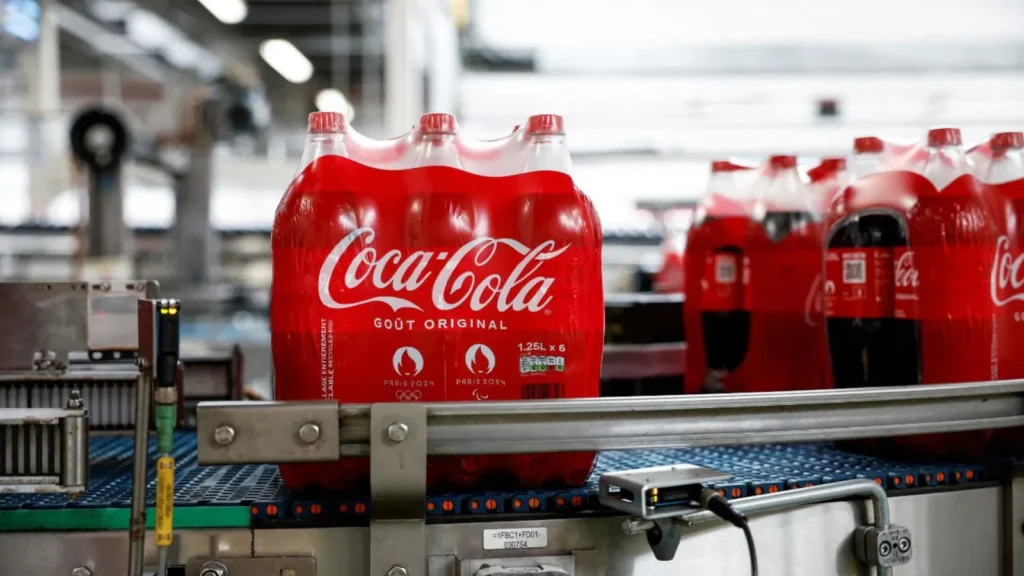
Coca-Cola uses Direct Store Delivery to supply retail and convenience stores through its bottler network. The process is hands-on and built for speed.
- An account manager visits each store to review sales, check displays, and place replenishment orders.
- Within 48 hours, a driver delivers the products and restocks the shelves.
- The team rotates inventory, refills coolers, and keeps displays ready for shoppers.
This model helps Coca-Cola keep beverages fresh, reduce stockout risk during busy periods, and maintain steady availability. Coca-Cola also uses point-of-sale scan data to predict demand and adjust delivery schedules, making replenishment faster and more cost-effective.
What logistics teams can replicate: use store-level demand signals to determine delivery frequency, prioritize high-risk stores, and route field teams around real replenishment needs rather than static schedules.
2. Mondelez Uses DSD to Boost Merchandising and Speed Launches
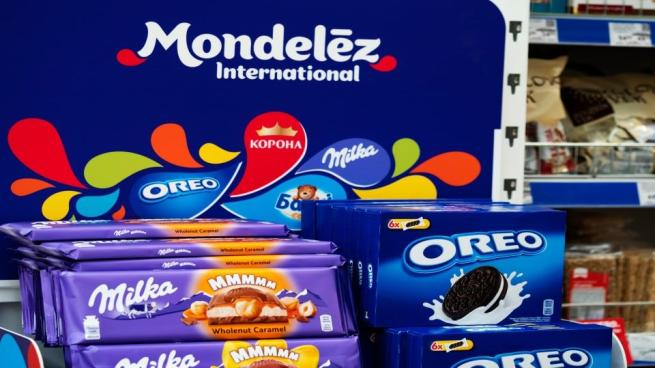
Mondelez International uses DSD for its U.S. biscuit brands, including Oreo, Chips Ahoy!, and belVita. The company treats DSD as an advantage in categories where freshness, visibility, and rapid restocking influence sales.
Through DSD, Mondelez teams:
- Deliver products directly to stores instead of using warehouse distributors.
- Manage displays and shelf space to maintain brand visibility.
- Launch new products quickly by controlling placement and timing.
- Support retailers with stronger merchandising and fewer delivery delays.
This approach gives Mondelez tighter control over its retail presence and a faster response to shopper demand, which is harder to achieve through warehouse-led networks.
What logistics teams can replicate: align sales routes, delivery routes, and merchandising tasks so product launches and promotions are executed at the shelf, not just shipped to the store.
3. Kraft Foods South Africa Uses DSD to Boost Stock Availability and Sales
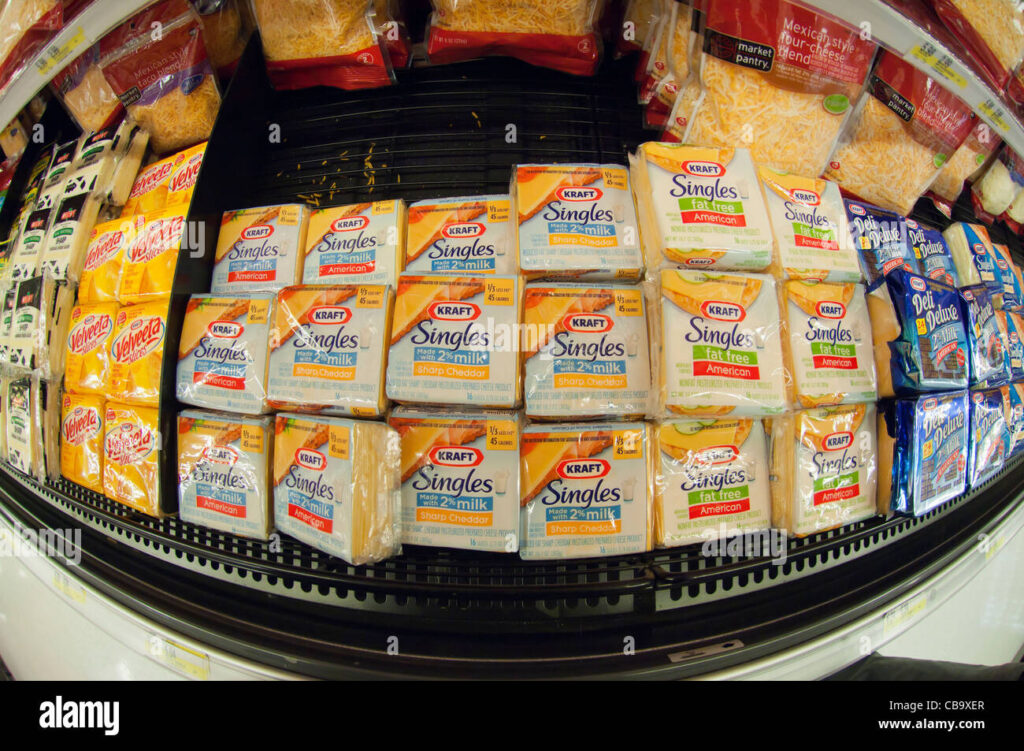
Kraft Foods South Africa adopted DSD to serve smaller retail outlets more efficiently. The company introduced a mobile “cash van” model that allowed sales reps to sell and replenish stock directly from their vehicles.
Through DSD, Kraft Foods South Africa:
- Shifted from a paper-based process to mobile sales and delivery tracking.
- Used DSD vans to top up smaller stores, keeping products continuously available.
- Reduced the time for placing promotional orders from 45 minutes to 45 seconds.
- Improved call planning and compliance accuracy from around 50% to over 75%.
- Achieved a 400% increase in sales performance within the first year of implementation.
This model was effective for high-frequency categories such as gum and confectionery, showing how DSD can improve visibility, speed, and retail-level sales execution.
What logistics teams can replicate: digitize van sales, order capture, payments, returns, and call planning to improve field productivity and reduce administrative delays.
4. Frito-Lay Uses DSD to Deliver Fresh Products and Manage Displays
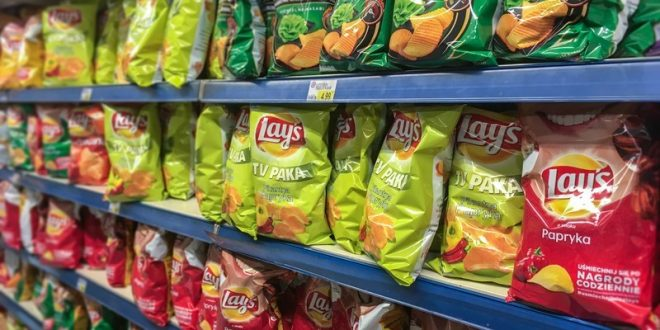
Frito-Lay runs the largest Direct Store Delivery network in North America. This helps brands like Lay’s, Doritos, and Cheetos reFrito-Lay runs the largest Direct Store Delivery network in North America. This helps brands such as Lay’s, Doritos, and Cheetos reach stores quickly and stay fresh. Instead of using wholesalers, the company delivers directly to retailers and manages merchandising in-house.
Through DSD, Frito-Lay:
- Operates nearly 15,000 routes with over 500,000 weekly store visits.
- Serves about 315,000 retail customers across North America.
- Uses its own teams to stock shelves, rotate products, and maintain displays.
- Keeps products fresh by managing the final leg of delivery.
This model gives Frito-Lay strong visibility from factory to shelf. It helps maintain quality, accelerate restocking, and build stronger retailer partnerships.
What logistics teams can replicate: use route-level performance data to balance visit frequency, delivery productivity, shelf execution, and cost-to-serve across large store networks.
5. Bimbo Bakeries Uses AI to Improve DSD Forecasting and Route Efficiency
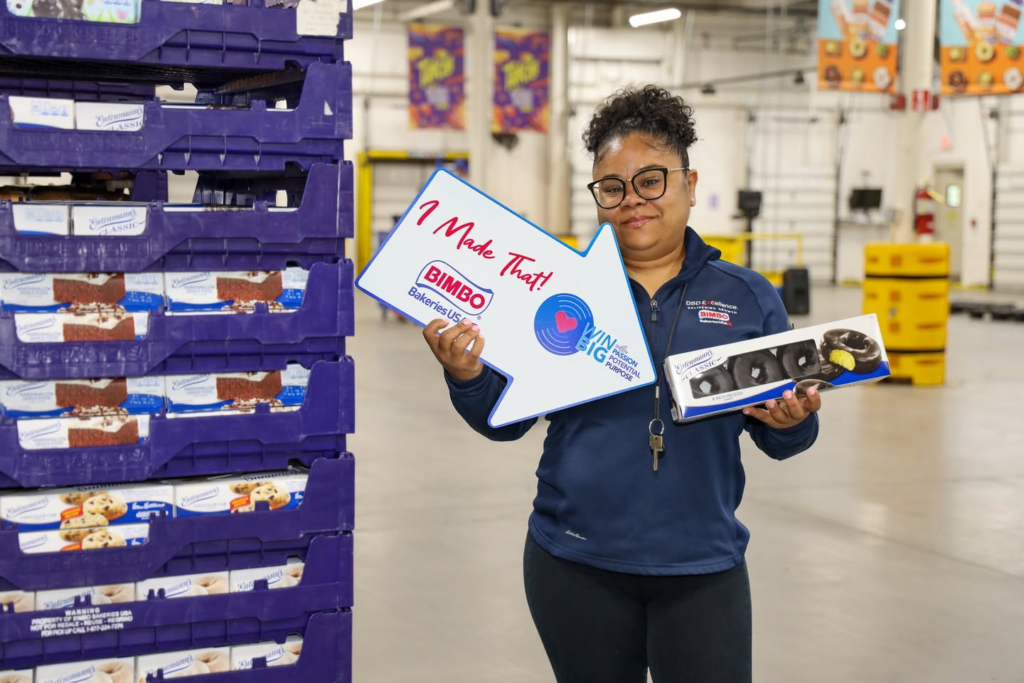
Bimbo Bakeries, one of the world’s largest baked goods producers, has modernized its Direct Store Delivery operations with AI Bimbo Bakeries, one of the world’s largest baked goods producers, has modernized its Direct Store Delivery operations with AI and advanced data tools. The company uses predictive analytics to improve forecast accuracy by 30% and adapt replenishment to demand patterns.
Through AI-enabled DSD, Bimbo Bakeries:
- Analyzes historical sales, weather, and market trends to predict daily demand.
- Uses real-time inventory and depletion data to schedule restocks more precisely.
- Optimizes delivery routes for time, distance, and traffic conditions.
- Improves freshness and reduces returns by keeping shelves replenished as needed.
This data-driven approach makes its delivery network more agile and cost-efficient, aligning production and logistics more closely with in-store demand. It also reflects the broader role of AI in supply chain decision-making, where forecasting, routing, and execution data work together.
What logistics teams can replicate: combine demand forecasting with route optimization so production, loading, dispatch, and store replenishment decisions are made from the same demand signals.
6. British American Tobacco Uses DSD to Digitize Global Field Sales and Delivery
BBritish American Tobacco (BAT) modernized its Direct Store Delivery operations under the Petra — Performance Transformation — program. The goal was to digitize every stage of its store sales and merchandising process.
Through its DSD transformation, BAT:
- Implemented the Ivy Mobile app with Salesforce CRM and SAP to manage sales, orders, and deliveries in real time.
- Enabled reps to complete the full DSD cycle on one platform, covering order taking, invoicing, delivery, returns, and payment collection.
- Rolled out the solution in Poland, Brazil, South Africa, Mexico, Chile, and Argentina.
- Added features such as credit checks, automated pricing, and return tracking to improve speed and accuracy.
- Supported both direct and indirect order models with regional workflows.
This digital upgrade improved field sales visibility, reduced processing delays, and strengthened retailer relationships across BAT’s global network.
What logistics teams can replicate: integrate CRM, ERP, mobile workflows, and delivery execution so sales, fulfillment, invoicing, returns, and payments are managed as one operational loop.
7. AB InBev Uses DSD to Improve Delivery Accuracy and Field Productivity
Anheuser-Busch InBev, one of the world’s largest brewers, uses Direct Store Delivery to improve delivery accuracy, invoicing, and field productivity across its global network.
In partnership with Spring Wireless, the company introduced a mobile enterprise platform for its DSD and field sales teams. The system integrates with SAP R3 and runs on Motorola MC70 handheld devices.
Through this system, AB InBev:
- Digitized the full DSD cycle, covering order dispatching, truck loading, delivery, pickup, payment, returns, and depot unloading.
- Equipped 4,500 field users in Brazil and 500 in Belgium with mobile tools connected to central systems in real time.
- Cut picking and inventory counting time by 30%.
- Improved driver productivity by 10%, adding one extra delivery stop per day.
- Increased sales by 9% as drivers sold additional products during deliveries.
- Reduced days sales outstanding from 45 to 39 days through automated invoicing and payment capture.
This mobile DSD system gave AB InBev real-time visibility, faster cash flow, and higher customer satisfaction. It also set a clear benchmark for DSD efficiency in the beverage industry.
What logistics teams can replicate: connect dispatch, loading, field delivery, returns, and payment capture to reduce working-capital delays and improve driver productivity.
DSD Examples Summary Table
| Company | Industry | Key Benefits | Technology Focus | What Others Can Replicate |
| Coca-Cola | Beverages | Freshness, rapid restocking, shelf availability | POS data integration | Use store-level demand data to prioritize replenishment and protect availability |
| Mondelez | Biscuits and snacks | Merchandising control, faster product launches | DSD-led field execution | Align delivery, sales, and merchandising workflows |
| Kraft Foods South Africa | Confectionery and FMCG | Stock availability, faster promotional ordering, sales uplift | Mobile cash van model | Digitize van sales, call planning, order capture, and field compliance |
| Frito-Lay | Snacks | Scale, freshness, merchandising control | Route execution at scale | Optimize visit frequency, route productivity, and shelf execution |
| Bimbo Bakeries | Baked goods | Better forecasting, freshness, waste reduction | AI-powered analytics | Link demand forecasting with route optimization and replenishment planning |
| British American Tobacco | Tobacco | Field visibility, faster processing, retailer relationship management | Mobile app, Salesforce CRM, SAP | Integrate CRM, ERP, ordering, delivery, returns, and payments |
| AB InBev | Beverages | Productivity, cash flow, delivery accuracy | Mobile enterprise platform | Digitize the full DSD cycle from dispatch to payment capture |
More Direct Store Delivery Examples Across CPG and Retail
The seven examples above show how DSD works in beverages, snacks, bakery, confectionery, tobacco, and beer. The next three examples broaden the view across larger CPG portfolios, emerging retail channels, and temperature-sensitive distribution.
8. PepsiCo Uses DSD to Support High-Velocity Snacks and Beverages
PepsiCo is a useful enterprise example because its portfolio spans high-velocity categories where store-level availability, merchandising, promotion execution, and replenishment speed directly influence sales. Its Frito-Lay operations demonstrate DSD at scale for snacks, while broader PepsiCo route-to-market execution shows how large CPG organisations often use a mix of direct delivery, bottler/distributor networks, and retailer-led distribution depending on product, market, and channel.
In DSD-led environments, PepsiCo-style operations typically require:
- Frequent store visits for fast-moving SKUs.
- Route planning across supermarkets, convenience stores, petrol forecourts, and small-format retail.
- Shelf replenishment, display checks, and rotation of short-shelf-life products.
- POS and field sales signals to adjust order quantities and visit frequency.
- Mobile workflows for delivery confirmation, returns, credits, and store-level execution.
What logistics teams can replicate: large CPG portfolios should avoid treating all stores and SKUs the same. Segment routes by store density, product velocity, service time, promotional priority, and delivery frequency. This helps planners protect high-value shelf availability without inflating cost-to-serve across the full network.
9. Unilever Uses DSD and Route-to-Market Models for Emerging Retail Channels
Unilever’s portfolio includes personal care, home care, foods, and refreshment categories sold across modern trade, traditional trade, distributors, wholesalers, and emerging retail channels. In markets with fragmented retail, DSD and DSD-adjacent route-to-market models can help consumer goods companies reach smaller outlets more consistently, manage in-store visibility, and improve replenishment discipline.
For enterprise teams, a Unilever-style DSD model is especially relevant where:
- Small stores require frequent but low-volume replenishment.
- Distributor and field sales execution need tighter coordination.
- Promotions must be activated across thousands of outlets.
- Sales reps, merchandisers, and drivers need a shared view of store-level tasks.
- Personal care, home care, and food SKUs require different visit frequencies and service rules.
What logistics teams can replicate: build route-to-market flexibility. Not every store needs the same delivery model. Some outlets may be served directly, some through distributors, and some through hybrid routes combining sales visits, merchandising checks, and replenishment drops. The operating advantage comes from orchestration: one planning layer that can allocate the right route, fleet, rep, and service cadence to each outlet.
10. Regional DSD Example: Cold Chain, Dairy, or Personal Care Distribution
A regional dairy, chilled beverage, or personal care distributor often faces a different DSD challenge from large global beverage and snack companies. The network may include independent grocers, pharmacies, convenience stores, small supermarkets, and regional chains, each with different receiving windows and service requirements.
For dairy and cold-chain products, the DSD workflow must protect both availability and product condition. Vehicles may need refrigerated compartments or cold storage units, while drivers must validate temperature, delivery time, and product acceptance at each stop. For personal care and household categories, the focus may be more on promotion compliance, assortment availability, and channel-specific replenishment.
A regional DSD operation typically needs to manage:
- Temperature-sensitive loading and vehicle assignment.
- Store-specific receiving windows and unloading constraints.
- Short shelf-life inventory rotation.
- Returns for expired, damaged, or unsold goods.
- Proof of delivery and proof of condition.
- Route optimisation that limits time outside temperature-controlled environments.
- Different service frequencies for modern trade, traditional trade, and convenience retail.
What logistics teams can replicate: regional DSD teams should design routes around product handling rules as well as distance. Cold-chain routes, promotional routes, and standard replenishment routes each need different planning logic, vehicle constraints, and proof workflows.
Expanded DSD Examples Summary Table
| Company or Example | Industry | Key Benefits | Technology Focus | What Others Can Replicate |
| PepsiCo | Snacks, beverages, and CPG | High-velocity replenishment, portfolio-level routing, retail execution | POS signals, field execution tools, route-to-market planning | Segment SKUs and stores by velocity, service priority, and delivery economics |
| Unilever | Personal care, home care, foods, and emerging retail | Wider outlet reach, route-to-market flexibility, promotion execution | Mobile field workflows, distributor coordination, CRM/ERP alignment | Match the delivery model to outlet type, channel maturity, and service requirement |
| Regional cold-chain, dairy, or personal care distributor | Dairy, chilled goods, personal care, regional retail | Product condition control, freshness, store-level replenishment | Cold storage units, IoT monitoring, proof of condition, route optimisation | Plan routes around temperature, handling, returns, and store receiving constraints |
Key KPIs to Track in a Direct Store Delivery Program
DSD performance should be measured across service, shelf impact, productivity, cost, and execution quality. A route can be technically completed and still fail commercially if shelves are empty, invoices are disputed, returns are not captured, or the stop is too expensive to serve.
| KPI | What It Measures | Why It Matters for DSD | How to Use It |
| On-time delivery | Percentage of stops completed within the agreed delivery or receiving window | Protects retailer trust, reduces waiting time, and improves route reliability | Track by route, driver, store format, depot, and region |
| Fill rate | Percentage of ordered quantity delivered successfully | Shows whether DSD is meeting actual replenishment demand | Identify supply constraints, picking errors, load planning issues, or demand forecast gaps |
| Out-of-stock rate | Percentage of store visits or SKUs where product is unavailable on shelf | Connects logistics execution to lost sales risk | Use POS, field checks, or shelf audits to adjust replenishment frequency |
| Delivery cost per stop | Total delivery cost divided by completed stops | Reveals whether route economics are sustainable | Compare by territory, store density, vehicle type, and delivery frequency |
| Route adherence | Degree to which drivers follow planned route sequence and schedule | Indicates planning quality and field compliance | Monitor deviations, missed stops, dwell time, and unplanned detours |
| Shelf availability | Percentage of target SKUs available on the shelf during store checks | Measures the commercial impact of DSD beyond delivery completion | Link merchandising checks with replenishment and sales outcomes |
| Returns rate | Percentage of delivered units or value returned | Highlights freshness, overstocking, damage, or demand planning issues | Track by SKU, store, route, and return reason code |
| Cost-to-serve | Total cost required to serve a store, route, customer segment, or SKU group | Determines whether DSD is profitable at a granular level | Use to decide which SKUs, stores, and geographies should remain in DSD versus centralised distribution |
| Proof-of-delivery completion | Percentage of stops with complete digital delivery evidence | Reduces disputes and strengthens financial reconciliation | Require signatures, scans, photos, timestamps, and geotags where appropriate |
| Invoice and payment accuracy | Percentage of invoices, credits, and payments completed without dispute | Improves cash flow and reduces back-office effort | Connect field capture with ERP posting and exception workflows |
For enterprise DSD teams, the highest-value insight comes from connecting these KPIs. For example, a route with strong on-time performance but poor fill rate may indicate upstream supply issues. A route with high shelf availability but excessive cost per stop may need frequency redesign. A route with strong sales but high returns may need better demand forecasting or freshness control.
Best Practices for Implementing Direct Store Delivery at Enterprise Scale
Enterprise DSD programmes succeed when strategy, field execution, data, and route optimisation are designed together. The goal is not simply to deliver directly to stores; it is to create a repeatable operating model that improves availability, lowers execution risk, and gives leaders visibility into cost-to-serve.
Use these implementation steps as a practical framework:
- Segment SKUs by DSD suitability: Classify products by velocity, shelf life, margin, handling requirement, promotional importance, and replenishment frequency. Keep DSD for SKUs where direct control creates measurable value.
- Segment stores by service requirement: Group outlets by channel, store size, sales potential, receiving window, delivery restrictions, and merchandising needs.
- Define visit frequency scientifically: Avoid fixed historical routes where possible. Use sales velocity, POS data, stockout risk, promotion calendars, and store capacity to determine how often each outlet should be visited.
- Integrate ERP, OMS, CRM, POS, and mobile field tools: Connect order capture, pricing, dispatch, inventory, proof of delivery, invoicing, returns, credits, and payment status across systems.
- Digitise field workflows: Replace paper-based processes with mobile task lists, scanning, photo proof, digital signatures, returns capture, and exception reporting.
- Optimise routes continuously: Use route optimisation to balance delivery windows, capacity, service time, traffic, territory design, product constraints, and driver availability.
- Design exception management before scaling: Define workflows for late arrivals, refused deliveries, stock shortages, credit holds, damaged goods, temperature excursions, and failed payment capture.
- Monitor KPIs at route, store, SKU, and region level: Track service, cost, shelf availability, route adherence, returns, and productivity in one performance view.
- Create governance between sales, logistics, finance, and customer service: DSD touches ordering, delivery, merchandising, invoicing, payment, returns, and retailer relationships. Cross-functional ownership prevents fragmented decision-making.
- Pilot, learn, and scale by market cluster: Start with a representative region or SKU group, validate route economics and field workflows, then scale with standard operating procedures and automation.
For large CPG and FMCG companies, the biggest improvement often comes from replacing static route traditions with data-led orchestration. Store demand, vehicle capacity, sales priorities, and service constraints change constantly. DSD planning needs to change with them.
How Locus Improves Direct Store Delivery for FMCG Leaders
Locus helps CPG and FMCG companies move beyond manual, error-prone DSD planning. Many enterprises still depend on spreadsheets, static territories, paper-based field workflows, and fragmented visibility. That limits route productivity, on-time delivery, store coverage, and cost-to-serve control.
Locus modernizes DSD by digitizing how field teams plan visits, assign routes, execute deliveries, capture proof, and monitor performance across regions.
Unlike traditional point solutions, Locus supports:
- AI-powered dispatch planning for assigning the right orders, vehicles, and reps to the right routes.
- Route optimization across time windows, store density, service times, capacity, traffic, and delivery priorities.
- Real-time analytics and control tower visibility for SLA adherence, route deviation, ETA tracking, and exception management.
- End-to-end visibility from warehouse to shelf across owned fleets, third-party fleets, and distributed field teams.
- Integration with ERP, OMS, WMS, CRM, and field sales systems to close the loop between orders, dispatch, delivery, returns, and invoicing.
- Proven results: 12% higher coverage and 20% shorter routes.
In the case study _“How Can FMCG Players Use Sales Reps More Effectively”, one of India’s biggest consumer goods companies used Locus technology to improve field operations and reduce route inefficiency. By automating route planning and daily sales routes, the company improved operational discipline across its retail network.
As a result:
- Service coverage increased by 12%.
- Route lengths became 20% shorter.
- The total number of routes needed dropped by 11%.
Locus planned daily sales routes and assigned reps more efficiently by analyzing location, store type, and sales data. With live tracking and a unified dashboard, managers could monitor rep activity, delivery timing, route adherence, and exceptions in real time.
For a DSD or route-to-market operation, this matters because every missed visit, inefficient route, and delayed replenishment affects shelf availability and cost-to-serve. With automated planning, retailers receive stock on time, sales reps spend more time in stores rather than on the road, and managers can improve future visits using performance data rather than assumptions.
Building a Smarter Future for Direct Store Delivery with Locus
Direct Store Delivery now goes beyond basic restocking. In 2026, it is about precision, visibility, control, and execution discipline — the same capabilities leading FMCG brands are building into their sales and distribution networks.
The Locus logistics platform helps teams:
- Create delivery routes quickly and accurately.
- Assign fleets based on capacity, location, availability, and service requirements.
- Monitor deliveries, ETAs, and route adherence in real time.
- Track field performance and intervene when delays, missed stops, or SLA risks occur.
- Analyze route data to reduce distance, save fuel, improve utilization, and control cost per stop.
- Improve store coverage without increasing planning headcount in the same proportion.
With Locus, companies move beyond manual planning and build a connected, scalable delivery network ready for new markets, higher order volumes, and tighter retailer expectations.
? Build a more reliable store delivery network
Discover how stronger last-mile management improves field visibility, delivery accuracy, and performance across direct store delivery operations.
See how your delivery network could run with this level of control and insight. Book your demo to understand how intelligent dispatch and visibility tools can strengthen your next phase of growth..
Frequently Asked Questions (FAQs)
1. What are direct store delivery examples?
Direct store delivery examples include beverages, snack foods, bakery items, bottled water, beer, wine, dairy, confectionery, and ready-to-drink products. Brand examples include Coca-Cola using DSD through its bottler network, Frito-Lay managing snack replenishment through a large North American DSD network, Bimbo Bakeries using AI-enabled forecasting for bakery distribution, and AB InBev digitizing DSD workflows for field teams.
2. What industries benefit most from Direct Store Delivery (DSD)?
Industries such as beverages, snacks, bakery, dairy, confectionery, tobacco, personal care, and other fast-moving consumer goods rely heavily on DSD. It is best suited to products that need frequent replenishment, freshness control, direct retail engagement, or strong merchandising execution.
3. Why is DSD used for beverages and snacks?
Beverages and snacks are high-velocity consumer goods that often need frequent replenishment, strong shelf visibility, and rapid promotional execution. DSD helps suppliers deliver directly to stores, reduce stockout risk, rotate inventory, refill displays, and support in-store merchandising more effectively than warehouse-led distribution.
4. How does DSD improve retail visibility?
DSD gives manufacturers direct insight into store-level inventory, sales, merchandising, returns, and delivery performance. This helps teams adjust replenishment frequency, reduce stockouts, improve on-shelf availability, and respond faster to retail demand without relying only on third-party distribution centers.
5. Is Direct Store Delivery suitable for eCommerce operations?
Yes. Many brands blend DSD with micro-fulfillment, local hub models, or hybrid retail networks to serve both retail shelves and online orders from nearby inventory points. This can improve delivery speed, freshness, and local availability, particularly for high-velocity products and FMCG distribution across ecommerce and modern trade.
6. What are the key challenges in managing DSD logistics?
Common challenges include route complexity, high delivery frequency, limited real-time tracking, store receiving constraints, returns management, and rising cost per stop. Overcoming these requires intelligent dispatch management, route optimization, mobile field workflows, and reliable performance analytics.
7. How can AI-powered platforms like Locus enhance DSD operations?
Platforms such as Locus automate dispatch planning, optimize routes, track deliveries in real time, and provide visibility into SLA adherence, route productivity, and field execution. This helps brands manage large-scale DSD networks with lower planning effort, better reliability, and stronger cost-to-serve control.
8. What is the step-by-step process of direct store delivery?
The DSD process involves: 1) order planning and demand forecasting, 2) route optimization using AI systems, 3) product loading at manufacturing facilities or hubs, 4) direct delivery to retail locations, 5) merchandising and shelf management, 6) proof of delivery, invoicing, returns, and data capture, and 7) performance analysis for continuous improvement.
9. What are the main differences between direct store delivery and centralized distribution?
DSD delivers products directly from the manufacturer, depot, or distributor to the store, typically within 24-48 hours. Centralized distribution routes products through warehouses or retailer distribution centers and typically takes 3-7 days. DSD offers higher merchandising control and freshness, but it is more operationally complex and usually has a higher per-unit delivery cost.
10. When is direct store delivery the best choice?
Direct store delivery is usually the best choice for perishable, fragile, high-velocity, or promotion-driven products that need rapid delivery, special handling, or direct shelf execution. It is also useful when companies need tighter inventory control, stronger chain-of-custody visibility, daily fresh deliveries, or closer retailer relationships.
11. What KPIs should companies track for DSD?
Companies should track on-time delivery, fill rate, out-of-stock rate, delivery cost per stop, route adherence, shelf availability, returns rate, cost-to-serve, proof-of-delivery completion, and invoice or payment accuracy. These KPIs show whether DSD is improving both logistics performance and commercial outcomes.
12. When should a company avoid DSD?
A company should avoid DSD when products are slow-moving, delivery drops are too small or dispersed, centralised distribution already meets service requirements, merchandising control is not critical, or cost-to-serve is higher than the expected sales and availability benefit. In these cases, centralised distribution or a hybrid model may be more efficient.
13. What technology is needed to run DSD at scale?
Enterprise DSD usually requires mobile DSD apps, handheld scanners, RFID or barcode workflows, POS data feeds, ERP and OMS integration, CRM integration, telematics, IoT sensors, cold storage units for temperature-sensitive categories, route optimisation, dispatch planning, and control tower visibility. The technology stack should connect order planning, delivery execution, invoicing, returns, proof of delivery, and performance analytics.


Blog
Retail Replenishment: Process, Strategies, KPIs, and Delivery Execution

Sep 23, 2026
Key Takeaways In today’s fast-paced retail world, efficient shelf replenishment is crucial. Maintaining well-stocked shelves goes beyond convenience; it’s key to customer satisfaction, streamlined operations, and profitability. We’ll look at four strategies to optimize shelf replenishment, reducing stockouts, improving inventory management, cutting waste, and boosting productivity. Whether you run a boutique or a supermarket chain, […]
Read more
General
10 Best Direct Store Delivery Software in 2026

Sep 23, 2026
Discover the best direct store delivery system software for 2025. Read detailed reviews and learn why Locus leads the list.
Read moreInsights Worth Your Time




















Direct Store Delivery Examples: Real-World Applications