


Retail & CPG
Why Change Management Matters in Retail Logistics


Key Takeaways
- Effective change management is crucial for retail technology adoption, with companies implementing strong change management being six times more likely to meet project objectives on time and within budget.
- Fear of job obsolescence and training challenges across diverse workforce demographics are major barriers to technology adoption in retail, requiring proactive leadership and comprehensive training programs.
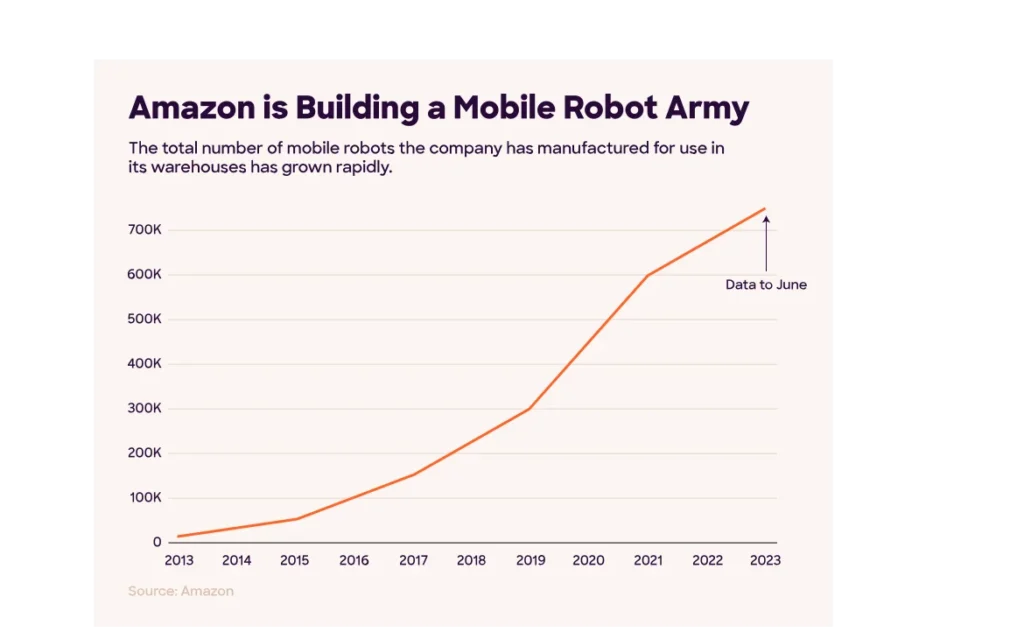
- Major retailers like Walmart and Amazon demonstrate successful digital transformation through systematic implementation of AI-powered inventory management and robotics, growing warehouse automation from 10,000 to 750,000 robots in a decade.
- Locus’s AI-driven dispatch management system enables dynamic routing, intelligent slot management, and real-time tracking to help retailers overcome technology adoption challenges while improving delivery efficiency and customer experience.
Technology adoption is a must for ensuring competitiveness in retail. As companies scale up, it enables efficiency at scale, reduces costs and provides superior customer experiences.
However, simply adopting technology is not enough. It needs to be effectively used by the workforce to see real-time benefits on the ground. Often there is a lot of resistance to its adoption by those on the ground over multiple factors.
This is where change management is crucial for businesses to get the most out of their investments in the quickest possible time. According to a study by Prosci, companies with effective change management are six times more likely to meet project objectives on time and on budget.
Companies like Target and Walmart are strong adopters of technology and are leveraging it to cut down cost while also enabling smooth changing management. However, most retailers are not fully leveraging technology in supply chain and logistics operations—areas ripe for savings but often bogged down by outdated tech and strategies.
Technology in Retail: A Game Changer
Think about the last major disruptor in retail—online shopping. Now, artificial intelligence is on track to take its title. Routing, tracking, capacity, customer experience, etc. all these operations require digital transformation to evolve and deliver stellar performance.
How Technology Drives Retail Success:
- Route Optimization: Gone are the days of static routing. AI introduces dynamic routing that adapts to real-world constraints, paving the way for faster and more cost-effective delivery paths, ensuring new benchmarks for on-time delivery.
- Intelligent Slot Management: Today’s consumers don’t just want quick deliveries—they want to choose when their purchases arrive, and they also want the flexibility of rescheduling these in case of unseen circumstances.
Legacy systems struggle with this, but AI-driven dispatch management systems use advanced capacity and routing algorithms are able to prioritize ad hoc orders of customers that have paid additional cost for faster delivery all while making sure existing SLAs aren’t compromised.
An intelligent slot management is also capable of clubbing forward and reverse logistics by assigning return order to vehicles that have space to accommodate return shipment and creates routes to pick up without hampering delivery SLAs. - Enhanced Order Tracking: When it comes to building trust with customers, transparency is key. Consumers expect to see where their order is at any moment, not just get a call when it’s about to arrive. Advanced Dispatch Management Systems offer real-time tracking updates and precise ETAs, lifting customer experience to new heights.
- Streamlining Hub Operations: Warehousing is a major cost center—think massive spaces, high-tech equipment, and extensive staffing needs. AI can streamline these operations by automating tasks like sorting and loading.
In the process, an intelligent hub operation system reduces both errors and overheads by planning, sorting and loading orders based on pin or zip code, and order type. This not only mitigates errors while shipping but also speeds up delivery. - Empowering Delivery Drivers with Smart Apps: Lastly, consider the delivery drivers—the unsung heroes of retail. Most are equipped with little more than their vehicle. Imagine instead of arming them with smart apps that manage daily tasks, track progress, and even handle route deviations and proof of delivery!
The role of technology in retail is now more pivotal than ever due to its various applicability and artificial intelligence is at the core of it.
Change Management a Roadblock for Retail Tech Adoption
Change management in any large organization is a pain point, and it’s especially challenging in industries like retail. Why? It’s the largest private-sector employer in the US, boasting a workforce of 55 million and contributing a whopping $5.3 trillion to the country’s GDP every year, according to the National Retail Federation.
Now, let’s zoom out. Imagine the global scale—companies like Target and Walmart employing 400,000 and 2.1 million people worldwide, respectively. Both of these giants are strong technology adopters as mentioned above. However, their competition is still lagging behind due to challenging change management. Let’s look at why that is:
- Fear of change: The rise of AI has been both revolutionary and intimidating. It’s so groundbreaking that many employees fear their roles may become obsolete. This fear can stymie tech adoption, unless leadership steps up to reframe these changes positively, educating teams on how tech can enhance their roles and drive value in new avenues.
- Training Challenges: When new tech rolls out, not everyone can keep up. This is especially true in retail, where the workforce spans from tech-savvy white-collar workers to blue-collar employees who may have limited tech experience. The complexity of new systems can lead some departments to resist tech upgrades altogether. Retailers need to get proactive about training, particularly for their blue-collar workforce, to ensure everyone’s on board.
Three Reasons Change Management is Critical for Innovation in Retail:
- Facilitates Smooth Adoption of Tech: Good change management ensures that new technologies are integrated seamlessly, reducing resistance and increasing the chances of success. It involves all stakeholders, aligning their expectations and securing their buy-in.
After successfully adopting technology, the workforce can also start contributing on a higher level rather than just doing repetitive tasks. This will likely help with process improvement and the upskilling of employees to drive value for the business in new areas. - Cultivates a Culture of Innovation: Effective change management encourages continuous improvement and openness to new ideas. This is crucial for keeping pace in the fast-evolving retail market, helping identify and mitigate risks associated with new technologies.
- Boosts Organizational Agility: With solid change management, companies become more agile, quickly adapting to new market demands and tech advancements. This agility is key to fostering an environment where innovation thrives, and employees feel safe to experiment and propose new ideas.
Examples of Effective Change: How Change Management Fueled Logistics Innovations
Walmart’s Digital Transformation
Take Walmart as an example. They’ve been pioneers in integrating digital technology into their operations. By adopting advanced inventory management systems that connect with stores, fulfillment centers, and suppliers, Walmart ensures that products are always available where and when customers need them.
But it doesn’t stop there. Walmart implements predictive analytics that adapt to real-time changes in demand. This proactive approach allows Walmart to maintain optimal stock levels, reducing shortages and overstock.
Furthermore, Walmart’s AI-enhanced systems optimize last-mile delivery, matching drivers with orders efficiently and balancing speed with cost. The result? Faster delivery times and improved customer experiences.
Amazon’s Robotic Revolution
Amazon’s integration of Kiva robots in its warehouses is a standout example of innovation driven by change management. The project involved comprehensive employee training, phased implementation to minimize disruption, and continuous feedback loops to refine processes. The outcome? Between 2013 and 2023, the cumulative number of robots made by Amazon grew from 10,000 to 750,000, thereby also seeing a sharp increase in warehouse productivity and presumably, safety.
Leaning into Change
The digital transformation journey in retail is ongoing, with exciting possibilities on the horizon. For those ready to embrace change and lead with innovation, the future is ripe with opportunities to redefine retail standards and deliver exceptional value to customers. The real question now is how quickly and effectively you can adapt to stay competitive in the retail market.
Technology does play a key role, but its technology adoption lies in addressing the human side of change. Retailers must invest in training, foster a culture of innovation, and maintain open communication to alleviate fears and build trust among their workforce.
By integrating cutting-edge technologies like AI into logistics and supply chain management, enterprises like Walmart are significantly cutting down logistics costs, improving employee productivity and experience while boosting customers’ experience. Businesses can take a cue from the technology adoption and change management practices of these early adopters to achieve new benchmarks of growth, and foster deeper trust and engagement with customers.
If you feel that Locus can help you ramp up your retail game, book a demo to start your journey to success.
Frequently Asked Questions (FAQs)
What is the importance of change management in retail logistics?
Change management is crucial for retailers to fully leverage technology investments and drive real benefits from digital transformation initiatives. Effective change management ensures smooth adoption of new technologies, reduces resistance from the workforce, and aligns expectations across stakeholders. It facilitates a seamless integration of innovations like AI, route optimization, and intelligent slot management systems, enabling retailers to cut costs, boost productivity, and deliver superior customer experiences.
Why do retail employees often resist adopting new technologies?
There are a few key reasons retail employees may resist adopting new technologies: 1) Fear that AI and automation could make their roles obsolete. 2) Challenges with training, especially for the blue-collar workforce who may have limited tech experience. 3) General discomfort with change and unfamiliarity with new, complex systems. Overcoming these hurdles through effective change management is critical for successful tech implementation.
How does change management cultivate a culture of innovation in retail?
Effective change management encourages continuous improvement and openness to new ideas within an organization. It helps identify and mitigate risks associated with adopting new technologies. This cultivates a culture where innovation thrives, employees feel safe to experiment and propose new solutions, and the company can quickly adapt to evolving market demands and technological advancements.
What are some examples of effective change management driving logistics innovations?
Walmart’s digital transformation showcases effective change management enabling logistics innovations. They adopted AI-powered inventory management, predictive analytics, and last-mile delivery optimization – facilitating real-time demand adaptations, optimal stock levels, and faster deliveries. Amazon’s integration of warehouse robots through phased training and feedback loops is another prime example of change management fueling productivity gains.
How can Locus’s solutions help retailers overcome change management challenges?
Locus’s AI-powered solutions like route optimization, intelligent slot management, and real-time tracking can drive significant efficiency gains in retail logistics. However, effective change management is key to successful adoption. Locus partners closely with retailers to provide comprehensive training, foster a culture of continuous improvement, and maintain open communication – alleviating fears, building trust, and ensuring the workforce is equipped to leverage these cutting-edge technologies for transformative business impact.


Transportation Management System
Reimagining TMS in SouthEast Asia

Jul 9, 2024
Key Takeaways Whether it is Indonesia, Vietnam, Thailand or the Philippines, reimagining the Transportation Management Platform (TMS) is crucial for businesses in Southeast Asia due to the region’s unique and complex logistics challenges. With diverse geographical landscapes, dense urban areas that make for more greater traffic on the roads, and varied infrastructure quality that can […]
Read more
Logistics Software
Top 10 Retail Logistics Software Companies in Saudi Arabia
Jul 11, 2024
Want to know the top ten retail logistics software companies in Saudi Arabia that your enterprise can partner with for logistics? Read More!
Read moreInsights Worth Your Time




















Why Change Management Matters in Retail Logistics