


General
7 Best Enterprise Multicarrier Parcel Management Solutions in 2026

Retailers, CPG brands, and 3PLs ship thousands of parcels every day. Each shipment requires choosing the right carrier based on cost, delivery speed, and service commitments. When these decisions happen across different carrier systems, it becomes harder to control shipping costs and maintain consistent delivery performance.
Multicarrier parcel management solutions solve this by bringing carrier rate comparison, service selection, label generation, and shipment tracking into one system.
In this guide, we compare Locus, FarEye, ProShip, nShift, Enveyo, ShipStation, and Easyship, and explain what enterprises should evaluate when choosing a multicarrier parcel management solution in 2026.
Why enterprises need multicarrier parcel management solutions
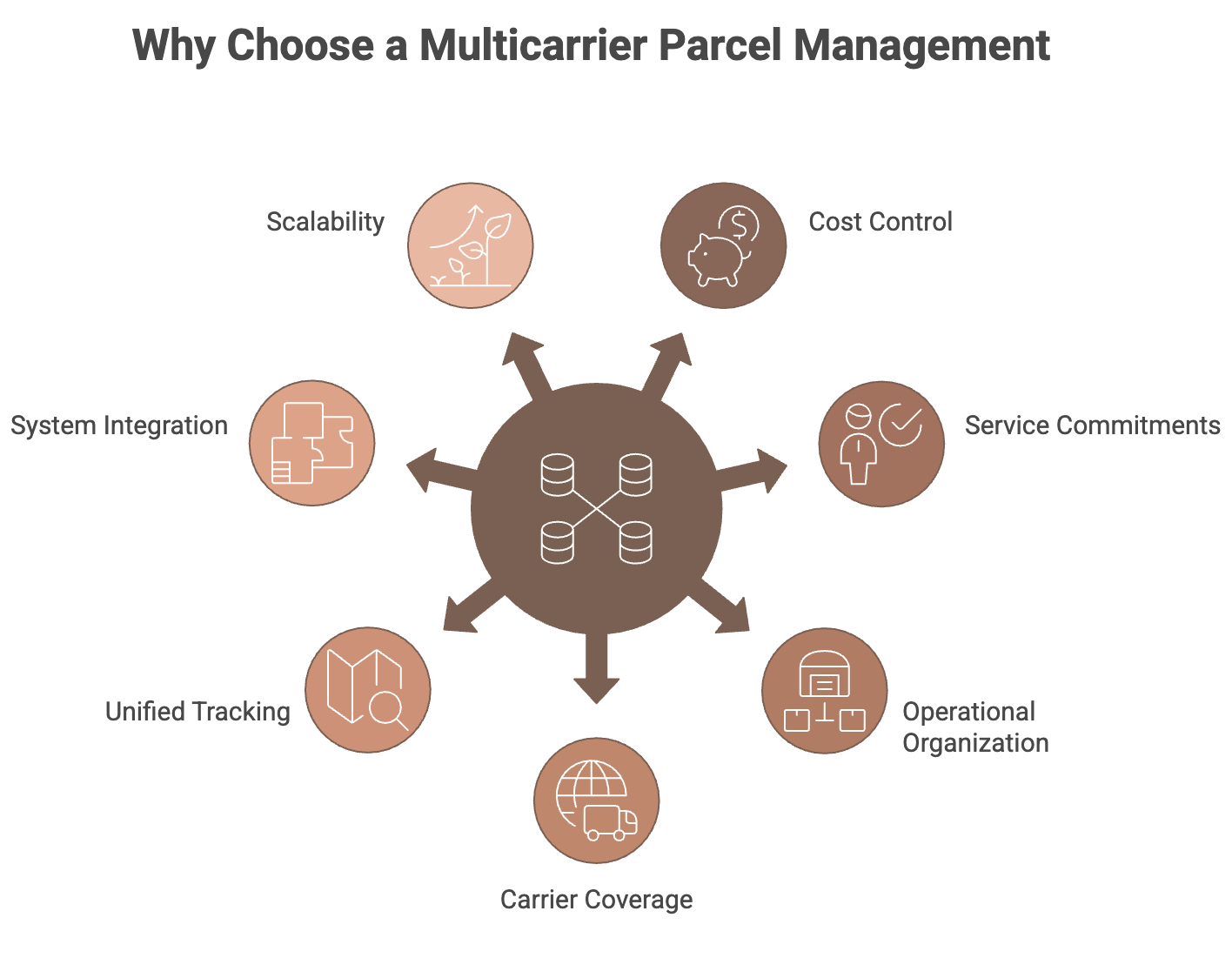
Multicarrier parcel management solutions do more than connect multiple carriers in one system. They allow teams to compare shipping rates, apply consistent carrier selection rules, generate labels, and track shipments across different providers.
For retailers, CPG brands, and 3PLs managing thousands of parcels daily, this helps control shipping costs, maintain service commitments, and keep parcel operations organized as volumes grow.
What Enterprises Typically Look For
- Carrier rate comparison and selection: Compare rates and delivery options across multiple carriers; choose services based on cost, delivery time, destination, and SLA commitments.
- Broad carrier coverage: Support for national, regional, and last-mile carriers; ability to onboard new carriers as shipping networks expand.
- Unified shipment tracking: Track parcels across carriers from one dashboard; monitor shipment status and identify delays early.
- Integration with operational systems: Connect with order management, warehouse management, and delivery systems to keep shipping decisions aligned with fulfillment workflows.
- Scalability for high parcel volumes: Handle growing shipment volumes and peak periods without adding complexity.
Benefits of using multicarrier parcel management solutions
Here is what enterprises gain by implementing multicarrier parcel management software:
- Better control over parcel shipping costs across different carriers
- More reliable delivery performance across regions and service levels
- Flexibility to add new carriers or change carrier strategies as shipping needs change
- Clear visibility into shipments without checking multiple carrier systems
- A more consistent delivery experience for customers
- The ability to handle higher parcel volumes without adding manual work
Best Multicarrier Parcel Management Solutions for Enterprises in 2026
Several platforms help enterprises manage parcel shipping across multiple carriers while maintaining cost control and delivery performance. Below are some of the leading multicarrier parcel management solutions used by logistics teams.
| Software | Best For | Key Features | Pricing |
|---|---|---|---|
| Locus | Enterprise logistics orchestration across parcel and last-mile delivery | AI-based carrier selectionRoute optimizationReal-time shipment visibilityCarrier integrationsControl tower analytics | Custom enterprise pricing |
| FarEye | Last-mile visibility and customer delivery experience | Multi-carrier orchestrationDelivery trackingCustomer communication toolsWorkflow automation | Custom pricing |
| ProShip | High-volume enterprise shipping and carrier rate engines | Advanced rate shoppingCarrier compliance toolsHigh-volume shipping APIsEnterprise integrations | Custom pricing |
| nShift | European parcel networks and e-commerce logistics | Broad European carrier networkDelivery trackingReturns managementE-commerce integrations | Custom pricing |
| Enveyo | Parcel analytics and carrier cost optimization | Parcel rate intelligenceCarrier performance analyticsShipping data insightsAPI integrations | Custom pricing |
| ShipStation | Mid-market and growing e-commerce operations | Multi-carrier shipping toolsLabel generationMarketplace integrationsShipping automation | Plans start around $9.99/month |
| Easyship | Cross-border e-commerce shipping | Global carrier accessDuties and tax calculationsShipping rate comparisonE-commerce integrations | Free tier + paid plans |
1. Locus
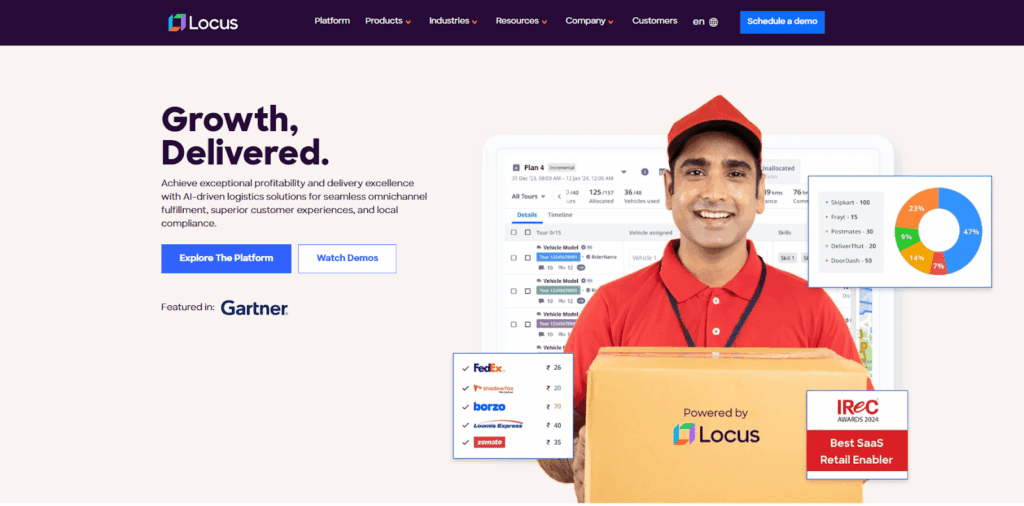
If your parcel operations involve multiple carriers, fulfillment locations, and last-mile partners, managing them through separate tools can quickly become difficult. Locus brings these decisions into one platform so logistics teams can manage carrier selection, dispatch, and delivery visibility together.
Locus provides multicarrier parcel management through ShipFlex, a dynamic carrier allocation engine that selects the most suitable carrier for each shipment based on operational rules and delivery requirements.
Unlike basic multi-carrier shipping tools designed for small online stores, it is built for enterprise logistics networks. Retailers, CPG brands, distributors, and 3PL providers use it to coordinate high-volume shipments across multiple carriers while maintaining cost control and delivery performance.
The platform combines multicarrier parcel management with route planning, dispatch management, and real-time delivery visibility, helping enterprises manage parcel shipping as part of their broader transportation operations.
With centralized carrier integrations and automated decision rules, logistics teams can compare carrier options, assign shipments, and track deliveries without switching between multiple systems.
Key Features of Locus
- Expand your market with minimal investment: ShipFlex allows enterprises to scale delivery operations without investing in additional fleet capacity or negotiating multiple carrier contracts.
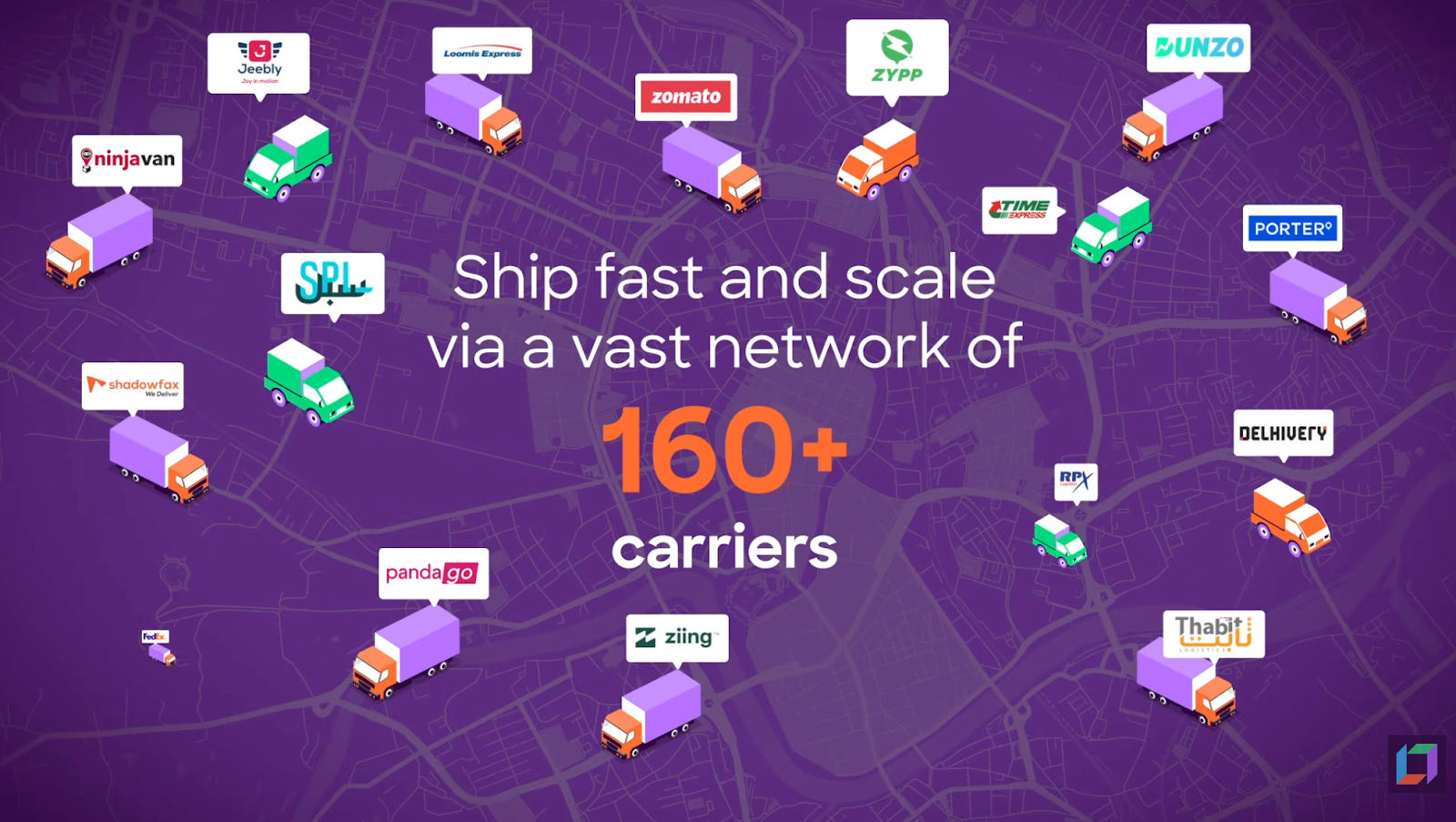
By connecting to an extensive network of third-party carriers, logistics teams can expand into new regions and handle higher parcel volumes while maintaining control over cost and delivery performance.
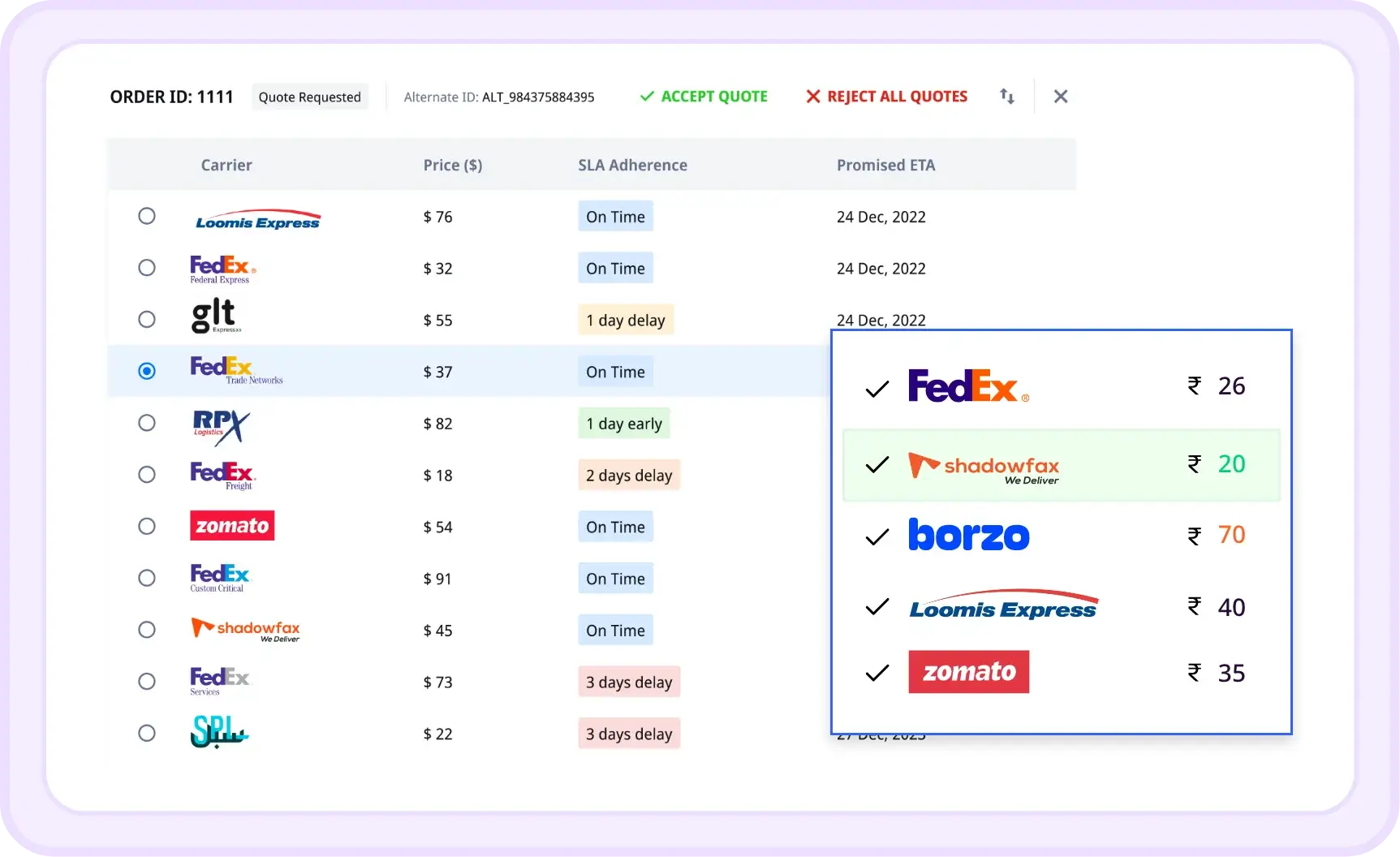
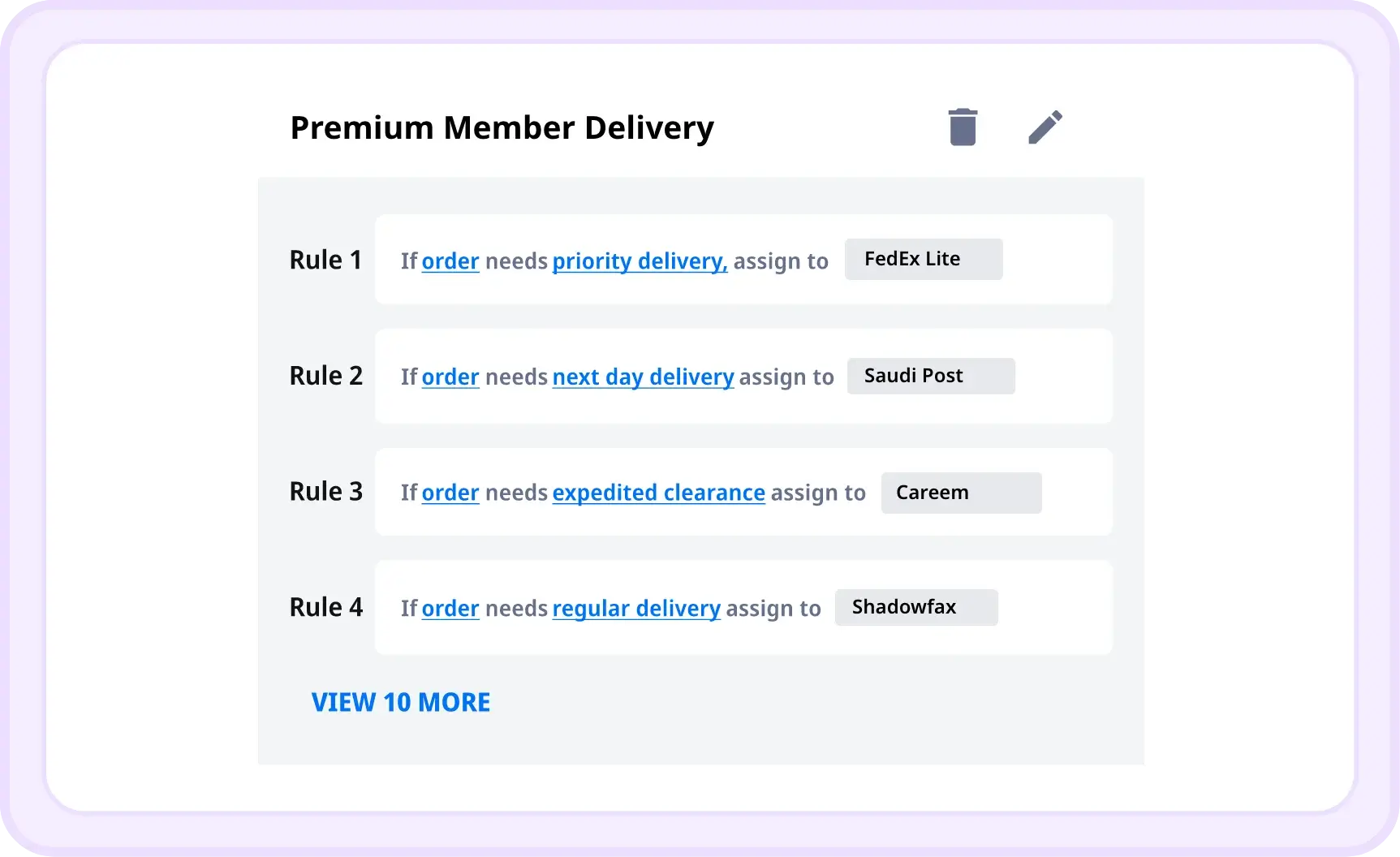
- Automated carrier selection: Set rules based on cost, delivery time, shipment type, or service commitments so ShipFlex automatically selects the most suitable carrier for each order.
- Route planning and dispatch management: Optimize delivery routes and manage driver assignments alongside parcel carrier shipments within the same platform.
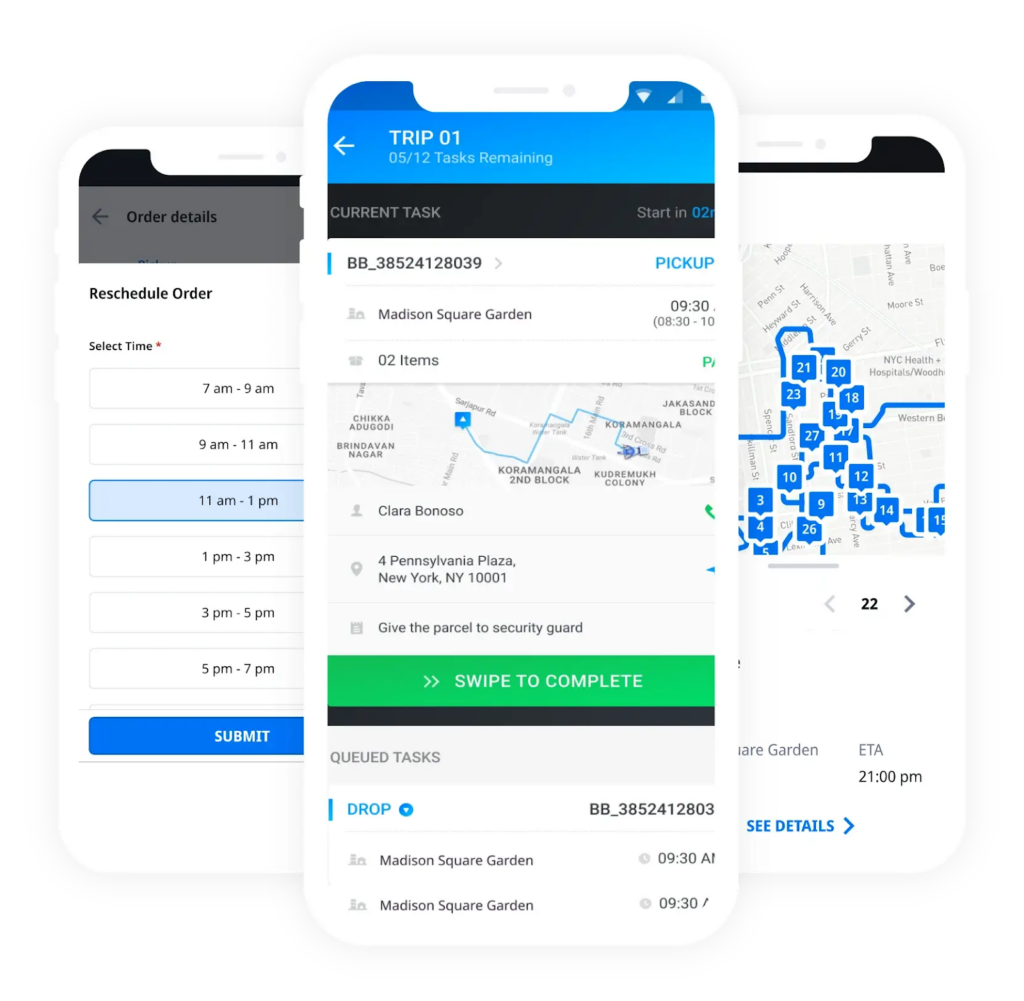
- Real-time shipment visibility: Track deliveries across carriers and fleets through a centralized control tower dashboard for end-to-end operational visibility.
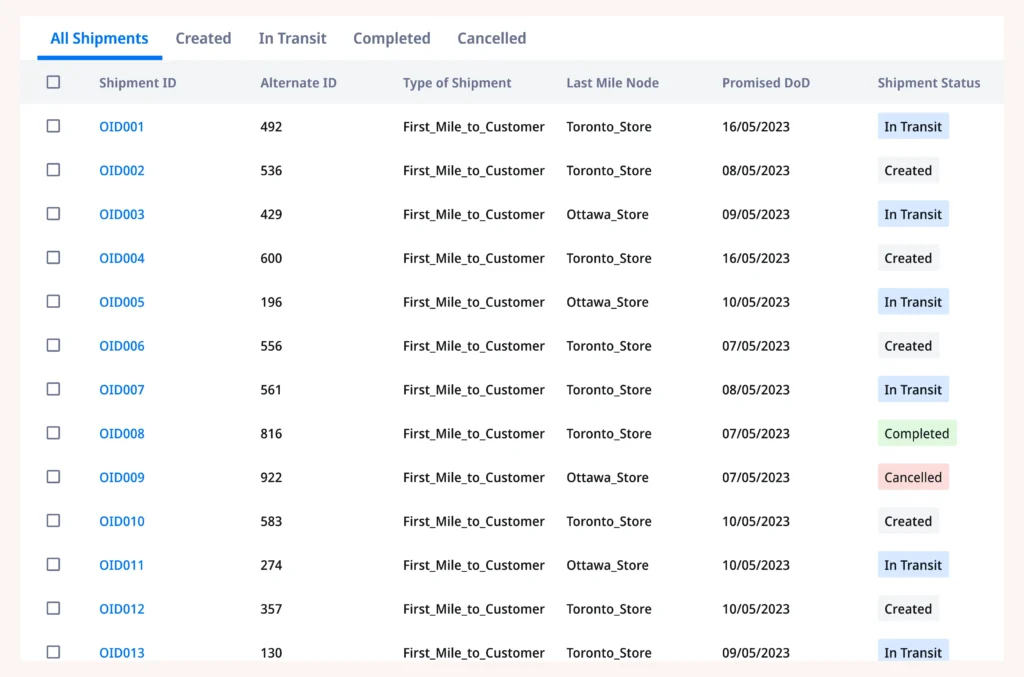
- Carrier integrations: Connect with multiple carrier partners and logistics systems while maintaining consistent shipment workflows across your shipping network.
What Locus Does Well
- Handles complex enterprise logistics networks and high parcel volumes with dynamic carrier allocation through ShipFlex
- Combines multicarrier parcel management with dispatch planning and last-mile orchestration in one platform
- Provides real-time visibility across shipments, carriers, and delivery operations
See Locus Multicarrier Parcel Management in Action
This video demonstrates how ShipFlex manages carrier allocation across multiple shipping partners while maintaining operational oversight, shipment visibility, and consistent delivery execution across enterprise logistics networks.
Locus Cons
Designed for enterprise operations, so it may be what more than smaller e-commerce teams require
Locus Pricing
Locus offers enterprise pricing based on factors such as shipment volumes, number of delivery locations, carrier integrations, and deployment scope. Since implementations often vary by logistics network and operational complexity, pricing is typically customized after a consultation with the Locus team.
Enterprises can request a demo to evaluate the platform and receive a tailored pricing estimate.
Locus Is Best for
Retailers, CPG companies, distributors, and 3PL providers managing large parcel volumes across multiple carriers and delivery networks.
2. FarEye
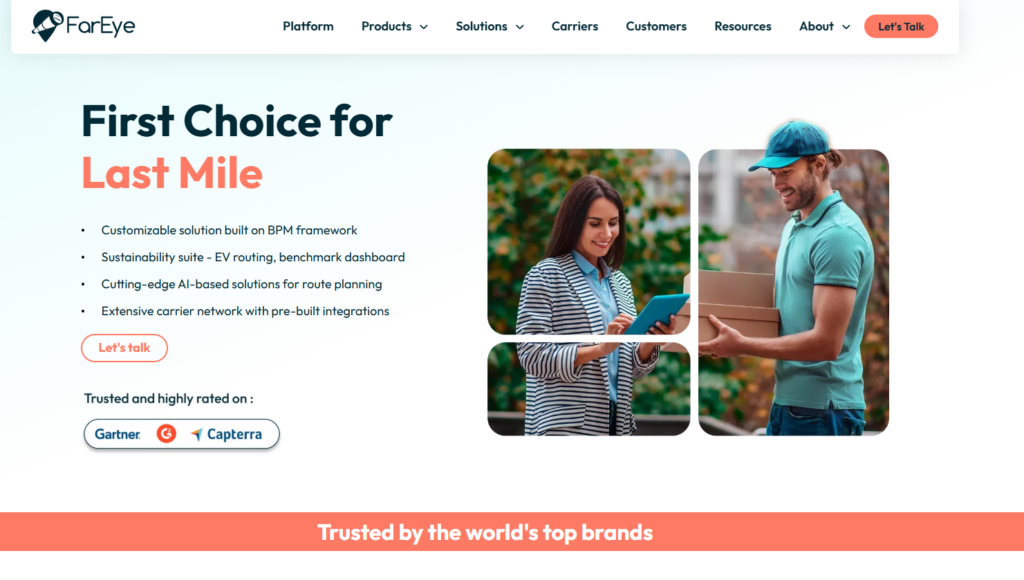
If your parcel operations depend heavily on last-mile delivery performance and customer communication, FarEye focuses on improving visibility and coordination across deliveries. The platform helps logistics teams manage parcel shipments, carrier partners, and delivery workflows from one system.
FarEye supports multicarrier parcel management by connecting enterprises with multiple courier partners while providing real-time delivery tracking and workflow automation. Retailers, CEP providers, and e-commerce businesses often use FarEye to improve delivery coordination and customer experience across high-volume shipping operations.
The platform also includes delivery planning tools, real-time tracking, and customer notification systems that help logistics teams maintain delivery performance while managing complex carrier networks.
Key Features of FarEye
- Multicarrier delivery management: Connect with multiple parcel carriers and manage shipments through one system while maintaining visibility across delivery operations.
- Delivery visibility and tracking: Track shipments in real time and monitor delivery progress across different carrier partners.
- Customer communication tools: Provide delivery updates, notifications, and tracking links to customers throughout the fulfillment journey.
- Workflow automation: Automate delivery workflows such as dispatch planning, delivery status updates, and issue resolution.
- Delivery performance analytics: Monitor carrier performance and delivery metrics to improve service reliability over time.
What FarEye Does Well
- Strong focus on delivery visibility and customer communication
- Supports complex delivery workflows across multiple carrier partners
- Provides real-time insights into delivery performance
FarEye Cons
- Some features may require customization during implementation
- May be more complex than basic shipping tools for smaller teams
FarEye Pricing
FarEye typically offers enterprise pricing based on shipment volume, delivery regions, and platform deployment requirements. Companies usually request a consultation or demo to receive customized pricing.
FarEye Is Best for
Retailers, CEP providers, and logistics companies that prioritize delivery visibility and customer experience across large shipment volumes.
3. ProShip

ProShip is an enterprise shipping platform designed to help organizations manage parcel shipping across multiple carriers. It is commonly used by retailers, manufacturers, and distribution centers that process large shipment volumes and need reliable carrier integrations.
The platform connects warehouse management systems and order management platforms with carrier networks. This allows logistics teams to compare carrier services, generate shipping labels, and process shipments without switching between multiple carrier systems.
ProShip primarily focuses on the parcel shipping layer of logistics operations. It helps enterprises maintain carrier compliance, process large shipment volumes, and standardize shipping workflows across fulfillment locations.
Key Features of ProShip
- Multi-carrier parcel shipping: Connect enterprise shipping operations to multiple parcel carriers while generating labels and selecting services from one platform.
- Carrier rate shopping: Compare carrier services and shipping rates before selecting the most suitable option for each shipment.
- Carrier compliance tools: Ensure shipments meet carrier labeling rules, routing requirements, and documentation standards.
- Enterprise system integrations: Integrate with warehouse management systems, order management systems, and enterprise resource planning platforms.
- High-volume shipment processing: Support large shipping volumes across distribution centers and fulfillment networks.
What ProShip Does Well
- Handles high shipment volumes across distribution centers
- Strong carrier compliance and labeling capabilities
- Integrates well with enterprise warehouse and order management systems
ProShip Cons
- Focuses mainly on parcel shipping rather than broader delivery orchestration
- Limited built-in last-mile delivery management capabilities
ProShip Pricing
ProShip offers enterprise pricing based on shipping volume, deployment scale, and system integration requirements. Pricing details are typically provided after consultation with the ProShip team.
ProShip Is Best for
Enterprises managing high-volume parcel shipping from warehouses and distribution centers, especially those requiring strong carrier compliance and integration with warehouse systems.
4. nShift
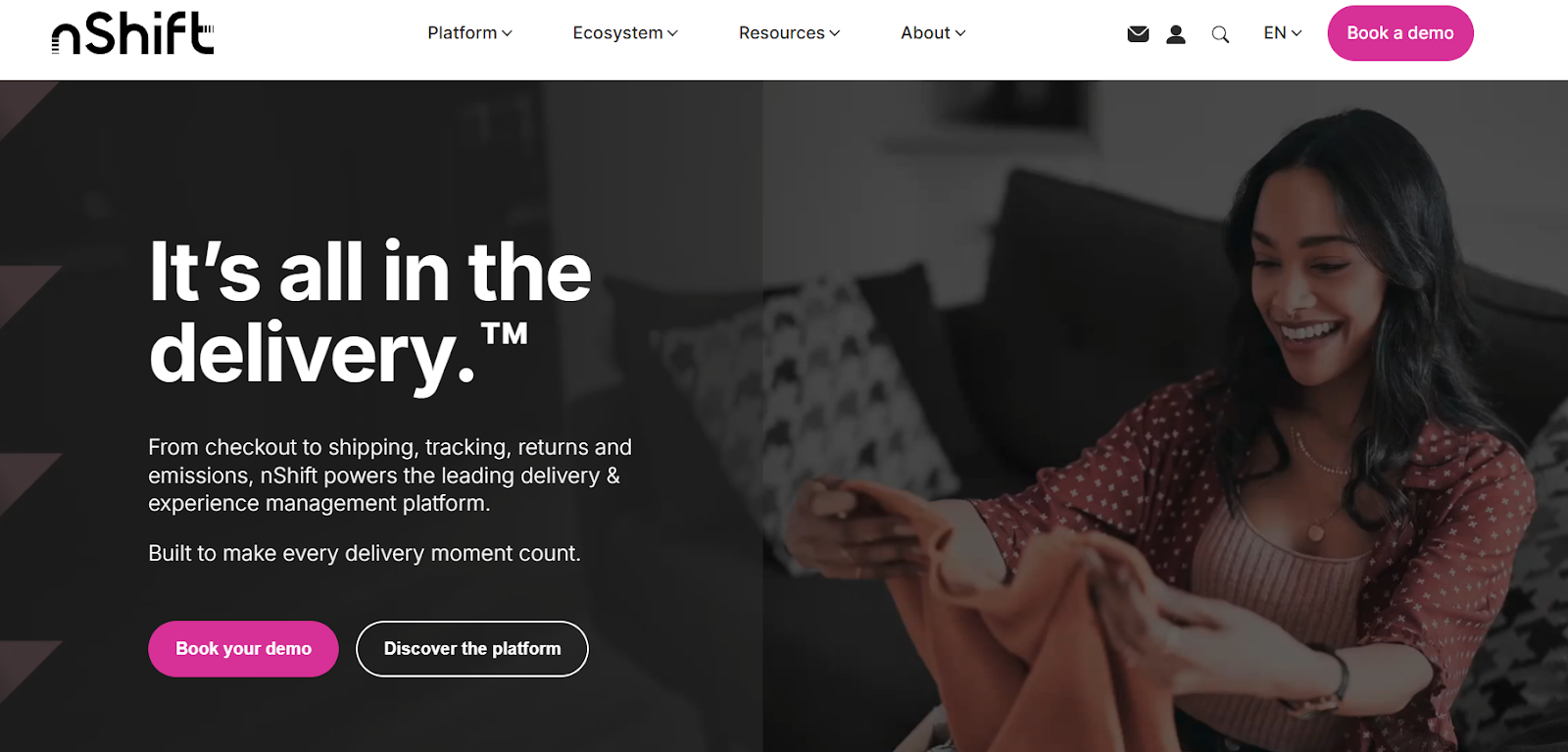
nShift is a delivery and multicarrier shipping platform widely used by retailers, e-commerce companies, and logistics providers across Europe. The platform helps businesses connect with a large network of parcel carriers while managing shipping, tracking, and returns from one system.
nShift supports multicarrier parcel management by allowing logistics teams to compare delivery services, generate shipping labels, and track shipments across different carriers. It is commonly used by companies that ship across multiple European markets and need consistent shipping workflows across regions.
The platform also includes tools for delivery tracking, returns management, and carrier performance insights, helping businesses manage parcel shipping while maintaining visibility into delivery operations.
Key Features of nShift
- Multicarrier shipping network: Connect with a wide network of parcel carriers across Europe while managing shipments from a single platform.
- Carrier service comparison: Compare delivery services and choose the most suitable carrier for each shipment.
- Shipping label generation: Generate carrier-compliant shipping labels directly from the platform.
- Delivery tracking and notifications: Track shipments across carriers and send delivery updates to customers.
- Returns management tools: Manage product returns and reverse logistics through automated return workflows.
What nShift Does Well
- Strong carrier coverage across European parcel networks
- Provides delivery tracking and returns management tools
- Supports cross-border shipping across European markets
nShift Cons
- Primarily focused on European carrier networks
- May require additional systems for advanced logistics orchestration
nShift Pricing
nShift offers enterprise pricing based on shipment volumes, carrier integrations, and platform modules used. Pricing details are typically available through consultation.
nShift Is Best for
Retailers, e-commerce companies, and logistics providers shipping across European markets with multiple parcel carriers.
5. Enveyo
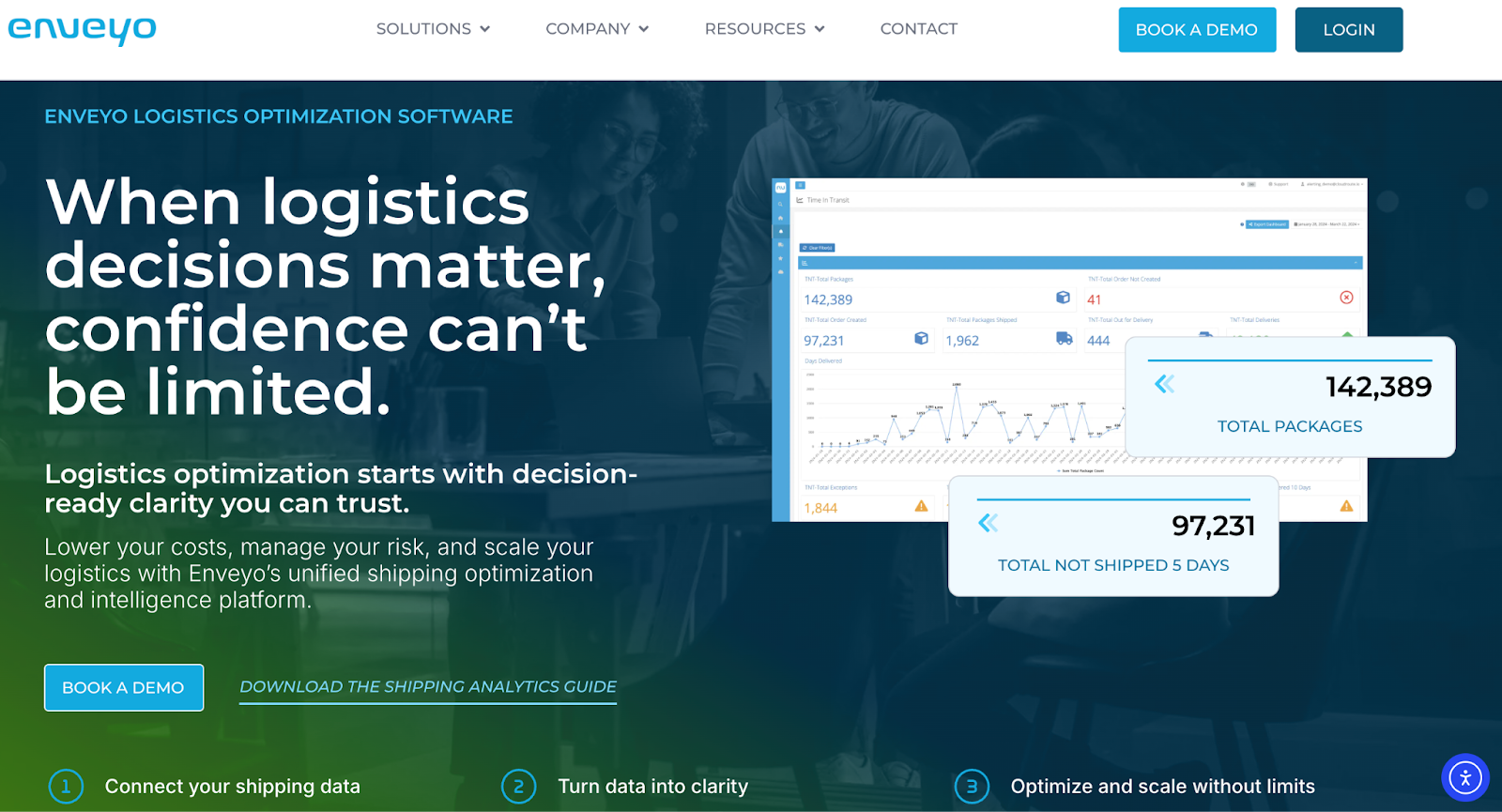
Enveyo is a parcel shipping and analytics platform designed to help enterprises manage multicarrier parcel operations while gaining deeper visibility into shipping costs and carrier performance.
The platform connects with multiple parcel carriers and logistics systems, allowing enterprises to compare carrier services, generate shipping labels, and monitor shipments across their network. In addition to multicarrier shipping management, Enveyo focuses heavily on parcel analytics and operational insights.
Many retailers, manufacturers, and logistics providers use Enveyo to understand shipping spend, evaluate carrier performance, and optimize parcel strategies across fulfillment networks.
Key Features of Enveyo
- Multicarrier parcel shipping: Manage parcel shipments across multiple carriers while generating labels and selecting carrier services from one platform.
- Parcel analytics and insights: Analyze shipping costs, carrier performance, and delivery metrics to improve parcel strategies.
- Carrier rate comparison: Compare carrier rates and service options to select the most suitable shipping option.
- Shipping data visibility: Monitor parcel shipping activity and performance across fulfillment networks.
- Enterprise integrations: Connect with warehouse management systems, order management platforms, and other logistics tools.
What Enveyo Does Well
- Provides strong parcel analytics and shipping cost insights
- Supports multicarrier shipping operations across enterprise logistics networks
- Helps enterprises evaluate carrier performance and optimize shipping strategies
Enveyo Cons
- Less focused on last-mile orchestration compared to full delivery management platforms
- Analytics capabilities may require data setup and integration work
Enveyo Pricing
Enveyo typically offers enterprise pricing based on shipping volume, analytics modules, and system integrations. Pricing details are provided after consultation.
Enveyo Is Best for
Enterprises that want strong parcel analytics and visibility into shipping costs and carrier performance.
6. Easyship
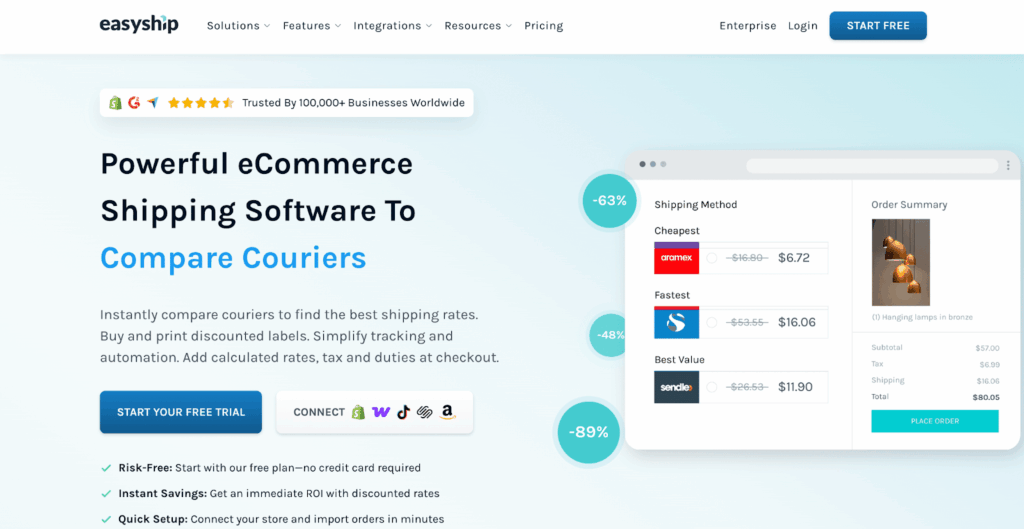
Easyship is a shipping platform designed to help businesses manage parcel shipments across multiple carriers while supporting international shipping workflows.
The platform connects with global courier services and allows businesses to compare shipping rates, generate labels, and manage shipments from one interface. Easyship is commonly used by e-commerce merchants that sell across multiple countries and need access to international carrier services.
Easyship also helps businesses calculate duties and taxes during checkout and provides tools to manage cross-border shipping requirements.
Key Features of Easyship
- Multicarrier shipping platform: Manage shipments across global carriers and compare delivery services from one platform.
- International shipping support: Calculate duties, taxes, and import fees for cross-border shipments.
- Shipping rate comparison: Compare courier services and shipping costs before selecting a carrier.
- E-commerce integrations: Connect with platforms such as Shopify, WooCommerce, and marketplaces.
- Shipment tracking: Track shipments across carriers and provide delivery updates to customers.
What Easyship Does Well
- Provides strong support for international shipping
- Offers easy rate comparison across global carriers
- Integrates well with e-commerce platforms
Easyship Cons
- Primarily designed for e-commerce merchants rather than enterprise logistics networks
- Limited capabilities for complex delivery orchestration
Easyship Pricing
Easyship offers a free plan with access to shipping services. Paid plans are available depending on shipping volume, additional features, and integrations.
Easyship Is Best for
E-commerce businesses that ship internationally that need access to multiple global courier services.
7. ShipStation
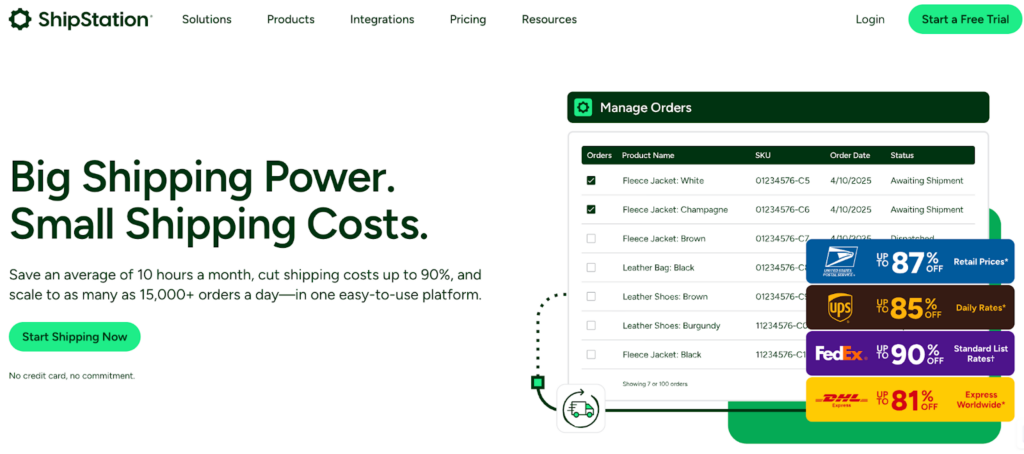
ShipStation is a multicarrier shipping platform widely used by online retailers to manage orders and shipments from a single dashboard. It connects e-commerce stores and marketplaces with multiple shipping carriers, allowing businesses to process orders, generate shipping labels, and track deliveries without switching between carrier systems.
The platform focuses on simplifying shipping operations for online sellers. Businesses can import orders from storefronts such as Shopify, Amazon, or WooCommerce, compare carrier services, and automate label creation based on order details. This helps teams process shipments faster while keeping shipping workflows organized.
ShipStation is typically used by growing e-commerce companies that need an easy way to manage multicarrier shipping without building custom shipping integrations.
Key Features of ShipStation
- Multicarrier shipping management: Manage shipments across multiple carriers while generating shipping labels and selecting delivery services.
- Marketplace and store integrations: Connect with platforms such as Shopify, WooCommerce, Amazon, and other e-commerce marketplaces.
- Shipping automation rules: Automate label creation and carrier selection based on order details, shipping destinations, or delivery preferences.
- Order management dashboard: Import and organize orders from multiple sales channels before processing shipments.
- Shipment tracking: Track shipments across carriers and share delivery updates with customers.
What ShipStation Does Well
- Easy to set up and use for e-commerce teams
- Strong integrations with online marketplaces and storefront platforms
- Helps businesses process shipping labels quickly
ShipStation Cons
- Designed mainly for e-commerce shipping rather than complex enterprise logistics networks
- Limited capabilities for dispatch planning or last-mile orchestration
ShipStation Pricing
ShipStation offers tiered subscription plans based on shipment volume and features. Pricing typically starts with lower monthly plans for smaller shipping volumes and increases as shipping activity grows.
ShipStation Is Best for
Small and mid-sized e-commerce businesses that need a simple way to manage multicarrier shipping across online stores and marketplaces.
| Platform Type | Tools | Typical Use Case |
|---|---|---|
| Enterprise logistics platforms | Locus, FarEye, ProShip, nShift, Enveyo | Used by retailers, CPG companies, distributors, and 3PLs managing large parcel volumes across multiple carriers and regions |
| SMB / e-commerce shipping tools | ShipStation, Easyship | Used by online sellers and growing e-commerce teams managing shipments across marketplaces and storefronts |
Checklist for Choosing the Right Multicarrier Parcel Management Solution
Before selecting a multicarrier parcel management platform, logistics teams should evaluate how well the solution fits their shipping network and operational requirements.
Use this checklist when comparing platforms:
- Does the platform support the carriers you currently use?
- Can it add new regional or last-mile carriers as your network expands?
- Does it allow automated carrier selection based on cost, delivery time, or service commitments?
- Can it integrate with your order management, warehouse management, or fulfillment systems?
- Does the platform provide real-time shipment tracking across carriers?
- Can it support your current shipment volumes and scale during peak periods?
- Does it provide visibility into shipping costs and delivery performance?
- Can logistics teams manage shipments without switching between multiple carrier systems?
Choosing the Right Multicarrier Parcel Management Solution
Choosing the right multicarrier parcel management solution depends on the scale and complexity of your shipping operations. Some organizations need simple tools for managing carrier labels and e-commerce shipments, while others require deeper integrations, automated carrier selection, and visibility across large delivery networks.
Platforms such as ProShip, nShift, and Enveyo focus on parcel shipping and carrier integrations, while tools like ShipStation and Easyship work well for growing e-commerce teams managing shipments across marketplaces.
If your logistics operations involve multiple carriers, fulfillment locations, and delivery partners, Locus provides multicarrier parcel management as part of an end-to-end logistics orchestration platform. With ShipFlex handling dynamic carrier selection and centralized visibility across shipments, enterprises can manage parcel operations more efficiently as volumes grow.
Explore how Locus can support your logistics operations by requesting a demo today.
Frequently Asked Questions (FAQs)
1. What is a multicarrier parcel management solution software?
Multicarrier parcel management solutions software enables enterprises to manage parcel shipping across multiple carriers within a single platform. It centralizes carrier rate shopping, parcel comparisons, label generation, parcel tracking, multi-carrier visibility, and SLA monitoring.
2. How do multicarrier shipping systems handle parcel rate shopping?
These systems compare contracted carrier rates in real time based on cost, speed, weight, zone, and SLA rules. Automated logic selects the optimal carrier per shipment, reducing manual intervention and improving cost control.
3. What integration capabilities should enterprises look for in multicarrier parcel management software?
Enterprise buyers should prioritize API-based integrations with OMS, WMS, ERP, eCommerce platforms, and delivery management systems. Integration depth determines how well multicarrier shipping management aligns with fulfillment and last-mile parcel management workflows.
4. How does multicarrier parcel management improve parcel tracking, multi-carrier, and customer experience?
By consolidating tracking data across carriers, enterprises gain real-time visibility and proactive exception alerts. This enables accurate customer communication, faster issue resolution, and consistent post-purchase transparency.
5. What are the best enterprise multicarrier parcel management software options for retail and e-commerce?
Leading options include enterprise platforms such as Locus, FarEye, ProShip, nShift, and analytics-focused solutions like Enveyo. SMB-focused tools like ShipStation and Easyship may suit smaller operations, but may not support enterprise complexity.


General
What Is a Carrier Operation Management Platform? Dispatch, Visibility, Exception Handling, and Analytics

Mar 10, 2026
A carrier operation management platform centralizes dispatch, real-time visibility, exception handling, and carrier analytics in one place. Here's how it works and why it matters.
Read more
General
Why Delivery Scheduling Is Essential for Supply Chain Success and Efficiency
Mar 12, 2026
Delivery scheduling improves fleet utilization. Learn how scheduling works and how logistics teams optimize delivery operations.
Read moreInsights Worth Your Time




















7 Best Enterprise Multicarrier Parcel Management Solutions in 2026