

Dispatch Management
What is Dispatch Software? Complete 2025 Guide


Key Takeaways
- Rising costs, delivery delays, and poor visibility challenge fleet operators in 2025.
- AI-powered dispatch software, such as Locus, automates job assignment and streamlines fleet operations.
- Fleet managers optimize routes with AI algorithms to cut fuel costs by up to 20%, reducing overall transportation expenses.
- Businesses leverage real-time tracking to provide accurate delivery updates, boosting customer satisfaction and minimizing delivery-related complaints.
- Integrate seamlessly with TMS and CRM systems, streamlining data flow and reducing manual errors to improve overall operational efficiency.
- Delivery providers enhance customer experience by offering precise route scheduling for faster deliveries and stronger customer loyalty.
Fleet operators in 2025 are facing growing challenges, including delivery delays, high operational costs, and limited visibility across the supply chain. For businesses managing complex logistics, such as retail and e-commerce, these problems are especially prevalent. They often ask questions like:
- How can I ensure timely deliveries?
- How can I optimize my routes to reduce costs?
The problem often stems from outdated, manual processes or legacy systems that cannot keep pace with today’s demand for speed and efficiency.
AI-powered dispatch software provides a clear solution, automating dispatching, optimizing routes, and offering real-time tracking all on one platform. By leveraging AI, businesses can enhance operational efficiency, improve decision-making, and ultimately meet customer expectations more effectively.
In this guide, we’ll explore what dispatch software is, its critical benefits for fleet operations, and how to solve these persistent challenges with intelligent automation. We’ll also highlight how an AI-driven solution such as Locus goes beyond traditional dispatch software by offering intelligent decision-making, real-time visibility, and automated dispatch optimization, ensuring you can scale operations smoothly and efficiently.
What is Dispatch Software?

Dispatch software is a powerful tool that helps businesses manage, assign, and optimize deliveries. It acts as the bridge between dispatchers, drivers, and customers by automating and streamlining the entire dispatching process. In essence, dispatch software helps businesses track and allocate resources in real-time, ensuring that deliveries are made on time and that resources are used efficiently.
The primary purpose of dispatch software is to automate manual tasks, including order assignments, route planning, and tracking. It is especially crucial for businesses in sectors such as retail, logistics, and e-commerce, where delays can result in dissatisfied customers and increased operational costs. Dispatch software replaces outdated, error-prone manual methods, like pen-and-paper scheduling or spreadsheets, with an intelligent, data-driven approach.
Some of the key features of dispatch software include:
- Route optimization: Ensure that drivers take the most efficient paths to reduce fuel costs and delivery times.
- Real-time tracking: Enable dispatchers and customers to track deliveries in real-time, enhancing visibility and communication.
- Automated dispatching: Automatically assign jobs to drivers based on availability, location, and vehicle capacity.
- Customer notifications: Send timely updates to customers about the status of their deliveries, improving satisfaction
- Analytics and reporting: Provide insights into delivery performance, enabling businesses to identify areas for improvement
Businesses can also benefit from integrations with other tools, such as warehouse management systems (WMS), transport management systems (TMS), and customer relationship management (CRM) platforms, creating a fully automated and optimized dispatching ecosystem.
Why Do You Need Dispatching Software?
In 2025, fleet operators face escalating challenges that demand immediate attention. Key pain points include:
- Rising operational costs: The Total Cost of Ownership (TCO) per mile for commercial fleets increased from $0.58 in 2016 to $0.67 in 2024.
- Delivery delays: Approximately 15% of shipments experienced delays in 2024, negatively impacting customer satisfaction and operational efficiency.
- Lack of real-time visibility: Despite advancements, many fleets still lack comprehensive real-time tracking capabilities, leading to inefficiencies and increased operational risks.
These persistent issues often stem from outdated manual processes, siloed systems, and a lack of integration across operations. Without a unified solution, businesses struggle to maintain efficiency, meet customer expectations, and control costs.
AI-powered dispatch software offers a transformative solution by automating dispatching, optimizing routes, and providing real-time tracking. The technology enables businesses to reduce fuel consumption, improve delivery times, and enhance customer satisfaction, all while lowering operational costs.
How Does Dispatch Software Work?
Dispatch software streamlines and automates the logistics process by integrating multiple functions into a single platform. The goal is to optimize every step from order intake to delivery completion, ensuring each task is efficient, accurate, and timely.
Here are some of the most important steps involved in Locus’ dispatch management software workflow:
Step 1: Order Intake
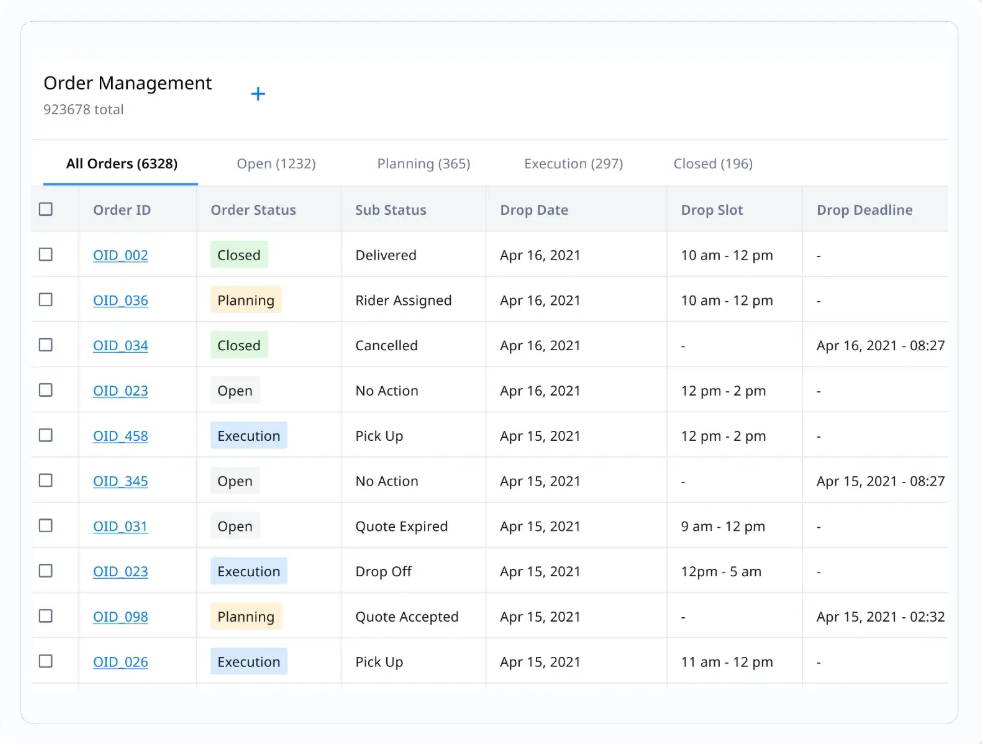
The dispatch process begins when an order is placed. With Locus, orders are automatically pulled into the system from your existing tools, such as TMS or CRM.
As a result, it eliminates manual data entry and reduces errors, ensuring a seamless dispatch management process.
Step 2: Job Assignment
Locus’ AI-driven system automatically assigns orders to the most suitable driver based on real-time factors such as driver availability, vehicle capacity, and proximity.
It ensures that the right resources are used, improving efficiency and reducing manual intervention.
Step 3: Route Optimization

After job assignment, the next step is to maximize routing efficiency with Locus’ AI-powered route optimization software. Using real-time data such as traffic, weather conditions, and delivery windows, the software also considers order priorities, driver capacity, and special requirements such as vehicle type or incompatible packages. This ensures automated route planning that reduces transit distance, delivery times, and fuel consumption, while consistently lowering operational costs.
Some of the features that elevate routing efficiency include:
- Autonomous and supervised optimization for flexible route planning
- Intelligent order clubbing that groups compatible deliveries efficiently
- Proprietary geocoding engine capable of decoding incomplete or poorly written addresses
- Vehicle allocation engine that recommends the most suitable vehicles for each delivery
The platform also enables businesses to manage both scheduled and on-demand dispatches, dynamically rerouting on the go to handle real-world complexities.
Step 4: Real-Time Tracking and Communication
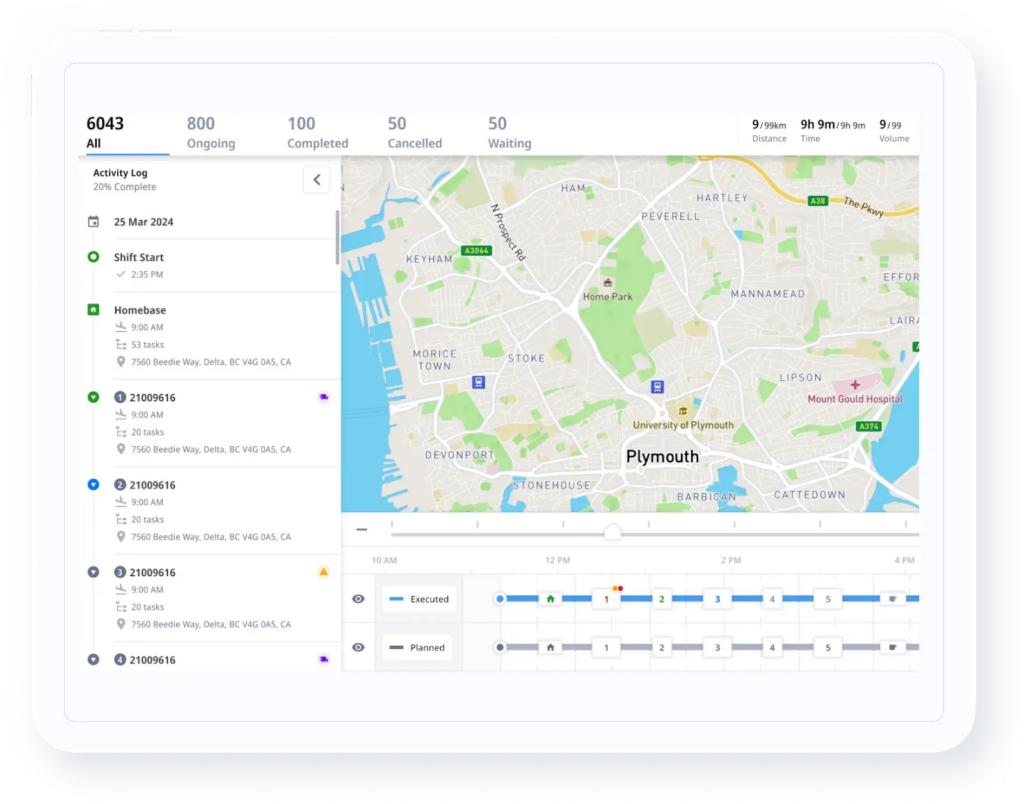
Seamless on-ground visibility for dispatch managers is critical to keeping operations under control. With real-time tracking, dispatchers and customers can monitor shipments through an easy-to-use dashboard or mobile app, receiving continuous updates on delivery status. This transparency builds trust, improves accountability, and allows businesses to manage exceptions before they turn into costly delays.
In addition, Locus ensures effortless communication between dispatchers, drivers, and customers, enabling quick responses to unexpected changes. By combining live tracking with instant communication, businesses can stay proactive, maintain service quality, and deliver consistently reliable experiences.
Step 5: Proof of Delivery (POD)
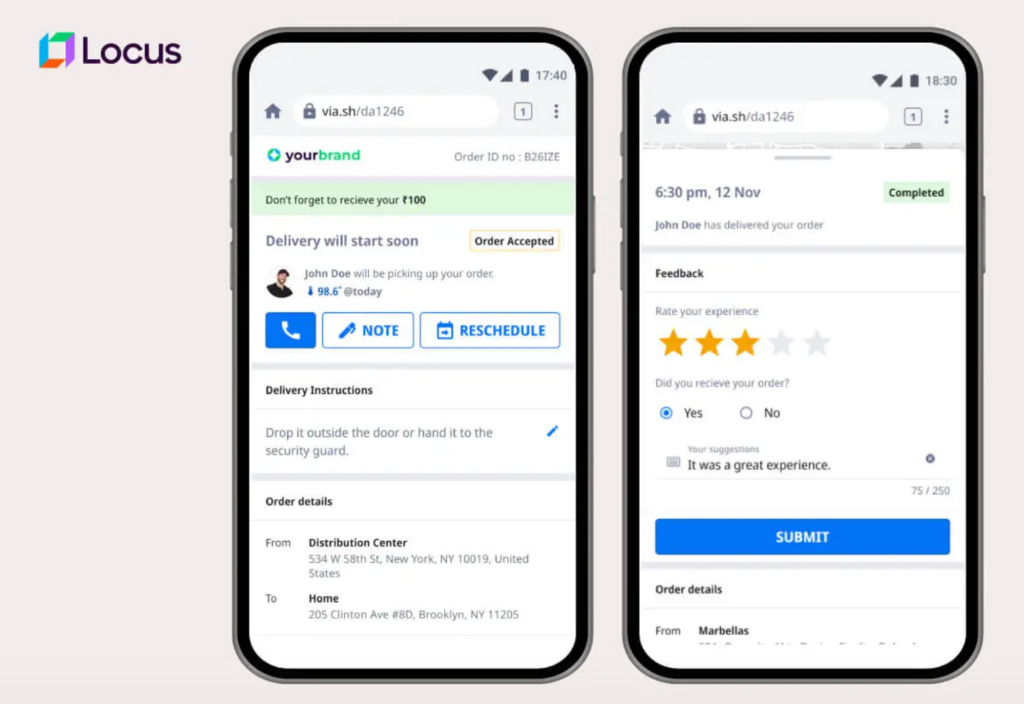
After the delivery reaches its destination, managers need to record and validate completion with accuracy. The last-mile delivery software enables electronic proof of delivery (ePOD) through mobile apps, allowing drivers to capture electronic signatures, photos, and delivery confirmations instantly.
Beyond POD, the software helps businesses meet SLAs by combining intelligent route planning, fleet optimization, and real-time delivery tracking. With every step of the last mile connected through one platform, dispatchers gain complete visibility, fleets operate at maximum efficiency, and customers experience faster, more transparent deliveries.
? Suggested read: Complete Guide to Electronic Proof of Delivery and it’s Importance
Step 6: Analytics and Reporting
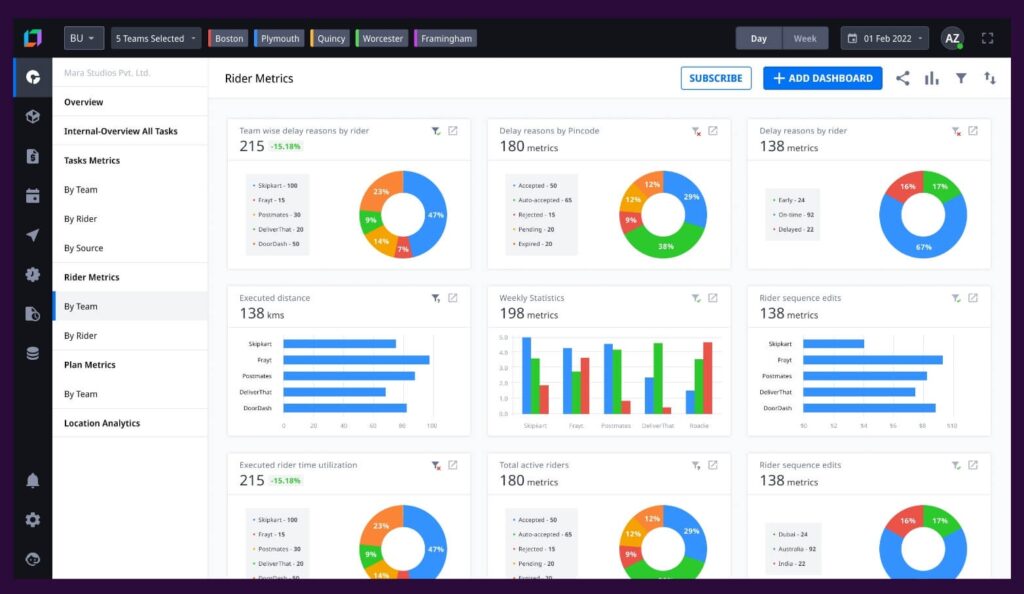
Route management doesn’t stop once deliveries are made. With cutting-edge fleet tracking and analytics, Locus helps identify overlapping routes, siloed data, driver overload, and gaps in decision-making.
By analyzing real-world performance, it generates business insights on cost, distance, revenue, and on-time delivery, while also providing carrier insights to optimize fleet use.
Benefits of Dispatch Software for Fleet Operators

Dispatch software plays a crucial role in improving fleet operations. It automates and optimizes processes, enabling businesses to reduce costs, enhance customer satisfaction, and improve overall efficiency.
Here are some key benefits for fleet operators:
- Cost reduction: One of the clearest advantages of dispatch optimization software is cost savings. By streamlining routes and reducing fuel waste, fleets see measurable results. In fact, route optimization alone can cut fuel costs by up to 20%. For large operators, these savings compound quickly, as inefficiencies across hundreds of vehicles often translate into massive overhead.
- Improved delivery speed and timeliness: These financial gains directly link to faster deliveries. Strategic route planning powered by real-time data reduces delivery times by around 10%. As operators serve more customers in the same time window, businesses increase capacity without adding extra vehicles or staff.
- Real-time visibility and tracking: Faster operations also demand better control. Real-time dispatch management provides live visibility of vehicles and orders, enabling dispatchers to act quickly if delays occur. In fact, over 80% of fleet managers now consider live tracking essential for decision-making.
- Improved fleet productivity: With stronger oversight, companies can then maximize fleet output. Automated driver assignments based on availability and location boost vehicle utilization by 15% or more. This ensures drivers remain productive, while dispatchers can shift their focus to higher-level strategies.
- Better customer experience: When productivity rises, customer satisfaction follows. Accurate ETAs and timely alerts reduce complaints and create confidence in every delivery. Businesses that consistently meet expectations often see stronger loyalty and repeat orders.
- Data-driven decision making: Finally, every optimized route, delivery update, and driver assignment feeds valuable data back into the system. These insights, covering delivery times, fuel consumption, and costs, allow operators to refine their strategies continuously, ensuring that each improvement compounds over time.
What to Consider When Choosing a Dispatching Software
Selecting the right dispatch software is critical for streamlining operations and enhancing efficiency. Here are key factors to consider:
- Scalability and Flexibility: Ensure the software can grow with your business, handling higher volumes and more complex delivery networks.
- Route Optimization: Look for features that support strategic route planning and automated route planning, thereby optimizing delivery routes, reducing costs and improving routing efficiency.
- Real-Time Tracking and Visibility: Choose software that offers real-time dispatch management, giving both dispatchers and customers visibility into deliveries, so they can track progress and make adjustments as needed.
- User Interface: A simple, intuitive interface for both dispatchers and drivers is essential for smooth operations, reducing errors and minimizing training time.
- Integration Capabilities: Ensure the software integrates well with your existing TMS, WMS, and other operational systems, providing a seamless flow of data across platforms.
- Cost and ROI: Consider the total cost and evaluate the software’s ROI. Look for options that help reduce operational costs while improving efficiency, particularly in route scheduling and delivery time reduction.
Why Choose Locus as your Dispatch Software Partner?
When it comes to choosing dispatch software, Locus offers a distinct advantage for businesses aiming to streamline their operations and reduce costs.
Here’s why Locus stands out:
- AI-powered dispatch optimization: Locus leverages advanced AI algorithms to provide automated dispatch optimization software, ensuring the best routes and optimal driver assignments. It constantly learns from data, improving dispatch efficiency over time and providing businesses with smarter, more accurate decision-making capabilities.
- End-to-end visibility: With real-time dispatch management, Locus offers full visibility into the entire logistics process, from order intake to delivery completion. Dispatchers and customers can track deliveries in real-time, reducing uncertainty and improving customer satisfaction.
- Advanced route optimization: Locus’ strategic route planning is built to ensure that deliveries are made on time, every time. By analyzing real-time data, including traffic conditions, delivery windows, and more, Locus calculates the most efficient route, ensuring the best use of resources.
- Seamless integration with existing systems: Locus integrates seamlessly with your existing TMS, CRM, and WMS, ensuring that data flows smoothly between platforms. This eliminates the need for manual data entry and minimizes the risk of errors, improving the efficiency of your entire logistics operation.
- Scalability and customization: Whether you are managing a small fleet or a global logistics operation, Locus offers the scalability to meet your needs. Its flexible, customizable features grow with your business, ensuring that you can adapt to evolving demands without switching to a new platform.
Leverage Dispatch Software for Smarter Operations
From real-time dispatch management to strategic route planning, the right dispatch software can help businesses streamline operations, reduce costs, and improve customer satisfaction.
As we’ve explored, Locus offers a comprehensive, AI-powered solution that goes beyond basic route optimization. With features like automated dispatch optimization software, real-time tracking, and seamless system integrations, Locus equips businesses with the tools they need to stay ahead in the competitive logistics landscape.
Schedule a demo today to see how our dispatch software can help you unlock new levels of performance.
Frequently Asked Questions (FAQs)
1. What types of businesses can benefit from dispatch software?
Dispatch software is beneficial for industries like retail, logistics, e-commerce, and food delivery, helping businesses optimize fleet management and improve delivery efficiency.
2. How does real-time dispatch management improve customer service?
Real-time dispatch management provides live updates, giving customers accurate ETAs and proactive notifications, leading to higher satisfaction and fewer complaints.
3. Can dispatch software integrate with other systems like TMS or CRM?
Yes, dispatch management software, like Locus, integrates seamlessly with TMS, CRM, and WMS systems, creating a unified platform for end-to-end operations.
4. How does route optimization reduce operational costs?
Route optimization minimizes fuel usage and travel time by calculating the most efficient paths, directly reducing transportation costs and improving fleet productivity.
5. Is dispatch software scalable for large fleets?
Yes, dispatch software is highly scalable. Locus offers customizable solutions that grow with your business, making it an ideal choice for large and complex fleets.

Dispatch Management
What is Dispatch Tracking? Key Steps & Benefits Explained
Oct 29, 2025
Discover the importance and benefits of dispatch tracking in 2025. Explore process steps, features, and how Locus drives routing efficiency at scale.
Read more
Retail & CPG
10 Best Retail Supply Chain Management Software in 2025
Oct 31, 2025
Explore the top retail supply chain management software systems. Learn features, benefits, and how Locus delivers unmatched results.
Read moreInsights Worth Your Time
















What is Dispatch Software? Complete 2025 Guide