

Turning Post-Checkout Delivery into a Customer Retention Engine
- Applicable Segment(s)
- Retail & eCommerce, Quick Commerce, Grocery, Big & Bulky, 3PLs managing consumer-facing delivery networks
- Impacted Function(s)
- Customer Experience, Last-Mile Operations, Customer Support, Fleet & Driver Management
- Solution
- Locus Control Tower, Track and Trace
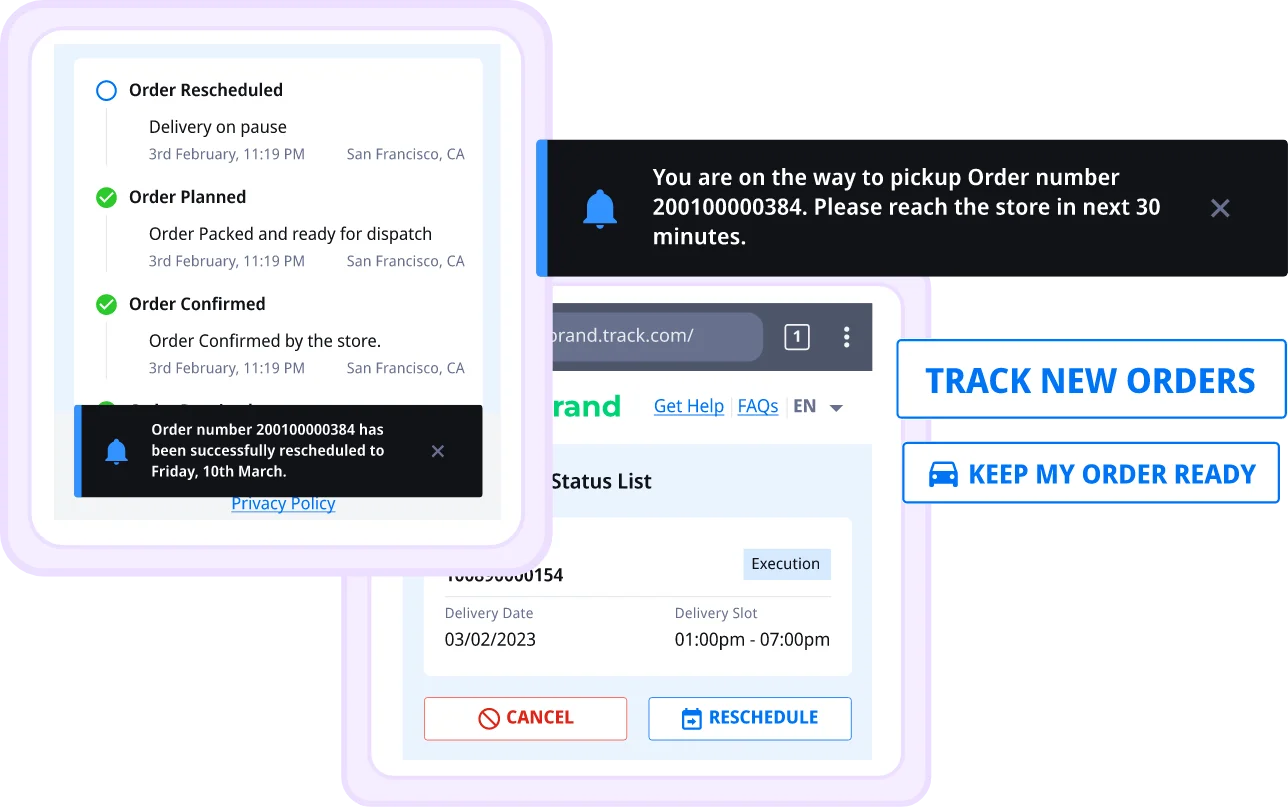
For most retailers, significant investment goes into the pre-purchase experience: product discovery, pricing, and checkout flow. The post-checkout experience receives comparatively little attention, even though it is the phase customers feel most directly. Delivery happens at their home, on a schedule they've arranged, and how that experience unfolds has a measurable effect on whether they purchase again.
Many have enabled order tracking, but tracking visibility alone does not constitute a managed customer experience. Customers expect accurate timing, timely updates, and some degree of control over their delivery. When those expectations aren't met, the impact shows up in support volume, repeat-purchase rates, and failed-delivery costs.
The Challenge: Structural Gaps in Post-Checkout Communication
Across retail verticals, the same communication and coordination problems recur.

Unclear ETAs in High-Value Deliveries
For furniture and appliance deliveries, customers typically reserve time at home to receive their order. When they receive only a broad delivery window with no follow-up updates, many contact support to confirm whether the delivery is still on schedule. This drives avoidable inbound volume and adds friction to an already high-effort purchase.

WISMO Volume in Fashion and eCommerce
At high order volumes, even a modest rate of "Where Is My Order?" contacts translates to thousands of support tickets per week. Without proactive notifications and self-serve options in the tracking experience, customer support teams absorb workload that could be eliminated upstream through better communication design.

Timing Sensitivity in Grocery and Quick Commerce
Grocery delivery operates within tight time expectations, and even modest delays need to be communicated promptly. Customers in this category have immediate consumption needs, and late or unannounced delays undermine confidence in the service reliability that quick commerce depends on.

Inconsistent Communication Across Channels
Customers use SMS, WhatsApp, email, and in-app notifications interchangeably. When logistics systems treat these as separate, uncoordinated outputs, customers may receive duplicate messages on some channels and nothing on others. The overall experience feels disjointed, even when deliveries are proceeding normally.
The Business Impact: Where Experience Gaps Become Operational Costs
When post-checkout communication is not actively managed, the effects are measurable across multiple business functions.
- Reduced Repeat Purchase Intent:
- Customers who have a poor delivery experience often do not flag it explicitly. They simply choose a different retailer for their next purchase. This makes delivery experience a quiet but significant driver of customer lifetime value.
- Higher Support Costs:
- Inbound WISMO volume is a reliable indicator of gaps in proactive communication. Each contact that reaches a support agent represents a notification that could have preempted it.
- Failed First-Attempt Deliveries:
- Customers who were not informed of their delivery window, or who could not reschedule when plans changed, are frequently unavailable at the door. Each failed attempt adds cost and delays resolution for the customer.
- Incomplete Feedback Data:
- Without structured feedback collection at the point of delivery, retailers cannot reliably distinguish between product dissatisfaction and delivery dissatisfaction, and cannot identify delivery-level performance patterns across their driver network.
The Solution: A Managed Post-Checkout Engagement Layer
Locus transforms post-checkout tracking from a static visibility tool into an active communication and engagement layer that connects customers, drivers, and operations in real time.
Unified Omnichannel Communication
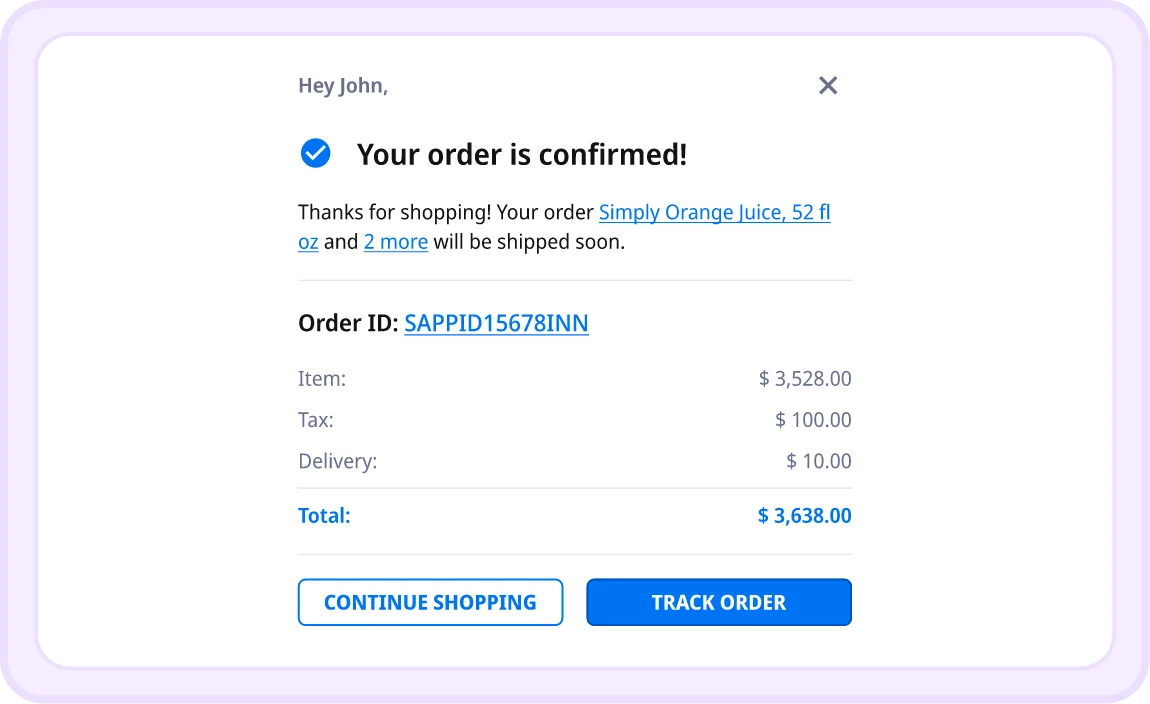
Locus delivers consistent, real-time delivery updates across SMS, WhatsApp, email, and branded tracking pages. Customers receive accurate, timely information regardless of which channel they use, and the experience remains branded throughout rather than defaulting to a generic third-party logistics interface.
Dynamic ETAs and Proactive Notifications
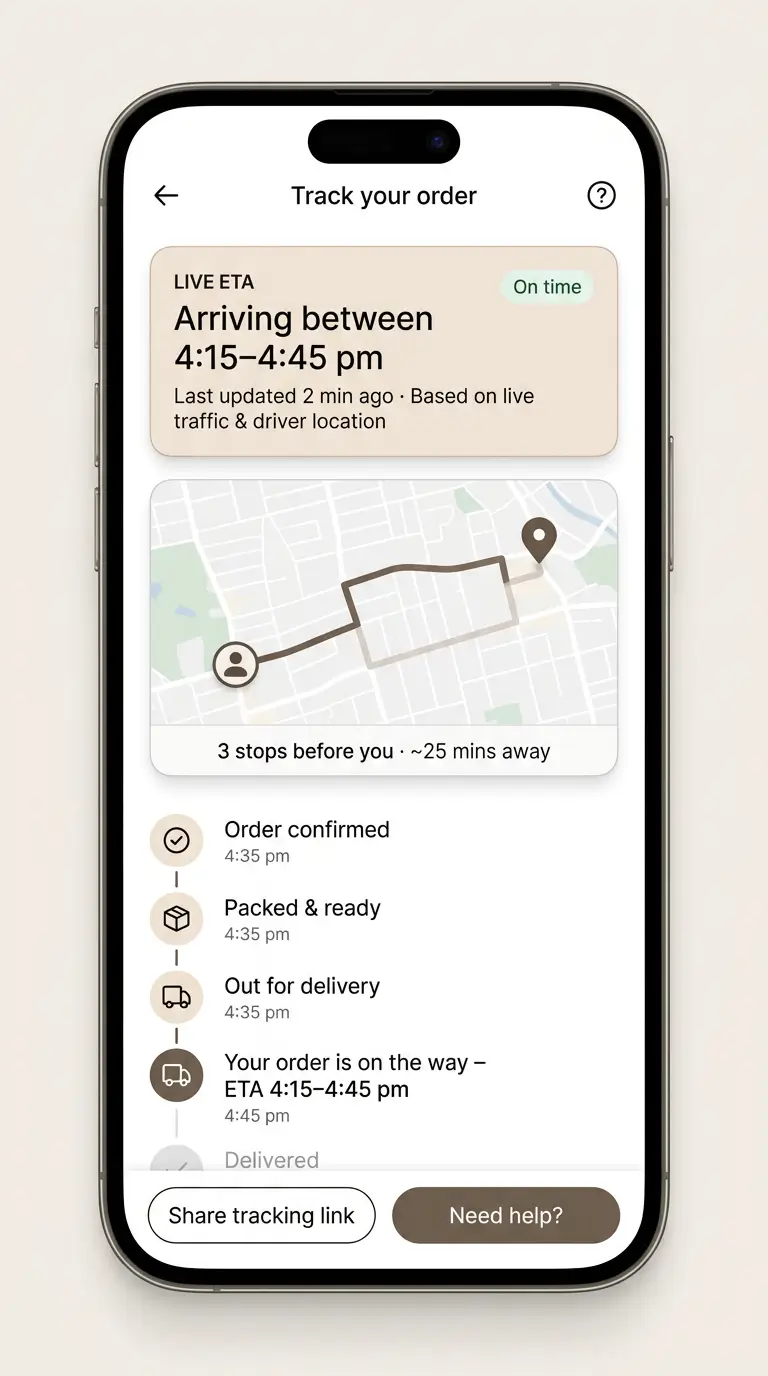
Locus provides delivery estimates that update continuously based on live operational conditions. Customers are notified when the driver is en route, when arrival is approaching, and when delays occur due to traffic or other disruptions. This reduces the need for customers to seek out status updates themselves.
Customer Self-Serve Options
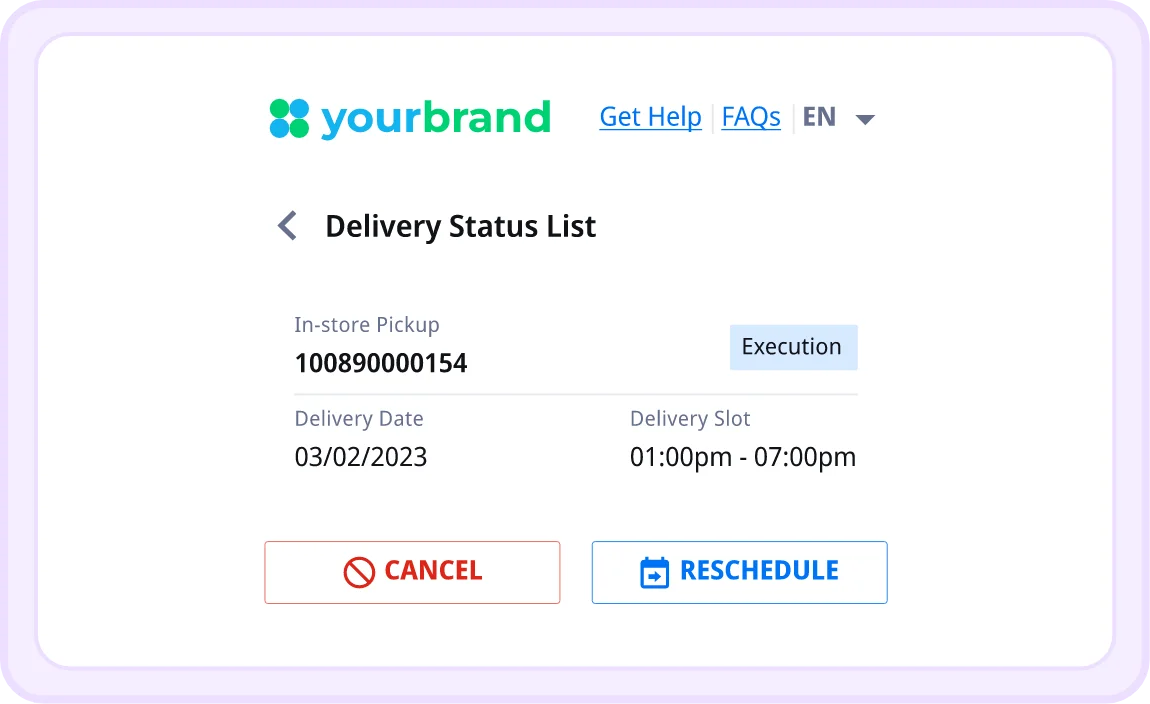
Through the tracking interface, customers can reschedule delivery windows, initiate returns, or contact the driver directly. These options reduce dependency on customer support while giving customers practical control over their delivery.
COD Confirmation and Delivery Validation
For markets with significant Cash on Delivery volume, Locus supports pre-delivery payment confirmation and structured delivery validation workflows. This reduces failed attempts caused by payment friction and provides operations teams with a clear record at each handoff.
Structured Feedback Capture
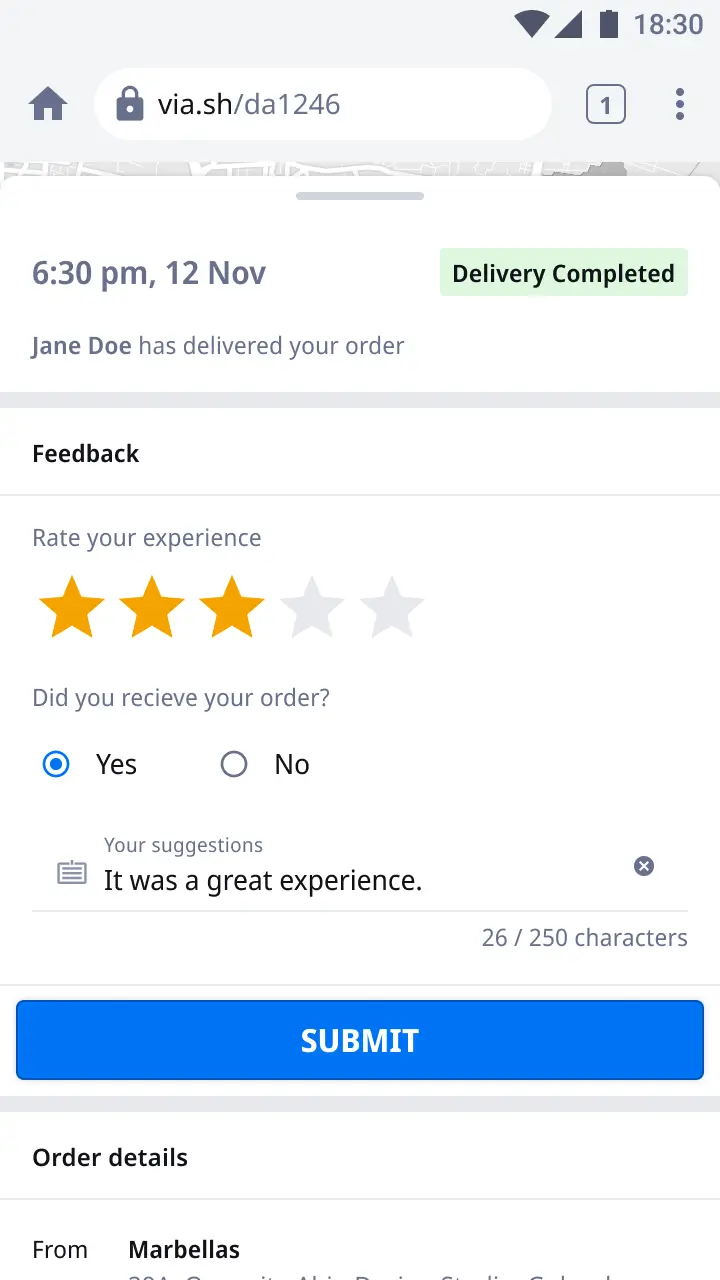
Locus collects delivery feedback immediately after each completed order, capturing both product and delivery experience ratings in a structured format. This data is available to operations and fleet managers, making it possible to identify recurring issues, prioritize service improvements, and incorporate customer feedback into driver performance management.
The Locus Advantage
Dynamic ETAs and Proactive Notifications
Delivery estimates update continuously based on live route progress, traffic conditions, and operational disruptions. Customers receive timely notifications at each stage of the delivery, from driver departure to approaching arrival, without needing to check the status themselves.
Branded Customer Experience
Tracking pages and notification flows are fully configurable to the retailer's brand standards. The post-checkout experience remains the retailer's own rather than being delegated to a logistics provider's generic interface.
Centralized Operations Visibility
Dispatchers and customer experience teams have a real-time view of all active deliveries and customer interactions, and can intervene when disruptions are likely to affect delivery commitments.
Driver and Customer Communication in Sync
When drivers update their status in the field, such as marking arrival or completing a delivery, those updates flow directly into customer notifications. This keeps customer-facing information aligned with ground-level reality without requiring manual coordination.
Multi-Language Support
Communication is available in multiple languages, ensuring that notifications are clear and accessible across diverse customer bases, which is particularly important for retailers operating across multiple regions.
Impact in Action: High-Volume Omnichannel Retail
A leading omnichannel retailer managing both high-value appliance deliveries and high-frequency eCommerce shipments was experiencing growing customer dissatisfaction despite solid on-time delivery performance. Customers were regularly contacting support for status updates, missed deliveries were increasing, and there was no consistent process for capturing delivery feedback.
After deploying Locus's branded tracking and proactive notification capabilities, the retailer's post-checkout communication became structured and reliable. Customers received real-time updates across their preferred channels, could reschedule deliveries without contacting support, and completed delivery feedback immediately after receiving their order. Operations teams gained delivery-level visibility into customer sentiment, and drivers experienced fewer coordination issues at the point of handoff.
Performance Gains at a Glance
| Metric | Before Locus | With Locus Post-Checkout Engagement |
|---|---|---|
| Customer Communication | Passive tracking with limited updates | Proactive, real-time updates across all channels |
| Support Load | High inbound WISMO volume | Significant reduction in tracking-related contacts |
| First-Attempt Delivery Rate | Missed deliveries due to poor coordination | Improved success rates through better scheduling and notification |
| Feedback Capture | Inconsistent and delayed | Structured, real-time, and linked to operations |
| Brand Experience | Generic, third-party post-checkout experience | Fully branded, consistent customer experience |