

Improving Driver Productivity Across Multi-Stop, Last-Mile Operations
- Applicable Segment(s)
- Retail & eCommerce, FMCG/CPG, 3PLs managing captive fleet execution
- Impacted Function(s)
- Last-Mile Operations, Dispatch & Fleet Management, Warehouse & Load Planning
- Solution
- Locus Dispatch & Execution
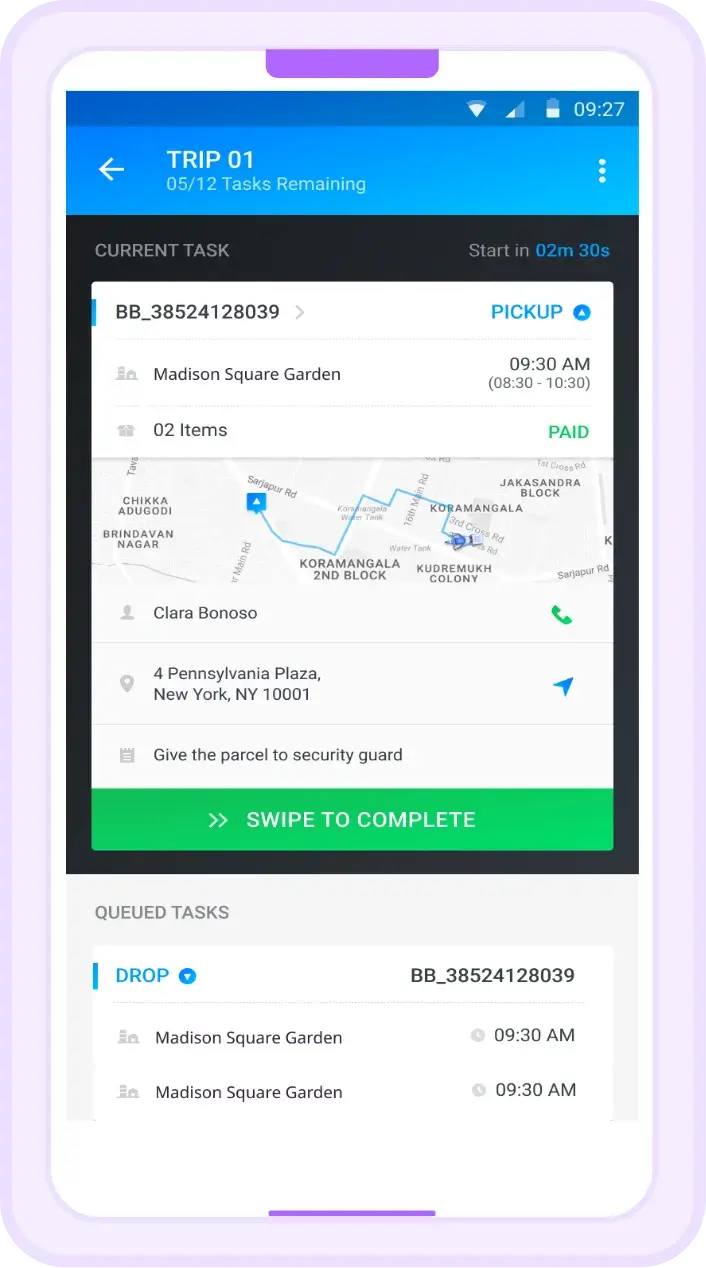
Ensuring an effortless delivery experience for the driver is a strategic necessity that directly influences brand reputation and the bottom line. When a driver is overwhelmed by complex multi-pick schedules or frustrated by inaccurate navigation, productivity plummets. That’s why, for CXOs and logistics leaders, the real variable in the margin equation is the driver.
The Productivity Gap: The Invisible Tax on Retail Growth
Unlike simple courier drops, retail drivers often manage heavy goods, furniture assembly, and tight delivery windows.
Organizations frequently face these operational bottlenecks:

The Cognitive Burden
Drivers are often forced to act as their own dispatchers, trying to re-sequence stops when a customer is unavailable, or a new pick-up is added mid-route.
The Last-Yard Struggle
Standard GPS often fails at the entrance of large office complexes or gated communities, leading to dead time spent waiting for security clearance.

Physical Disorganization
Without a clear loading plan, drivers waste hours over a week simply digging through their vehicles to find the right item for the right door.

Information Silos
When an exception occurs, such as a damaged item or a missing gate code, the driver is often left in a loop of phone calls, delaying the rest of their day.
The Solution: Transforming the Driver into an Empowered Professional
Locus redefines the relationship between the driver and the technology they use. We move away from tracking and toward empowerment by providing an AI-driven co-pilot that simplifies every decision on the road.
Real-Time Execution and Flexibility
The Locus platform allows for dynamic re-sequencing directly within the driver app. If a priority task is added or a break is needed, the system recalculates the optimal path instantly. We also recognize that drivers have lives outside of work. The platform allows for flexible hours where breaks can be blocked in advance, and start or end locations can be customized to the driver's home or a specific hub.
Minimizing Cognitive Overload
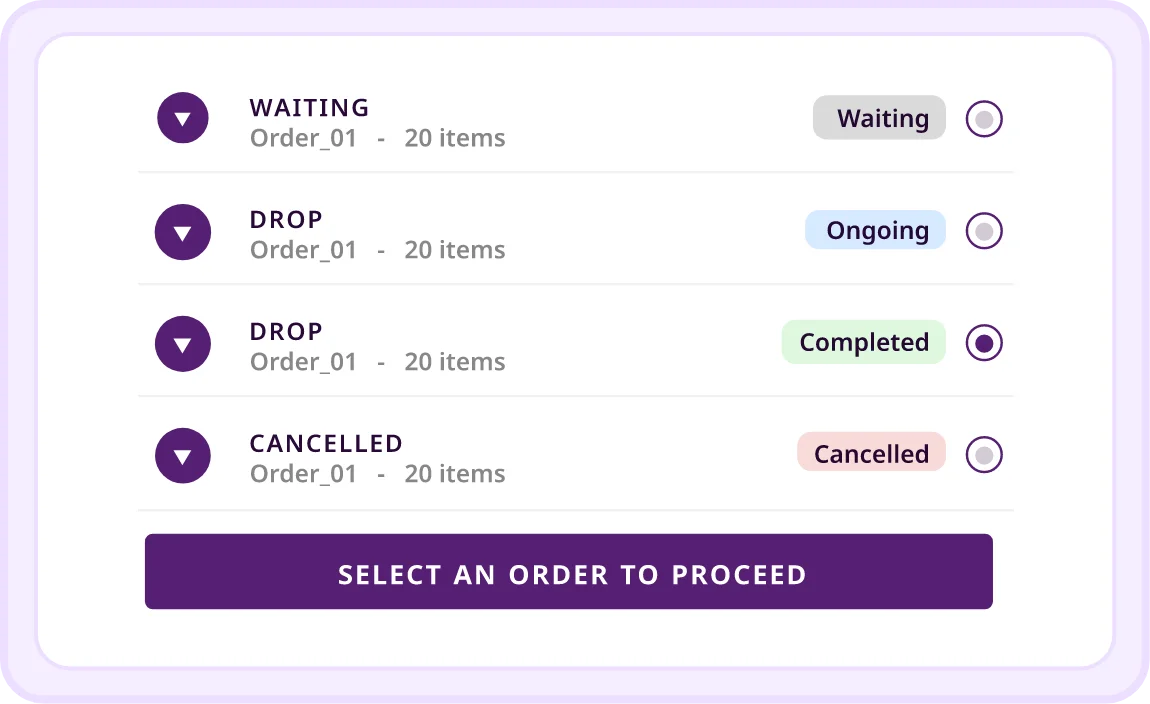
We designed our interface with deep empathy for the person behind the wheel. The app uses a map-centric view for tasks and requires minimal touchpoints. Complex actions are reduced to intuitive swipes and button presses, ensuring the driver spends less time staring at a screen and more time focused on the task at hand. Multi-language support further ensures that every member of the fleet, regardless of background, can operate with total confidence.
AI-Assisted Precision and Verification
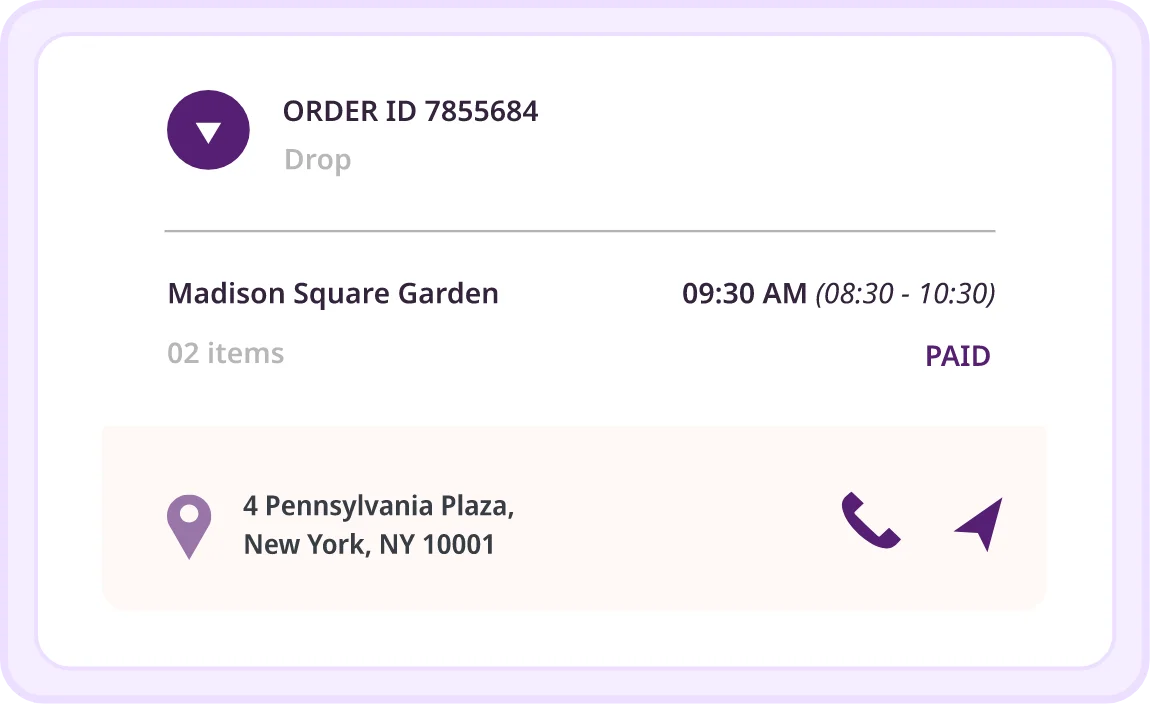
To eliminate the stress of manual verification, Locus utilizes AI-based image recognition. Drivers no longer need to scrutinize SKUs or item descriptions. They simply scan the item, and the AI validates the pick-up or delivery. This sequential task enforcement ensures that errors are caught before they happen, as the app only allows the driver to move to the next task once the current one is perfectly completed.
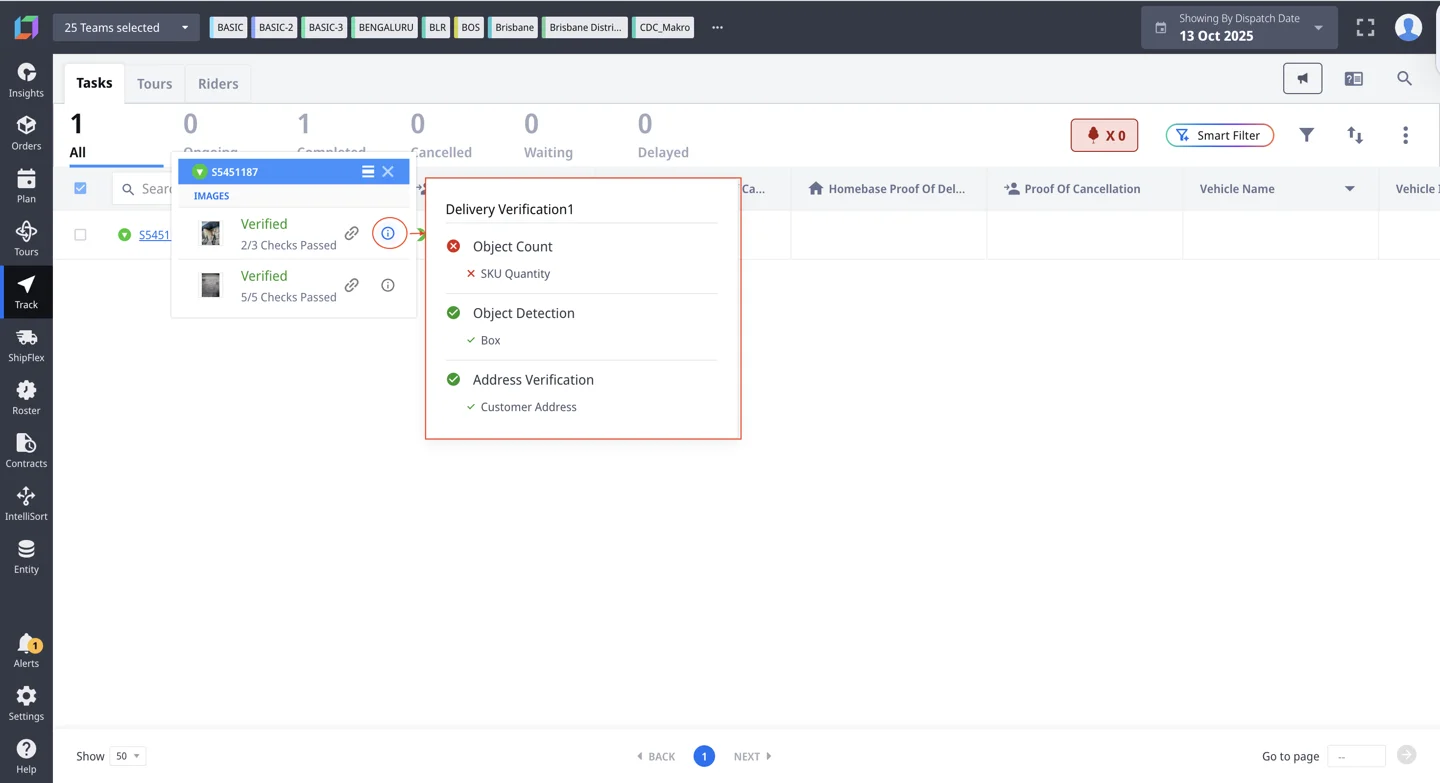
Versatile Proof of Delivery (POD) Workflows
Locus optimizes the final handshake between the driver and the customer by offering flexible verification methods tailored to the shipment type. For standard retail items, the driver can execute a quick door drop by capturing a photo of the package in a secure location. For high-value goods or sensitive deliveries, the system facilitates a secure sign-off via a One-Time Password (OTP) sent to the customer’s phone. This removes the friction of physical signatures and protects the driver from liability by ensuring a verified handover without unnecessary contact or paperwork.
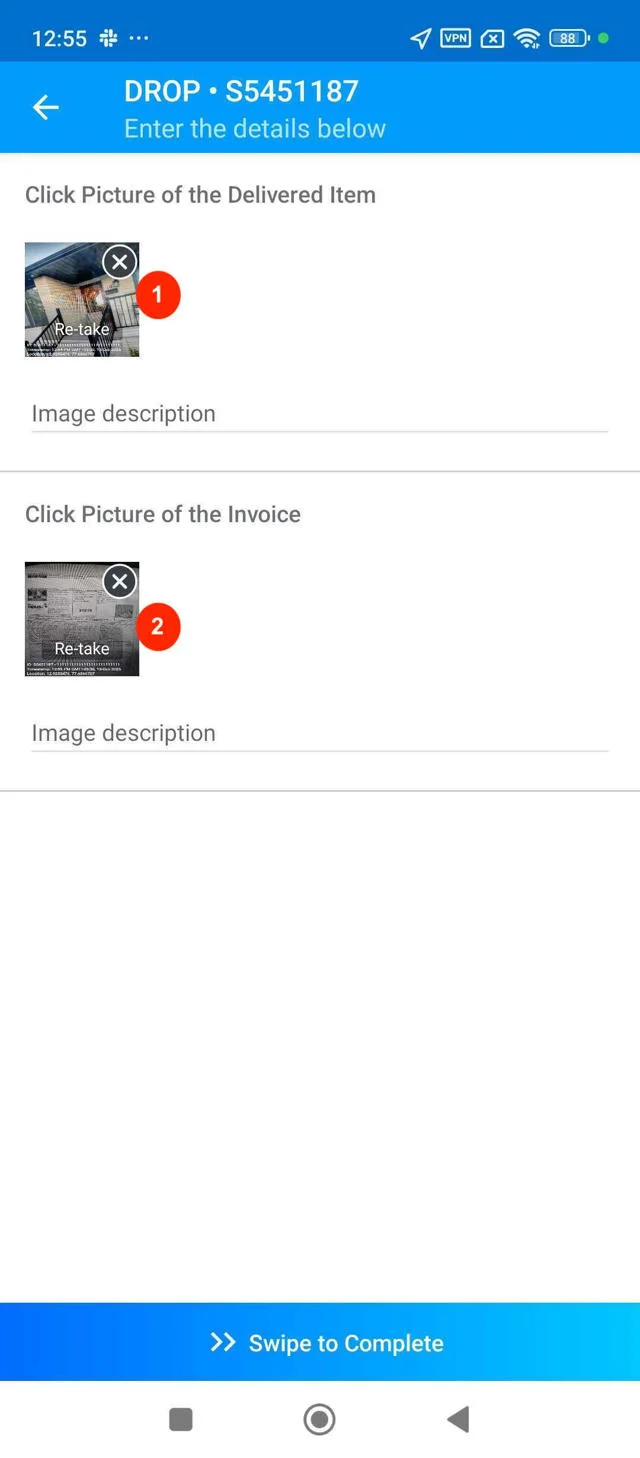
The Locus Advantage: Beyond the Steering Wheel
The Digital Installer
For furniture or appliance retail, Locus provides integrated installation guides. If a driver needs to act as an installer, the app provides step-by-step visual instructions to ensure the job is finished precisely.
Smart Loading Patterns
Locus generates picklists based on the delivery sequence. This ensures the vehicle is loaded so that the driver spends the least amount of time searching for items in their van or truck.
Frictionless Entry
Through integration with large residential and office building systems, Locus can trigger gate pass requests in advance. This allows drivers to bypass the traditional wait at the security desk and maintain their momentum.
Exception Management
A direct chat option connects the driver to the warehouse or homebase. This allows for instant resolution of real-world issues without the need for long, frustrating phone queues.
Real-World Example: Leading Global Home and Appliance Retailer
When a major retail player serving high-density urban areas integrated Locus, they were struggling with driver fatigue and a high rate of failed assemblies. By shifting to a driver-centric model, they transformed their frontline operations.
Technical Pillars of the Solution
- Gate Pass Triggering
- Automated notifications were sent to apartment security 10 minutes before the driver’s arrival, reducing idle time at the gate by 70%.
- Cognitive Load Reduction
- By using AI image recognition for item validation and OTP-based verification for high-value appliances, the retailer saw a significant drop in wrong-item claims and delivery disputes.
Key Performance Indicators (KPIs) and Results
| Metric | Pre-Locus Challenges | Post-Locus Outcome |
|---|---|---|
| Driver Productivity | Manual sorting and navigation delays. | 25% increase in successful drops per shift. |
| Accuracy | Frequent errors in multi-pick scenarios. | 99% accuracy in item validation via AI. |
| Time-to-Door | High last-yard friction at gates. | 15% reduction in total trip duration. |
| Service Quality | Inconsistent assembly standards. | 40% improvement in First-Time Right installations. |