
Route Planning
Optimize across 250+ real-world constraints including time windows, vehicle capacity, driver hours, and traffic patterns so every route delivers maximum stops without breaking SLAs.
Scale all-mile efficiencies with optimal routes
Locus’ Route Planning System leverages advanced algorithms to plan ideal routes for scheduled, dynamic, and recurring fulfillment models on a unified platform. It helps businesses manage vehicle journeys and schedules while improving driver performance and distribution operations, to deliver more on a single route.
Total deliveries optimized
Savings in logistics costs
On-time deliveries
Solve key route planning challenges
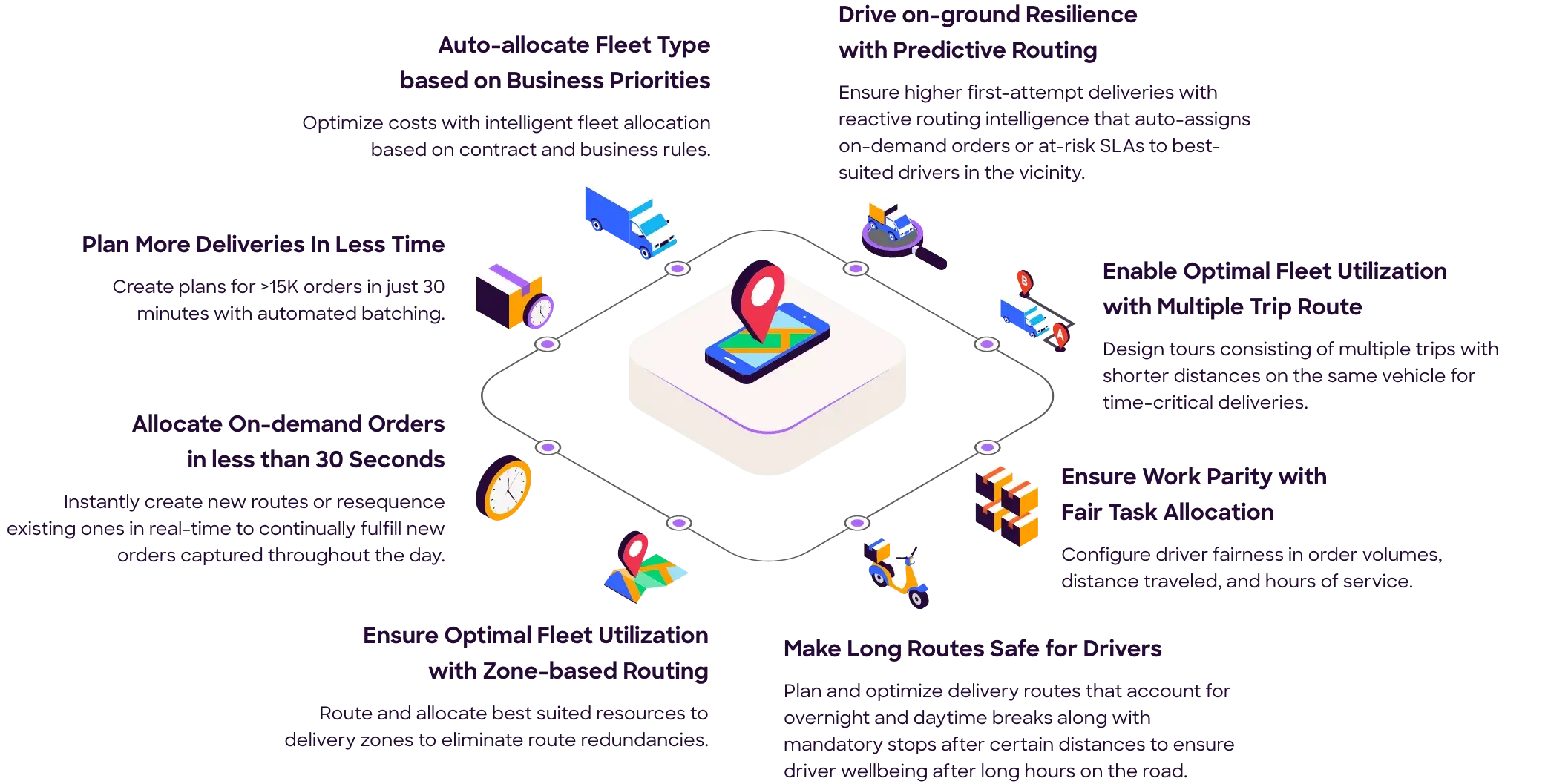
Real world ready route planning with Locus fireworks routing
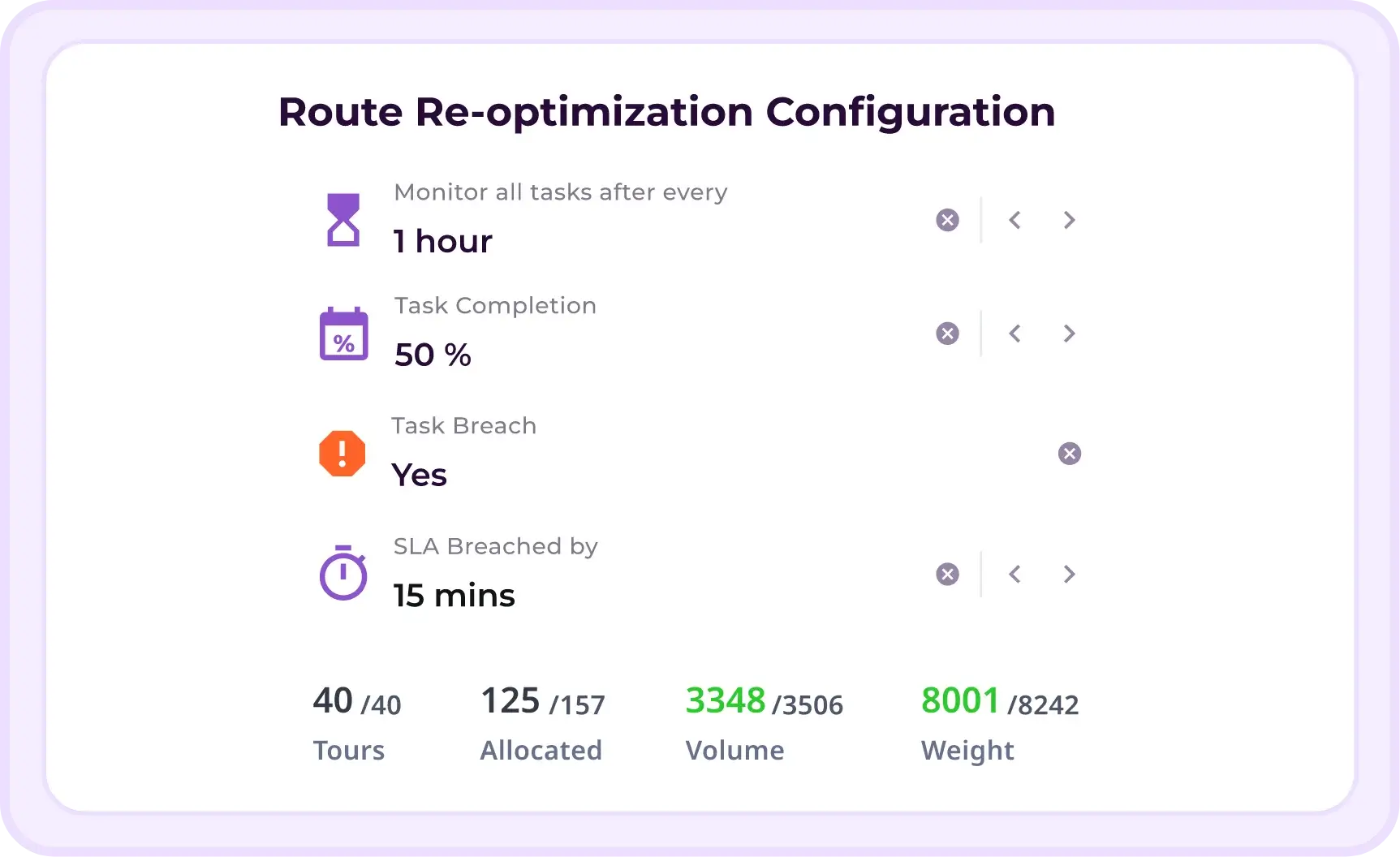
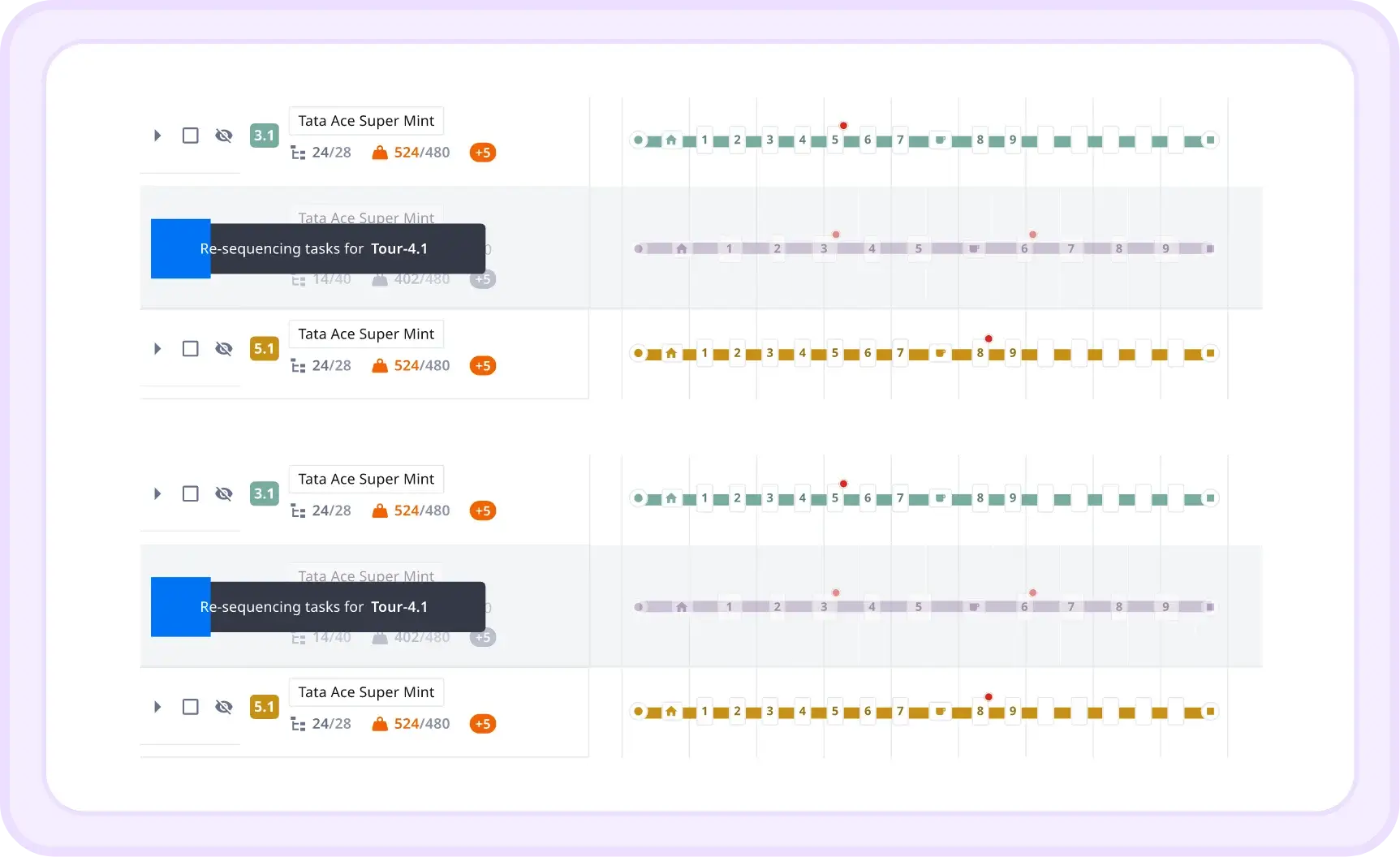
Real-time re-optimization against exceptions on the ground
Automatically identify instances of current and potential delays in real-time and course correct to accommodate SLA breaches or ad hoc tasks.
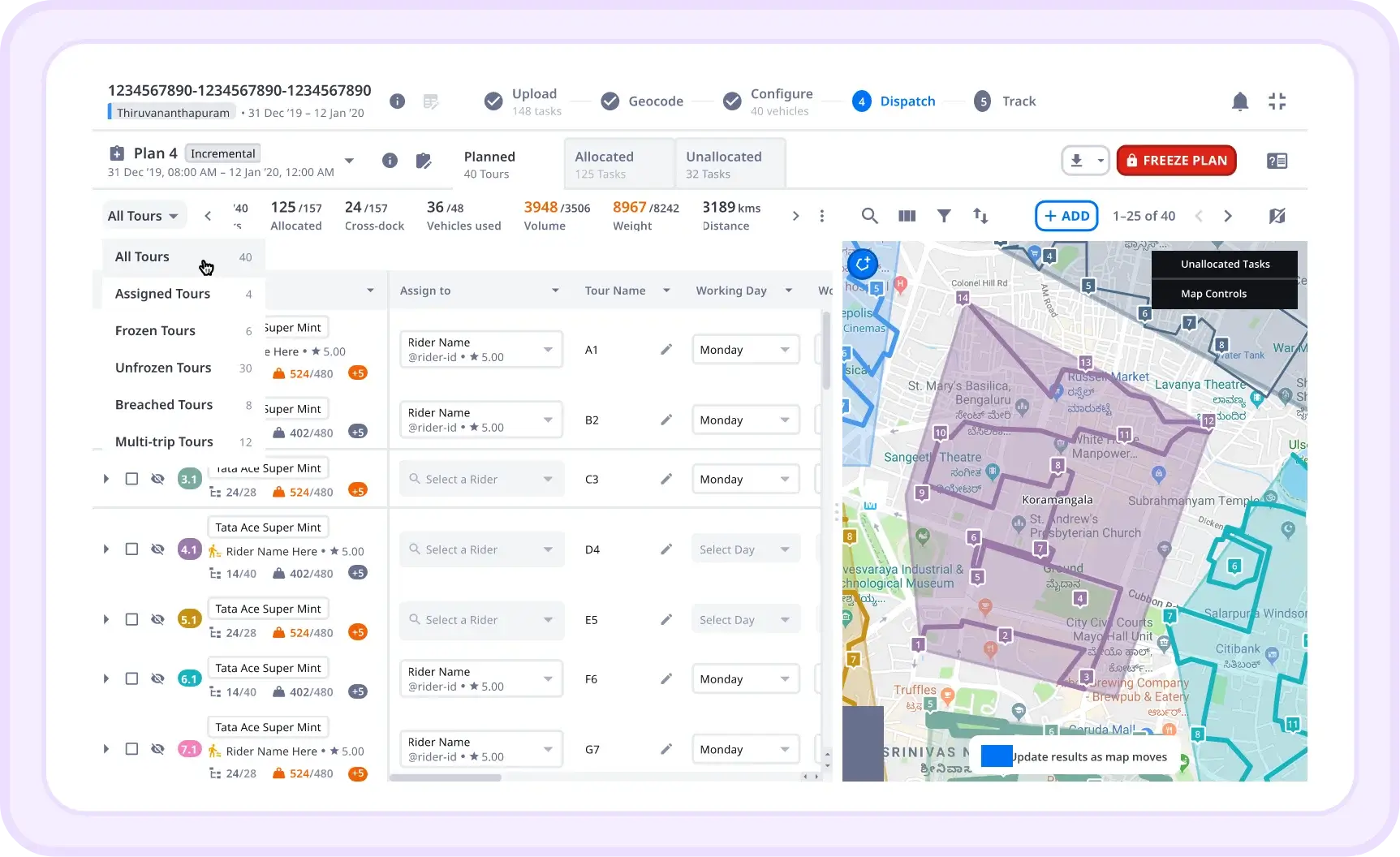
Dynamically plan routes and vehicle assignment across legs
Leverage capacity-led routing for route first, mid and all-mile with high delivery efficiency and minimal cost. Utilize cloud-based system intelligence to ensure every shipment moves through the right nodes for effective cost control and robust chain of custody.
Drive on-ground resilience with predictive routing
Automatically reassign unplanned tasks or at-risk SLAs to best-suited service technicians to ensure task allocation accuracy and fairness.
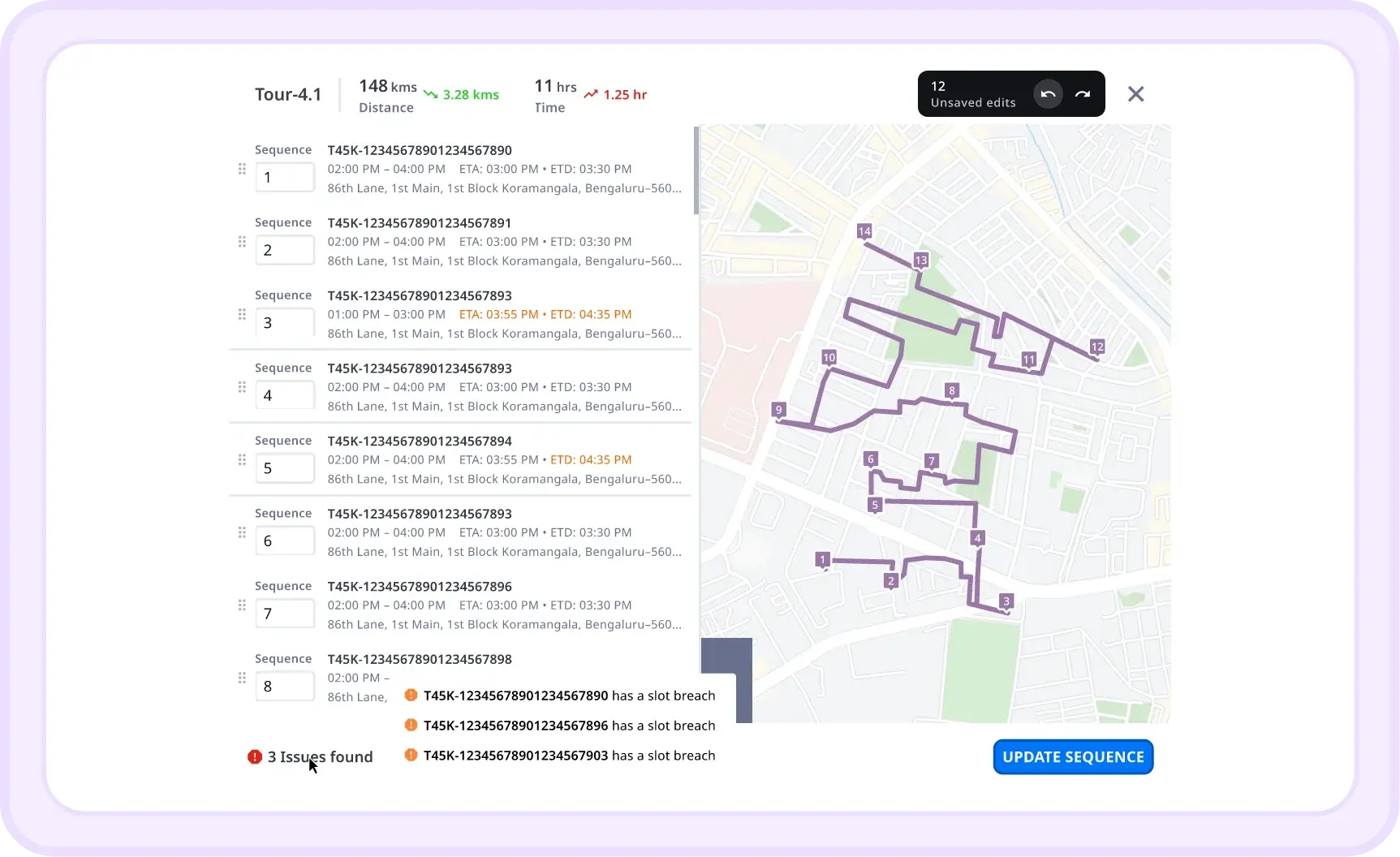
Stay on time, every time
Reconfigure at-risk SLAs and ad hoc tasks within minutes to always stay SLA compliant. High SLA adherence enhances customer experience while boosting brand trust and recall.
Trusted by 360+ Enterprises Globally







Latest Locus insights

What is Route Planning in Logistics? Definition & Overview
How to Choose the Right Route Planning Software

How Advanced Route Planning Benefits Fleet Drivers

Setting Up Efficient Delivery Routes for Your Drivers
Convert your logistics operations to a revenue generator
Frequently Asked Questions
Locus's Route Planning System is the Transportation Planning & Optimization module within its Decision-Intelligent TMS — using 250+ real-world constraints to plan optimal routes for scheduled, dynamic, and recurring fulfillment across first, mid, and last mile.
Locus's route optimization increases fleet utilization by up to 90% by building denser, constraint-aware routes that maximize stops per vehicle while respecting driver hours, delivery windows, and vehicle capacity.
Yes. Locus continuously monitors active routes for delay risk and re-optimizes in real time — reassigning at-risk tasks and SLAs before breaches occur, not after.
Locus provides dynamic routing and vehicle assignment across first-mile, mid-mile, and last-mile legs — using cloud-based intelligence to ensure every shipment moves through the right nodes at the right cost, with full visibility across the network.
Locus identifies at-risk deliveries and re-routes them within minutes to preserve SLA compliance — enabling 99.5% on-time delivery rates across 360+ global enterprise customers.
Locus has optimized 1.5B+ deliveries, generated $320M+ in transit savings, improved fleet utilization by up to 90%, and maintains 99.5% on-time delivery for 360+ global enterprises across 30+ countries.
Yes. Locus uses predictive routing to identify at-risk deliveries before delays materialize — automatically reassigning unplanned tasks to the best-available vehicle or driver based on capacity, location, and SLA priority, with human override built in.